


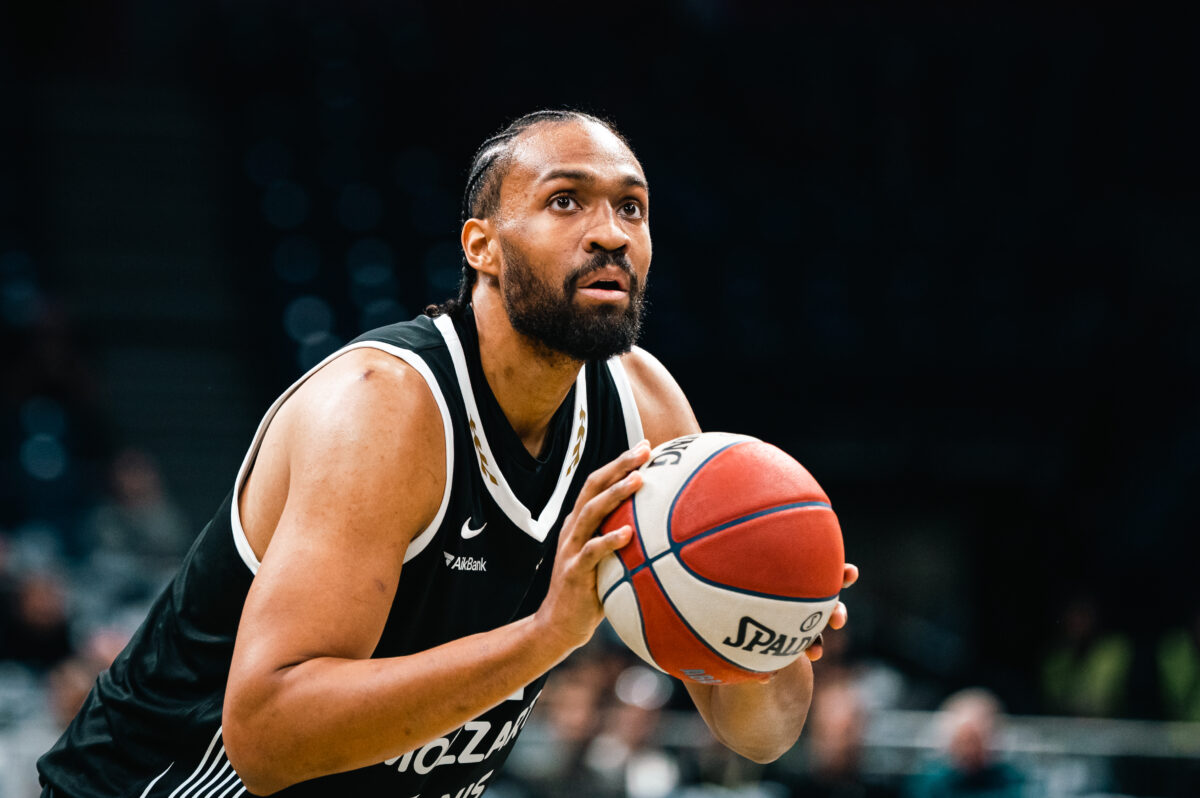









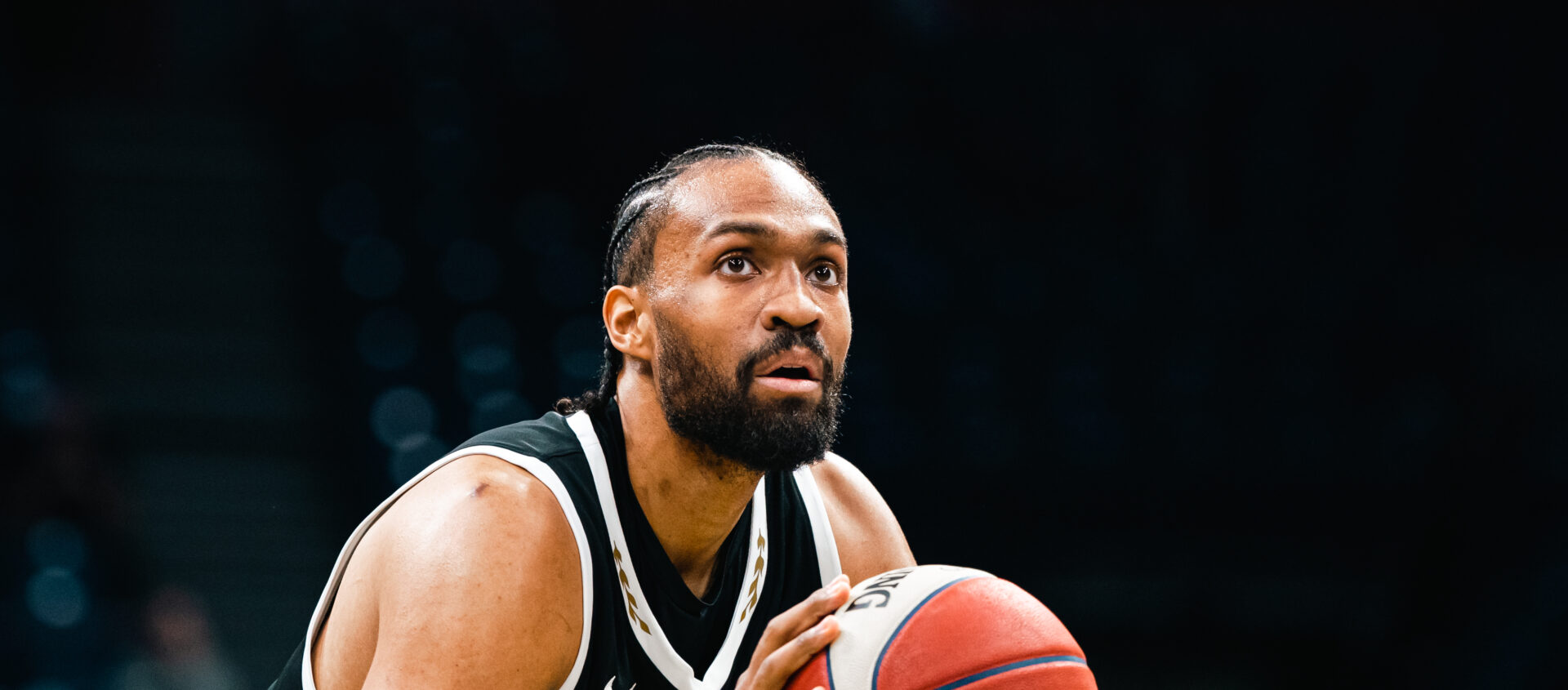

It’s hard to react to the news of Jabari Parker’s departure from Partizan with anything but relief. Good, it’s over. After months of unsuccessful negotiations, individual workouts, and enormous financial obligations, the two sides have finally found a way out of a partnership that had long since stopped making basketball sense. It should have happened much sooner.


Last summer, Parker arrived from Barcelona as a marquee signing for Željko Obradović. The former No. 2 NBA draft pick received the largest contract in Partizan’s history, with net earnings of around €2.5 million per season, and was expected to be one of the team’s key players. Instead, he ended up costing the club $5 million gross and averaged just 7.7 points and 2.5 rebounds in 19 minutes across 15 EuroLeague appearances. Occasional flashes of his talent were nowhere near enough for a player who had arrived with such high expectations.
His Role Disappeared After Obradović Left
The problems were already there under Obradović, although Parker at least had a role in the team. After Europe’s most decorated coach stepped down and Joan Peñarroya took over, Parker quickly fell out of the rotation. The Spanish coach, who had previously worked with him at Barcelona, believed Parker was not in good enough shape. Parker later disputed that assessment. In February, he was loaned to Joventut, where he began playing much better. Averaging 12.6 points in the Spanish league and 16.4 in the FIBA Basketball Champions League, he became an important part of the Badalona team, but his high salary prevented the club from keeping him.
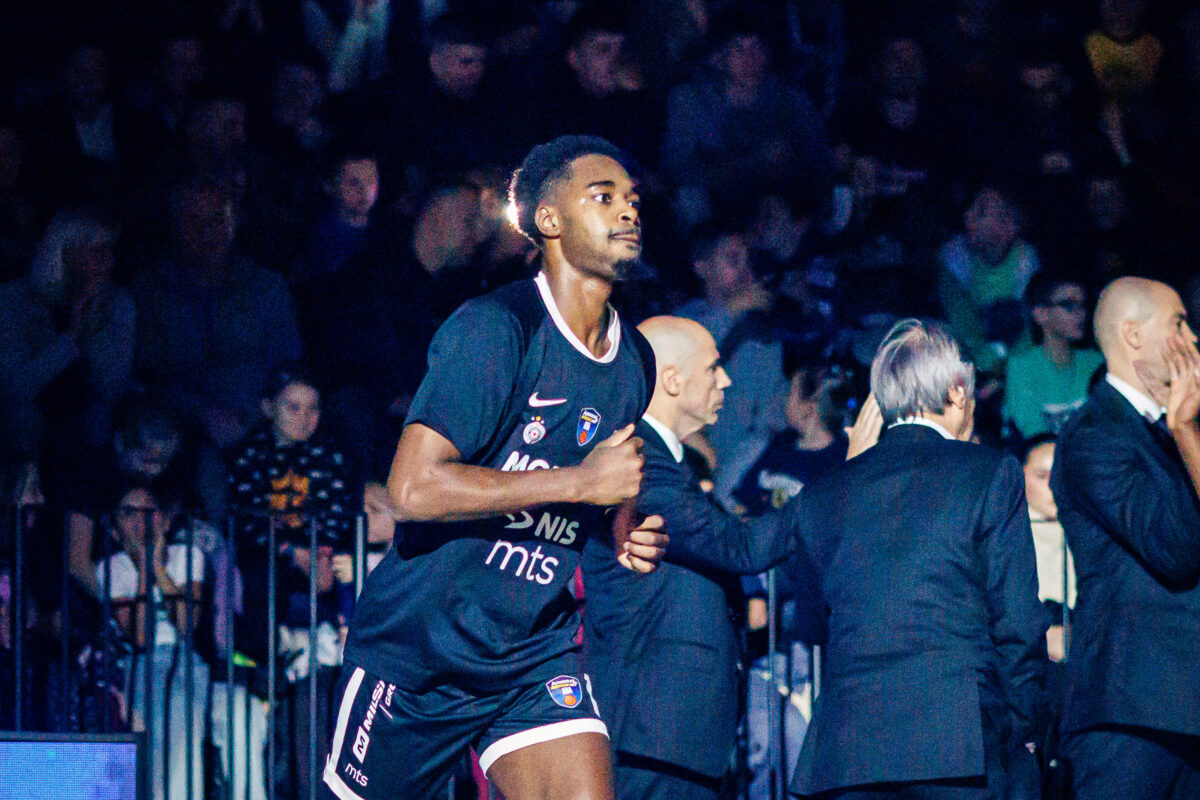
When Parker returned to Belgrade in August, little had changed. He reported for the start of preseason, completed his medical examinations and physical testing, but did not practice with the team. While his teammates prepared for the new season, he worked out individually, usually after they had finished their sessions. In an interview with Mozzart Sport in late August, Peñarroya openly stated that Partizan was building its team without Parker, while emphasizing that he respected the player and hoped the situation would be resolved quickly.
“Those Were Very Dark Days for Me”
Parker spoke about how difficult that situation had been for him in an extensive interview with Sport Klub, published after his contract was terminated.
“I had the impression they had decided I wasn’t going to play before I even arrived”.
He described months spent apart from his teammates, his daily work with strength and conditioning coach Aleksandar Žilović, and his desire to get another opportunity.
“Those were very dark days for me”, the American admitted.
Parker failed to live up to expectations and bears some responsibility for that. Still, he spent months training separately from the team, with no opportunity to compete for a place in the rotation, despite having shown at Joventut that he could still contribute at a high level.
For Partizan, Parker’s contract had become an enormous financial burden. Club president Ostoja Mijailović revealed to Mozzart Sport that Parker’s salary for last season had been paid in full, at a gross cost of $3.1 million, while the termination agreement stipulated that he would receive approximately half of his contracted earnings for the current season.
“In total, his time at Partizan will cost the club just under $5 million over the two years of his contract”, Mijailović said.
Parker Was Not the Only One Responsible for This Failure
One calculation even suggested that each of Parker’s 198 points in official games for Partizan had cost the club more than €22,000. Partizan’s basketball operations department, senior management, and coaching staff all bear significant responsibility, dating back well before Parker was removed from the team. The American did not offer himself a guaranteed, multimillion-dollar, two-year contract without exit clauses. The club decided he was worth that money and accepted the risk. That assessment proved completely wrong. Parker could and should have delivered much more on the court, and there is plenty to criticize him for. But he cannot be faulted for trying to protect what his contract guaranteed him once he was no longer wanted.
By agreeing to terminate the contract, Partizan saved some money and made room for new signings. Parker is finally free to find a club where he can play basketball. After everything that happened over the past few months, keeping that arrangement in place would have made even less sense.
Good, it’s over.