










However, the fact that Fall is a 2.18-meter point-center, combined with the strong possibility of obtaining a Greek passport, made the decision much easier for Panathinaikos, especially after the French big man had been released by Olympiacos following six years at the club. The biggest concern, though, was his serious knee injury, which had kept him sidelined for almost a year. Although he returned last season, he never truly managed to regain his rhythm.


To make matters worse, another minor injury during preseason further delayed his integration into training and Obradović’s system. Once he returned, however, “Mous” began showing flashes of his quality, even if he was still lacking speed, stamina, and the physical conditioning needed to perform consistently.
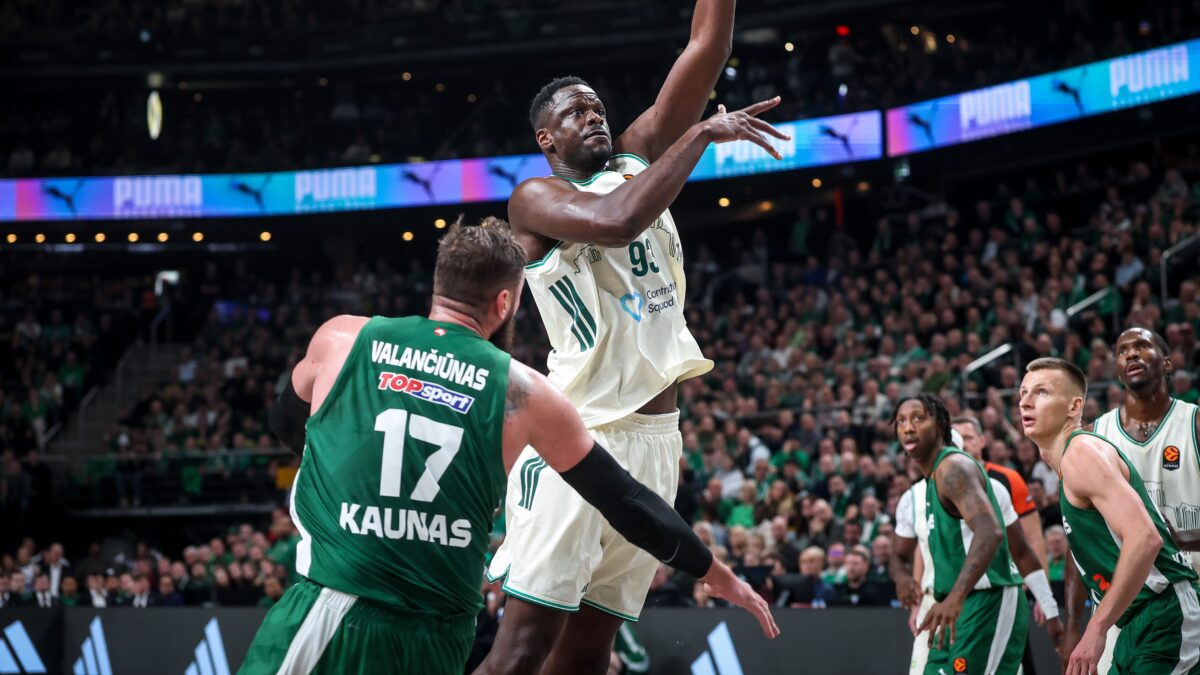
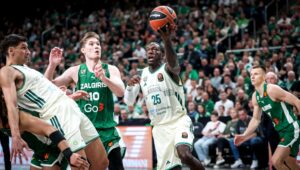
Nevertheless, there have already been two games this season in which he has demonstrated exactly what he can offer. The first came in Belgrade against Partizan on October 13, and the second in Kaunas against Žalgiris, where he returned to action after 19 days on the sidelines following the game against Anadolu Efes.
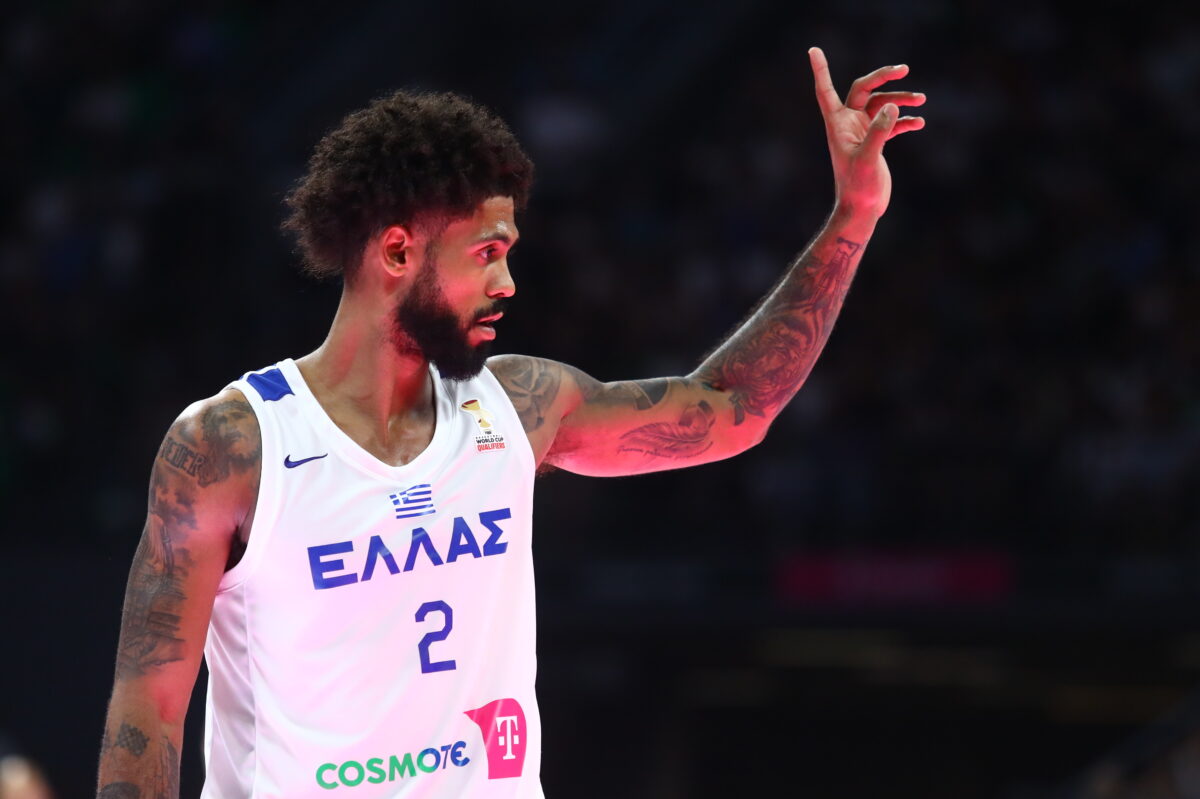
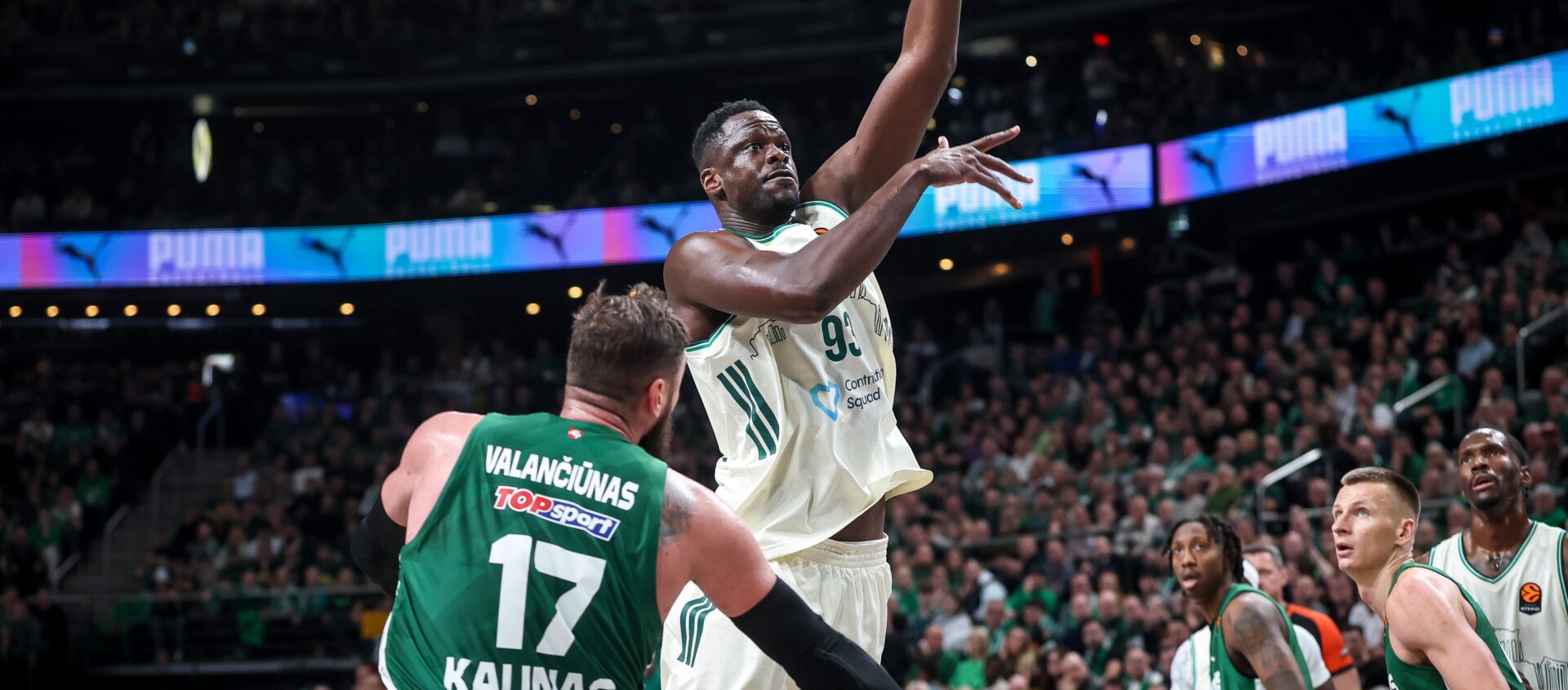
Obradović decided to include Fall in the starting five, and his decision paid off. The box score might not fully reflect his contribution — something that was also true of Juancho Hernangómez — but the French center made an immediate impact.
He produced a beautiful basket against Jonas Valančiūnas, using a pump fake and a spin move to get past the Lithuanian big man. He added another field goal and a free throw to finish with five points. Yet his contribution during his 15 minutes on the floor at Žalgirio Arena went far beyond his scoring.
Fall provided exactly the kind of defensive wall Panathinaikos needed in the paint to contain the mountain of a man that is Jonas Valančiūnas. Against big, physical, traditional centers like him, you need players with Fall’s size, strength, and defensive presence.
Of course, Mathias Lessort is also capable of handling such matchups. However, with three fouls already in the first half, his minutes had to be carefully managed. That was one of the main reasons Fall spent so much time on the court, despite still being some way from peak physical condition.
Against centers such as Walter Tavares, Jonas Valančiūnas, Nikola Milutinov, and Dario Šarić, Panathinaikos needs Fall. Not just a player like Fall. They need Fall himself.
And the fact that he continues to demonstrate his ability to cope with high-intensity basketball and withstand considerable physical contact is extremely encouraging.
It is no coincidence that Obradović has praised his character, a quality that also defines Fall’s approach on the court. He does not complain, lose motivation, or shy away from difficult situations. He steps onto the floor, embraces his role, and does exactly what his team needs.
And with a demanding stretch of the season ahead, that is precisely the kind of mentality and presence Panathinaikos needs more than ever.