











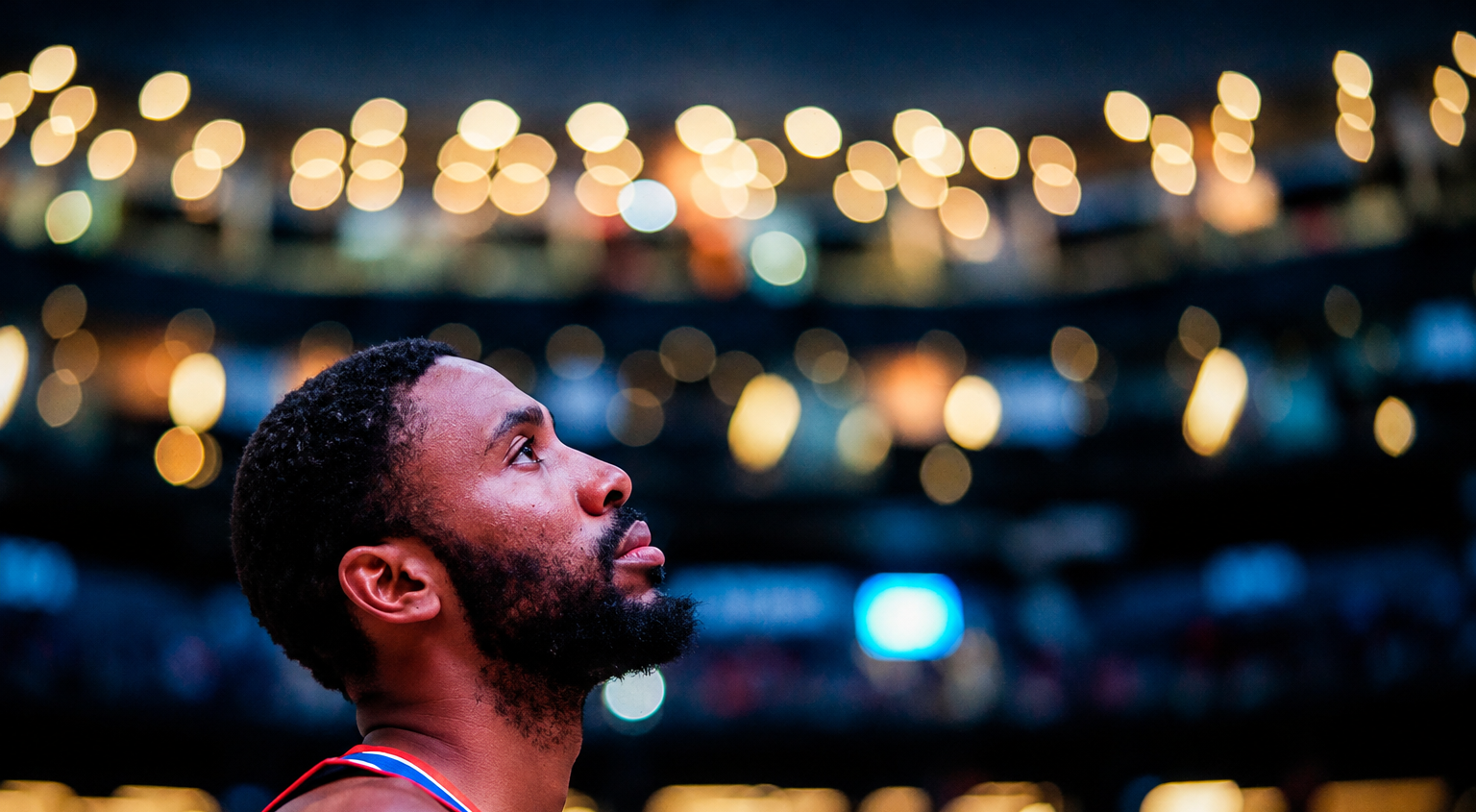

There are losses that never appear on a scoresheet. Pain that cannot be treated with physical therapy. Injuries that no MRI can detect. And battles with no opponents, no referees, and no one to blow the final whistle.


There are moments when you stand in front of thousands of spectators, surrounded by your teammates, yet somehow feel more alone than ever.
Mikal Bridges’ recent struggles, his decline in performance, and, most importantly, his admission that he needs to get his mind right, give us a reason to talk about something far bigger than basketball.
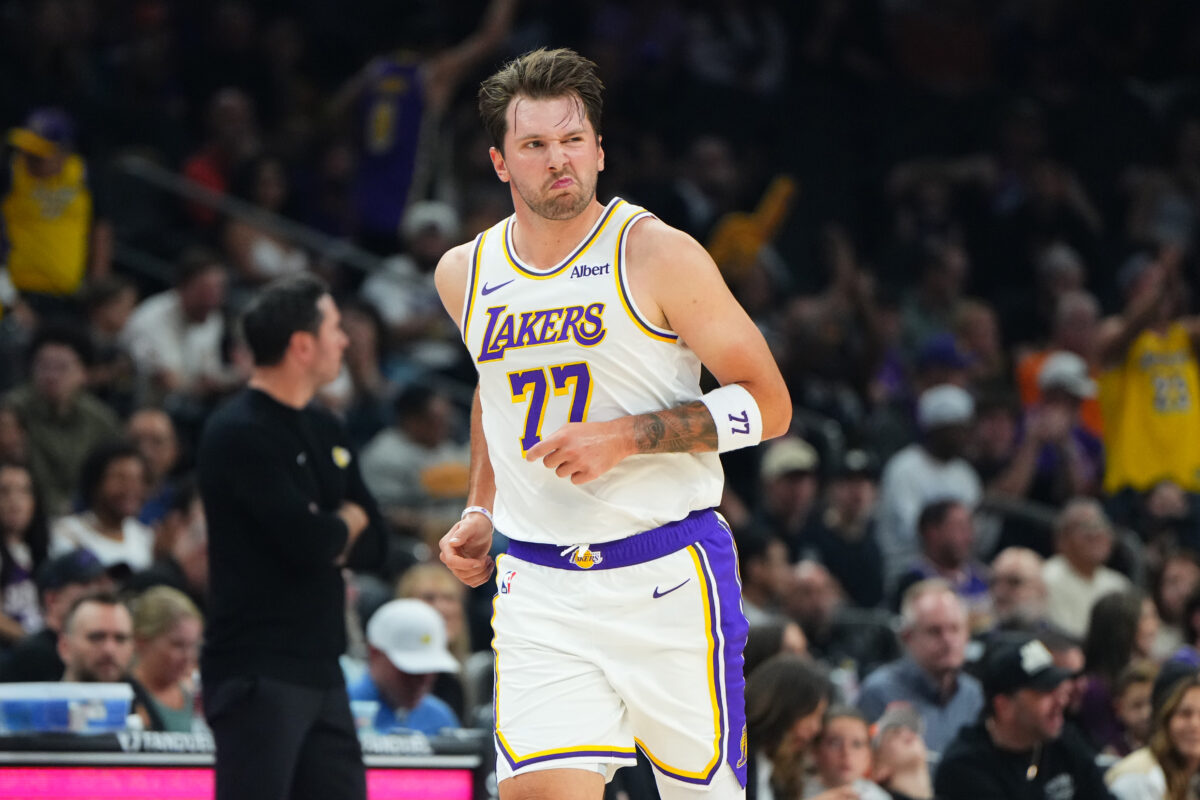
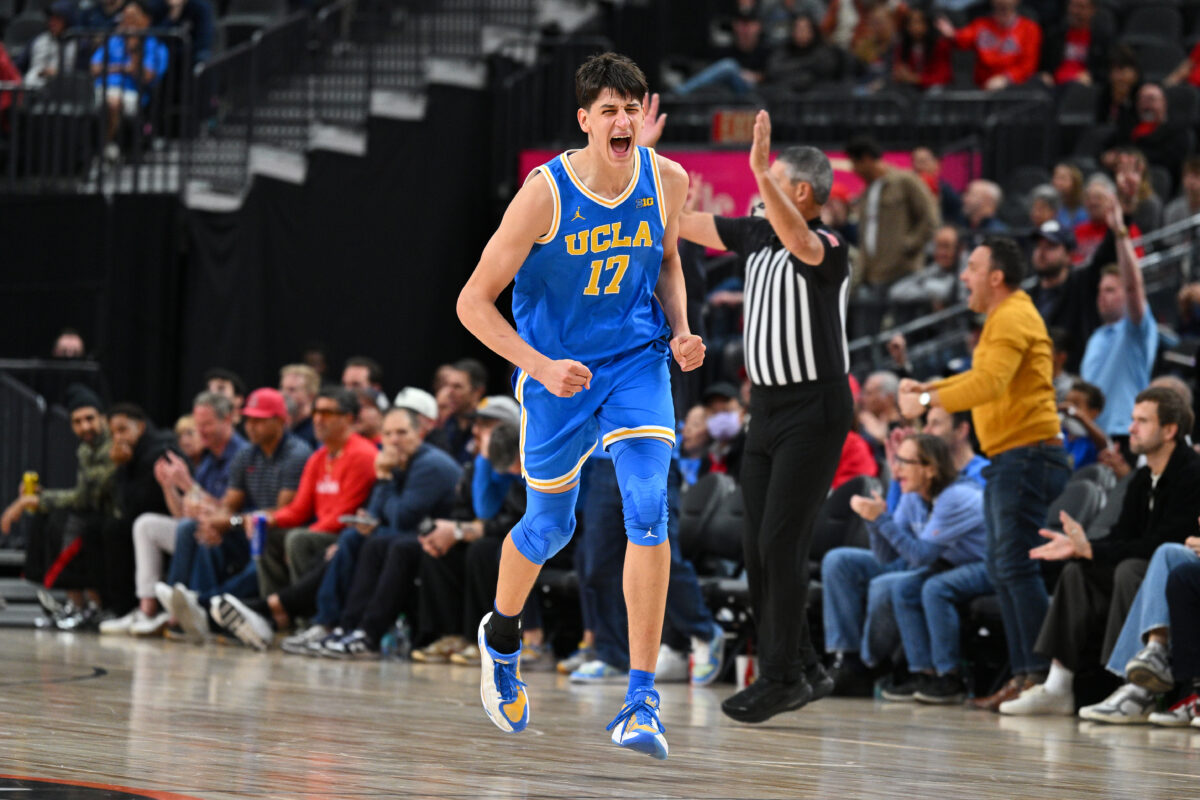
Mental health. Everything the cameras don’t capture. The human beings behind the jerseys. Because somewhere along the way, we’ve learned to treat athletes as if they’re made of something different from the rest of us.
We watch them compete in front of thousands of people. Sign multimillion-dollar contracts. Travel on private jets. Live a life that, to many, looks like a dream. And somehow, we’ve convinced ourselves that they have no right to be unhappy.
“With all that money he’s making, what could he possibly be struggling with?”
A sentence we hear far more often than we should. A sentence that reveals just how little we truly understand about the human side of professional sports. Because money can buy a lot of things. But peace of mind isn’t one of them.
It cannot stop a panic attack. It cannot erase insecurity. It cannot guarantee that when someone goes home at night, they’ll be at peace with themselves.
Every night, we watch the points, the rebounds, the assists. We count the turnovers, the missed shots, the wasted opportunities. But who counts the nights a player can’t sleep?
Who is there for him when he’s just trying to survive, desperately searching for a little light in his own darkness? When he’s been taught his entire life that being a man means being invincible. That he’s supposed to be unbreakable. That he isn’t allowed to fall apart, not by the world around him, and not even by himself.
Who sees the pressure he carries when he feels like he’s letting everyone down? Who knows what’s going through his mind when he misses the game-winning shot, knowing that within minutes, thousands of people will be calling him a failure?
And most importantly, who actually asks him if he’s okay?
If a player injures his knee, we give him time to recover. We understand his absence. We wait for him to come back. But what happens when he’s struggling mentally? We tell him to focus. To toughen up. To stop overthinking. To remember how much money he’s making.
As if the mind is the only part of the human body that isn’t allowed to get tired. And perhaps that’s the greatest contradiction in modern sports. We expect athletes to be superhuman, yet we forget that they’re still human.
That behind every jersey is someone who can be afraid. Someone who can doubt themselves. Someone who can feel like they’re not enough. Someone who might be going through a difficult time in their personal life. Someone who could be fighting battles we’ll never know about.
And we don’t need to know about them.
An athlete shouldn’t have to explain their darkest moments for us to respect the possibility that those moments exist.
Mikal Bridges isn’t the first to remind us that behind the bright lights of the NBA, there are battles we never see. Kevin Love opened up about his panic attacks. DeMar DeRozan spoke publicly about depression. Ricky Rubio stepped away from basketball to prioritize his mental health. And John Wall revealed that he had experienced suicidal thoughts.
Four different stories, one shared truth: Even those who seem unbeatable on the court can be fighting their toughest battles away from it.
Because real strength isn’t always about suffering in silence.
Sometimes, it’s about admitting that you can’t keep going like this. About looking your wounds straight in the eye instead of pretending they don’t exist, when deep down, they’ve been there all along.
Maybe the next time a player has a bad game, before we call him washed, overpaid, or accuse him of not trying hard enough, we should remember something simple.
We have no idea what he’s carrying with him when he steps onto that court. We don’t know what happened earlier that day. What goes through his mind when he lowers his head. What happens when the arena lights go out and the noise of the crowd fades away.
We see the athlete for 48 minutes. We don’t see the human being during the other hours of the day. And maybe that’s why we need to change the way we talk about them. Not because criticism should disappear. Criticism is part of sports. But because there’s an enormous difference between criticizing someone’s performance and tearing someone down as a person.
A player can seemingly have everything in the eyes of the world and still struggle to find peace within himself. He can lift trophies while carrying burdens nobody sees. He can win in front of millions of people while fighting his hardest personal battles far away from every camera.
And mental health is not a luxury. It’s not an excuse. It’s not a sign of weakness.
And maybe, deep down, we don’t want to acknowledge that other people are suffering because their pain might force us to confront our own wounds. Their struggles might trigger the trauma we’ve spent so long trying to bury.
But the truth is, just as we hurt, so do they.
A person who suffers in silence is a person who feels alone, no matter how many zeros are in their bank account.