




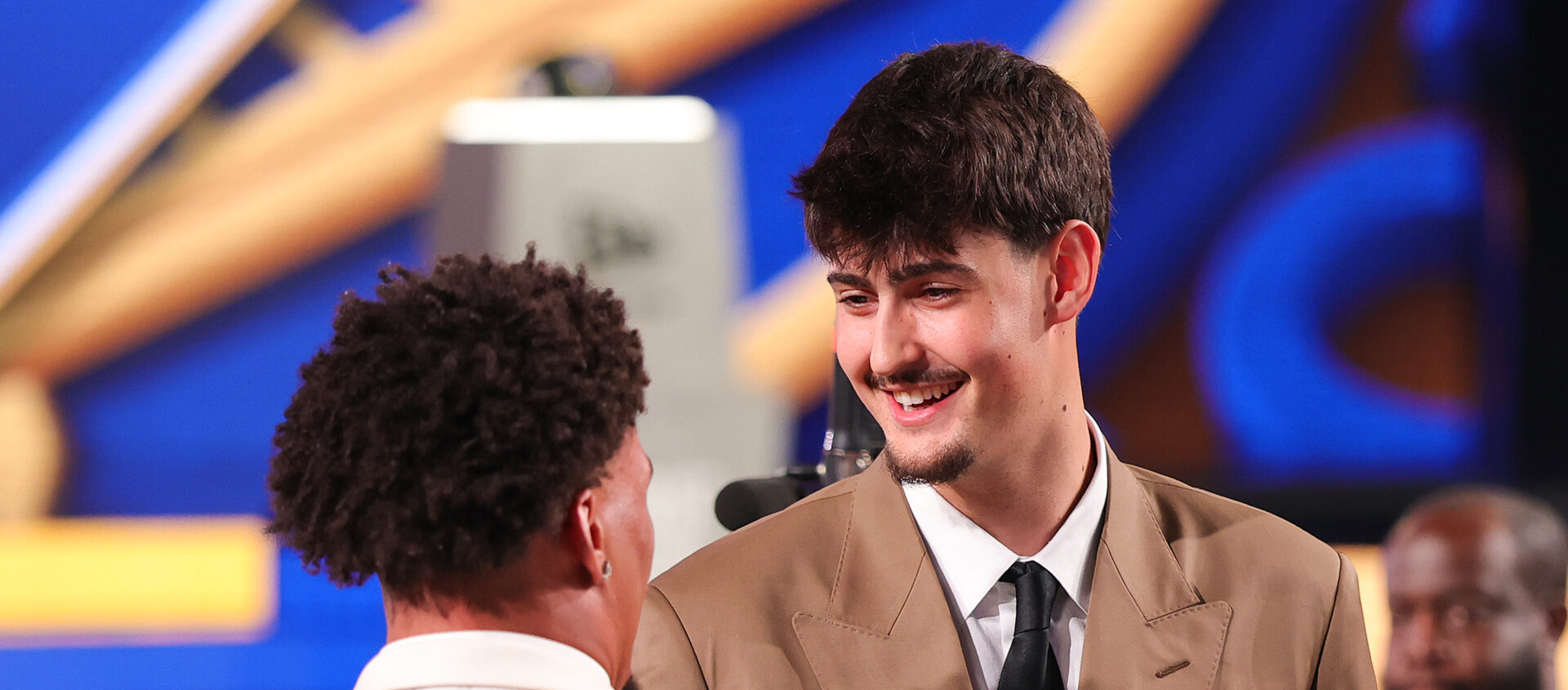

This year’s NBA Draft came with high expectations, and it mostly delivered. The class had real depth, along with several prospects whose long-term upside made the top of the board especially interesting. It also produced a small piece of history, because for the first time since 2012, all 10 of the top picks were American players.


Oklahoma City, Chicago, Golden State and San Antonio all came out of the first round looking like early winners, though for very different reasons. Some were drafting for a championship window that is already open. Others were trying to build a new core or make life easier for the star who already defines the franchise. There was also a broader question hanging over several of these decisions, one that is likely to shape the West for years: how do you prepare for Victor Wembanyama?
Washington, Utah and especially Memphis are the obvious choices. The Wizards landed AJ Dybantsa, the Jazz took Darryn Peterson and the Grizzlies selected Cameron Boozer. All three had a credible case to go first overall. There is not much mystery in calling those teams winners. The more interesting cases are the teams whose picks revealed something about how they see themselves.
Oklahoma drafted a center for the Wembanyama era
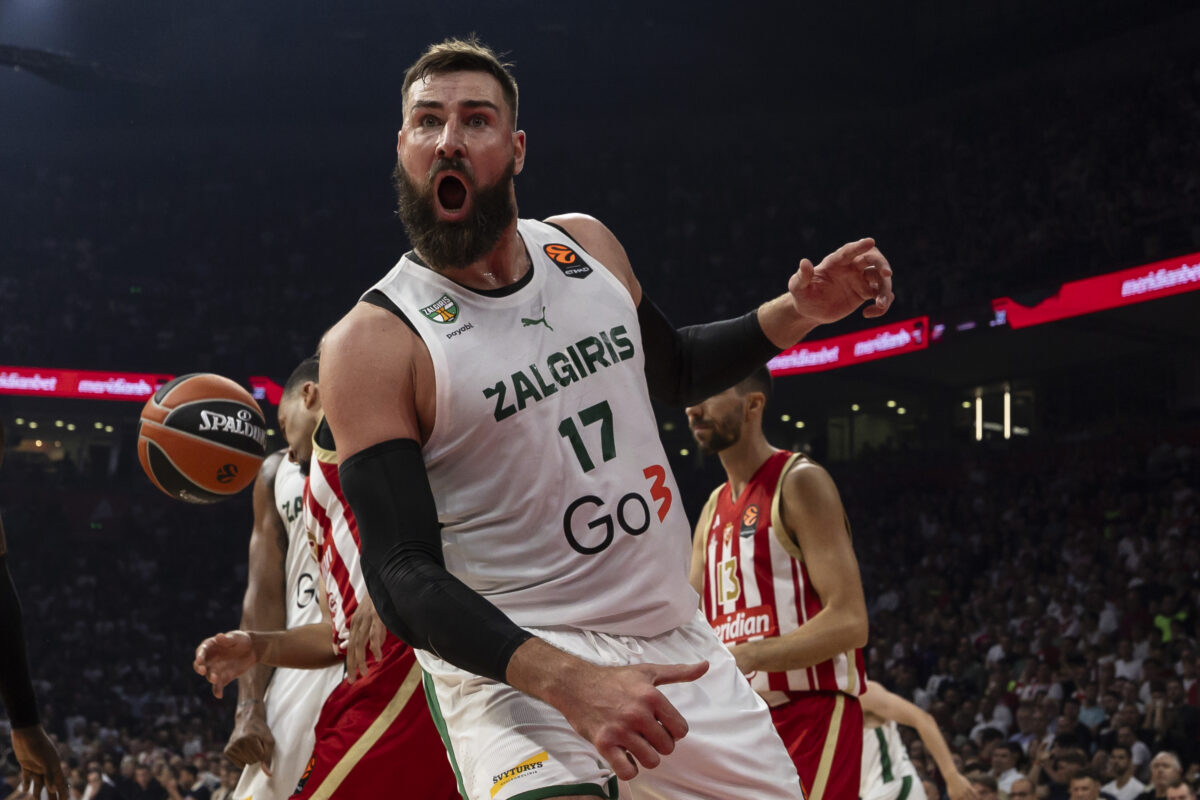
Aday Mara was not the most glamorous name in the class, but Oklahoma City found a center at No. 12 who makes sense for the direction of the Western Conference. At 7-foot-3, with exceptional length and a natural feel for protecting the rim, he offers more than simple frontcourt depth.
The Thunder do not need Mara to become a star. They already have players to carry the offense. His job can be much narrower, to protect the paint, set hard screens, finish around the basket and move the ball when defenses collapse. His passing touch is particularly useful for a player of his size, and it should allow him to fit into an offense that depends on quick reads rather than long post-ups.
Sooner or later, though, the discussion comes back to Wembanyama. No center can truly solve that matchup, but Mara is one of the few young big men who will not be giving away size before the possession even begins. He can make catches more difficult, take some of the contact and keep Chet Holmgren from having to handle every physical assignment.
Oklahoma City now has more options. Holmgren can take the more mobile assignment while Mara stays closer to the rim, giving the Thunder a way to protect both players from carrying the entire defensive burden. The Thunder can play two very tall big men together, change the look of its defense or keep a legitimate rim protector on the floor throughout the game. For a team already thinking beyond the regular season, that kind of flexibility matters.
Chicago has finally picked a direction
The Bulls’ draft came only a few days after the arrival of Nic Claxton. The move was not designed to dominate the headlines, but it fits the larger picture. Claxton gives Chicago mobility at center, rim protection and enough experience to provide some stability for a young group. His ability to defend in space should also take some pressure off Chicago’s young wings, who will not have to cover every mistake on the perimeter by themselves.
Caleb Wilson, selected fourth, is the central investment. He is explosive, long and talented enough to become one of the faces of the next Bulls team. His offensive game still needs work, but Chicago needed to take this kind of swing. For too long, the franchise made moves that helped around the edges without really changing where the team might eventually go.
Dailyn Swain is harder to project. He has the size and feel to create offense, although his shooting may determine whether he develops into a full-time starter. Even so, the choice fits with Wilson, Matas Buzelis and the rest of the young core. Chicago is clearly looking for length, athleticism and players who can handle more than one role.
That is the biggest change. The Bulls no longer seem interested in simply fixing the next season. They are trying to build a team with a different identity, and Claxton gives that process a little more structure.
Golden State cannot afford to wait
Stephen Curry, Draymond Green and Jimmy Butler set the clock for this version of the Warriors. Any prospect who needs three years before becoming useful may belong to a future that has little to do with the current team. That is why Yaxel Lendeborg made sense at No. 11, even with younger players and perhaps more upside still on the board.
Lendeborg is one of the more NBA-ready players in the class. He can defend several positions, rebound, pass and move without the ball. He also does not need an offense built around him to be effective. That should make him useful in smaller lineups, where he can switch across several positions, rebound against bigger players and keep the ball moving without interrupting the rhythm of the offense.
That matters in Golden State, where the best players see actions developing early and expect everyone else to understand the spacing. His basketball maturity may be more useful to the Warriors than another raw athlete with a longer development curve. They are trying to give Curry someone who can play real minutes next season, not someone who might be ready after the rest of the roster has moved on.
Lendeborg does not need to become a primary option. If he can guard wings, help on the glass, make the extra pass and hit open shots, he will give Steve Kerr another reliable piece in lineups that cannot carry many weak links.
San Antonio is trying to ease Wembanyama’s workload
The better Wembanyama gets, the more obvious San Antonio’s dependence on him becomes. When he goes to the bench, the Spurs lose their best player, but they also lose most of their rim protection, rebounding and defensive presence. Tarris Reed Jr. could help solve some of those problems.
Reed brings strength and a willingness to deal with the physical work inside. He can take backup center minutes, battle heavier big men and allow Wembanyama to spend some possessions away from the basket. More importantly, Reed and Quaintance give San Antonio other bodies to use against the league’s most physical centers, instead of asking Wembanyama to absorb that contact throughout the regular season.
That may not sound like a major tactical shift, but over the course of a season it can prevent Wemby from having to solve every frontcourt problem himself. Jayden Quaintance is the more ambitious part of the plan, and also the riskier one because of his medical history. Together, the two picks show that San Antonio valued depth and physical presence more than another player who would need the ball.
Reed’s role is straightforward. He is there to absorb some contact, rebound and handle possessions that would otherwise fall to Wembanyama. That kind of support rarely looks important on draft night, but it often becomes more valuable once the schedule gets crowded.
The Lakers Found the Kind of Player Dončić Needs
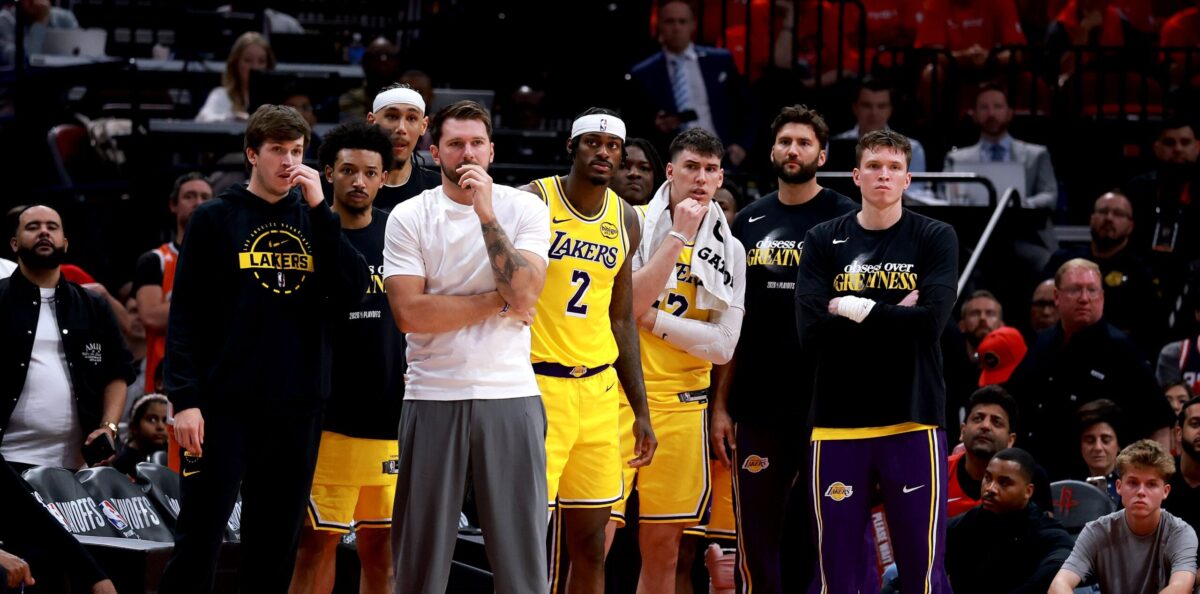
The Lakers also deserve an honorable mention. They acquired Cameron Carr, the 24th pick, in a trade with New York Knicks for the draft rights of Sergio de Larrea. Carr is a long, athletic wing with three-point range and the tools to defend several perimeter positions. It is an obvious fit next to Luka Dončić, who needs teammates capable of spacing the floor and taking difficult defensive assignments.
Carr still needs to get stronger and become more comfortable creating off the dribble. He should not need many touches to contribute, though. If he adjusts quickly to a smaller role, there is a realistic path for him to earn rotation minutes.
Oklahoma City drafted with the toughest long-term problem in the West in mind. Chicago finally committed to building something new. Golden State chose a player for the team it has now, while San Antonio tried to reduce the number of responsibilities Wembanyama carries every night. Carr, meanwhile, looks like the kind of complementary piece the Lakers have often lacked around Dončić.
The picks made sense on draft night. The real test begins next fall.