








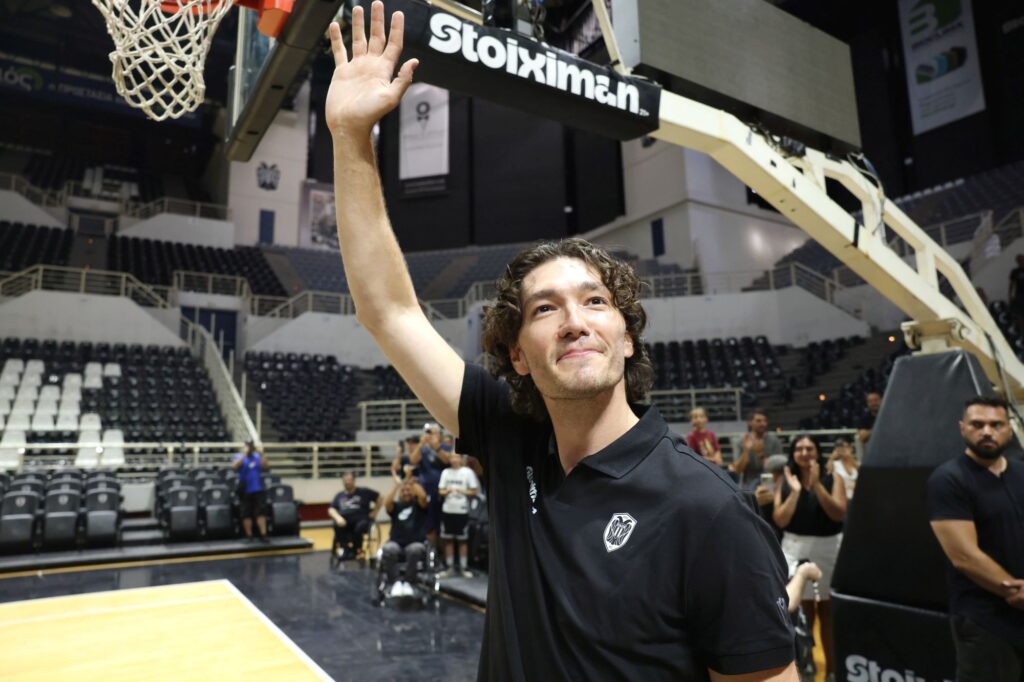
Cedi Osman’s move to PAOK is not simply the biggest financial transaction in the club’s history. Based on the figures that have been reported, it immediately enters the conversation about the largest contracts ever handed out in Europe by a club that, at the time of the agreement, was not competing in the EuroLeague.


The financial terms of the three-year agreement were not officially disclosed, but different reports converge on €9 million for the player, or approximately €3 million per season, while another €2 million was paid to Panathinaikos AKTOR Athens to release him from his contract. PAOK’s total expenditure on the transaction therefore reaches approximately €11 million.
The context makes the move even more remarkable. Osman is leaving Panathinaikos and the EuroLeague for a PAOK team that has joined the 2026-27 EuroCup. Regardless of the Thessaloniki club’s ambitions to eventually return to Europe’s premier competition for the first time since the 2001-02 season, it has become highly unusual in recent years for an important player under contract with a title-contending team to voluntarily choose to leave.
The true magnitude of the Osman-PAOK agreement becomes clearer when it is compared not with current EuroLeague salaries, but with some of the biggest financial statements ever made by clubs competing in the EuroCup, the former Saporta Cup, the EuroChallenge or elsewhere below Europe’s top tier.
Three million euros net per season for a EuroCup player sounds almost unprecedented. But that’s not the case.
European basketball history contains several periods in which wealthy clubs attempted to bypass the established sporting hierarchy with financial power. Italy in the late 1980s and early 1990s, Panathinaikos under the Giannakopoulos brothers, the Russian spending explosion of 2008, Virtus Bologna’s push to return to the elite and, more recently, Hapoel Tel Aviv are prime examples.
In some cases, the money involved was even greater.
What exactly are we comparing?
The criterion is straightforward: in the season for which the contract was signed, the club could not be participating in Europe’s premier competition.
That means clubs competing in the Cup Winners’ Cup, Korac Cup, Saporta Cup, EuroCup or EuroChallenge qualify, as do teams without European competition altogether. Clubs playing in the European Champions Cup/FIBA European League or the modern EuroLeague during the relevant season do not.
The present-day figures mentioned below are simply approximate measures of purchasing power, rather than financial valuations of the contracts themselves.
Roma started it all: Danny Ferry, 1989
Before Khimki, Virtus Bologna and the modern era of clubs operating with enormous budgets, there was Il Messaggero Roma.
In 1989, Danny Ferry had just been selected with the No. 2 pick in the NBA Draft. The Los Angeles Clippers expected him to become a cornerstone of their future. Instead, he went to Rome.
Initial reports in the United States mentioned at least $1 million, but the Washington Post later reported that Il Messaggero paid him $2 million for the season. In present-day purchasing power, that is approximately €4.5 million.
There is another important distinction: Ferry was not an ageing NBA veteran searching for one final lucrative contract. He was 22 years old and, theoretically, could have found a place on almost any NBA roster.
Brian Shaw – Roma, 1989
During the same period, Roma also signed Brian Shaw from the Boston Celtics.
His agent, Leonard Armato, confirmed to UPI that the deal was worth almost $2 million over two years, while allowing Shaw the possibility of returning to the NBA.
That translated into an average of roughly $1 million per season, worth more than €2.2 million in today’s purchasing power.
The importance of the Ferry and Shaw moves went beyond the raw figures. They demonstrated that a European club outside the continent’s premier competition could financially compete with the NBA for players who were still at the beginning of their careers.
Dino Radja – Roma, 1990
One summer later, Roma raised the stakes dramatically.
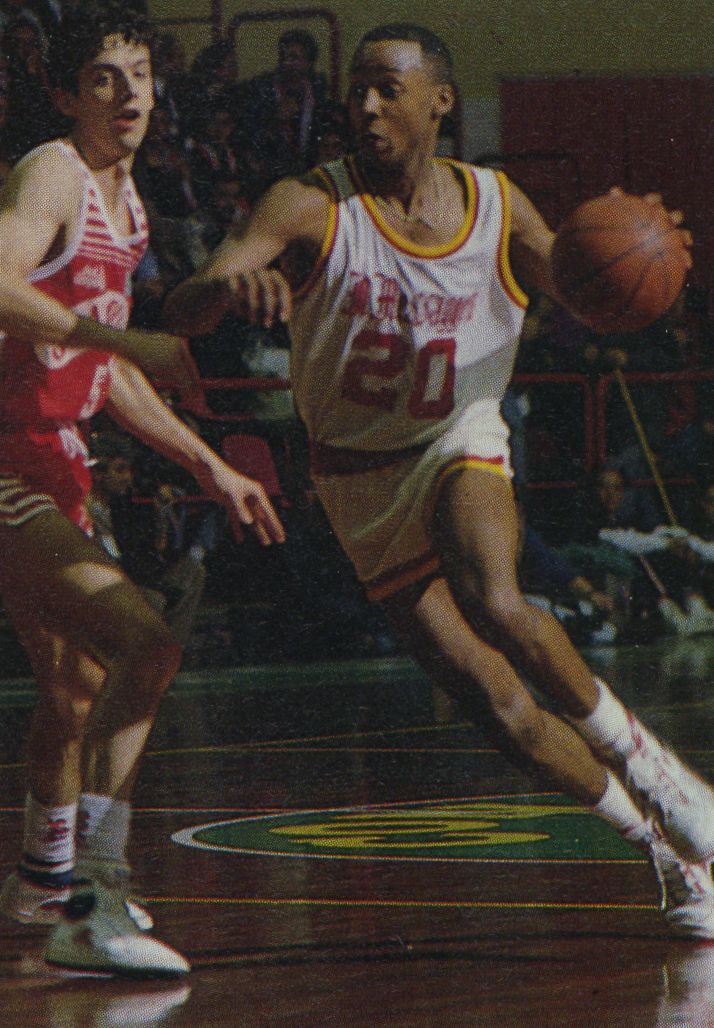
Dino Radja appeared destined for the Boston Celtics, but the Italian club presented him with a financial package capable of changing his plans.
Historical accounts place the agreement at between $15 million and $18 million over five years, while his annual salary was also reported at 3.6 billion Italian lire.
In many respects, Roma was doing in the early 1990s what Khimki would do almost two decades later: using financial muscle to attract players who, under normal circumstances, would have been playing either in Europe’s premier competition or in the NBA.
Rick Mahorn – Roma, 1991
Roma did not stop with Radja.
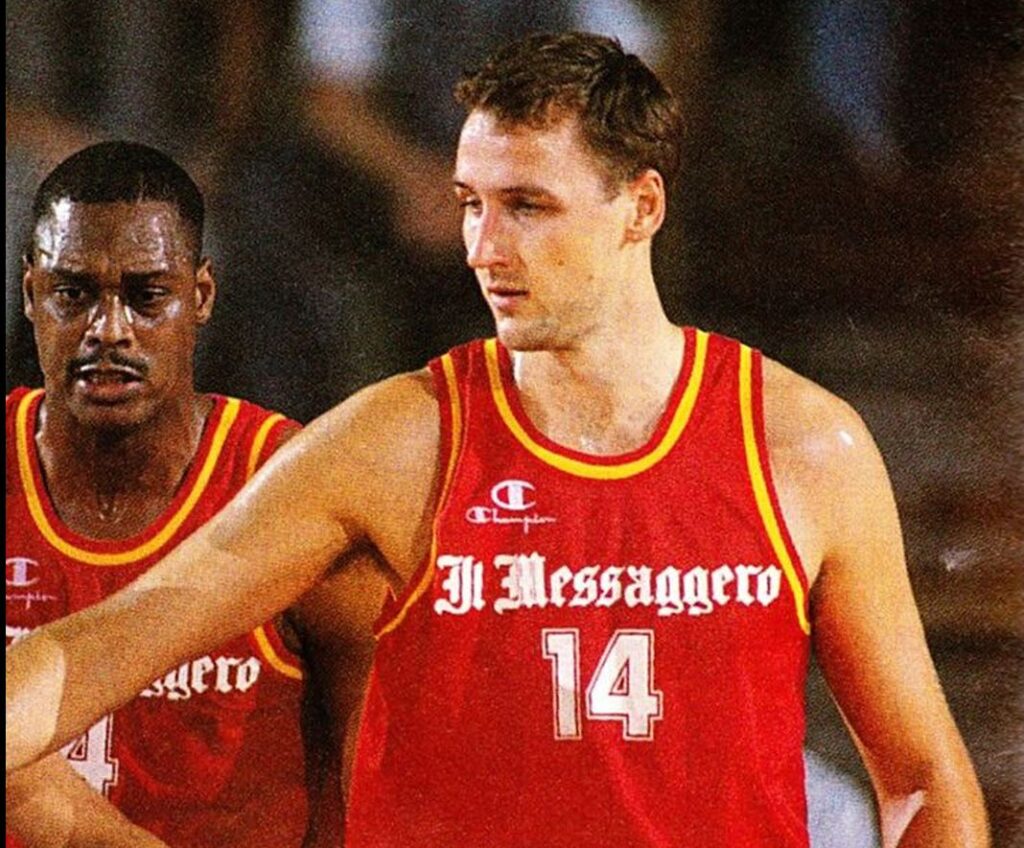
Rick Mahorn, an NBA champion with the Detroit Pistons in 1989, also moved to the Italian capital. Contemporary reporting that was later republished put his salary at approximately $2 million for one season.
The package reportedly went beyond salary, including accommodation, a car, furniture and paid household bills.
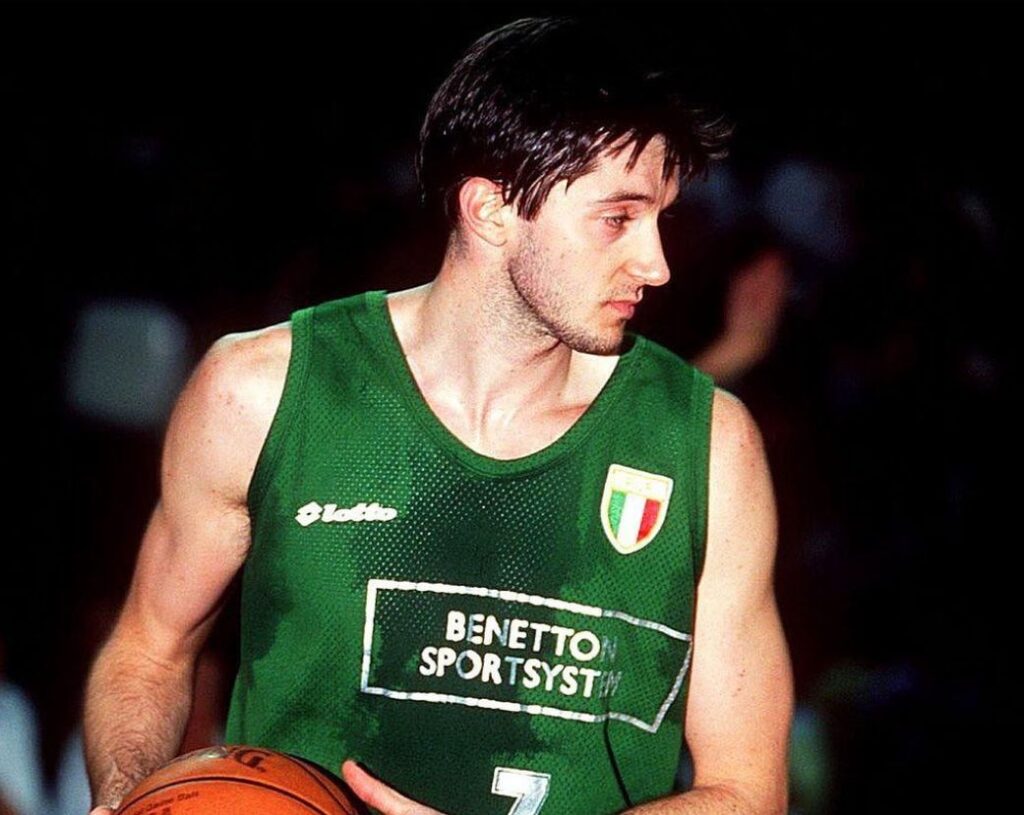
Toni Kukoc – Benetton Treviso, 1991
Taking the era into consideration, Toni Kukoc’s agreement may be the most extraordinary contract on the entire list.
The Croatian star had just dominated European basketball with Jugoplastika, winning three consecutive European Champions Cups, while the Chicago Bulls had already acquired his NBA rights.
Yet Benetton Treviso persuaded him to remain in Europe.
The Los Angeles Times reported that, according to reports in Italy, Kukoc had signed a five-year, $16.6 million contract. The Bulls had even been told that its actual duration might have been six years. For the purposes of comparison, however, the safest benchmark is the reported $16.6 million over five years.
That works out at approximately $3.32 million per season, or around €6.8-7 million per year in today’s purchasing power, while the full five-year package would amount to more than €30 million in today’s money.
Perhaps the most remarkable detail of all was that Benetton was not competing in Europe at all at the time.
Kukoc did not ultimately see out the agreement. Two years later, he moved to Chicago and began the second great chapter of his career.
Nikos Galis – Panathinaikos, 1992
The summer of 1992 produced the Greek transfer that changed the landscape.
Nikos Galis ended his legendary spell with Aris and joined the Panathinaikos of Pavlos and Thanasis Giannakopoulos.
The agreement has been reported as a three-year contract worth a total of one billion Greek drachmas.
The 1992-93 season remains the last one to date in which Panathinaikos did not compete in Europe — not even in the Korac Cup, where Greece was represented by AEK, Panionios and Iraklis.
Dividing the one billion drachmas evenly across the three seasons produces an average of 333.3 million drachmas per year. The actual payment structure was not necessarily identical in each season, so that figure is used strictly to establish a common basis for comparison.
For Greece in 1992 — and for a Panathinaikos team without any European basketball — it was a financial earthquake.
Dino Radja – Panathinaikos, 1997: Europe’s highest-paid player
Five years later, the Giannakopoulos brothers made another move belonging in the same historical category.
Panathinaikos had conquered Europe’s premier competition in 1996, but the disappointing season that followed sent the Greens into the Saporta Cup for 1997-98.
Against that backdrop, they signed Dino Radja from the Boston Celtics. On September 23, 1997, TA NEA reported that the Croatian had agreed to a salary of 800 million drachmas.
That report is especially valuable because it provides a snapshot of the entire European market at the time. Predrag Danilovic was earning $2.6 million annually at Kinder Bologna, Dominique Wilkins more than $2 million at Fortitudo and David Rivers around $1.5 million.
Radja was above them all.
His salary was worth close to $2.9 million at the time. Adjusted for present-day purchasing power, that means more than €5 million per season.
In other words, Radja was literally one of — if not the — highest-paid basketball players in Europe while Panathinaikos was competing in FIBA’s second-tier competition.
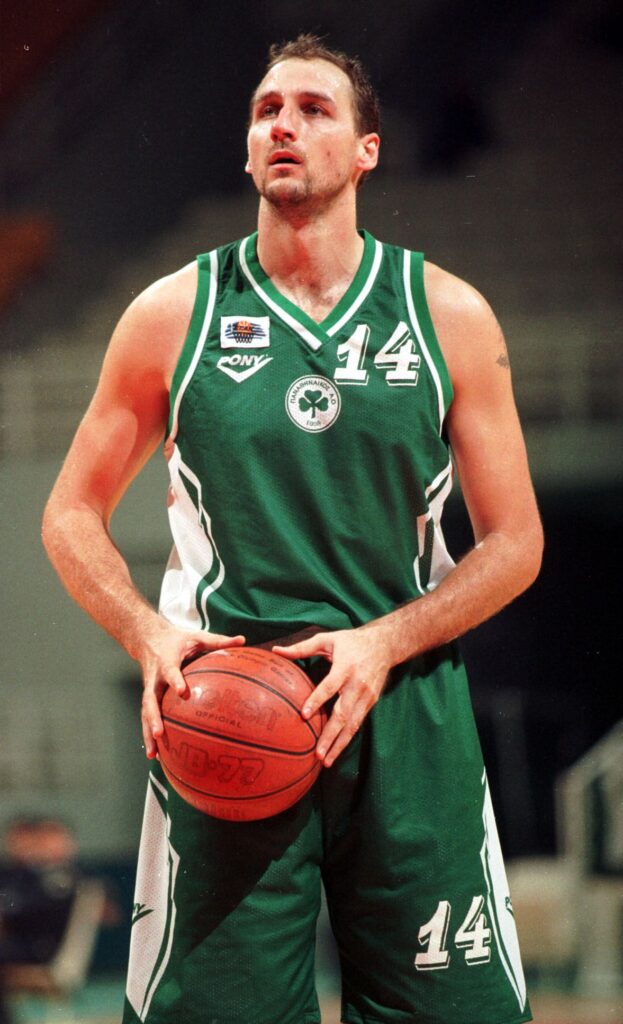
Byron Scott – Panathinaikos, 1997
The same roster also featured Byron Scott.
TA NEA placed his annual salary at 380 million drachmas.
The Los Angeles Times offered a somewhat different picture of the overall structure of the agreement: a two-year deal potentially worth approximately $3 million, with an option to leave after the first season.
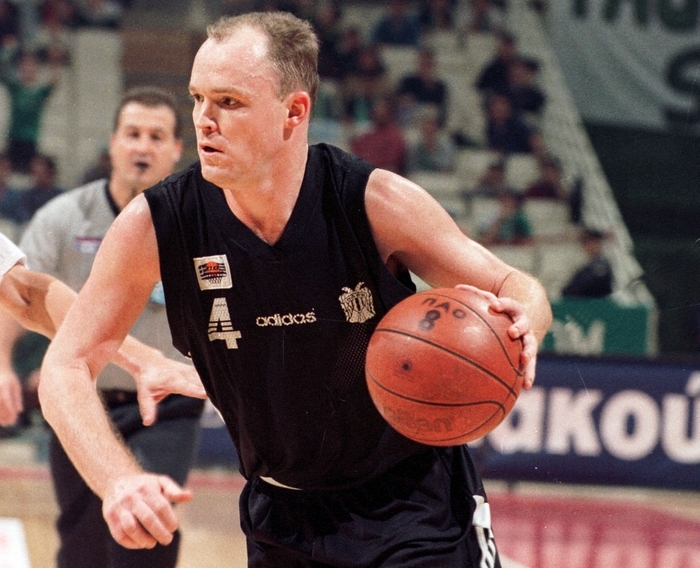
Scott Skiles – PAOK, 1996
One of the most striking moves in 1990s Greek basketball was Scott Skiles joining PAOK in the summer of 1996.
The 32-year-old American guard arrived in Thessaloniki after ten NBA seasons and more than 600 games, while holding — as he still does today — the NBA single-game record of 30 assists.
PAOK would compete in the Korac Cup rather than Europe’s premier competition that season, yet handed Skiles one of the biggest contracts in Greek basketball at the time. His salary has been reported at approximately 400 million drachmas for one season, an amount approaching €2.5 million in today’s purchasing power.
His PAOK story became even more unusual. An injury restricted his playing career and, following Michel Gomez’s departure, Skiles effectively assumed the role of player-coach, eventually leading PAOK to third place in the Greek championship.
2008: When the market went crazy
No other year produced as many examples as 2008.
A powerful euro, Russian investment and major differences in taxation allowed clubs outside the EuroLeague to offer NBA players net contracts that several American teams found extremely difficult to match.
Carlos Delfino – Khimki
Perhaps the most extreme contract of the modern era was Carlos Delfino’s deal with Khimki, which was set to compete in the EuroCup in 2008-09.
According to La Nacion, the Argentine was due to receive $5.168 million net per season, tax-free, along with a car and accommodation.
At the average 2008 exchange rate, that represented approximately €3.5 million net per year.
The agreement was structured over three years but included the possibility of leaving after each season. Therefore, the roughly $15.5 million nominal value cannot be considered a fully guaranteed three-year amount.
On annual salary alone, however, Delfino tops this particular ranking. Adjusted for today’s purchasing power, his $5.168 million salary from 2008 is worth approximately €6.7 million per season.
Bostjan Nachbar – Dynamo Moscow
ESPN confirmed the terms of Bostjan Nachbar’s agreement very clearly: €9 million over three years.
That meant €3 million per season — exactly the same annual figure Osman is set to earn at PAOK.
The agreement included an NBA buyout clause and Nachbar ultimately did not complete the contract. Nevertheless, its original contractual value was indeed €9 million.
Nenad Krstic – Triumph Lyubertsy
Considering the stature of the club involved, this might be the most remarkable case of them all.
Nenad Krstic left the New Jersey Nets for Triumph Lyubertsy. His agent, Marc Cornstein, told ESPN that Krstic would earn €3 million net per season for two years — €6 million net in total.
ESPN even noted that, because of the exchange rate and the fact that taxes were covered in Europe, Krstic would have needed a salary of approximately $9 million gross in the NBA to generate comparable take-home income.
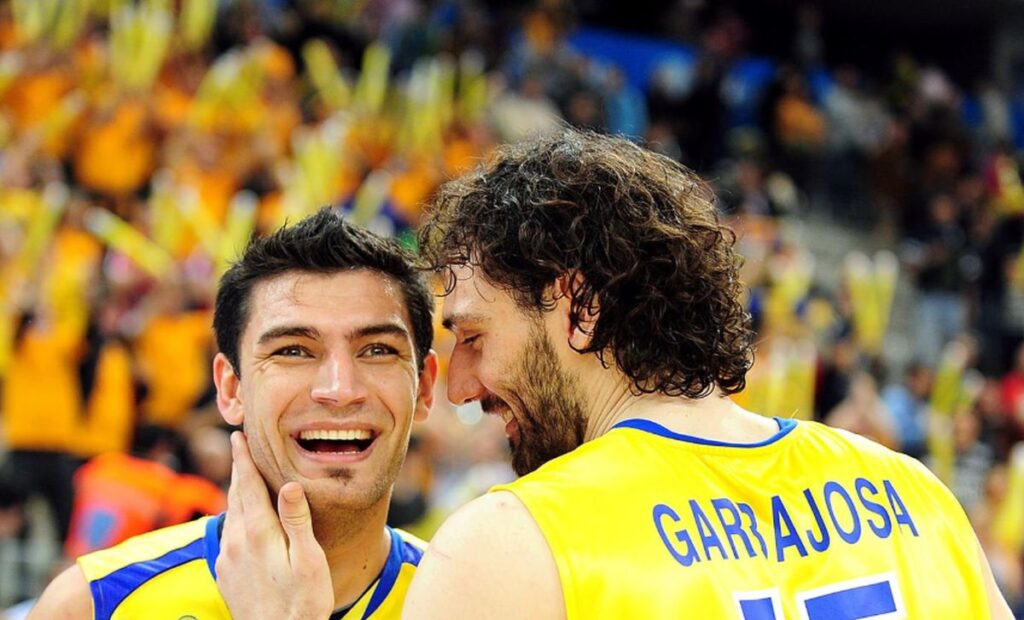
Jorge Garbajosa – Khimki
That same year, Khimki also signed Jorge Garbajosa.
His agreement has been reported at €6 million net over two years, or €3 million per season.
Once again, exactly the same annual level as Osman’s current PAOK contract.
Jannero Pargo – Dynamo Moscow
ESPN documented another huge one-year agreement.
Jannero Pargo, who later played for Olympiacos during that same 2008-09 season, initially signed with Dynamo Moscow for $3.5 million net.
At the 2008 exchange rate, that represented approximately €2.4 million net.
Earl Boykins – Virtus Bologna
Nor were the Russians alone.
Earl Boykins also left the NBA and joined Virtus Bologna for $3.5 million for one season.
The contract made him the highest-paid player in the Italian league that year. Virtus was not playing in the EuroLeague, but in the EuroChallenge — a competition it ultimately won.
At the time, $3.5 million translated into approximately €2.4 million.
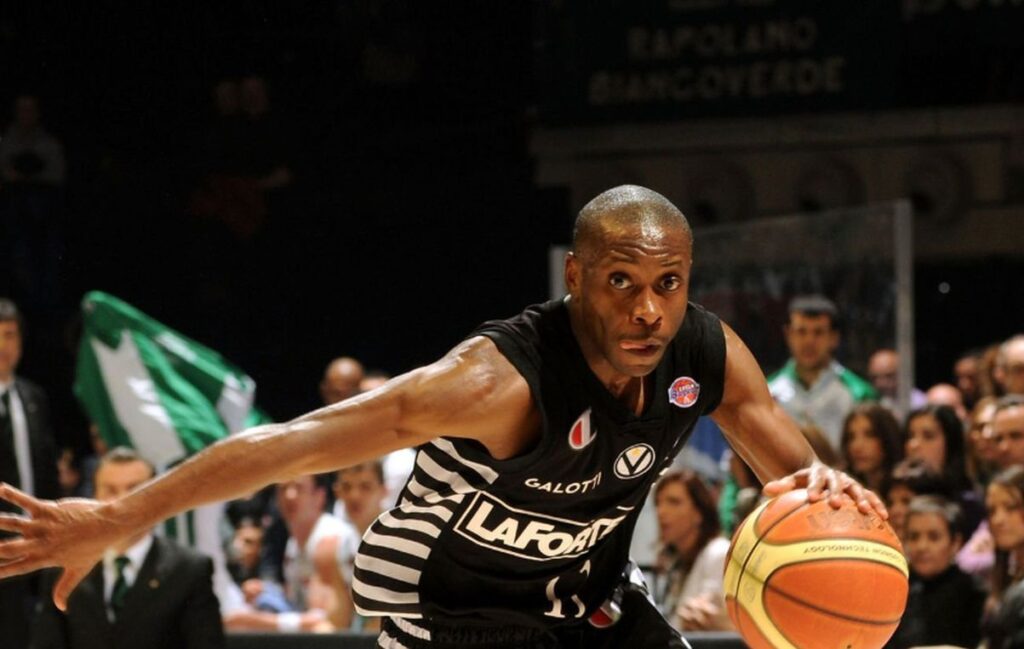
Allen Iverson – Besiktas, 2010
Two years after the Russian spending explosion, Besiktas completed perhaps the most spectacular marketing coup of the era.
Allen Iverson, an NBA MVP, 11-time All-Star and one of the most recognizable players of his generation, signed in Turkey.
ESPN reported a two-year agreement with a nominal value of $4 million. That produced an average of $2 million per season, approximately €1.5 million at the exchange rate of the time.
There were differences between guaranteed salary and bonuses, meaning the $4 million should be treated as the deal’s nominal overall value rather than an amount Iverson necessarily collected in full.
In today’s purchasing power, $2 million in 2010 equates to approximately €2.55 million per season.
Deron Williams – The lockout exception
In 2011, Besiktas managed something even more spectacular.
Deron Williams, then one of the NBA’s elite point guards, agreed to a $5 million contract, a figure confirmed by ESPN.
But he should not be included in the regular ranking.
This was a deal specifically structured around the NBA lockout. Williams could immediately return to the Nets once the work stoppage ended and, ultimately, did not receive the nominal $5 million he would have earned over a complete season.
Tyrese Rice – Khimki, 2014
Few cases better illustrate a player leaving Europe’s premier competition for the financial power and sporting project of a EuroCup club than Tyrese Rice.
In the summer of 2014, Rice had just led Maccabi Tel Aviv to the EuroLeague championship and been named Final Four MVP.
Yet rather than remain with the European champions or move to another EuroLeague powerhouse, he chose Khimki.
Spanish newspaper AS put his salary at approximately €2.5 million per season. Given the three-year agreement, its nominal total value was around €7.5 million.
Khimki won the EuroCup that season, allowing Rice to add another major European trophy to his resume.
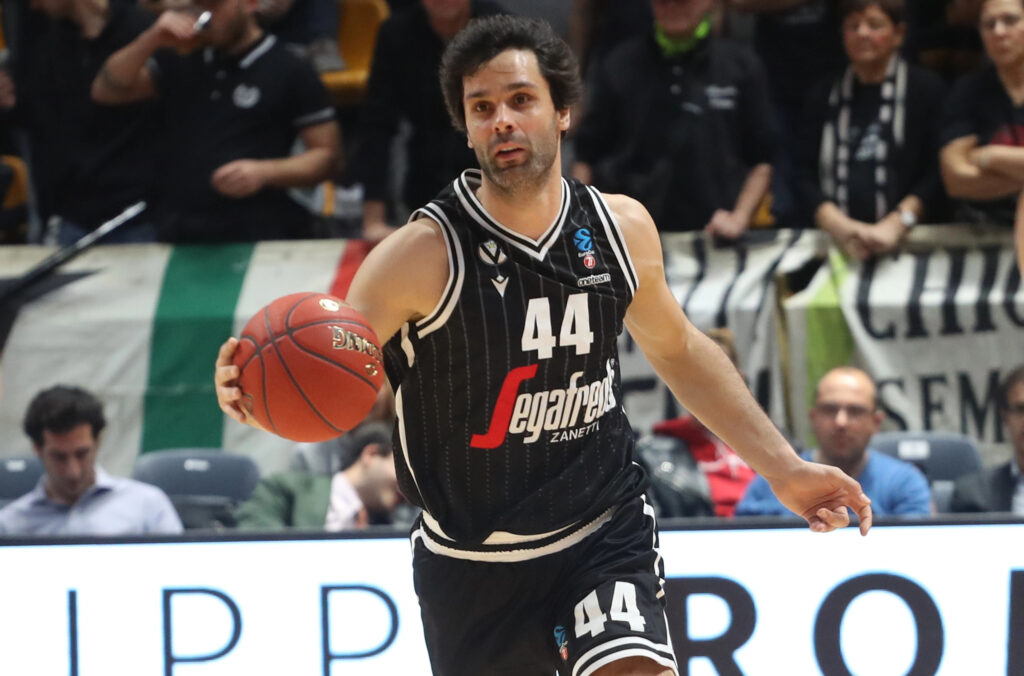
Milos Teodosic – Virtus Bologna, 2019
In 2019, Virtus Bologna decided to sign a former EuroLeague superstar before it had even returned to the competition.
Milos Teodosic left the Los Angeles Clippers for Virtus, despite the Italian club competing in the EuroCup.
Initial reports valued the agreement as high as €6-6.5 million, but Virtus CEO Luca Baraldi later provided a considerably more precise figure:
“A little more than five million in salaries over three years,” he said, plus a relatively small bonus if Virtus reached the EuroLeague.
That puts his basic annual salary at approximately €1.7 million, although the total amount Teodosic ultimately earned during his three-year stay was undoubtedly higher than the figure disclosed by Baraldi.
Marco Belinelli – Virtus Bologna, 2020
One year later, Virtus brought another major NBA name back to Italy.
Marco Belinelli returned after 13 seasons in the United States and signed a three-year agreement with the Bologna club.
The deal has been reported at €5 million over three years, or approximately €1.67 million per season.
Virtus was still competing in the EuroCup. It would eventually win the competition in 2022 and return to the EuroLeague.
Patrick Beverley – Hapoel Tel Aviv, 2024
The most recent club to embrace this strategy before PAOK was Hapoel Tel Aviv, then competing in the Israeli league and EuroCup.
In 2024, Patrick Beverley left the NBA after more than a decade and returned to Europe.
Israel Hayom put his basic salary at approximately $2 million for the season, with another $1 million potentially available in bonuses if Hapoel won the EuroCup and qualified for the EuroLeague.
The base figure represented approximately €1.85 million.
And what about Drazen Petrovic?
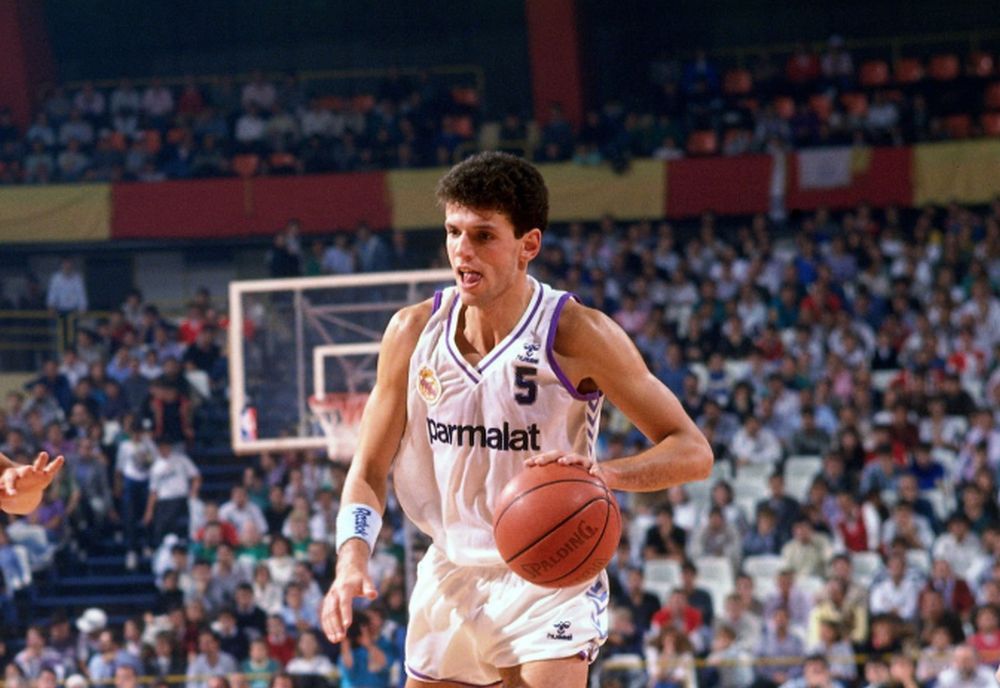
Drazen Petrovic’s case requires more caution.
In 1988, he left Cibona for Real Madrid, which was not competing in the European Champions Cup that season but in the Cup Winners’ Cup.
His agreement has been reported at approximately $4 million net in total. The crucial distinction is that this was not an annual salary, but a multi-year contract. Based on the reported duration, a practical average for comparative purposes is approximately $1 million per contracted season.
That is why Petrovic ranks below players such as Beverley, Belinelli, Teodosic and Rice in annual salary terms.
The transaction itself, of course, was enormous. Petrovic stayed for only one season, and Real Madrid received a substantial buyout when he left for Portland. The NBA has reported that buying him out of his Spanish contract cost as much as $1.5 million.
So, where does Cedi Osman rank?
Cedi Osman is not the highest-paid player in European basketball history among those signing for clubs outside the EuroLeague, at least in terms of annual salary.
The best-documented Carlos Delfino figure at Khimki works out at approximately €3.5 million net per season using the 2008 exchange rate.
Osman, however, comes immediately behind him.
His €3 million net annual salary puts him in the same bracket as Bostjan Nachbar, Nenad Krstic and Jorge Garbajosa in 2008.
There is one major difference: €3 million in 2008 was worth considerably more than €3 million today. Adjusted for inflation, the annual salaries of Nachbar and Krstic would be worth approximately €4.3-4.4 million today.
Go further back and the gap becomes even more striking. Toni Kukoc’s $3.32 million annual salary in 1991 translates to approximately €6.8-7 million today, while Dino Radja’s roughly $3 million annual salary at Roma in 1990 would exceed €6 million in present-day terms.
Still, the buyout changes the scale of the Osman transaction. PAOK is not merely committing €9 million in salary. It is also paying Panathinaikos another €2 million, pushing the immediate overall cost of the move to €11 million — a level of investment no non-EuroLeague club has committed to a player in many years.
The historical ranking of the biggest non-EuroLeague contracts
The ranking below is based on approximate annual salary in euros — or the euro-equivalent currency value — at the time each agreement was signed. Where relevant, NBA-outs, buyouts and other contractual provisions are noted.
| # | Player | Team | Year | Competition/status | Total contract | Annual salary in euros at the time | Buyout / note |
|---|---|---|---|---|---|---|---|
| 1 | Carlos Delfino | Khimki | 2008 | EuroCup | Three-year framework, ~$15.5M* | ≈€3.53M | Annual NBA-out, plus car/housing |
| 2= | Bostjan Nachbar | Dynamo Moscow | 2008 | EuroCup | €9M / 3 years | €3.00M | NBA-out |
| 2= | Nenad Krstic | Triumph Lyubertsy | 2008 | Outside EuroLeague | €6M / 2 years | €3.00M net | NBA-out |
| 2= | Jorge Garbajosa | Khimki | 2008 | EuroCup | €6M / 2 years | €3.00M net | Arrived from Toronto Raptors |
| 2= | Cedi Osman | PAOK | 2026 | EuroCup | €9M / 3 years | €3.00M net | + €2M buyout to Panathinaikos |
| 6 | Toni Kukoc | Benetton Treviso | 1991 | No European competition | $16.6M / 5 years | ≈€2.7M | Did not complete deal |
| 7 | Dino Radja | Panathinaikos | 1997 | Saporta Cup | 800M+ drachmas per season | ≈€2.59M | Stayed two seasons |
| 8 | Tyrese Rice | Khimki | 2014 | EuroCup | ≈€7.5M / 3 years | ≈€2.50M | Reported ≈$350K clause to Maccabi |
| 9= | Jannero Pargo | Dynamo Moscow | 2008 | EuroCup | $3.5M / 1 year | ≈€2.39M net | — |
| 9= | Earl Boykins | Virtus Bologna | 2008 | EuroChallenge | $3.5M / 1 year | ≈€2.39M | — |
| 11 | Dino Radja | Il Messaggero Roma | 1990 | Outside top competition | $15-18M / 5 years | ≈€2.3-2.4M | 3.6 billion lire/year |
| 12 | Patrick Beverley | Hapoel Tel Aviv | 2024 | EuroCup | ≈$2M base / 1 year | ≈€1.85M | Up to $1M in bonuses |
| 13 | Danny Ferry | Il Messaggero Roma | 1989 | Outside top competition | ≈$2M / 1 year | ≈€1.8M | No. 2 NBA Draft pick |
| 14 | Milos Teodosic | Virtus Bologna | 2019 | EuroCup | >€5M / 3 years | ≈€1.70M+ | EuroLeague bonus |
| 15 | Marco Belinelli | Virtus Bologna | 2020 | EuroCup | ≈€5M / 3 years | ≈€1.67M | — |
| 16 | Rick Mahorn | Il Messaggero Roma | 1991 | Korac Cup | ≈$2M / 1 year | ≈€1.6M | Housing, car and other benefits |
| 17 | Allen Iverson | Besiktas | 2010 | EuroCup | $4M / 2 years nominally | ≈€1.5M | Part of package tied to bonuses |
| 18 | Johnathan Motley | Hapoel Tel Aviv | 2024 | EuroCup | $3M / 2 years | ≈€1.38M | — |
| 19 | Nikos Galis | Panathinaikos | 1992 | No European competition | 1B drachmas / 3 years | ≈€1.35M* | Three-year average |
| 20 | Scott Skiles | PAOK | 1996 | Korac Cup | 400M drachmas / 1 year | ≈€1.30M | — |
* Delfino’s three-year figure represents the nominal framework of a contract that contained annual exit provisions. Galis’ annual figure is a mathematical average of the reported one-billion-drachma three-year package, not confirmation that the contract was distributed equally across all three seasons.