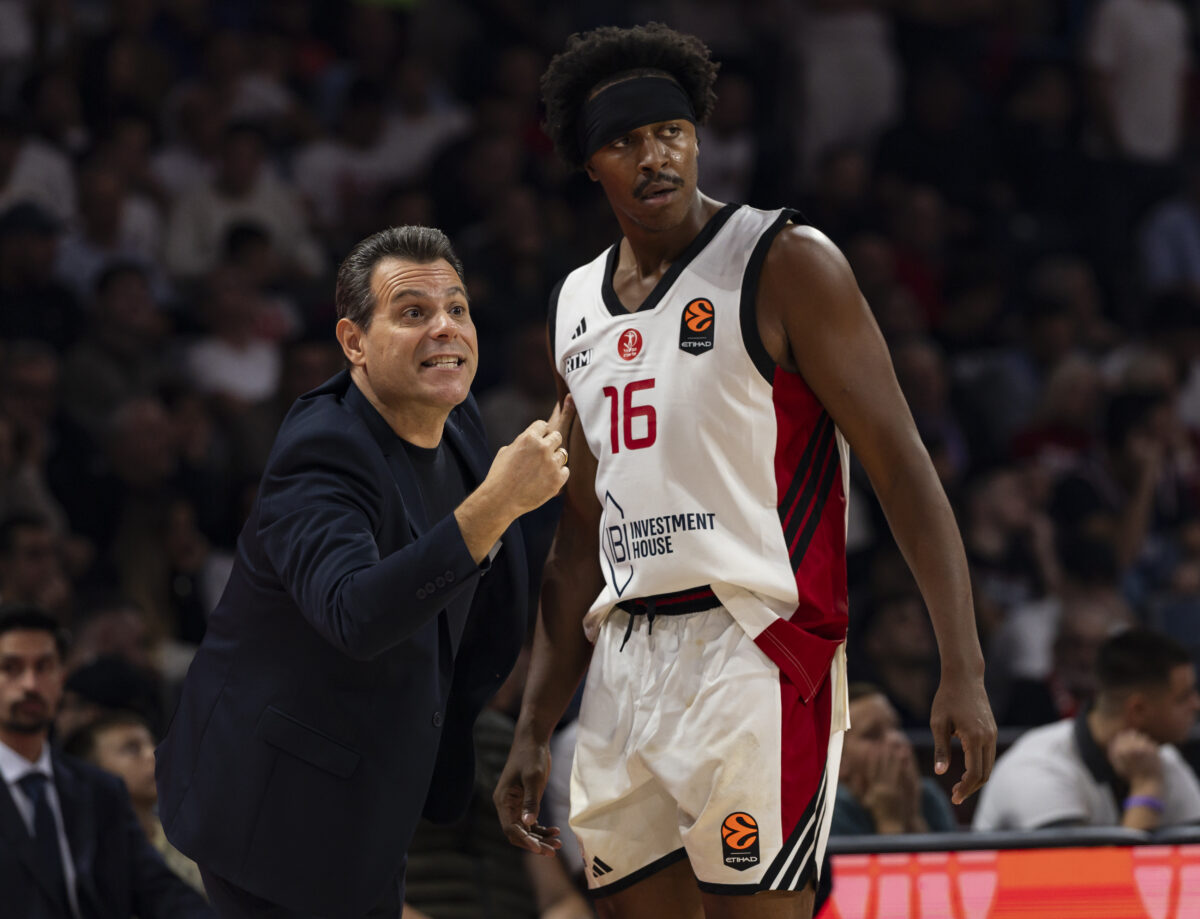










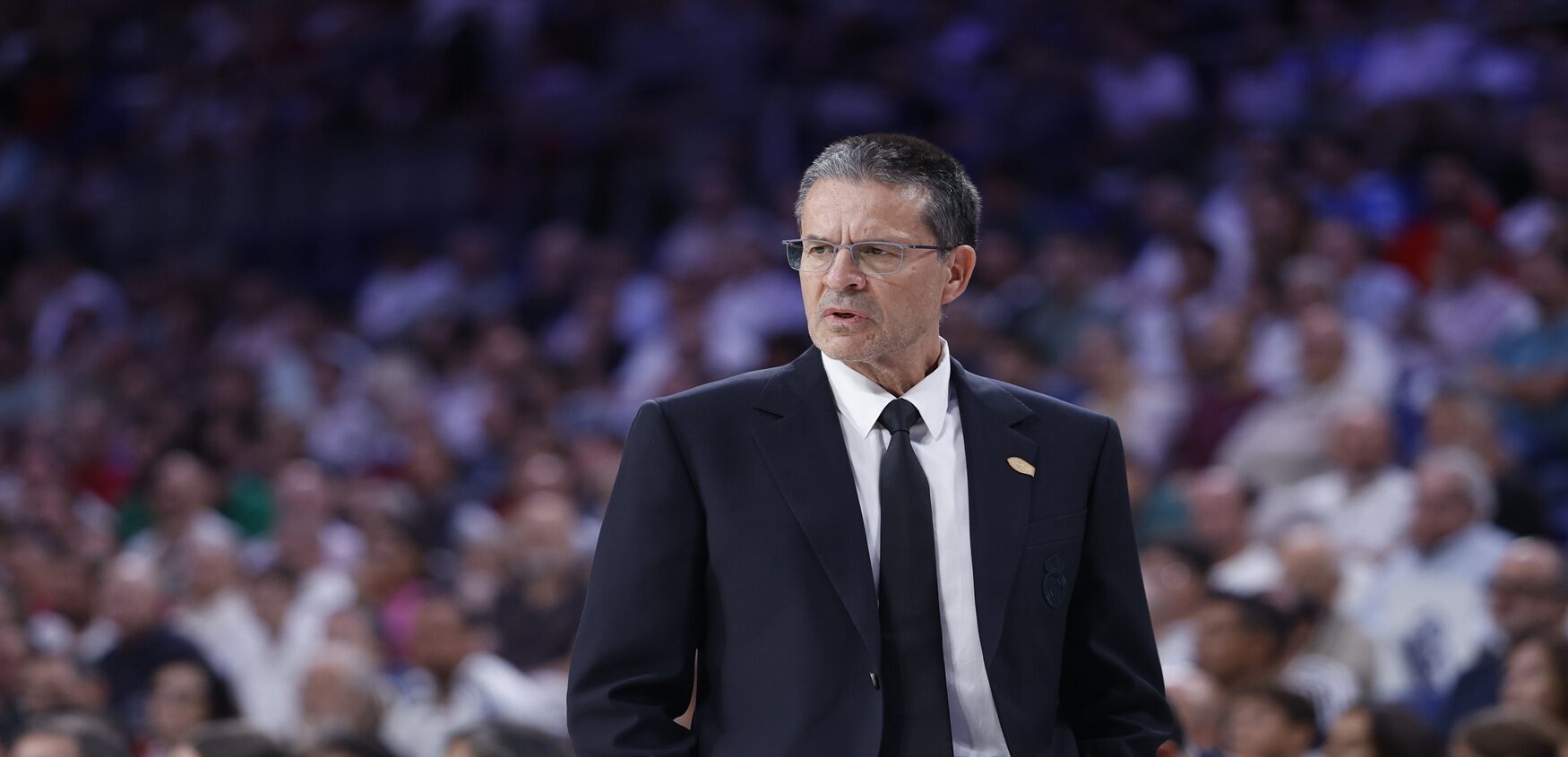

Three EuroLeague games… and three defeats. That is the current record of the reigning runners-up in the competition, a team expected to win every time it takes the floor. Three road trips to Dubai Basketball, Anadolu Efes and Hapoel Tel Aviv have raised the first questions about Pedro Martínez’s project at Real Madrid, as it is becoming increasingly clear that, for now, the highly regarded coach is not getting the level of performance he expects from his team.


And that is despite the fact that, as an ideal cushion to soften this abrupt start to the EuroLeague campaign, the Spanish capital’s team lifted the EuroLeague Super Cup, giving Martínez’s project plenty of early credit. That was only two weeks ago. Now, after this three-game road losing streak, the effect of that title has begun to wear off.

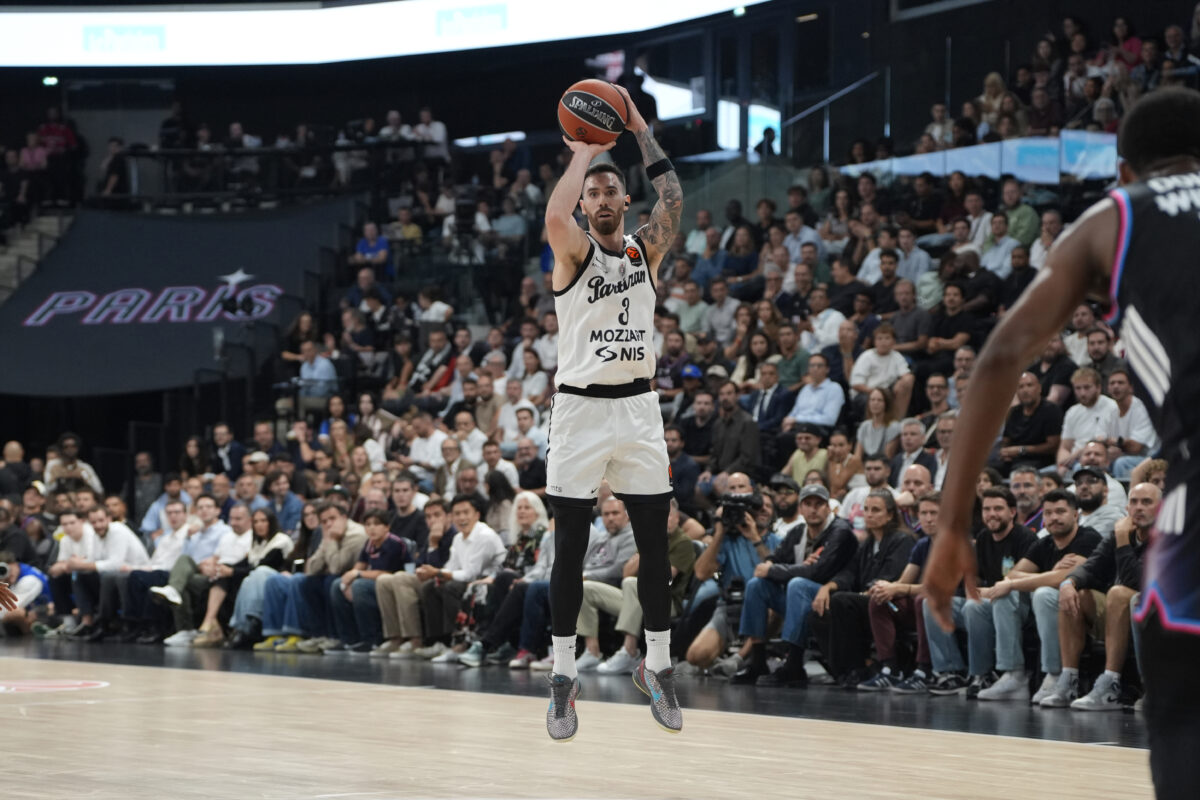
It is true that Real Madrid have played all of their European games on the road so far because their usual home court, the Movistar Arena, has been occupied by a series of concerts. In fact, they will play only two of their first eight continental games in Madrid. As a result, there is a palpable sense of unease among their fans, who are once again seeing their team struggle away from home, just as they did last season.

But there are many more reasons behind Madrid’s defeats than simply playing on the road. The main one is that the team is struggling to adapt to Martínez’s system, as was evident again on Thursday in their 102-98 loss to Hapoel Tel Aviv in Sofia. The Whites once again displayed tremendous inconsistency, remained below their desired level from three-point range (11-for-30, 36.7%) and, above all, endured serious defensive problems for long stretches, particularly in the first half.
As a result, Hapoel found clear lanes to the Madrid paint, with Vasilije Micic and Tomas Satoransky repeatedly attacking the rim, while also generating plenty of open looks for their best shooters, including an inspired Bruno Caboclo. The Brazilian’s case was particularly curious: he scored 15 points on five-for-five shooting from three in a game in which he played just 13 minutes because of foul trouble. In fact, he already had four fouls midway through the second quarter after being a constant threat to the Spaniards in the opening stages, when he knocked down four three-pointers.
Quite simply, Real Madrid’s defensive performance in the first half was dreadful. They conceded 63 points and allowed Hapoel to put up astonishing shooting numbers: 9-for-14 from three (64.3%) and 13-for-19 from two (68.4%). Those are numbers that make it extremely difficult to compete.
Madrid’s best stretch came midway through the third quarter, when a 0-19 run suddenly brought them back into the game, cutting a 67-45 deficit to 67-64. Indeed, an Edy Tavares dunk in the final minute of the third quarter even put them ahead, 74-75.
However, the start of the fourth quarter once again exposed the worst side of Madrid’s inconsistency. A 14-3 run by the home team over five minutes all but decided the game, and when Martínez’s men finally responded, the mid-range mastery of a sensational Elijah Bryant —who finished with 22 points, 13 rebounds and seven assists— allowed the Israelis to protect their lead without too much trouble.
Neither Theo Maledon’s excellent performance (26 points, seven assists and some strong defensive stretches against Micic) nor Luwawu-Cabarrot’s scoring resurgence after halftime (21 points overall) could prevent another setback and the return of old concerns about Madrid’s poor road form.
And so the first sense of urgency has already arrived in Madrid. The Whites will host Partizan Belgrade next Thursday in a very unusual situation for a team of their stature: nearly a month into the competition, they still do not know what it feels like to win a EuroLeague game.
Nick Smith continues to show flashes of quality, but only in small doses, while also revealing a clear lack of adaptation to the European game and officiating. The three-point shot remains an issue for Martínez to solve, but an even bigger concern is the team’s tremendous inconsistency and, above all, the defensive lapses that continue to surface for long stretches of games.