






Panathinaikos put together a spectacular roster in this summer’s market, and SKWEEK compares the current version of the seven-time European champions with arguably the greatest team EuroLeague has ever seen: the Greens of the 2008-2009 season.


On paper, at least, Panathinaikos have built one of the strongest rosters of the modern EuroLeague era. With a total budget north of €60 million, high-end options at every position and a squad packed with contrasting basketball profiles, the Greens head into the 2026-2027 season with expectations that match the scale of the project. The depth is obvious, the talent is everywhere and the quality of the rotation has already triggered — fairly or unfairly — comparisons with some of the great teams of the past.
There is one comparison, though, that stands above all others and is probably the most intriguing of the lot: the 2008-2009 Panathinaikos team. That group was loaded with players who went on to leave a permanent mark on European basketball, had extraordinary depth in the backcourt, elite quality up front and a coach who had effectively built a title-winning machine. For many, it remains the finest team ever assembled in the competition.
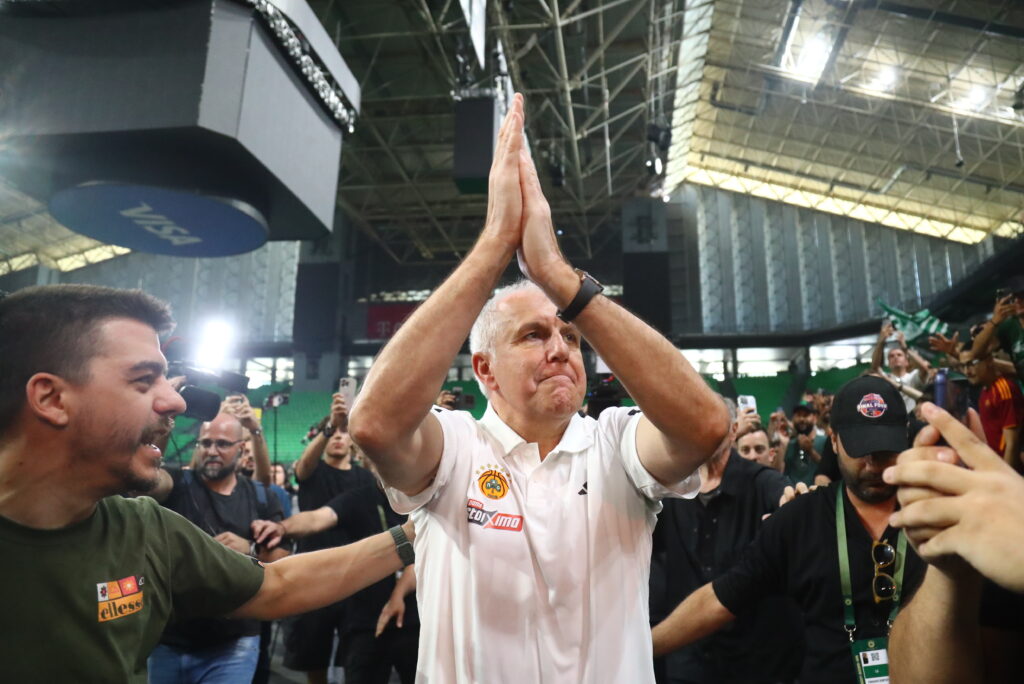
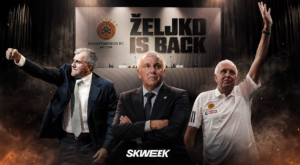
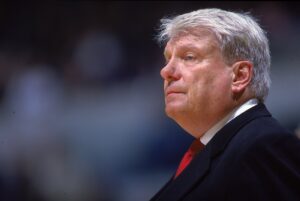
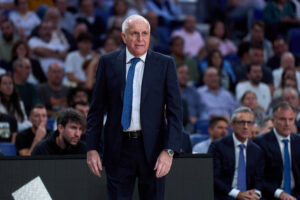
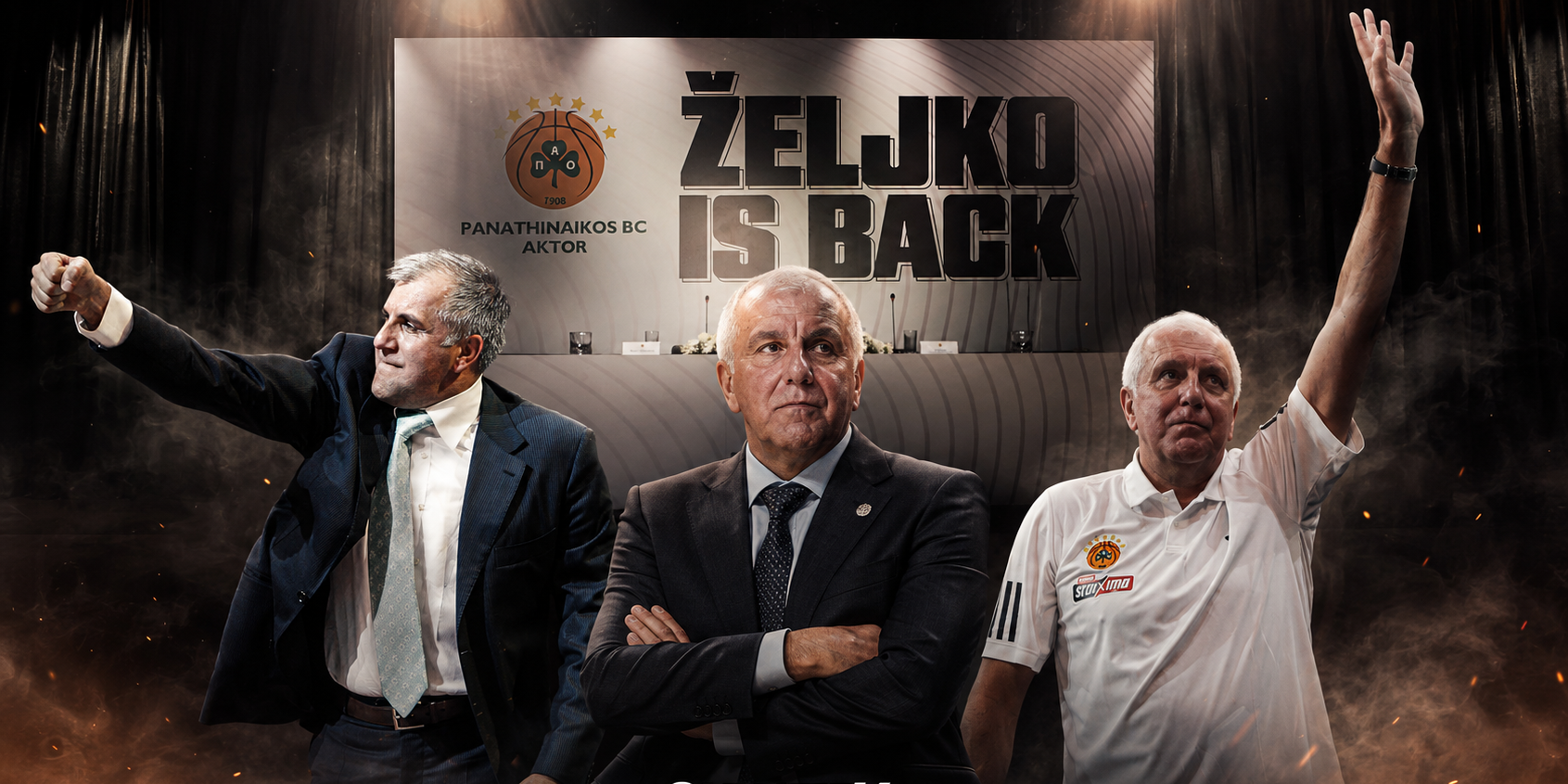
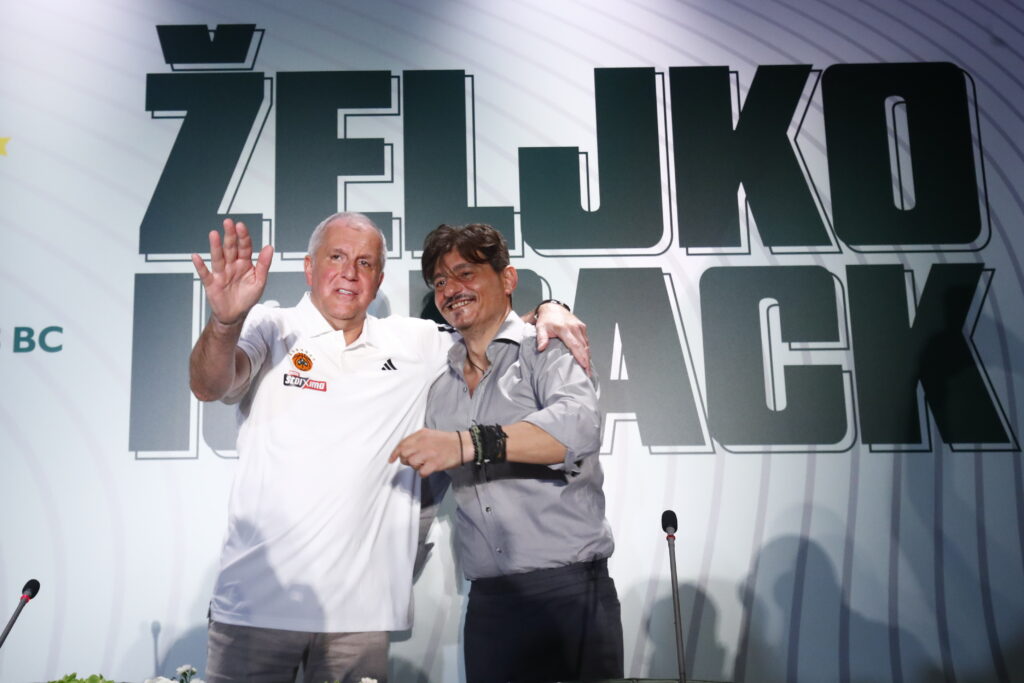
The link between the two eras — and, in many ways, the starting point of this whole discussion — is naturally Zeljko Obradovic. He was 49 when he lifted the EuroLeague trophy in Berlin in 2009, securing the seventh title of his career as a head coach. Now 66, he owns nine European crowns and is chasing a historic tenth. As he made clear during his presentation, however, the challenge for him is Panathinaikos’ eighth star, not his own 10th EuroLeague title. Either way, one of the most remarkable elements of Obradovic’s career is that he never simply relied on experience and reputation. He kept evolving with the game itself.
European basketball has changed dramatically in pace, spacing, role definition, possession volume and offensive creation. Obradovic never allowed those trends to leave him behind. He adapted, refreshed both his offensive and defensive concepts and retained his ability to build teams with a clear identity. That longevity, combined with sustained success across different eras, is one of the biggest reasons he is still widely regarded as the greatest European coach of all time.
So, let’s look at the depth charts then and now, because that is where the scale of the comparison becomes obvious.
2008-2009:
Guards: Dimitris Diamantidis, Vassilis Spanoulis, Sarunas Jasikevicius, Drew Nicholas, Nikos Hatzivrettas, Dusan Kecman, Dimitris Verginis
Forwards: Antonis Fotsis, Kostas Tsartsaris, Stratos Perperoglou, Dusan Sakota, Fragiskos Alvertis
Centers: Nikola Pekovic, Mike Batiste, Giorgi Shermadini
2026-2027
Guards: Kostas Sloukas, Kendrick Nunn, Sylvain Francisco, Jerian Grant, Brancou Badio, Dimitris Moraitis
Forwards: Nigel Hayes-Davis, Juancho Hernangomez, Isaac Bonga, Nikos Rogkavopoulos, Dinos Mitoglou, Panagiotis Kalaitzakis, Lefteris Mantzoukas
Centers: Mathias Lessort, Guerschon Yabusele, Moustapha Fall
The defining strength of the 2009 team started in the backcourt, with a guard rotation that still feels almost impossible to replicate. Dimitris Diamantidis, Vassilis Spanoulis and Sarunas Jasikevicius were all on the same roster — three EuroLeague legends, three huge personalities and three completely different ways of controlling a game. “3D” brought defense, playmaking and total command of tempo, “Kill Bill” supplied explosiveness and relentless attacking intent, while “Saras” added elite creation, shooting and the kind of know-how required when the pressure was at its highest. In truth, though, that know-how ran through the entire generation. These were players who had lived through major games at both club and international level and understood exactly what those moments demanded.
And the quality certainly did not end with the three superstars. Drew Nicholas was one of the most reliable shooters of his era and a player capable of punishing any defensive mistake, while Nikos Hatzivrettas added size, defense and tactical discipline. Panathinaikos could rotate ball-handlers, creators and lineups without losing control of the game. That backcourt remains a legitimate candidate for the greatest ever assembled in European basketball.
There was similar quality at the forward spots. Antonis Fotsis offered athleticism, size and long-range shooting, Kostas Tsartsaris brought experience and basketball intelligence, while Stratos Perperoglou could contribute at both ends of the floor. The group had shooting, versatility and an enormous amount of high-level experience. There were very few ways for opponents to hide defensively.
At center, Nikola Pekovic and Mike Batiste formed one of the most difficult duos of that period to prepare for. Pekovic was a genuine force of nature inside, combining strength, size and brutal efficiency around the rim, while Batiste had become one of European basketball’s defining pick-and-roll big men. Put them alongside creators such as Diamantidis, Spanoulis and Jasikevicius, and Panathinaikos’ two-man game became almost impossible to contain without giving something else away. That was why Obradovic’s machine simply kept rolling through opponents.
That superiority was ultimately reflected in silverware. Panathinaikos won the EuroLeague in Berlin, beating Olympiacos 84-82 in the semifinal before defeating CSKA Moscow 73-71 in the final. A few weeks later, the Greens completed a historic Triple Crown by adding the Greek championship and Greek Cup. The talent of that roster was not theoretical. It was converted into the ultimate form of validation: trophies.
The 2026-2027 version of Panathinaikos is trying to reach a similar level through a very different basketball model. The current roster appears more versatile in terms of size, athletic profiles and positional flexibility, giving Obradovic the chance to completely change the character of a lineup within a matter of minutes. The sport itself has changed, too. There are more possessions, more space to cover and significantly more physicality across the league.
In the backcourt, Kostas Sloukas remains the captain and primary organizer, Kendrick Nunn is one of the best players in Europe and Sylvain Francisco adds another high-level source of creation, speed and individual scoring. Alongside them, Jerian Grant and Brancou Badio give Panathinaikos two outstanding perimeter defenders capable of taking on demanding individual assignments, pressuring the ball and allowing the more offense-oriented guards to operate in a better-protected environment. Francisco’s arrival feels like the final piece of a group that now offers creation, scoring, defense and the ability to shift gears depending on what each game requires.
The range of options at forward is just as impressive. Nigel Hayes-Davis, Juancho Hernangomez, Isaac Bonga, Nikos Rogkavopoulos and Dinos Mitoglou provide a compelling mix of size, shooting, post play, multi-positional defense and offensive creation. Panathinaikos can go big, athletic or more mobile without necessarily sacrificing overall quality. There is also enough shooting across those positions to punish defenses from beyond the 6.75-meter line.
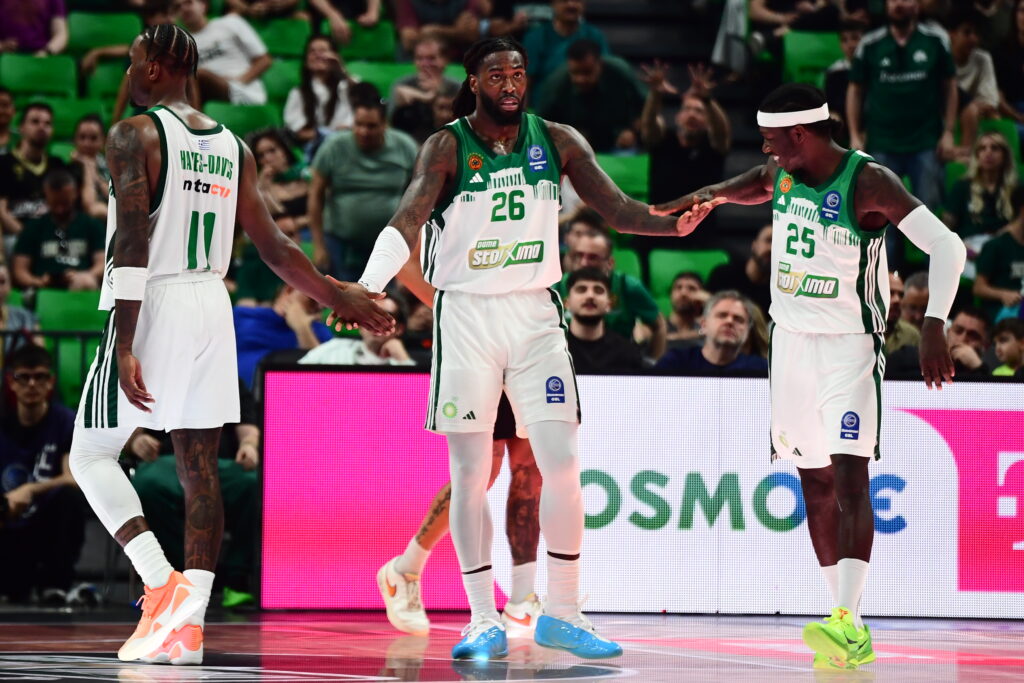
The same level of variety exists in the frontcourt. A healthy Mathias Lessort offers vertical pressure, intensity and physicality, Moustapha Fall brings size, screening and interior play, while Guerschon Yabusele gives Obradovic a very different type of big man, capable of shooting, attacking switches and creating problems both on the perimeter and around the paint. At the same time, the presence of Bonga, Hayes-Davis and Badio adds defensive qualities that were missing from previous Panathinaikos versions during the Ergin Ataman era.
For now, though, the comparison still naturally leans toward the past. It almost feels like basketball sacrilege to place any current team above the 2009 Panathinaikos side before it has achieved something remotely similar on the floor. That group had an extraordinary backcourt, elite big men, experience, personality and, above all, the strongest possible proof of greatness: it won everything.
At the time of writing, the 2009 team therefore remains the greatest, most glamorous and most successful version of Panathinaikos, as well as one of the finest teams European basketball has ever produced.
The 2026-2027 side, however, has enough high-end talent and enough depth to earn the right to enter that conversation — provided it first delivers on the floor. This is a roster with superstars, size, versatility, depth and, above all, the “Lord of the Rings” on the sideline.
The rest will be decided where it should be. On the court — and on the glass floor — we will find out whether this version of Panathinaikos can merely remind us of that historic 2009 team or whether it can genuinely look it in the eye.