









The new NBA season has barely started, and several teams are already facing the prospect of losing key players for months. The early injuries include collisions, awkward landings, and physical problems that have troubled certain players for years. The causes differ, but the opening week has brought the demands of NBA conditioning and recovery back into focus.


Anthony Edwards, one of the NBA’s best players, logged 41 minutes and scored 47 points against the Cleveland Cavaliers. The following day, reports emerged that he would need arthroscopic surgery on his right knee. Minnesota could be without him for as long as two months.
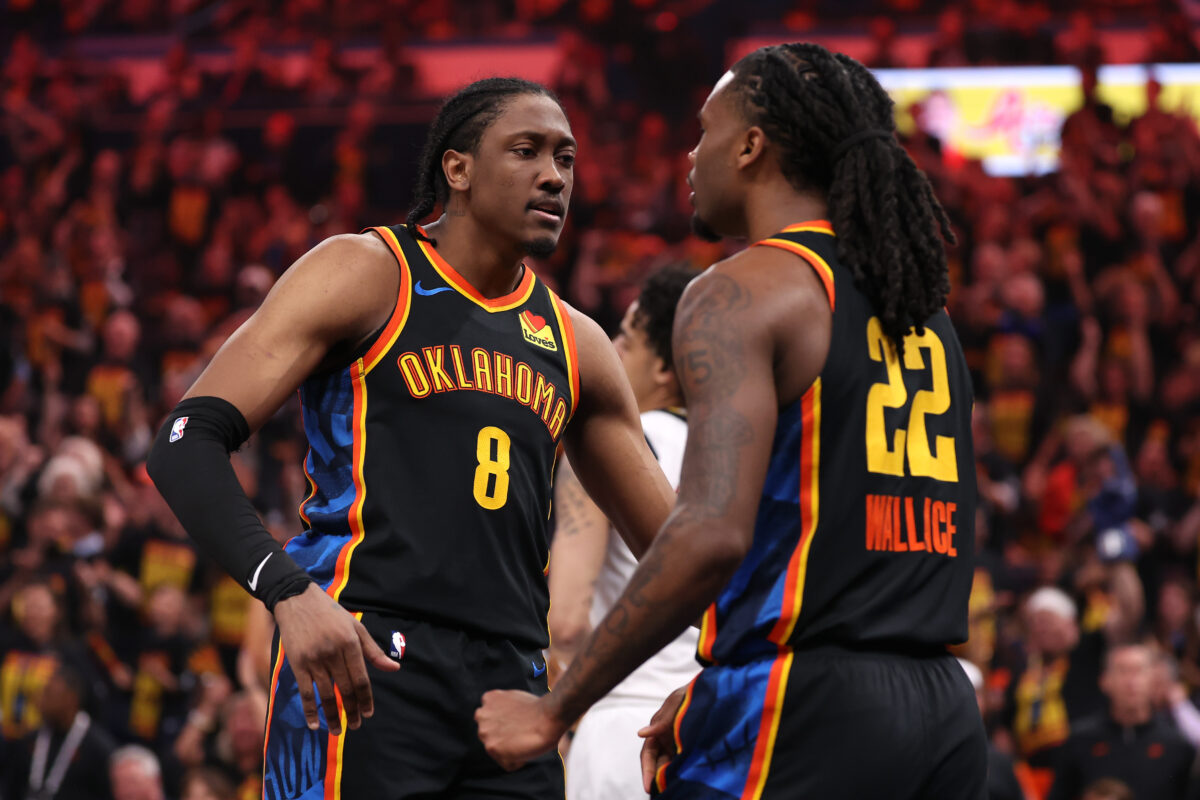
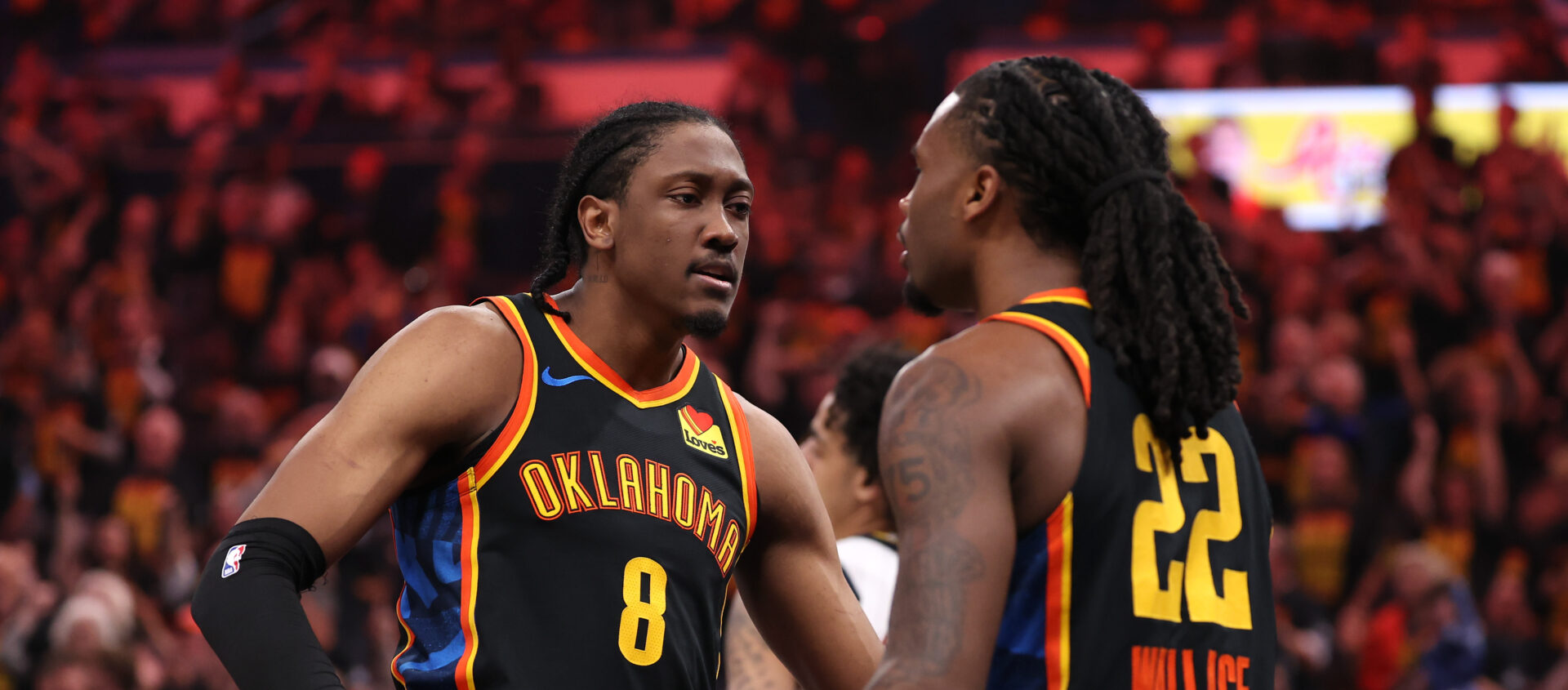
Just a day earlier, Oklahoma City suffered one of the most serious setbacks of the young season. Jalen Williams fractured his fibula and dislocated his left ankle during a game against the Los Angeles Clippers. After an awkward fall, Williams remained on the court before medical personnel took him off on a stretcher. As teammates and opponents watched with concern, Williams raised both thumbs toward the crowd. Shai Gilgeous-Alexander struggled to contain his emotions, while head coach Mark Daigneault acknowledged how deeply the incident had affected the team.
Williams wasn’t Oklahoma City’s only serious injury that night. Cason Wallace tore the labrum in his left shoulder and will also require surgery, followed by months of rehabilitation. General manager Sam Presti declined to provide recovery timelines before the procedures, but there is a real possibility that both players will miss most of the season.
Just three games into the schedule, Oklahoma City had lost two important members of its 2025 championship team. Williams’ injury is particularly difficult given that he missed 49 games last season because of wrist and hamstring problems.
Contact and Awkward Landings Can Happen Regardless of Workload
Jaren Jackson Jr., now with the Utah Jazz, tore the medial collateral ligament in his right knee during a game against Memphis. The injury occurred when Ty Jerome fell into Jackson’s leg while driving to the basket. The former NBA Defensive Player of the Year is expected to miss six to eight weeks. Jackson underwent surgery on his left knee last season, limiting him to just three appearances after his move to Utah. This time, the injury involved his other knee and resulted from direct contact with an opponent.
Orlando has lost two important players. Paolo Banchero injured his right ankle on an awkward landing, with initial estimates suggesting a four-to-six-week absence. Jalen Suggs suffered a knee injury while driving to the basket against New York, without contact from a defender. Imaging revealed a mild bone bruise with no significant structural damage, and he will be reevaluated in two weeks.
Knee problems have also sidelined Kawhi Leonard. The veteran forward, who returned to Toronto, will miss time because of swelling in his left knee, although an MRI revealed no new structural damage. Given Leonard’s long history of knee trouble, the Raptors have opted for treatment and rehabilitation before he resumes playing. Indiana’s Ben Sheppard can also be added to the list. He suffered a meniscus injury in the season opener and is scheduled to undergo surgery. Still, the injuries suffered by Williams, Jackson, and Banchero cannot automatically be attributed to excessive workload…
Edwards and Leonard Present a Different Question
The circumstances surrounding Edwards and Leonard are different. Their current issues follow earlier injuries and extended periods in which they had to adjust their training and playing schedules. Their medical histories therefore provide important context for their latest absences, even if the exact causes cannot be established without detailed medical information.
The Minnesota guard dealt with recurring problems in his right knee last season, including pain around the kneecap. He missed 21 regular-season games and also injured his left knee during the playoffs. According to reports from the United States, Edwards rested over the summer to address those issues and entered training camp without significant problems. Yet the pain returned almost immediately after the new season began. Edwards continued to play at an exceptional level, scoring 45 points against Miami in the opener and then 47 against Cleveland on the second night of a back-to-back.
He played against the Cavaliers despite being listed as questionable because of his knee. At the time, head coach Chris Finch did not expect the problem to lead to an extended absence. A day later, news broke that Edwards needed arthroscopic surgery.
A Great Performance Does Not Necessarily Mean a Healthy Body
If a player can log 41 minutes, score 47 points, and be one of the best players on the floor, how much does that performance actually tell us about his health? Elite athletes have an extraordinary ability to perform under physical stress, but playing well does not necessarily mean their bodies have fully recovered. Without the relevant medical information, it is impossible to determine whether the Cleveland game aggravated the existing condition or to assess the decision to play him. The fact that a player with a history of knee trouble logged so many minutes shortly before surgery nevertheless illustrates how difficult it can be to evaluate his readiness.
NBA teams have to prepare players for a long season in which demanding stretches of games are separated by relatively short recovery periods. For the best teams, that schedule can extend into June. Maintaining conditioning becomes an even greater challenge for players who enter a season with a history of injuries.
The Research Does Not Offer a Simple Answer
A study published in the medical journal Arthroscopy in 2024, covering five NBA seasons, found that minutes played per game were among the significant factors associated with season-ending injuries. Researchers also found that these injuries were more common later in the season, when players had already accumulated substantial playing time.
In a 2026 study published in Sports Medicine, researchers analyzed 1,233 player-seasons from 2014 through 2023, covering more than 1.5 million minutes of game action. They found no statistically significant association between missing games for rest or load management and a lower risk of subsequent injury during the same season. The study tracked missed games but could not fully account for every form of physical workload, including individual training sessions and each player’s physiological response.
Another study, which tracked the training and game activity of 14 professional basketball players throughout an entire NBA season, found that most of the measured seasonal training load came from activities outside games. Although the sample was small and limited to one team, the findings suggest that official playing time does not provide a complete picture of physical workload. The effect of that workload also depends on training in the preceding days, injury history, recovery time, and how a player responds to changes in intensity.
Most Injuries Still Begin With an Acute Event
Meanwhile, an analysis of official NBA medical data from 2013 through 2019 found that 73 percent of injuries resulting in missed games had an acute onset. Approximately half of those cases involved contact with another player.
According to the official 2026-27 schedule, teams will average 14.2 back-to-backs. There are no stretches of four games in five days or eight games in 12 days. The league has also reduced the number of back-to-backs involving long-distance travel.
Still, the regular season remains 82 games long, with the best teams playing into June. Between seasons, players must maintain their conditioning, recover from injuries, and go through training camps, often alongside additional individual workouts.
A Day Without a Game Is Not Necessarily a Day of Recovery
A day without a game does not necessarily give the body enough time to recover. The amount of rest a player needs depends on his previous workload and medical condition, as well as how he is brought back to full competitive intensity after time away.
The NBA’s player participation rules have further restricted teams’ ability to rest healthy stars, while eligibility for major individual awards generally requires at least 65 appearances. Those measures are designed to protect the interests of fans and the competition, but they also complicate decisions about when rest is justified. There is no evidence that these rules influenced the decisions to play any of the injured players discussed here.
Frequent changes of direction, explosive acceleration, and sudden stops create substantial physical stress, particularly on the lower extremities. The effects depend on a player’s physical characteristics, style of play, and injury history, meaning the same schedule and minutes can affect two players differently.
Injury Prevention Can Reduce Risk, Not Eliminate It
After extended absences or rehabilitation, workloads have to increase carefully. Coaching and medical staffs must weigh competitive demands against player health, knowing that even the best injury-prevention programs cannot eliminate risk.
The first few days of the new NBA season are not enough to conclude that the league is experiencing an unprecedented injury problem. Even so, the injuries suffered in the opening week provide ample reason to examine how players are prepared and protected when so much is expected of them…