












The EuroLeague is a league of fine margins. We have seen more than enough evidence of that over the years.


But sometimes those margins are not so small.
After EuroLeague opener at Belgrade Arena, two things already seem clear.
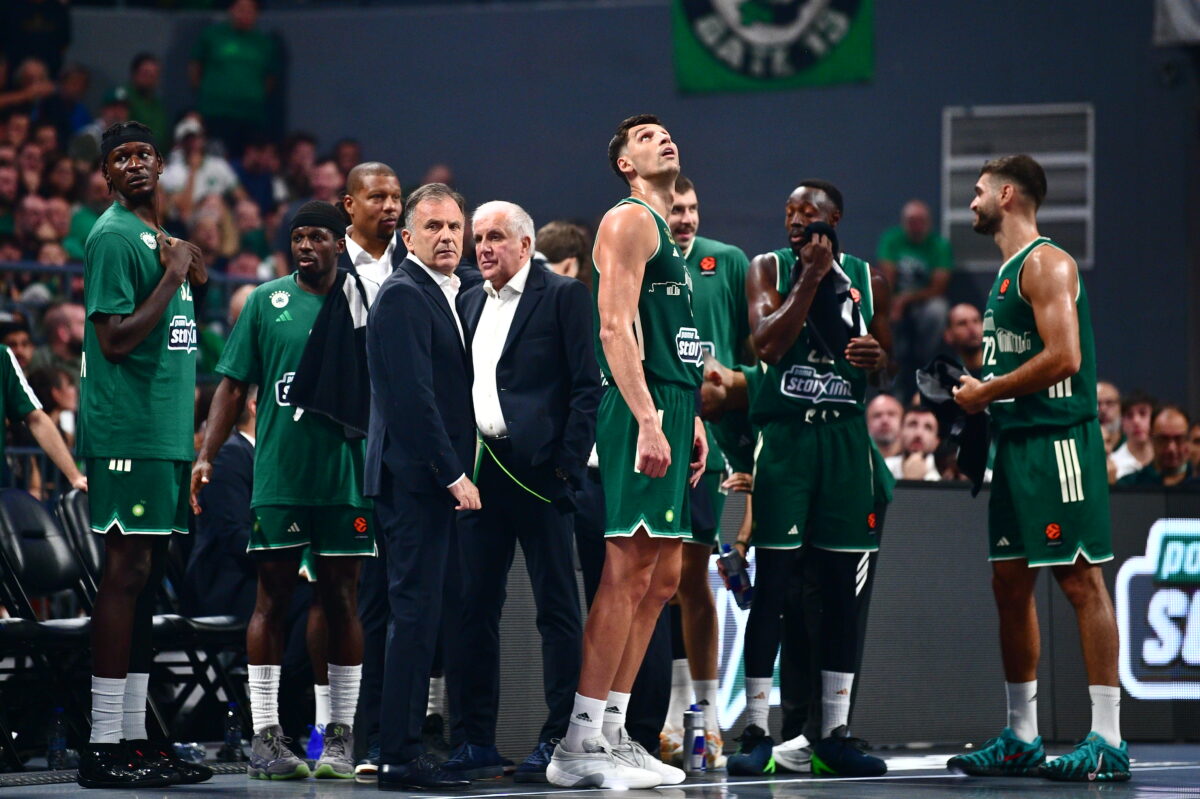

Crvena Zvezda still have a long way to go before becoming a team.
And Žalgiris once again look like a serious playoff contender. Maybe even more than serious.
Considering the new roster, new system and limited practice time, the red-and-whites did not do that much wrong. But when the game was on the line, it was obvious which team already had a clear identity and knew exactly what it wanted to do.
Crvena Zvezda 77, Žalgiris 83.
The Guard Rotation
During the preseason, Ibon Navarro said his rotations were not “communism.”
In other words, not everybody has to play the same number of minutes. Minutes have to be earned.
Which makes it difficult to explain why Chris Jones, comfortably Zvezda’s best player on the night, spent only 18 minutes and 44 seconds on the floor – so little that some people who were not in the arena were wondering whether he had picked up an injury.
Jones played only two and a half minutes more than Tyson Carter, who contributed very little.
One game is nowhere near enough to pass judgment, but Carter’s confidence did not look much better than it did last season, when he returned from a pulmonary embolism as a shadow of the player we had seen at Unicaja.
Nick Weiler-Babb also had a poor game, but there were still glimpses of what he will bring to Zvezda: a steady hand bringing the ball up, sound decision-making and good defense.
Zvezda need all three, and there should be little concern about Weiler-Babb.
Still, based on what we saw Thursday evening, Jared Butler perhaps deserved to be on the floor when the game was on the line – rather than checking in only to be pulled again shortly afterward.
David Krämer
Zvezda’s most pleasant surprise of the preseason carried that form into the official opener.
Krämer knocked down the kind of shots that are vital to making Navarro’s up-tempo system work, but he is also more than willing to do the dirty work defensively – switching onto bigger players or fighting for rebounds.
Too Many Mouths to Feed?
You can see Navarro’s basketball mind at work, and the ideas are clear.
Zvezda generally got the looks they wanted coming out of timeouts. The execution was another matter.
The defensive rebounding and rim protection should improve from what we saw against Žalgiris, but another question remains:
How do you keep everybody involved?
Jordan Nwora has a habit of shaking his head when he comes out of games, and he will also have to cut down on driving into traffic when there simply is nowhere to go.
Those possessions cost Zvezda dearly.
For everything Nwora brings offensively, a little more discipline and better decision-making could bring some order to all that talent.
Chima Moneke’s first shot of the game had a slight “I’ve been out here too long without getting a shot” feel to it.
But with Jonathan Motley struggling badly and Navarro turning to small-ball lineups with Semi Ojeleye, Moneke eventually found the minutes, role and energy that have made him one of the EuroLeague’s best power forwards.
Patience will clearly be required.
And there should be plenty of it. If you hire a coach like Ibon Navarro, you have to give him the time and space to build his team – however unforgiving the EuroLeague may be.
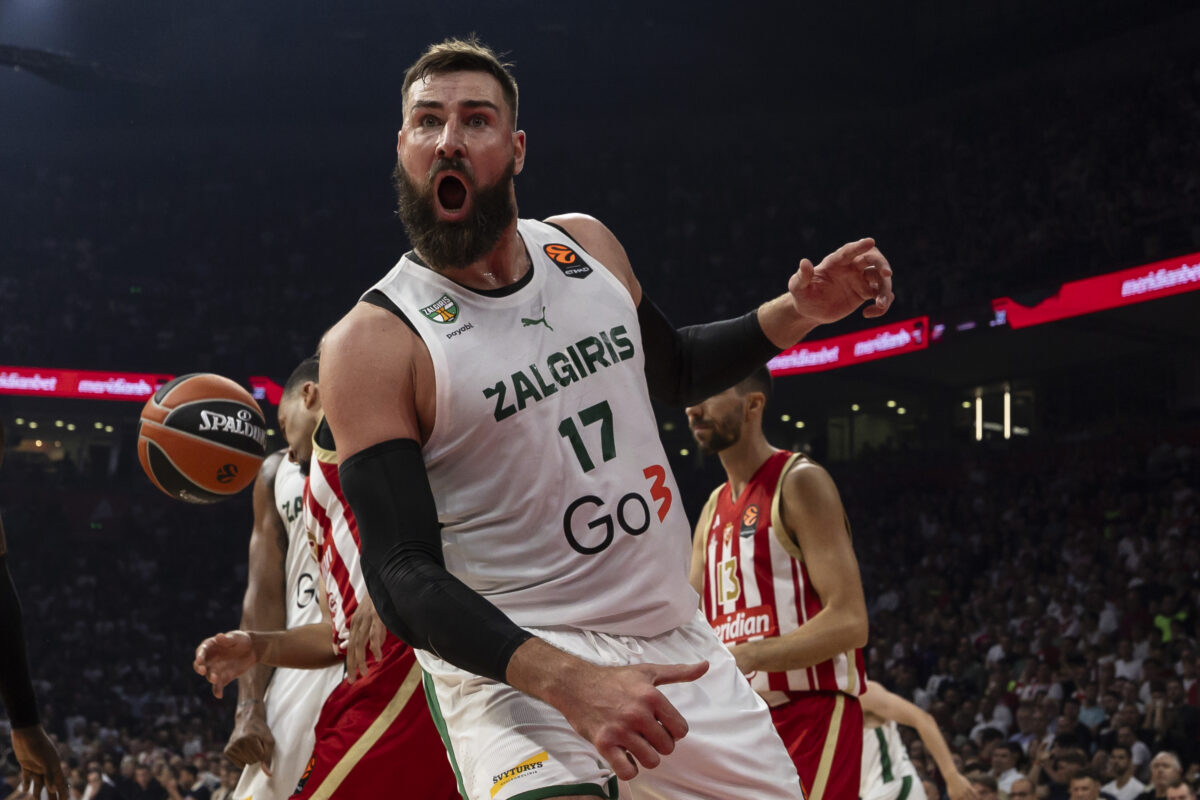
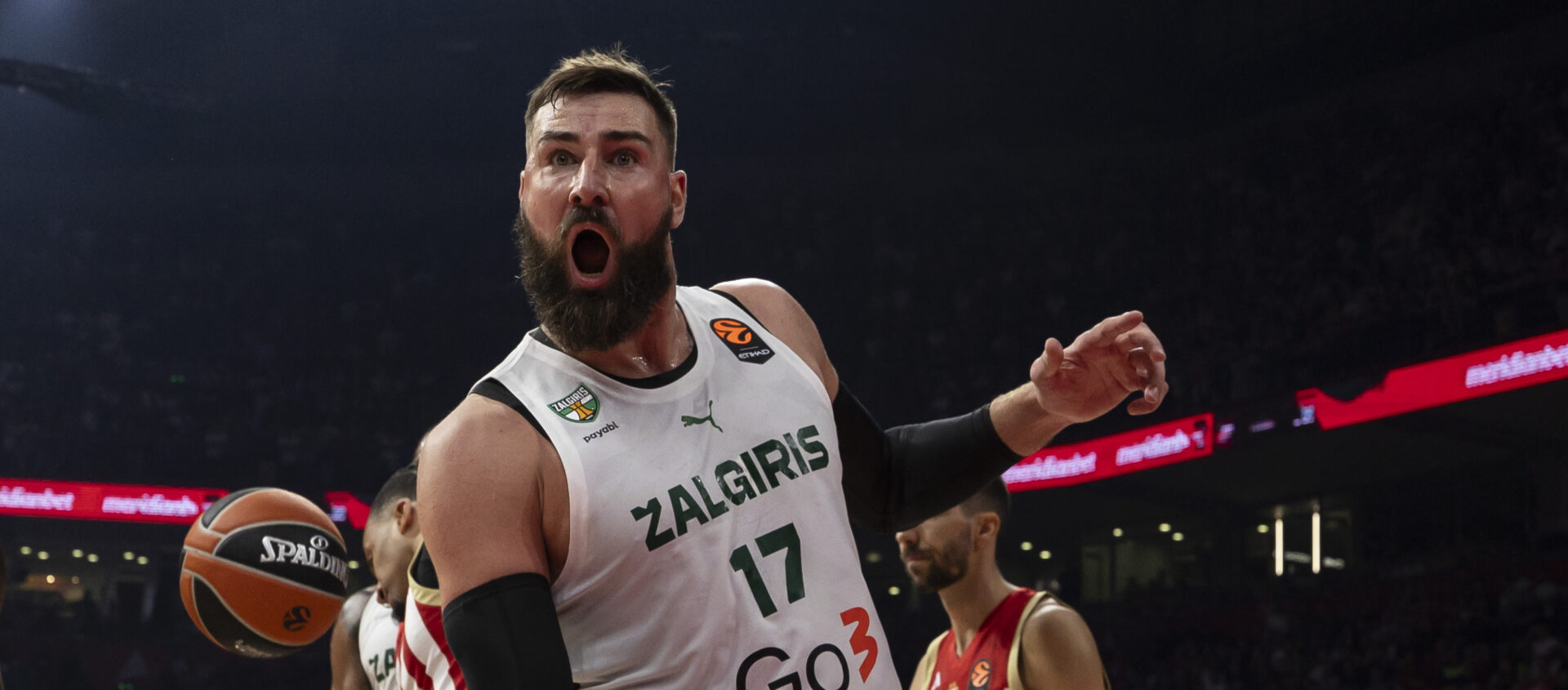
Jonas Valančiūnas Is Still a Force
Even at 34, Valančiūnas has everything he needs to dominate in the EuroLeague.
Jonathan Motley had a historically bad game – the second-lowest PIR in EuroLeague history – although he at least managed to hold his ground to some extent when Valančiūnas went at him in the low post.
But Žalgiris found other ways to create favorable matchups.
They repeatedly involved Motley in the pick-and-roll, while Valančiūnas went to work on Ebuka Izundu and Ojeleye in the post.
Izundu is an exceptionally strong man, which only made it more striking to see how physically dominant Valančiūnas was against him.
A more cohesive team will probably find better ways to exploit Valančiūnas defensively, but after this first look, it is not difficult to imagine the Lithuanian big man being part of the MVP conversation this season.
And yes, judging by the opener, Valančiūnas’ arrival is not going to get in the way of Azuolas Tubelis’ rise either.
The Value of Continuity
Žalgiris were far from perfect.
There were sloppy possessions and missed free throws, but when the game reached its decisive moments, they had more established actions and habits to fall back on than Zvezda did.
In the second half, Žalgiris managed to slow the pace and turn the game into more of a half-court battle.
That suited them. They simply had better answers in the half court and found easier ways to generate points in the paint.
That is what continuity gives you.
When the system remains in place, the coach remains in place and the core of the roster stays together, it becomes much easier for newcomers to find their place.
There was also a small example of Žalgiris’ club culture sitting in the first row behind the basket.
Moses Wright, now with Olimpia Milano and in Belgrade for his new team’s game against Partizan, watched his former teammates from courtside.
After the game, he spent around 10 minutes with his old team, smiling, talking and catching up.