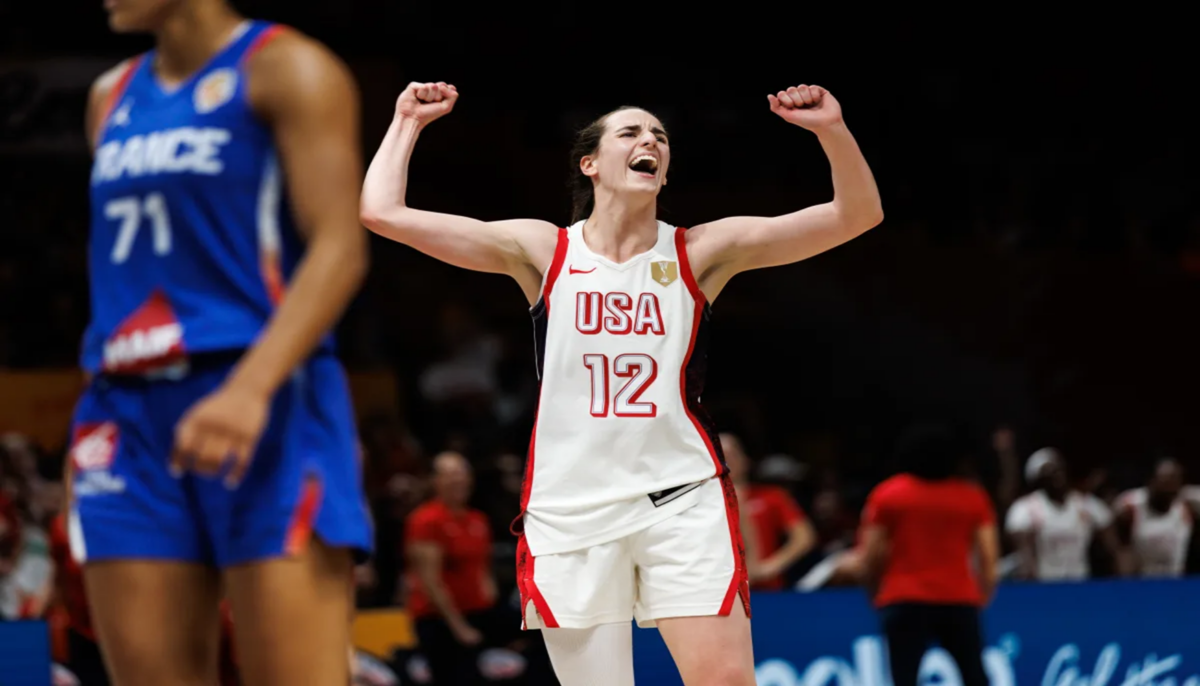










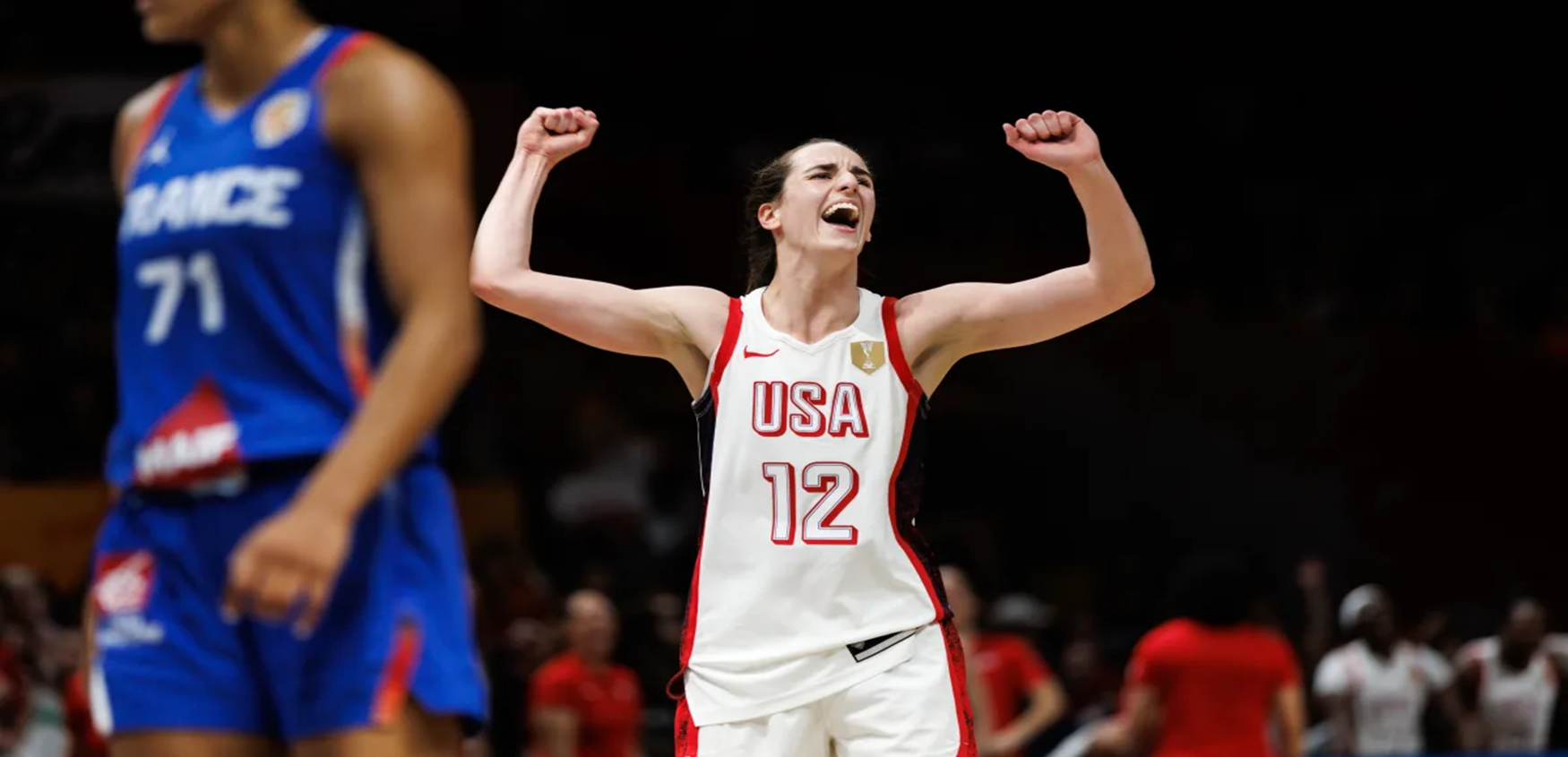

When Breanna Stewart lifted the trophy in Berlin after the United States defeated France in the final, the image could have felt familiar. The U.S. were world champions. Again. And Stewart, just as she had been in 2018, was named MVP. Seen that way, it might have seemed as though not much had changed in the landscape of women’s basketball.


But this time, something was different. A new scale.

236,015 fans walked through the turnstiles throughout the tournament, a record for a Women’s World Cup in the modern era and well above the 145,519 who attended Sydney 2022. The average attendance, 6,556 fans per game, was also an all-time high.
Berlin was not simply the stage for the World Cup. It was its amplifier. Germany embraced an event in which its national team, led by Leonie Fiebich, fell just short of a medal, with Spain taking bronze behind the impact of point guard Iyana Martín, the latest emerging star of European basketball.

The court, as expected, produced its share of big stories. Stewart became the first player to win the World Cup MVP award twice, after averaging 12.8 points, 7.3 rebounds and 2.8 assists. Jackie Young delivered another of the United States’ defining performances. Caitlin Clark herself. On the other side, Gabby Williams led France to the first World Cup final in the country’s history.
But the stars of this tournament were also the numbers.
In the United States, the group-stage game against Italy averaged 1.3 million viewers, making it the most-watched women’s basketball game in TNT history —and the game in which the Americans came closest to losing throughout the tournament—. The final averaged 1.2 million viewers and peaked at 1.5 million. In France, the final against the United States reached a peak audience of 1.84 million, while Spain’s semifinal against the Americans drew nearly 1.3 million viewers across television and digital platforms. And in China came perhaps the most remarkable figure of all: an average of 14.1 million viewers watched China face the Czech Republic on CCTV-5.
And then there is the place where the shift may be easiest to measure: the phone.
The World Cup generated more than 3.3 billion social media impressions, up 175 percent from 2022. Videos accumulated 1.4 billion views, while engagement reached 60 million. The tournament’s official social accounts grew to nearly 900,000 followers, adding 400,000 during the competition itself.
It is not simply that more people were watching. More people were looking for the tournament.

FIBA’s official website recorded 4.9 million sessions and more than 20 million page views. Visits to editorial content soared past 1.85 million. Fans were not simply checking scores. They were consuming stories, following players and engaging with everything happening around the games.
That may be Berlin’s real legacy.
Beyond the players, the teams and the names that defined the tournament, one number will remain long after the medals have stopped shining: women’s basketball gave millions of people a reason not only to watch who won, but to stick around. To learn more. To discover stories about heroines on a scale rarely seen before.
And perhaps that is what made this World Cup so significant. Not that it changed who rules the women’s game, but that it pushed the game a little further into a new scale of how it is played, watched and consumed.