







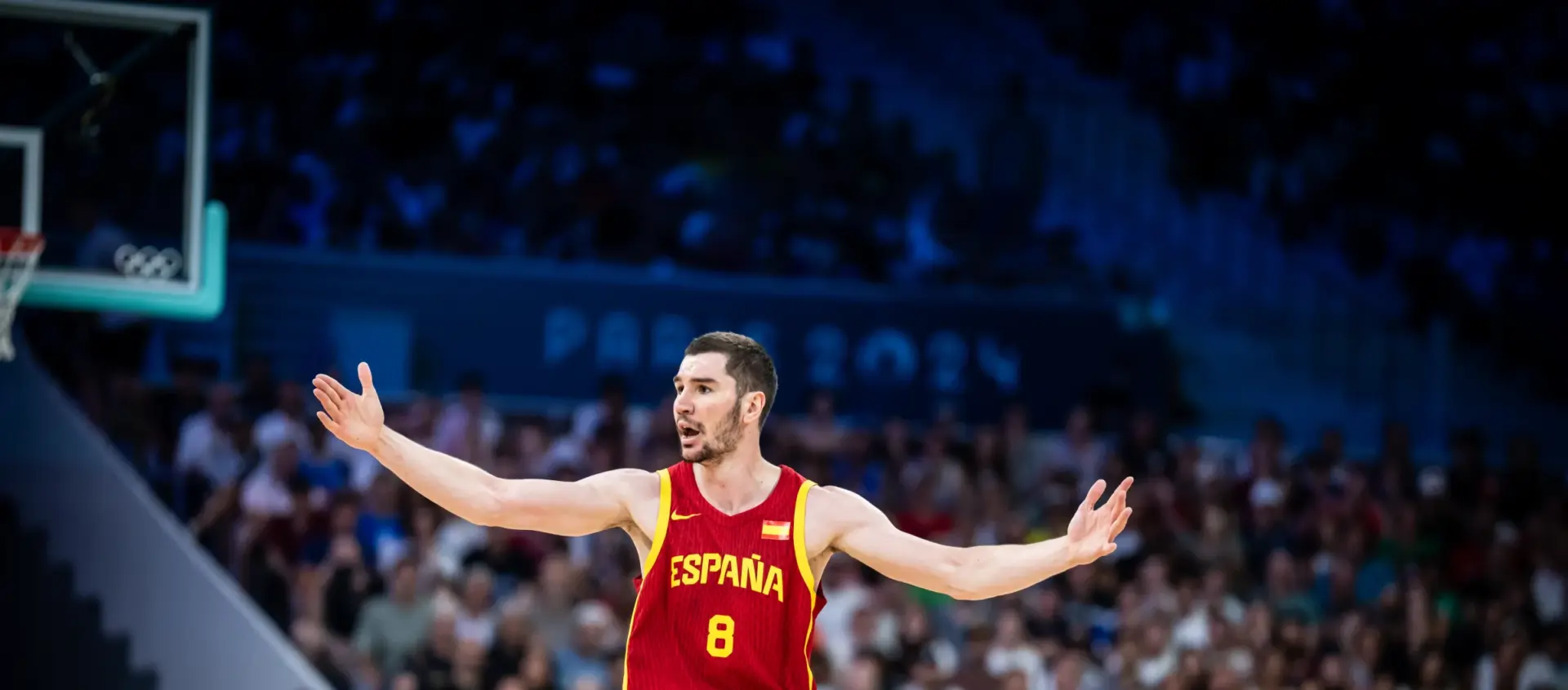

The international influence of Spanish basketball has traditionally been reflected in the success of its national team, the strength of the ACB and the reputation of its coaches. Yet while an increasing number of Spanish tacticians are pursuing opportunities abroad, relatively few of the country’s leading players have followed a similar path, particularly at EuroLeague level.


Dario Brizuela is a representative example of that tendency. Having spent his entire professional career in Spain, the 32-year-old Barcelona guard has developed a strong attachment to both his domestic league and the club he supported growing up.
Speaking to SKWEEK, Brizuela discussed why Spanish players are generally reluctant to leave the ACB, whether he would consider playing abroad himself and how his national team teammate Juancho Hernangomez has embraced a different career path since joining Panathinaikos following his departure from the NBA.
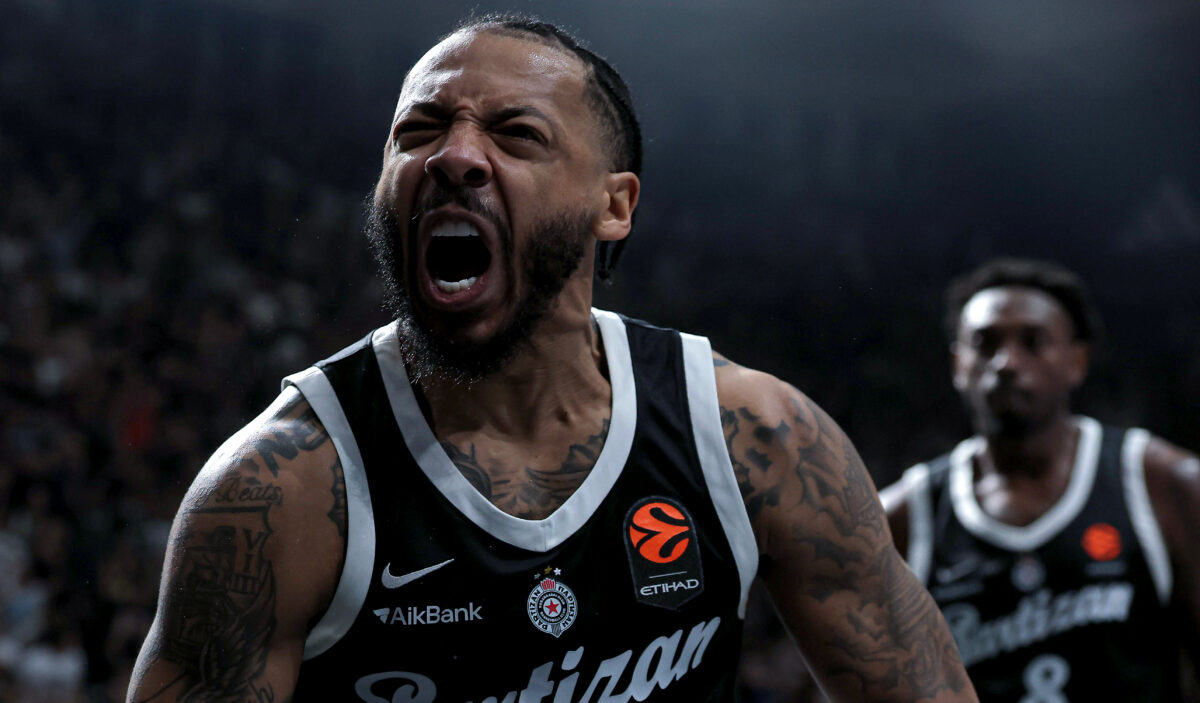
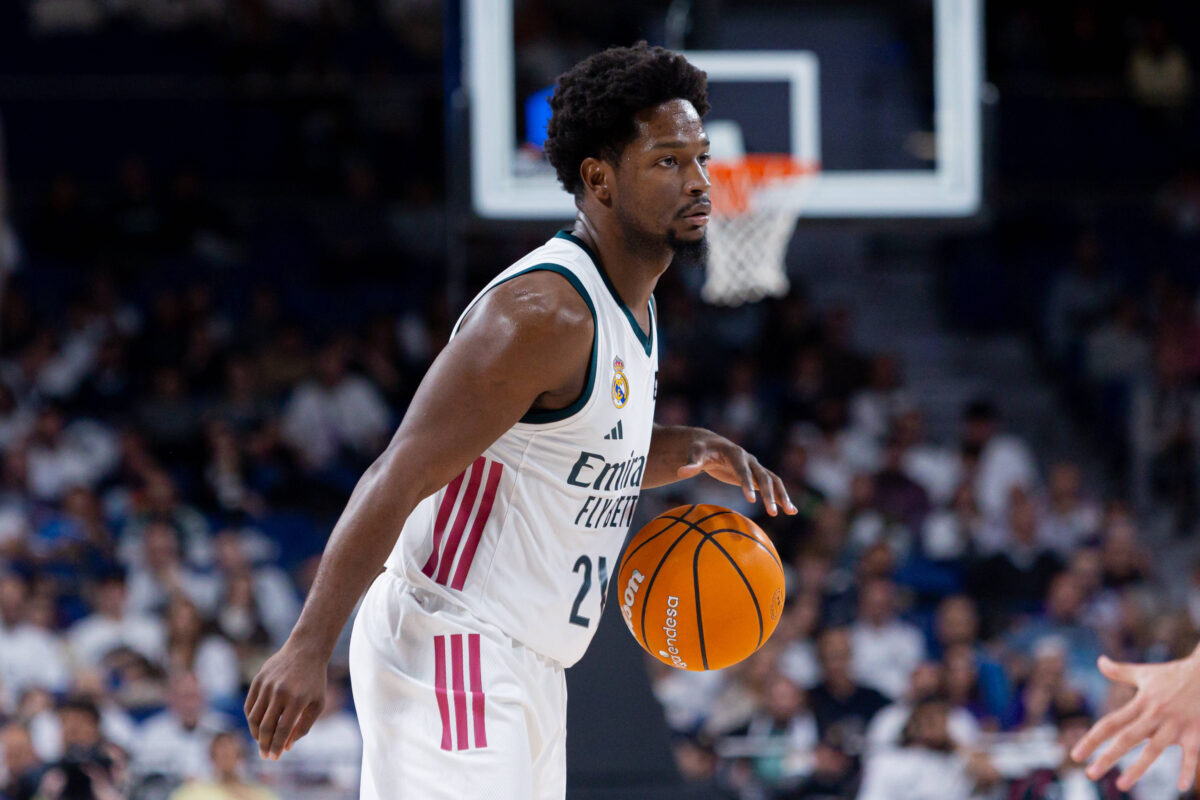
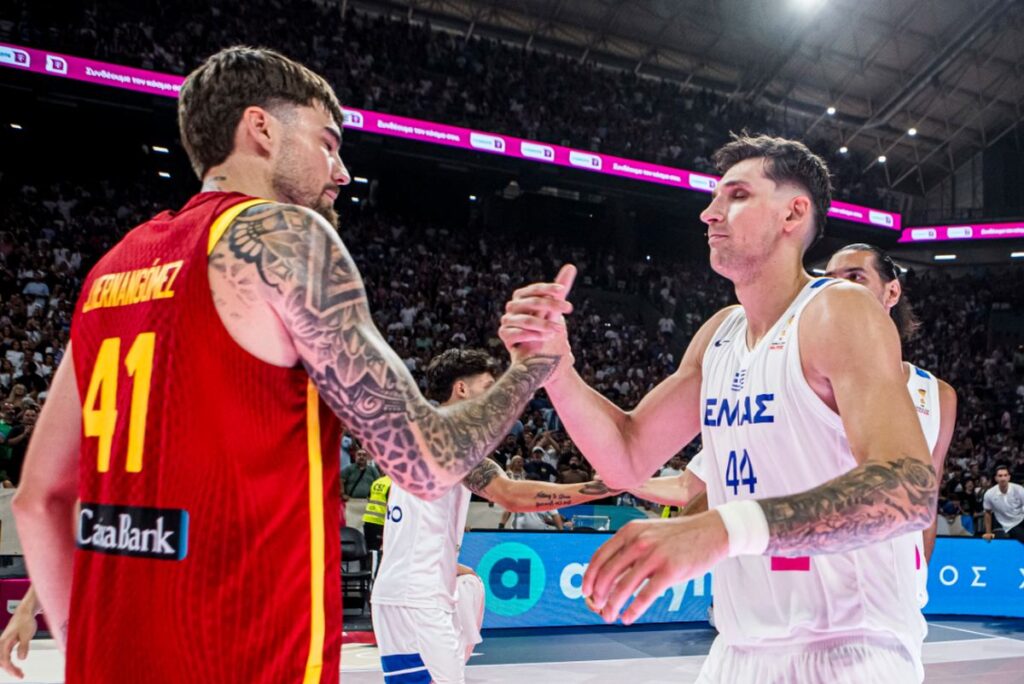
Hernangomez’s presence in Athens provides an additional dimension to the relationship between Spanish and Greek basketball. The forward shares a locker room with several Greek internationals, gaining firsthand knowledge of their playing tendencies through daily practices and competition — information that can also prove useful when Spain prepare to face Greece.
The two national teams are set to renew their rivalry on November 29 in Santiago de Compostela, with both facing considerable pressure in their bid to qualify for the 2027 FIBA World Cup.
Spain’s qualification campaign took a significant turn during the summer. After opening with five consecutive victories, Chus Mateo’s team suffered three straight defeats, losing 91-89 to Georgia in July before enduring a particularly disappointing August window.
Brizuela was Spain’s leading scorer in the 95-89 home defeat to Portugal in Zaragoza on August 28, registering 19 points, five assists and three rebounds while shooting 4/7 from beyond the arc.
Three days later, Spain fell 108-106 after overtime in Athens, despite Hernangomez hitting the three-pointer that forced the extra period. Brizuela contributed 14 points in just over 14 minutes, including two late three-pointers in overtime, before failing to convert Spain’s final possession. Dinos Mitoglou and Tyler Dorsey scored 29 points apiece for Greece.
The aftermath of that encounter was dominated by Spain’s complaints about the officiating, particularly the referees’ decision not to review Dorsey’s foul on Joel Parra in the closing seconds of overtime.
“The refereeing was deliberately bad, and FIBA needs to look into it,” Brizuela said afterwards, also questioning the officials’ professionalism and their handling of several disputed incidents. He further claimed that the Spanish delegation had been prevented from signing the scoresheet after the game, while stressing that Greece were not responsible for what had happened.
Those two defeats left Spain with a 5-3 record, while Greece improved to 4-4. Ukraine lead the group at 6-2, Georgia also stand at 5-3, and both Portugal and Montenegro remain firmly in contention at 4-4. With only three teams qualifying for the World Cup in Qatar, the November window could considerably reshape the standings.
Spain visit Montenegro on November 26, while Greece host Georgia, before the two sides meet again three days later.
In the second part of his interview with SKWEEK, Brizuela revisits his statements about the refereeing in Athens, discusses Spain’s difficulties in integrating established EuroLeague players with emerging NBA and college prospects, and assesses the threat posed by Greece. He also explains how Hernangomez’s familiarity with his Greek teammates at Panathinaikos feeds into Spain’s preparation for their international encounters.
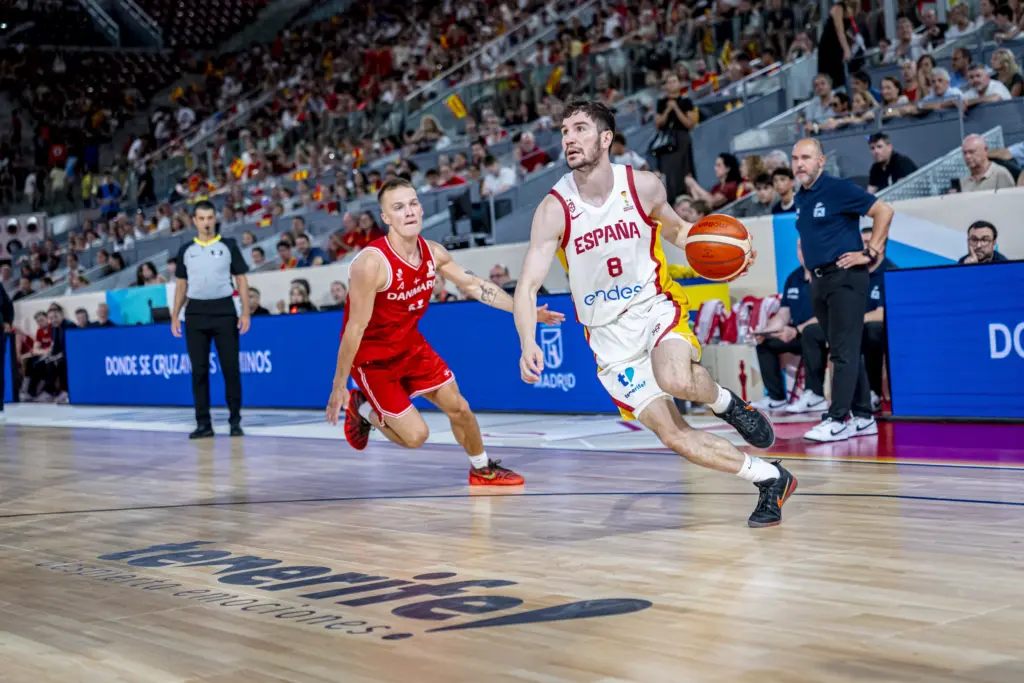
We’re seeing more Spanish coaches working abroad, including Pablo Laso and Xavi Pascual. Yet there are very few Spanish players at foreign EuroLeague clubs, with Juancho Hernangomez and Santi Yusta among the exceptions. How do you explain that difference?
“It’s true that Spanish coaches are expanding abroad. Ibon Navarro, who’s a very good friend of mine, is also coaching Crvena Zvezda. I think Spanish coaches have always been highly regarded throughout Europe, and now they’re getting more opportunities. As for Spanish players, there aren’t many who leave. I think things are good for us here in Spain. We’re happy. There have been players who went abroad and did very well, like Juancho and Chacho [Sergio Rodriguez]. But I think Spanish players feel very comfortable in the ACB, and that’s why they stay.”
How do you explain Juancho Hernangomez’s decision to play abroad? Have you discussed his experience in Greece?
“Yes, we’ve talked about it many times. He’s very happy. Juancho is from Madrid, and he’s been connected to Estudiantes his whole life. But when he left the NBA, going to Estudiantes wasn’t a realistic option for him. Maybe it will be in the future, but not at that point. I think Juancho is a very open person, very outgoing. He loves discovering the world. That’s obvious. Then this opportunity to come here came up, and I think he embraced it completely because things are going extremely well for him. As far as I know, he’s super happy.”
Would you consider playing outside Spain yourself?
“I’m a huge Barcelona fan, so as long as I can stay at Barca, I’ll stay. I’ve thought about playing abroad at some point, but my career has mostly been in Spain. I was in Malaga, a place where I was very happy. But when the opportunity to join Barcelona came along, being a Barça fan since I was a kid, it was impossible to say no. Maybe in the future I won’t be able to stay here and I’ll have opportunities abroad. But I’m happy at Barcelona. I love the city, and my family is very happy in Barcelona.”
Juancho shares the Panathinaikos locker room with several Greek internationals. Have you ever asked him for information about them when preparing to face Greece?
“Not particularly, but it’s true that he knows those players better. When we’re preparing for a game, he sometimes gives us little tips. For example, whether a player prefers doing something specific or going to his left.”
Has he actually done that?
“Yes, yes. But it’s obvious. I’m sure that playing against us [Barca], he probably spoke to his teammates specifically about me and Joel Parra. That’s normal. There’s absolutely nothing strange about it.”
After Spain’s defeat against Greece at OAKA, you said the refereeing had been deliberately poor. Do you still believe the officials’ decisions determined the result?
“That day, yes. I don’t like focusing on referees. In our game against Panathinaikos, for example, I think they were generally quite accurate with their decisions. Even though the difference in free throws was very big, I think overall they did a pretty good job.
But that day there were several decisions that were very questionable. And when you’re playing for qualification to a World Cup and something like that happens, it really bothers you.
It’s true that maybe I went a little too far with my words, but I still have the same opinion. I hope that opinion is respected. Maybe the words I used weren’t the best, but I’m an adult too. I love playing for my national team, and there comes a point when you have to step forward and defend your country and your teammates. That’s what I did.
If those comments have consequences for me in the future, I’ll deal with them. But I think the refereeing mistakes I was referring to were quite clear.”
Have you watched any footage of that game again?
“No, no. I try to manage the psychological side of things properly. When a game ends, I try to take the positives from it and leave it behind as quickly as possible. That’s what I did with that game too.”
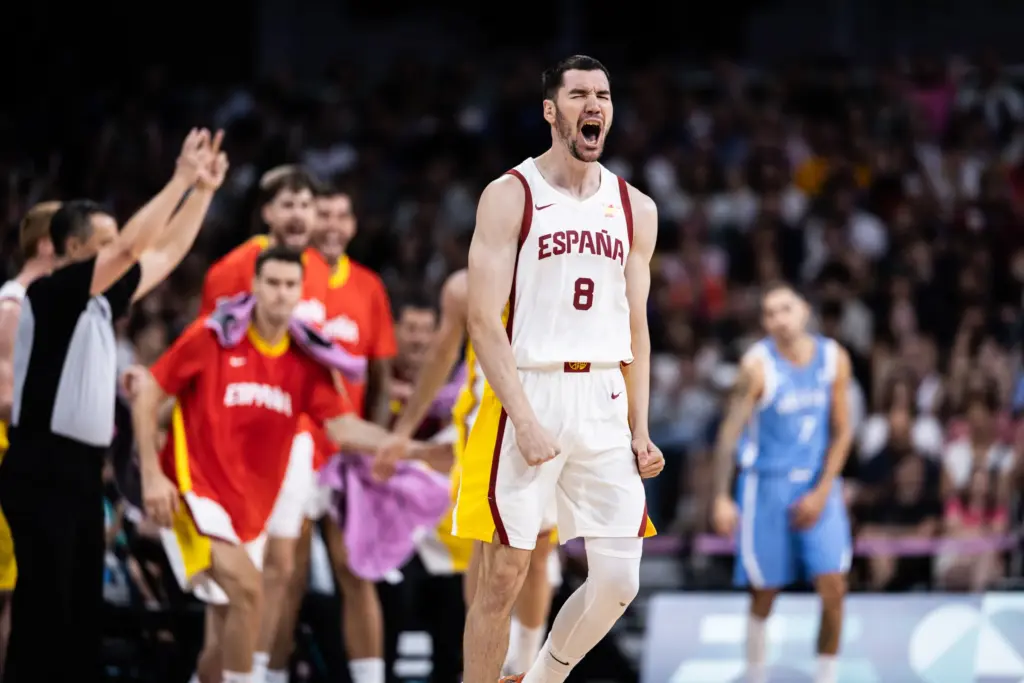
How are you approaching the rematch against Greece on November 29?
“With a great sense of urgency. A lot of urgency. We had qualification well on track, and things became complicated over the last two windows. We tried to put together a team combining EuroLeague players with young players based in the United States.
They weren’t used to working together, and bringing those two groups together proved very difficult. It didn’t work out, and the responsibility belongs to us, the players. Now, in this window, we’re going to try again to bring the EuroLeague players together with those who have actually delivered the results, and whose contribution we have to recognize.”
How dangerous do you consider Greece?
“Very dangerous. Sunday’s game is going to be extremely difficult. We already knew that, but we have to be prepared.”