





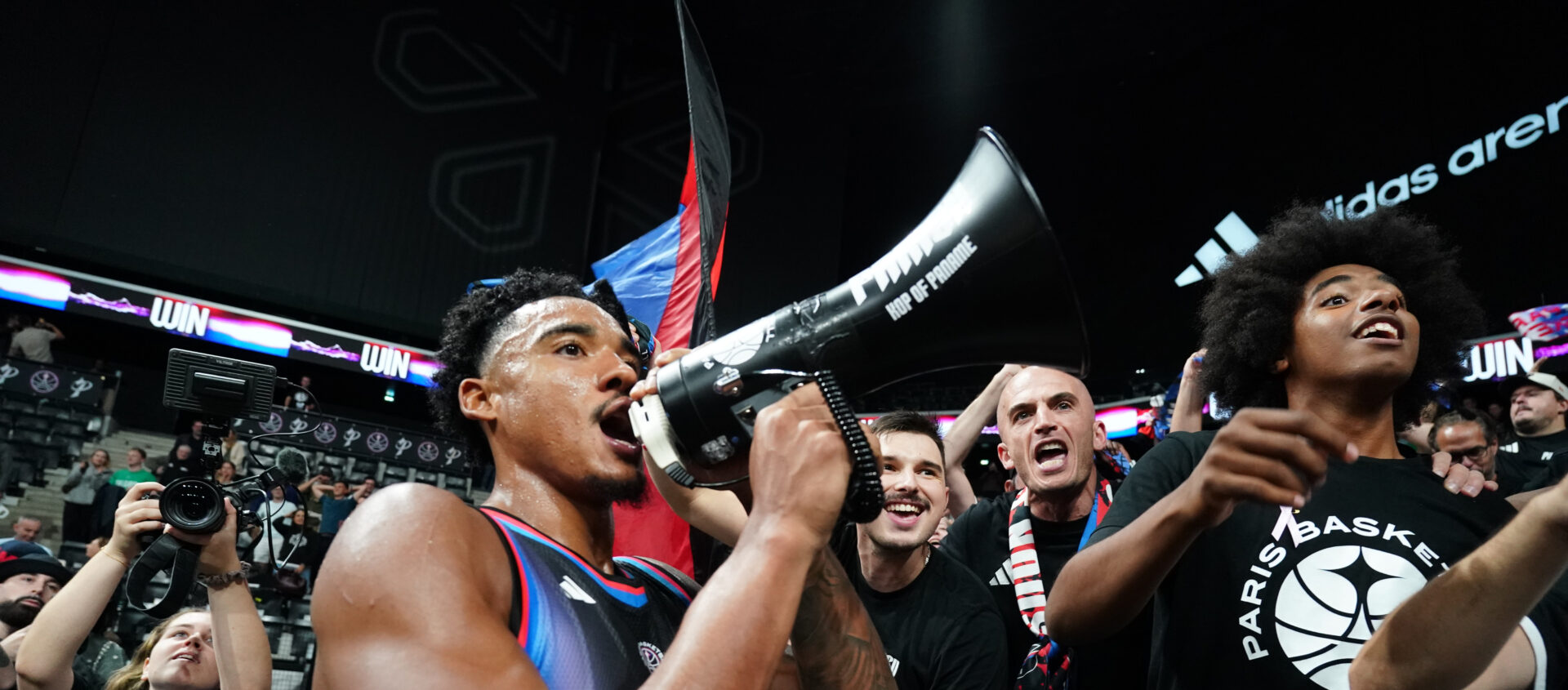

It will soon be a year since Jared Rhoden crossed the Atlantic to make his EuroLeague debut.


He joined Paris Basketball, made an immediate impact and soon attracted interest from bigger clubs.
So far this EuroLeague season, he is averaging 10.4 points, 3.6 rebounds and 2 assists per game.
“It’s only my second time here,” Rhoden tells me at a hotel in central Belgrade, ahead of the Round 5 clash with Crvena Zvezda.
The schedule is relentless, and Rhoden hasn’t had much of a chance to explore the city on either visit.
“Especially during double-round weeks,” he laughs.
Speaking to SK Week, the 27-year-old Rhoden illustrated the differences between European and American basketball culture – both on and off the court. He also explained why Nadir Hifi’s reputation as a selfish player is unfair, named Sylvain Francisco as the toughest player to guard in the EuroLeague, and talked about Chima Moneke’s trash talk – and plenty more.
“Basketball Is More Tactical in Europe”
When you first got to Europe, you said you wanted the game to slow down for you. Since then, what do you feel you read better, which situations, and what was the hardest part about adjusting to EuroLeague basketball?
I think it’s about understanding that some plays take a little longer to develop. Even though we still play very fast in Paris and take the first good shot available, it’s a more tactical game, taking your time, letting the game come to you and not always just taking the first thing you see, allowing things to develop a little more.
What are some of the mistakes you made one year ago that you’re not making anymore?
Just thinking impulsively. Previously, I was very… In America, you’re always taught to use your aggression to kind of offset things. And here you have to use your mind, I think.
So now I’m just slowing down a little bit, using my mind to see what’s going on, assessing how the game is going, and then taking my advantages and using my athleticism and my speed in the moments where I can. So just picking my spots a little better.
Could you name a specific situation, just to illustrate with an example?
It’s when I’m on the attack. What I’ve been realizing is that I’ve always been a good player out of the corner. But being able to play from the top of the key, get downhill, draw fouls and operate with more space has really benefited me.
“Hifi Has a Reputation for Being Selfish, but He’s Anything But”
 You said you wanted to be one of the best two-way players in Europe. Who are the best two-way players in Europe right now, and who has shown you what you need to improve in order to become one of them?
I think some of the guys I can name are Talen Horton-Tucker, Wade Baldwin. Man, you’ve got guys like Nick Weiler-Babb, who’s been doing it for a long time.
Just some of the guys that I’ve watched, and I admire their games.
You’ve got older guys, too, like Will Clyburn, Kevin Punter. So yeah, it’s quite a long list of guys, but I’ve been trying to take a little something from everybody lately.
Playing alongside Nadir Hifi, what do you see and what do you learn that we can’t see through the screen?
His high IQ. He’s a very smart player. He understands the game and he’s a great teammate.
And I think sometimes he gets the reputation that he’s kind of selfish, but he’s very selfless.
It might not always be obvious, but he takes his time and allows everybody else to find their rhythm while finding his own.
The Most Important Quality of a Great Teammate
Now that you’ve mentioned it, in your opinion, what constitutes a great teammate?
That’s a great question. I think what makes a great teammate is consistency.
Someone like Seba Herrera, who’s our captain, is somebody who, no matter how the day is going, no matter how the game is going, is just always consistently there.
He’s always going to be a strong voice. He’s always going to bring positive energy.
When you have a long season, when you’re transitioning from domestic games to EuroLeague games, it’s a key piece to have somebody who’s consistent throughout those times.
Going back to Nadir, what do you feel is his ceiling? Can he make it in the NBA, for instance?
Yeah, I believe so. I believe he’s an NBA talent.
Obviously, there’s tons of talent in the NBA and it’s a long journey. But I think if you find the right moment at the right time, because the NBA is all about timing.
It’s never about whether you’re capable. It’s just about whether a team needs you at the right moment, and you get the opportunity, showcase your game and have great games. You can put together a long career.
I’ve seen it happen to so many guys.
I have nothing but optimism for Nadir and his potential career in the NBA.
Do you see yourself coming back?
For sure. I think my ability to play defense alone can get me right back into the league, for sure.
Moneke Tries to Get in Your Head: “Oh Man, I Got You There”
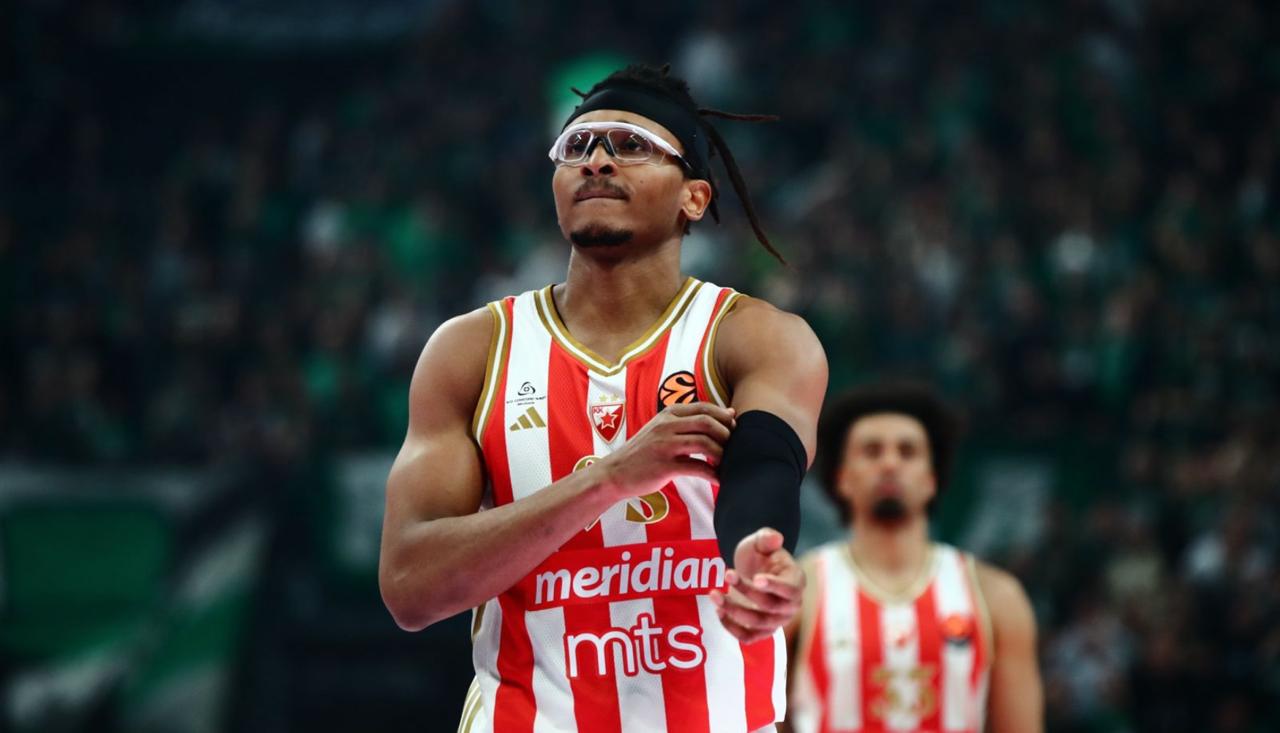
In one of your recent interviews, you said that Chima Moneke is the funniest trash talker in the EuroLeague. So what does he say? Can you name a couple of things?
I don’t have anything that he says in particular. He’s just somebody who’s full of energy.
There are these little moments when you can feel his energy. He’s very aggressive, trying to manipulate you a little bit and get in your head.
In what ways?
Just trying to throw you off your game. He may give you a hard bump or a hard screen and tell you, “Oh man, I got you there.”
Just little stuff like that over time. And as the game goes on, it builds up.
So he’s a great competitor, man. I love his energy.
And apart from him, who are the biggest trash talkers?
It’s actually funny. There aren’t many people who talk a lot of trash in Europe.
I feel like everyone is kind of reserved. Everyone’s focused on the game. There’s not really much time to talk because everyone’s thinking about what’s going on.
Whereas I think in the NBA, there are so many more moments when people don’t have to think, they’re just reacting.
So you have more moments where you can talk smack and do this and do that. It’s obviously different.
“In Europe, It’s More About the Team; in the US, It’s More Individual”
Apart from that, what would you say are the biggest differences when it comes to basketball culture in Europe and the States?
I think the biggest difference is how individuality and the team are viewed.
Overseas, it’s very much a collective, a team camaraderie. For instance, in Paris, we eat lunch and dinner together, every meal, with no phones.
And we’re trying to build a certain bond and connection.
Whereas in the NBA, it’s more individual, where you have your moments when you can spend time by yourself and not worry, and just get away.
So yeah, I think it’s just the natural European culture of togetherness, this collectiveness, whereas Americans are more individual.
What suits you better?
I think I can adapt to both, which is one of my strengths.
So whatever is needed in the moment, I think I can kind of adapt to it. And I think that’s good for me and it’s good for whoever I play for or am a part of.
The Toughest Player to Guard? Francisco
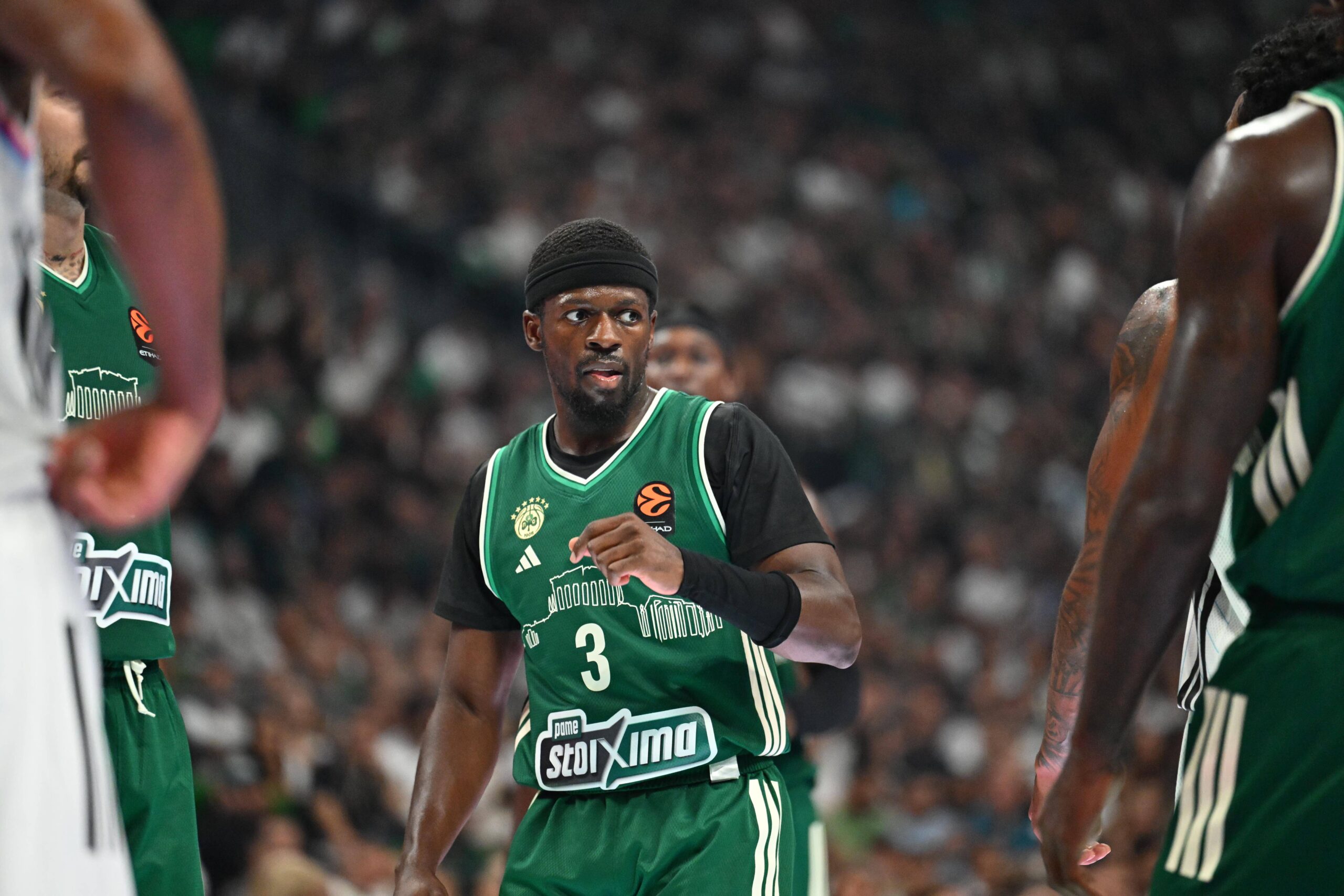 Who’s the toughest player for you to guard here?
Francisco is probably the toughest player.
He’s just so dynamic, so explosive, and his jump shot is really coming along.
So he’s really hard to guard when you’re trying to stop him from getting downhill, but then he’s got that step-back jumper, and it’s pretty much unstoppable.
What is it like having such a young coach (Max Lefèvre, 41)? Does it change anything in terms of communication and team dynamics?
I think it’s great. We have a young team, so I think it allows us to have an open, honest understanding of each other, of what’s going on, and to be able to speak up and say things how we see them.
And there’s just an open way of communication, which is really effective for young players.
What’s the coach’s way of getting his message across? Team meetings, individual meetings – how does it work?
I think it’s really a collective thing, and that’s just the way Paris has always been. Everyone’s involved and has a say. It’s about finding the quickest way to get the information across.
I always say that it’s not about who’s saying it, it’s just about what information is being shared.
So I don’t look at who’s giving me the information. I just look at whether the information is good and whether I can take it and use it.
And I think that’s something we do here. No matter who it is, you can call anybody and they’ll help you out with your car, or they’ll help you out with something like, “Hey, I need the film,” and there’s someone accessible who can help you with that.
It’s a collective effort.
From “We Love You” to Death Threats
You mentioned you had a brief conversation with Olympiacos during the summer and mentioned some other teams. What made staying in Paris the most logical decision for you?
Being honest, I was on a two-year contract with Paris, so I was kind of trying to explore the options I had, just to see how the market was. That’s pretty much it.
We’ll see how the summer goes, and who knows what the future could hold.
What’s the best thing about European basketball?
I think it’s the atmosphere of the crowds, the arenas, and just the commitment of the fans.
Everyone is really invested in the game. They love showing up and supporting.
You get crazy fans messaging you good things, crazy fans messaging you bad things, death threats, all types of stuff.
So I think it’s all good because it shows that people care about the game of basketball, which is ultimately all you can ask for.
Were there any specific creative, nice messages, and what were some of the weirdest, ugliest messages you got?
Some of the creative, nice messages are like, “Man, we love you, we’d love to have you as part of our organization, play for us.”
And some of the crazy things are threats to your family, or just crazy things.
I mean, I don’t really get into any of that stuff. It’s just extra. I’ve been dealing with it my whole career. It is what it is.