







The NBA rarely rewards patience, but the 2026 offseason has made one thing abundantly clear: not every franchise can accelerate its way into contention. A breakout season, a healthy superstar or one unexpected trade could transform the outlook of several franchises.


Some teams have committed to rebuilding through the draft, others are trying to revive their fortunes with established stars, and a few appear trapped somewhere between those two approaches. The difference between having talent and building a functional basketball team has rarely been more apparent.
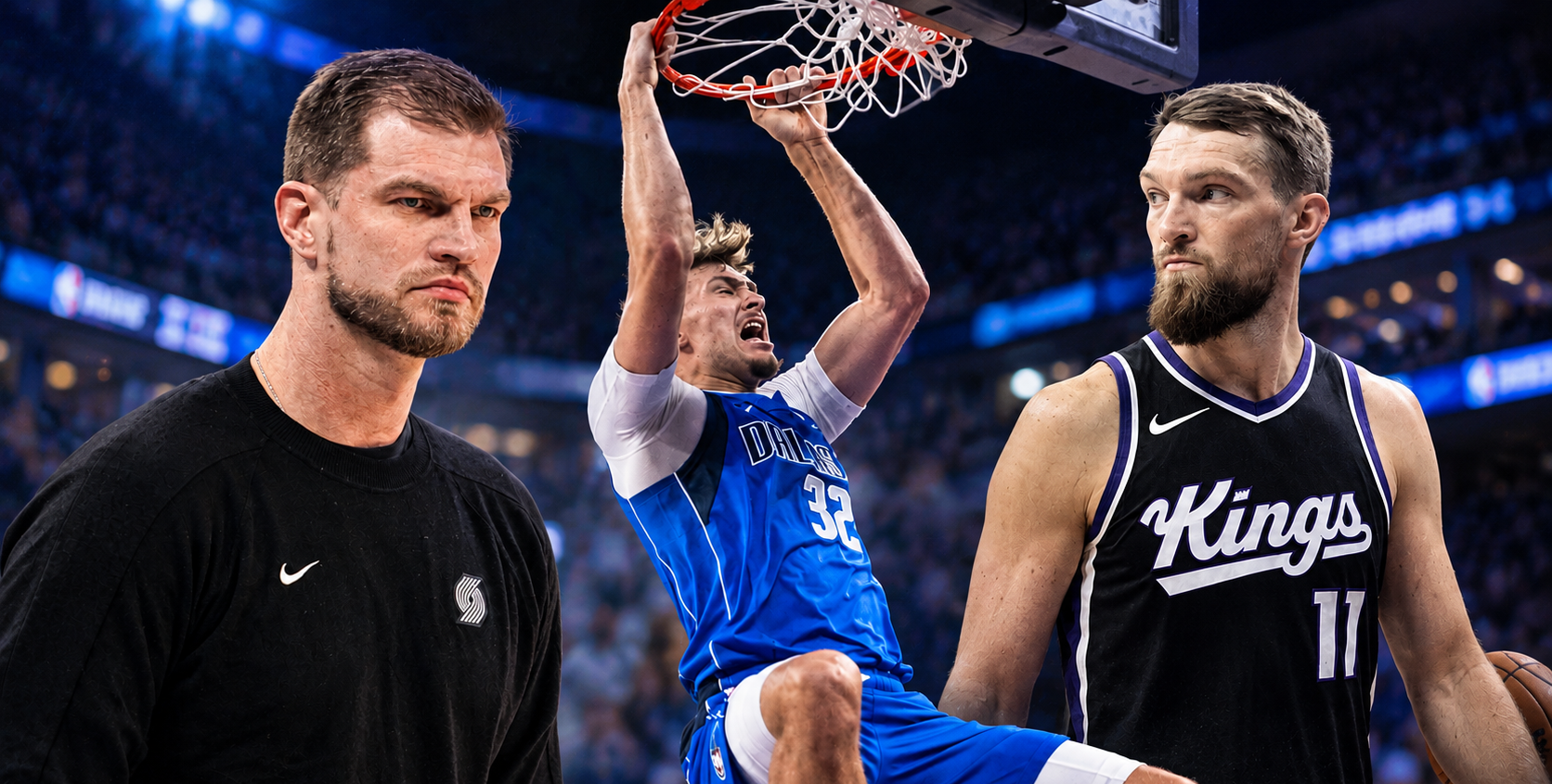
In the opening installment of SKWEEK’s three-part NBA Power Rankings, we examine the ten teams facing the greatest uncertainty ahead of the 2026-27 season. Their situations are not identical. Sacramento and Milwaukee must confront uncomfortable realities, Washington and Dallas are balancing development with established names, while Golden State and Portland have ambitions that extend beyond their current position.
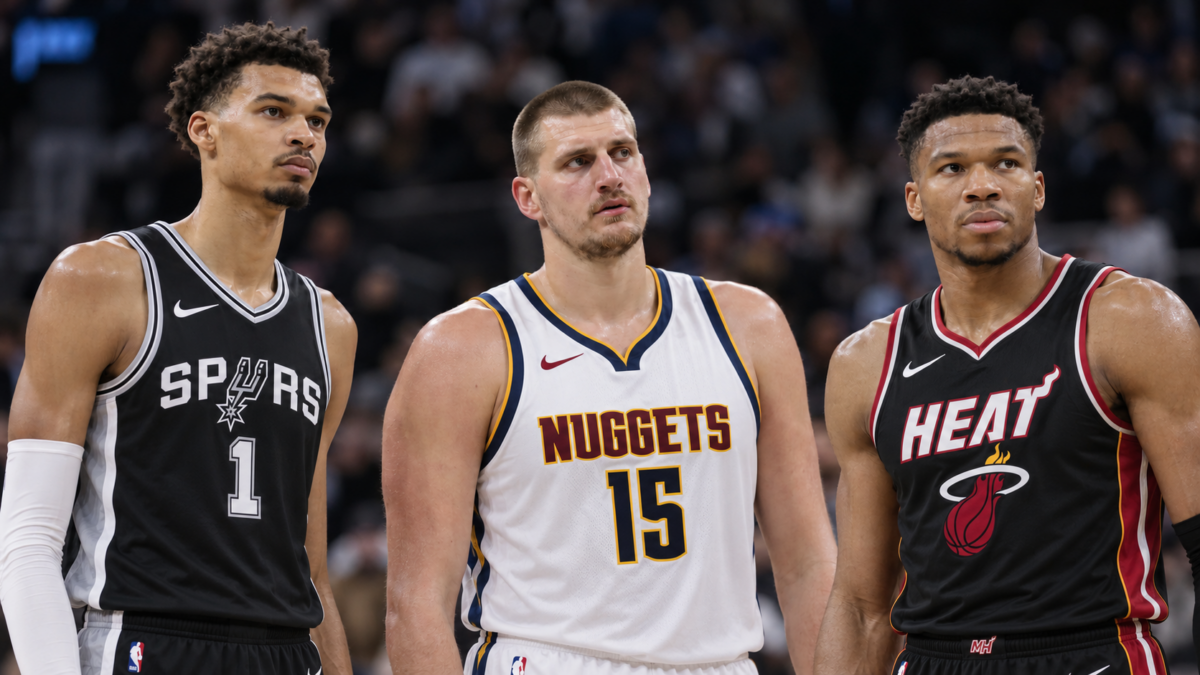
The three-part series will count down all 30 NBA teams, from rebuilding projects to championship contenders. The ranking is an original SKWEEK editorial projection, and considers roster quality, offseason changes, coaching, health, regular-season potential and playoff ceilings. Last season’s records appear in parentheses.
30. Sacramento Kings (22-60)
The Kings enter the season with a roster that raises more questions than it answers. Domantas Sabonis remains an accomplished offensive hub, and Zach LaVine can generate points in bunches, but neither provides the defensive foundation Sacramento desperately needs. DeMar DeRozan’s departure creates opportunities for younger players, most notably rookie guard Darius Acuff Jr., whose shot creation offers a glimpse of a different future.
The additions of Ben Simmons and promising prospects such as Alex Karaban provide intriguing possibilities without necessarily solving the team’s structural problems. Spacing, perimeter resistance and roster balance remain significant concerns.
Sacramento’s best-case scenario involves Acuff developing quickly while Sabonis keeps the offense respectable. More realistically, this looks like a transition year in which identifying long-term contributors matters more than chasing the Play-In Tournament.
29. Milwaukee Bucks (32-50)
For the first time in more than a decade, Milwaukee must imagine its future without Giannis Antetokounmpo. His departure to Miami fundamentally changes the franchise’s competitive identity, leaving new coach Taylor Jenkins with a complicated rebuilding assignment.
Tyler Herro, Jaime Jaquez Jr., Kasparas Jakucionis and young prospects such as Brayden Burries offer reasons for optimism. Yet the roster lacks a clear superstar, reliable defensive structure and established hierarchy. Bobby Portis’ departure removes another familiar presence from the championship-era core.
Jenkins’ immediate challenge is to establish principles that survive individual results: defensive accountability, intelligent ball movement and meaningful opportunities for younger players.
Milwaukee could occasionally surprise more talented opponents through collective effort, but a postseason push would require several unexpected breakthroughs. The season should ultimately be judged by player development and the clarity of its long-term direction.
28. Washington Wizards (17-65)
Washington might possess the strangest combination of ambition and uncertainty in the league. Trae Young provides elite playmaking, Anthony Davis offers two-way star power when healthy, and No. 1 draft pick AJ Dybantsa represents a potentially transformative talent.
The problem is making those timelines coexist. Davis’ availability remains a major concern, while Young’s ball dominance could complicate the development of Washington’s younger creators. Alex Sarr, Kyshawn George and Bub Carrington all need meaningful responsibilities, not simply occasional opportunities alongside established stars.
There is enough talent for a substantial improvement on last season’s disastrous record. Nevertheless, roster construction and defensive cohesion remain enormous questions.
If Davis stays healthy and Dybantsa makes an immediate impact, Washington could threaten the Play-In conversation. A more realistic objective is establishing a sustainable identity around its young core.
27. Chicago Bulls (31-51)
Chicago has chosen another significant reset, replacing Billy Donovan with Tiago Splitter and reshaping a roster that already emphasized pace, movement and unconventional offensive principles.
Norman Powell supplies established scoring, Nic Claxton strengthens the interior defense, and rookie Caleb Wilson offers long-term upside. Josh Giddey’s passing and Matas Buzelis’ versatility could make the Bulls entertaining, especially when they generate transition opportunities.
Yet the departure of experienced contributors leaves a team that appears short on dependable depth. Splitter must also improve a defense that struggled to support Chicago’s ambitious offensive approach.
The Bulls should be capable of producing impressive stretches against stronger opponents, particularly if Wilson adapts quickly and Buzelis takes another step forward. Consistency, however, will be difficult.
Chicago’s season is more about determining which pieces belong together than measuring success exclusively through victories.
26. Los Angeles Clippers (42-40)
Few franchises have undergone a more dramatic identity crisis. The Clippers have moved away from the veteran-heavy group built around James Harden, Ivica Zubac and other established names, while Kawhi Leonard’s future has also been a central storyline.
Darius Garland gives Los Angeles an accomplished offensive organizer, and Rui Hachimura adds scoring versatility. Kris Dunn and Derrick Jones Jr. can provide defensive resistance, but the roster lacks continuity and a convincing foundation for sustained success.
The biggest question is whether the Clippers can create an efficient offense without relying excessively on individual shot creation. Their recent teams were among the league’s least active in ball and player movement.
There is enough experience to remain competitive, but the Western Conference offers little margin for error. Another season hovering around the Play-In positions feels more plausible than a serious playoff run.
25. Memphis Grizzlies (25-57)
Memphis has officially entered a new era following Ja Morant’s departure. The franchise is rebuilding its identity around a younger core, with rookie Cameron Boozer offering the possibility of becoming its next offensive centerpiece.
Jerami Grant adds veteran scoring, while Isaiah Stewart and Quinten Post provide different frontcourt options alongside Zach Edey. The biggest challenge is turning those individual pieces into a coherent system after a season marked by defensive weaknesses and poor rebounding.
The Grizzlies were particularly vulnerable on the defensive glass, an issue that must improve regardless of their offensive development.
Boozer’s adaptation will be one of the most compelling rookie storylines, but expecting him to transform Memphis immediately would be unrealistic.
A successful season would involve meaningful progress from the young players, improved defensive habits and evidence that the organization has finally established a credible post-Morant direction.
24. Brooklyn Nets (20-62)
Brooklyn remains firmly in development mode, although Julius Randle’s arrival should make the offense considerably more competitive. Michael Porter Jr. provides perimeter scoring, while Day’Ron Sharpe offers interior activity and rebounding.
The franchise’s most important questions, however, concern its younger players. Egor Demin and rookie Mikel Brown Jr. need opportunities to establish themselves as legitimate long-term building blocks.
The Nets finished last season with the league’s least efficient offense, and simply adding more reliable shot creation should produce some improvement. Their defensive ceiling remains limited, particularly following Nic Claxton’s departure.
Randle can help Brooklyn win games, but there is an important distinction between becoming respectable and developing into a future contender.
The organization should prioritize evaluating its prospects and finding combinations that can grow together, even if that occasionally comes at the expense of immediate results.
23. Dallas Mavericks (26-56)
Dallas enters a fascinating transition under new coach Dusty May. Cooper Flagg is already the franchise’s central figure after an impressive rookie campaign, while Kyrie Irving’s return introduces both excitement and uncertainty.
Irving remains an outstanding offensive talent, but his age, injury history and contractual situation make his long-term role difficult to predict. Zaccharie Risacher and Santi Aldama add versatility, while rookie Morez Johnson Jr. strengthens the young frontcourt.
The health of Dereck Lively II could be just as important. Dallas has looked considerably stronger defensively with him available, but his limited playing time has prevented the team from establishing continuity.
Flagg’s development is the organization’s overriding priority. If Irving returns at a high level, the Mavericks could compete for a Play-In place. Otherwise, another developmental season may be the most productive outcome.
22. Golden State Warriors (37-45)
Stephen Curry remains capable of transforming an ordinary offense into a dangerous one. Unfortunately for Golden State, the question is how much longer the franchise can depend on that extraordinary individual influence.
The Warriors struggled without Curry last season, and his availability will again shape their ambitions. Kristaps Porziņģis offers an intriguing combination of shooting and interior size, but his durability remains difficult to trust.
The arrival of Yaxel Lendeborg adds another developmental element, although Golden State still lacks the depth and dependable supporting talent normally associated with a playoff contender.
There is a plausible scenario in which Curry stays healthy, Porziņģis contributes consistently and the Warriors outperform expectations. There is also a considerable risk that injuries expose the roster’s limitations.
Golden State remains dangerous on any given night, but sustaining that level across 82 games is another matter entirely.
21. Portland Trail Blazers (42-40)
Portland might be the most intriguing team in the bottom ten. Ja Morant’s arrival and Damian Lillard’s return create an explosive, if complicated, backcourt, while Deni Avdija and Toumani Camara provide the versatility needed to support them.
Donovan Clingan gives the Blazers a genuine interior presence, and their offensive rebounding was already among the NBA’s strongest assets.
The problem is balance. Portland has assembled considerable talent at guard and center but lacks natural depth at forward. Morant and Lillard will also need to establish an effective partnership without compromising the team’s defensive progress.
New coach Micah Nori inherits a group with considerably more upside than its ranking suggests.
If the guards stay healthy and Avdija continues improving, Portland could become a genuine playoff challenger. For now, however, its exciting possibilities remain accompanied by substantial tactical questions.