













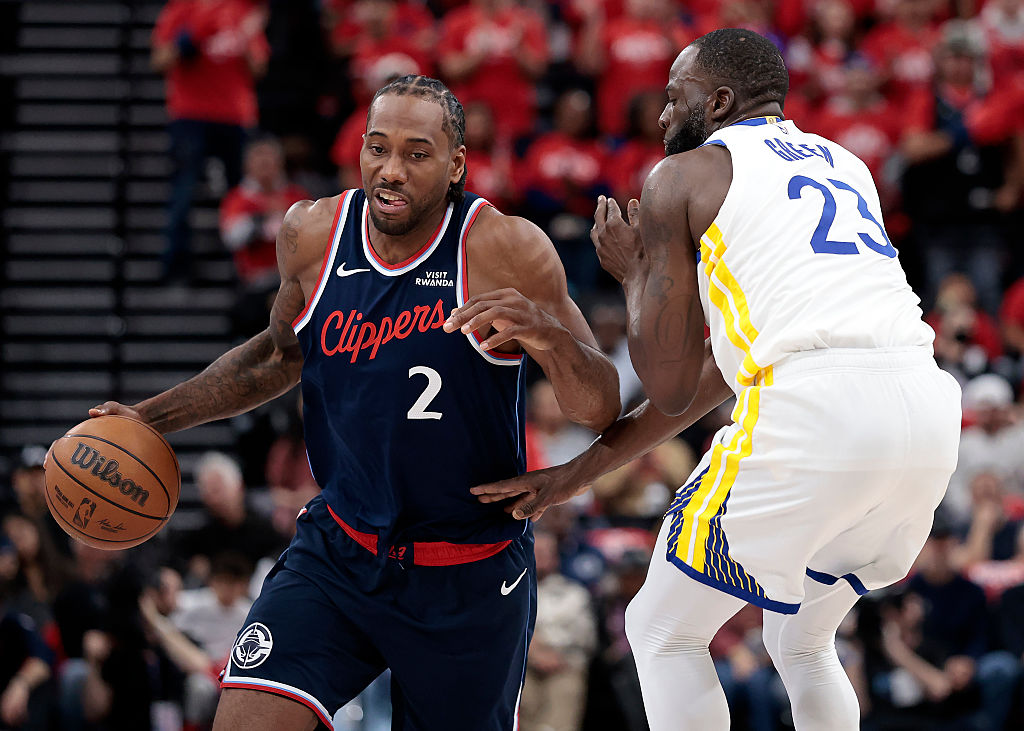

The Clippers paid a heavy price over the Kawhi Leonard case, but Draymond Green is looking beyond the punishment and asking the question that really matters: has the salary cap started restricting more than it was ever meant to?


Draymond Green has a unique way of starting conversations. This time, however, behind his comments on the Los Angeles Clippers and Kawhi Leonard lies a question that deserves far more attention than the punishment itself.
The NBA fined the Clippers $30 million and took away five future first-round picks, while team owner Steve Ballmer was suspended from league activities for one year. Leonard was fined $700,000 but avoided a suspension. The NBA’s investigation concluded that the Clippers had facilitated endorsement deals between Leonard and companies with business ties to the organization, most notably the $28 million agreement involving Aspiration.
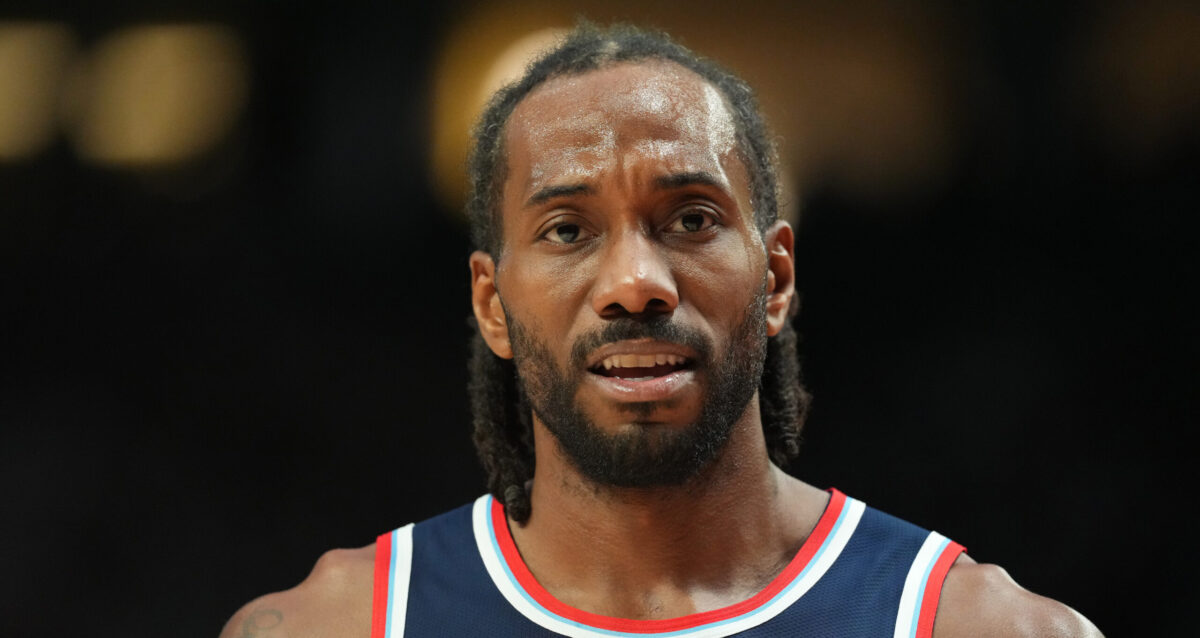
Green, however, was less concerned with whether Leonard deserved to be punished than with the fact that he was not punished more severely. More importantly, he used the case to open up a much bigger conversation.
“Why is there a salary cap? Why can’t players make money from sponsors of the teams or the league?” Green asked on his podcast, arguing that the NBA is a league built around its players and the commercial value they generate. If a superstar can create an additional $20 or $30 million in endorsement revenue, why should that automatically become a problem?
That is where the substance of Green’s argument lies, but also where an important distinction has to be made.
The salary cap does not exist to determine how much a player is worth on the open market. It exists to limit how much teams can spend on their rosters and, above all, to protect competitive balance. If a team could simply funnel additional money to its player through companies it does business with, then the salary cap would exist only on paper.
That was precisely the issue in the Clippers case. The NBA did not punish Leonard because he had commercial value or because he made money through endorsements. The problem was the team’s involvement in the deals and whether those arrangements were being used as an indirect way of providing the player with financial benefits outside the salary cap. This is where Green has a point that should not get lost in all the noise.
The NBA’s best players are no longer simply athletes. They are global brands with enormous commercial value, and they have every right to capitalize on it. The league itself has built a huge part of its success around the personalities of its players. There is a fundamental difference, though, between a player monetizing his own value and a team creating a parallel mechanism to give that player money that cannot fit under the salary cap. That distinction matters.
The comparison with Major League Baseball makes the conversation even more interesting. MLB does not currently have a salary cap, instead operating under a Competitive Balance Tax that penalizes teams for exceeding certain payroll thresholds. However, MLB has now proposed introducing both a salary cap and a salary floor starting in 2027, with a proposed first-year cap of $245.3 million and a floor of $171.2 million.
While MLB is discussing how to impose greater financial restrictions on its teams, the NBA is trying to make sure its existing rules cannot be bypassed through the commercial power of its organizations. That is why the real question is not whether Green is right about the Clippers. On that point, the answer is clear: if a team uses its business partners to indirectly provide additional compensation to a player, the salary cap stops functioning as intended.
The more interesting question lies elsewhere: can the NBA protect competitive balance without restricting the actual commercial value of its players? Green does not justify what the Clippers did. But he does justify the question behind it. Because the salary cap should be a restraint on teams when they try to buy a competitive advantage. It cannot, and should not, become a ceiling on the value of the players themselves.