





Basketball is tipping off a new season with several rule changes that fans will notice immediately on the court. Among them is a particularly crucial shift, as it rewires two of the most common whistles when a game turns heated: unsportsmanlike and technical fouls. Starting in the 2026-27 season, the FIBA rulebook introduces a new classification system designed to distinguish more precisely between stopping a play intentionally, committing dangerous physical contact, and engaging in unsportsmanlike conduct.


Disruptive or Flagrant: That is the question
The traditional unsportsmanlike foul is gone as a single, catch-all concept. In its place are two distinct categories: disruptive fouls and flagrant fouls. A similar shift occurs with technicals, which are now split into Category 1 and Category 2 technical fouls. This isn’t just semantic hair-splitting—the disciplinary consequences now vary depending on the specific violation.
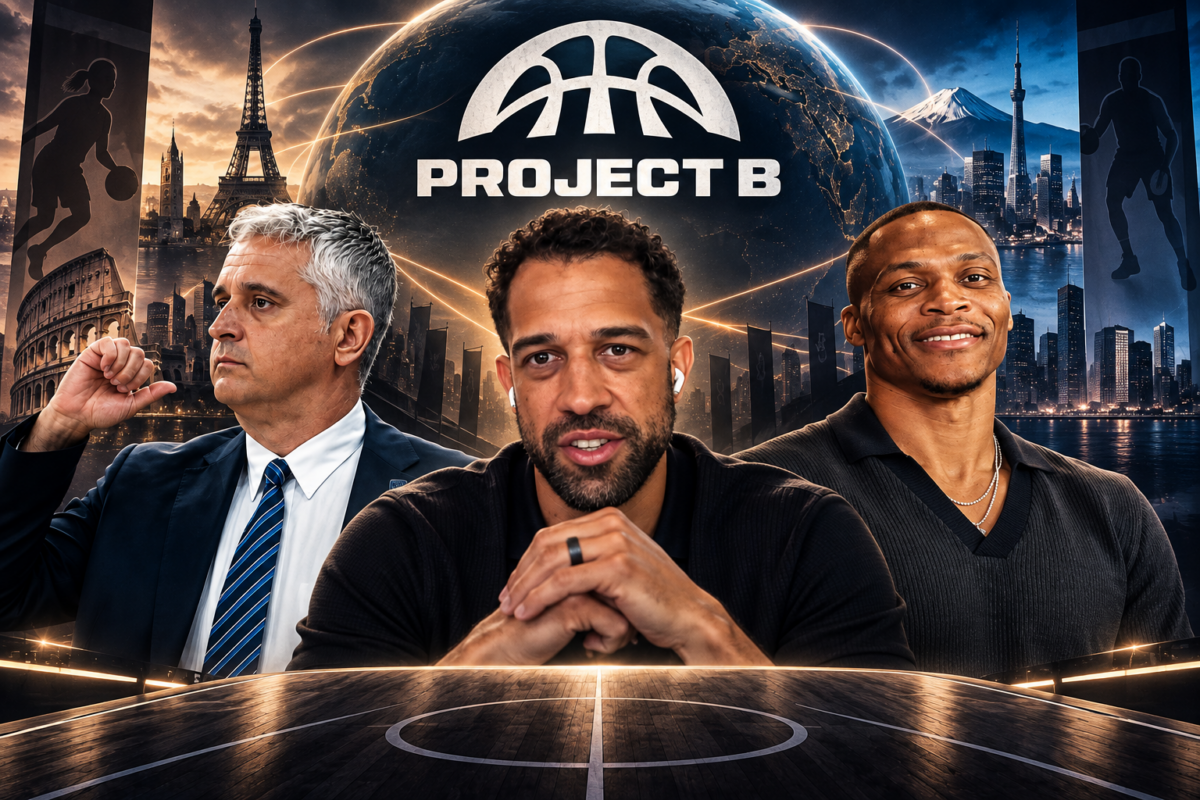
Until now, unsportsmanlike fouls served as an umbrella for various scenarios where a defender made contact deemed outside the bounds of a legitimate basketball play. The new rulebook aims to draw a clearer line between tactical fouls designed to stop the flow of play and actions involving heavy, dangerous, or unnatural contact.
Take, for instance, a fast break following a turnover: a player loses the ball, the opposition takes off toward the opposite rim, and a defender —desperate to prevent an easy bucket— chooses to take a intentional foul. Previously, many of these plays resulted in an unsportsmanlike foul. Under the new rules, they will be classified as disruptive fouls. This category covers contact intended to deliberately halt an offensive sequence, particularly when the defender makes no genuine effort to play the ball. It also applies when a transition-stopping foul is committed by a clear-path defender (the last man back), even if an attempt on the ball was made.
However, this new call isn’t limited to transition defense. It can also be blown when a player intentionally fouls to freeze the game clock in the closing seconds of a quarter or overtime without a realistic chance at making a play on the ball.
The basic penalty remains unchanged from the old unsportsmanlike foul: two free throws and possession for the fouled team. But there is a major divergence when it comes to the stat sheet: a disruptive foul does not count toward a player ejection via accumulation.
That is where the second new category comes in: the flagrant foul. Flagrants focus strictly on the nature of the contact rather than whether the play was meant to stop the clock or break up a transition, as is the case with disruptive fouls. A flagrant foul will be whistled when a play strays far beyond a legitimate basketball move and is deemed excessively reckless, violent, or dangerous. These fouls still carry the two shots and ball recovery penalty, but like the former unsportsmanlike call, they come with added disciplinary teeth: flagrant fouls count toward an automatic ejection.
Under the new framework, a player will be tossed after picking up two flagrant fouls, or a combination of one flagrant foul and one Category 1 technical. This structure cleanly separates tactical play-stopping from malicious or dangerous actions.
Technicals get a language of their own
The second major rule tweak for 2026 reshapes technical fouls. Moving forward, technicals are no longer a single, uniform call, splitting instead into Category 1 and Category 2.
Category 1 technicals primarily govern conduct and sportsmanship. This includes showing disrespect toward game officials, taunting an opponent, using offensive language, or posturing aggressively. It also covers specific actions intended to distract an opponent —such as deliberately obstructing their field of vision— as well as flopping.
Additionally, there is an important nuance that is bound to pop up regularly: a heated confrontation involving physical contact between players can be assessed as a Category 1 technical, provided the altercation does not escalate to the level of a flagrant foul or an outright disqualifying foul.
Just like with disruptive and flagrant fouls, this breakdown carries real weight. Category 1 technicals do count toward ejection limits. Picking up two Category 1 technicals gets a player sent to the locker room early, as does a combination of a Category 1 tech and a flagrant foul.
Category 2 technicals, on the other hand, are strictly administrative infractions tied to game flow and mechanics. Examples include intentionally delaying the game during an inbounds pass, hanging on the rim without a valid safety reason, or committing defensive goaltending/interference during the final free throw attempt before the ball touches the rim. Category 2 technicals do not count toward ejection by accumulation. In theory, a player could pick up as many as four -same scenario than with disruptive foul- in a single game before fouling out on their fifth personal foul.
What it Means on the floor
This rule change is far more than a nominal rebranding. For viewers, the difference will be felt most during high-leverage moments: a stop-the-clock foul on a break, a hard collision, a skirmish between players, or a delay-of-game tactic will no longer be lumped under one generic tag. The exact nature of the infraction will carry much heavier consequences.
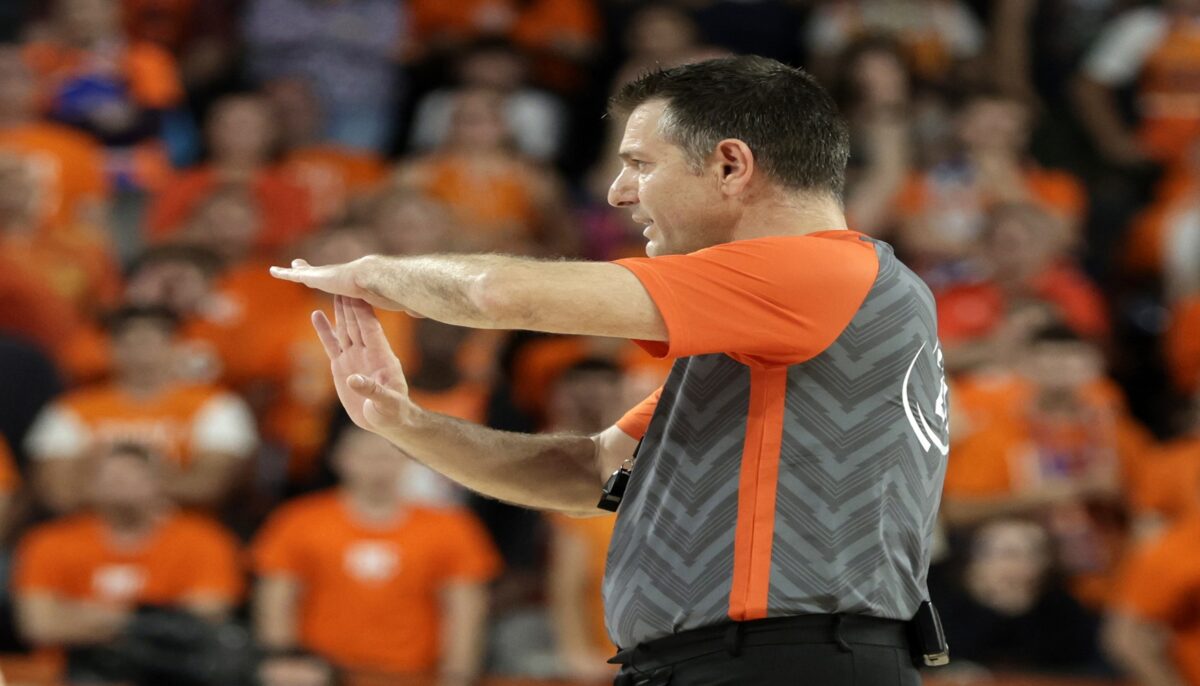
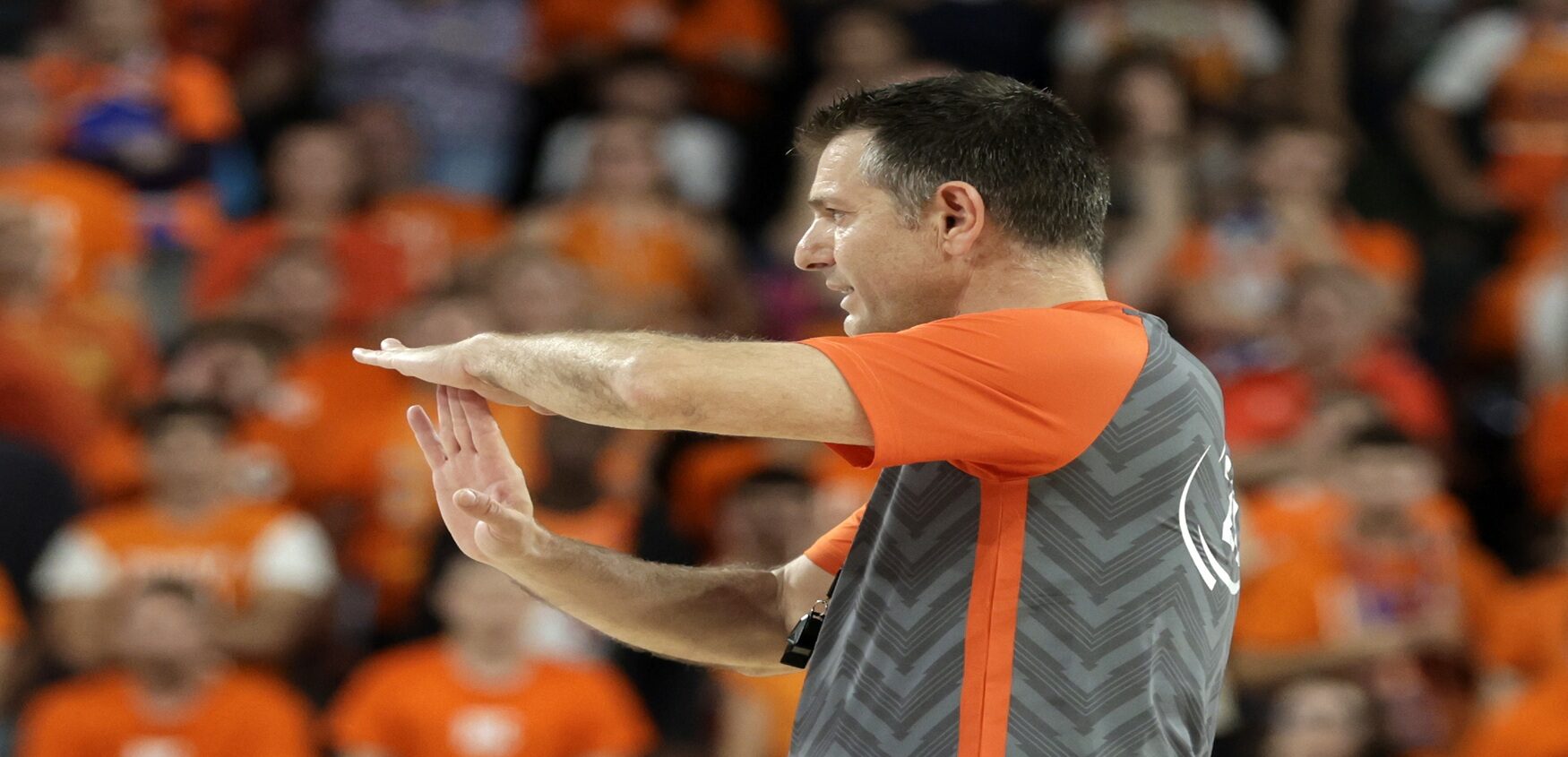
Now, referees, players, and coaching staffs will have to adjust to the new lexicon. Fans, too, will slowly learn what each whistle means —though it won’t be entirely seamless. FIBA’s designated official signal for a disruptive foul is virtually identical to a standard personal foul (bent elbow with a closed fist)—. Especially during the opening weeks of the season, expect plenty of heated discussions from the benches when a disruptive foul is whistled but visually looks like a common foul to the arena.
Everyone will need to take a deep breath and adapt to the new standard. But regardless of good intentions, many will struggle to understand why FIBA didn’t create a distinct signal for disruptive fouls to keep tensions from boiling over during crucial moments of the game.