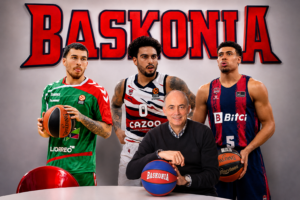






Some people make basketball history by scoring thousands of points, winning championships or coaching teams to glory. Others shape that history long before its protagonists ever step onto the court. Alfredo Salazar belongs firmly in the second category.


For almost four decades, the man who became synonymous with scouting at Baskonia traveled across continents searching for something that most people could not yet recognize: the next great player in European basketball.
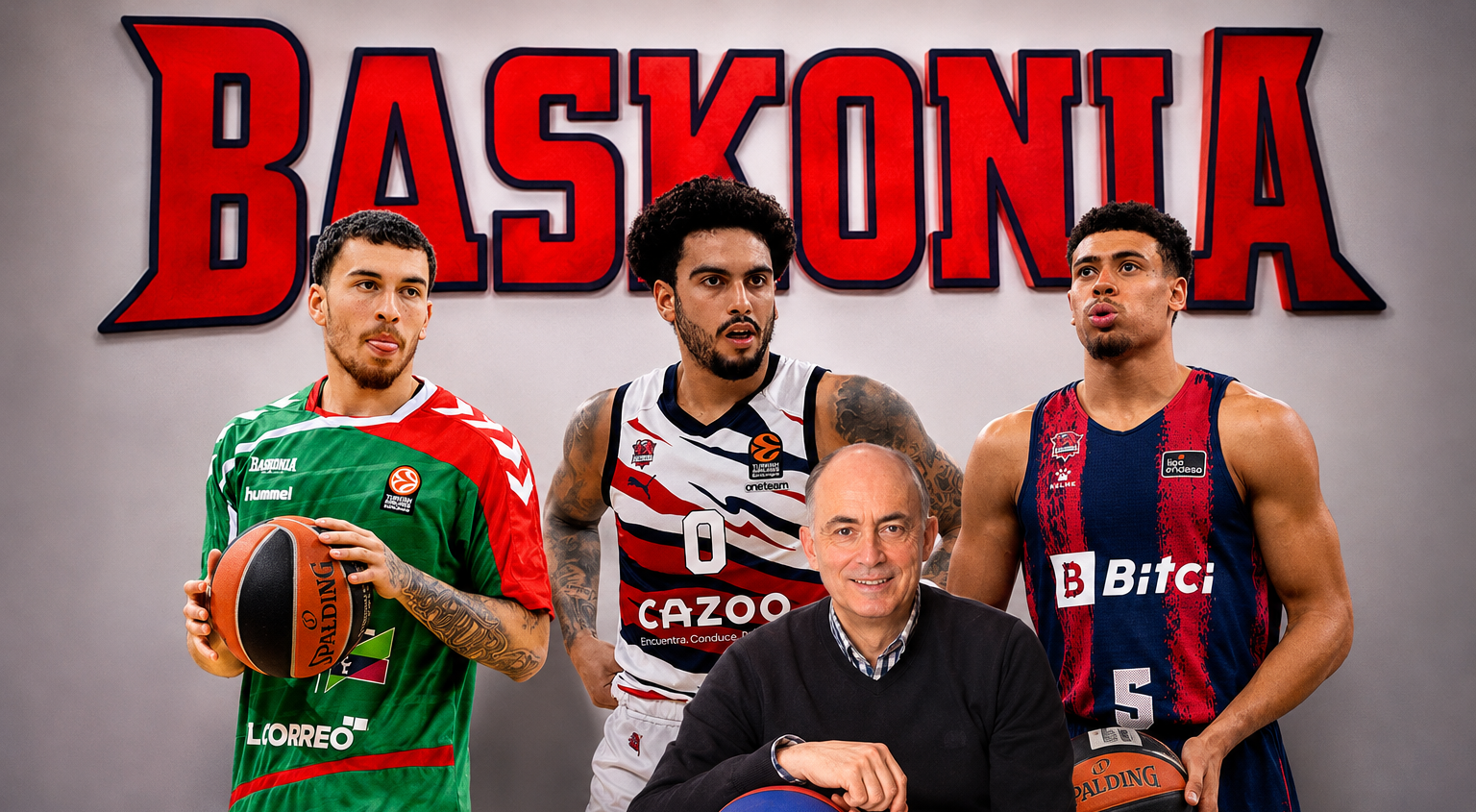
On November 18, 2026, Baskonia announced the retirement of their legendary 73-year-old technical secretary, who will remain connected to the organization as an advisor to the club’s presidency. It marked the symbolic end of an era that helped transform a relatively modest basketball institution in Vitoria-Gasteiz into one of Europe’s most respected clubs.
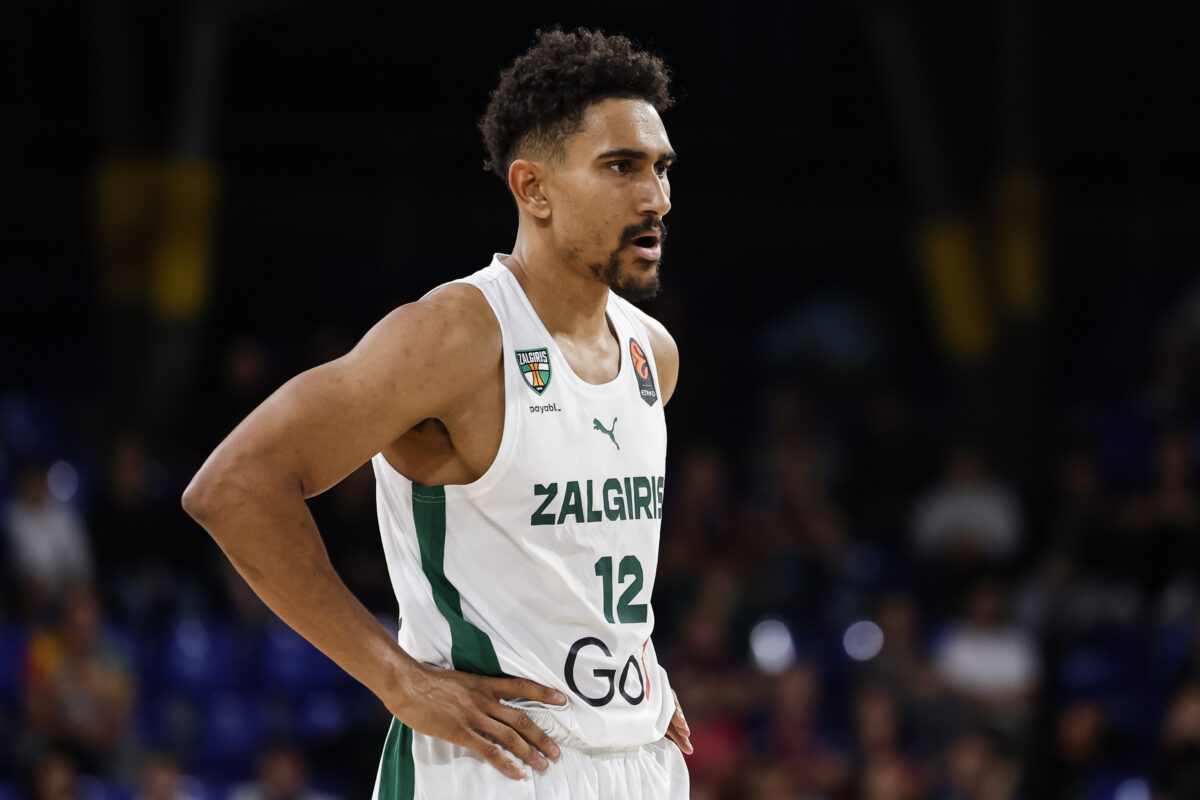
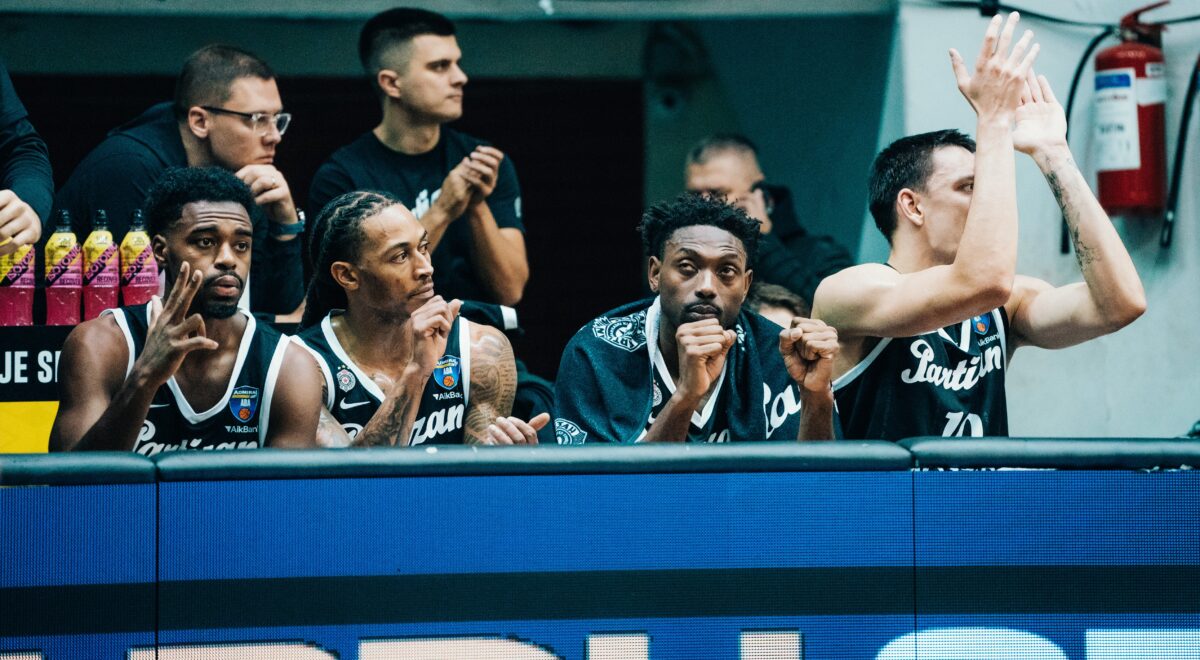
Marcelo Nicola, Luis Scola, Andres Nocioni, Tiago Splitter, Jose Manuel Calderon, Mike James, Shane Larkin, Luca Vildoza and countless others are part of a legacy that cannot be measured simply by compiling a list of successful signings.
Salazar was much more than an exceptionally gifted talent scout. Alongside longtime president Josean Querejeta, he helped establish a sporting and financial model that allowed Baskonia to challenge wealthier opponents, survive the departures of its biggest stars and continually reinvent itself.
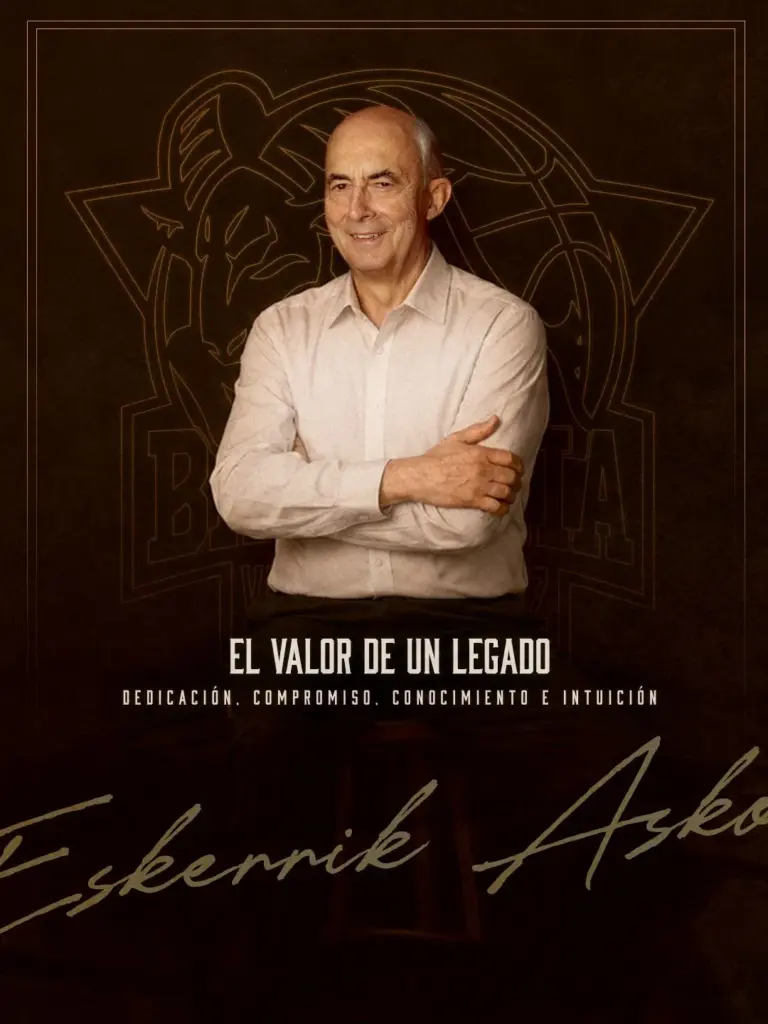
From a school in Vitoria to the other side of the world
Salazar’s story began long before the modern EuroLeague, advanced analytics, international scouting databases and instantly accessible game footage.
Born in Vitoria on July 1, 1953, he developed his passion for basketball at San Viator school before working in coaching and youth development.
He joined Baskonia in 1986, initially contributing to the club’s developing youth structure. He also worked as an assistant to American coach Herb Brown, although his future would eventually take him far beyond the sidelines.
The decisive turning point came when Querejeta became president in 1988. The ambitious executive understood that Baskonia could not compete with Real Madrid and Barcelona by simply matching their spending.
The club needed a different advantage: identifying exceptional players before they became expensive.
With connections established through figures including Pepe Laso and Argentine coach Leon Najnudel, Salazar traveled to Argentina in 1989. There was no internet, no comprehensive video library and no convenient way to monitor prospects from thousands of miles away.
Salazar later recalled arriving in Buenos Aires from the comparatively quiet surroundings of Vitoria without really knowing where to go or what awaited him.
It was a journey into unfamiliar territory. It also changed Baskonia forever.
Marcelo Nicola and the Argentine revolution
In Canada de Gomez, Salazar watched a young forward playing for Sport Club Cañadense.
His name was Marcelo Nicola.
The teenager possessed unusual coordination, technical ability and natural instincts for someone of his size. Salazar immediately recognized that he was watching something special.
Nicola could execute movements that European coaches were teaching their big men, yet for him they seemed entirely instinctive.
His arrival in 1989 opened a remarkable connection between Baskonia and Argentine basketball.
Juan Alberto Espil, Hugo Sconochini, Fabricio Oberto, Luis Scola, Andres Nocioni, Pablo Prigioni, Rubén Wolkowyski, Walter Herrmann and, years later, Luca Vildoza all became part of a remarkable succession of Argentine players associated with the club.
Approximately 25 Argentines would eventually pass through Baskonia as the relationship developed, with several also contributing to the golden generation of Argentina’s national team.
What distinguished Salazar was not simply his ability to recognize technical quality. He tried to anticipate how a young player would respond to a different basketball culture, greater physical demands and a much higher competitive standard.
He was scouting potential rather than merely evaluating present performance.
One month for Scola and a contract signed on a car hood
Some of Salazar’s greatest achievements came with extraordinary stories attached.
Signing Luis Scola was particularly difficult. The young Argentine already had his sights firmly set on the NBA and was not convinced that moving to Europe represented the right step.
Salazar spent days meeting the player and his family, attempting to explain how succeeding in Europe could ultimately accelerate his path to the United States.
He repeatedly contacted Querejeta to report that negotiations were going nowhere. According to Salazar’s recollections, the president’s message was effectively that he should not return without the player.
He remained in Argentina for approximately a month before finally securing the agreement.
The recruitment of Andrés Nocioni was arguably an even greater test of his conviction.
Baskonia had been considering two players at the same position, and the prevailing opinion favored the other candidate.
Salazar disagreed. He saw Nocioni’s athleticism, competitive personality, physical strength and long-term potential. He believed that the Argentine possessed qualities that would become increasingly important as basketball evolved.
Supporting Nocioni meant challenging the consensus within the organization. Salazar later acknowledged that he knew his recommendation could jeopardize his position if he proved wrong.
One of the most entertaining details came from Nocioni himself. The Argentine recalled signing his first European contract on the hood of a car because Salazar was preparing to leave for another scouting trip.
The player would eventually become an NBA veteran, Olympic gold medalist and one of the most recognizable personalities in European basketball.
And his European journey had begun with a scout who refused to follow the majority.
A 15-year-old Splitter and the overlooked Calderon
Argentina was only the beginning.
In Brazil, Salazar traveled to evaluate a promising 15-year-old center named Tiago Splitter. He had heard impressive reports about the teenager but wanted to see him personally. According to his account, watching Splitter perform the first exercises of a training session was enough. He immediately decided that this was the player Baskonia needed.
There was no need for an alternative.
Splitter subsequently agreed to move to Spain at just 15, a decision that initially surprised even his father. He developed into one of Europe’s outstanding centers before winning an NBA championship with the San Antonio Spurs.
Jose Manuel Calderon represented another example of Salazar’s ability to identify talent in unexpected circumstances.
While attending a Spanish youth championship, he noticed the young guard representing Extremadura. At a time when many scouts concentrated on recruiting tall players, Salazar was impressed by Calderon’s physical profile, movement and potential.
He moved quickly to secure his signing before the player attracted widespread attention.
Importantly, Salazar’s involvement did not end with recruitment. He worked extensively on individual skills with Calderon, just as he did with Jorge Garbajosa.
His understanding of player development helped him recognize not only who could become successful, but also how that success might be achieved.
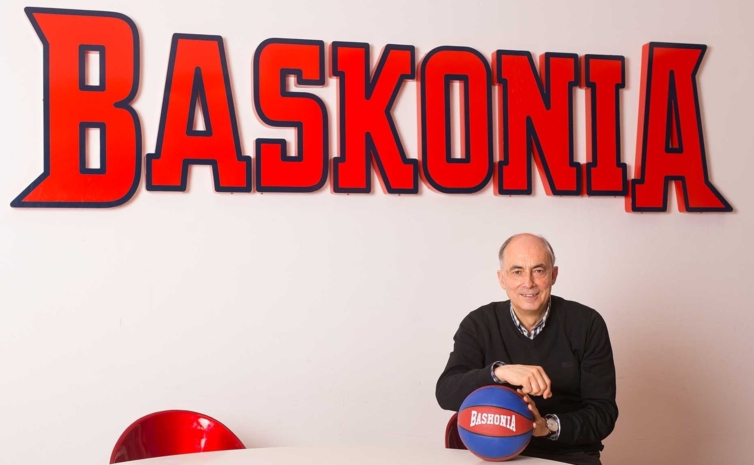
The EuroLeague’s star-making machine
As basketball evolved, Salazar expanded his geographical reach.
Lithuania, the Balkans, Brazil and the United States became important markets alongside Argentina.
Arvydas Macijauskas, Saulius Stombergas, Igor Rakocevic, Nemanja Bjelica, Mirza Teletovic and Tornike Shengelia were among the many players whose careers became closely associated with Baskonia’s ability to identify and develop outstanding talent.
The American connection was particularly remarkable.
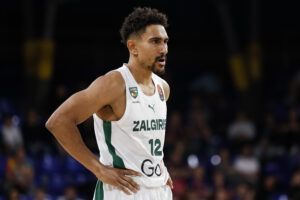
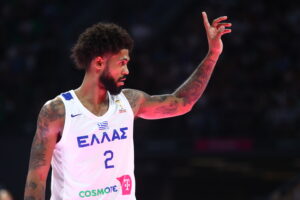
From Elmer Bennett to Mike James, Shane Larkin, Darius Adams, Wade Baldwin IV, Darius Thompson and Markus Howard, Baskonia established itself as a destination where talented guards could take their games to another level.
James arrived from Greek club Kolossos Rhodes in 2014, still seeking his breakthrough at the highest level of European basketball.
Two seasons later, he was part of a Baskonia team featuring Adams and Greek center Giannis Bourousis that reached the 2016 EuroLeague Final Four after sweeping Panathinaikos in the playoffs.

Larkin followed in 2016, producing an outstanding season before eventually establishing himself as one of the most explosive offensive players in European basketball.
Baldwin’s career also gained significant momentum in Vitoria after previous experiences with Olympiacos and Bayern Munich.
And then there was Markus Howard.
When Salazar learned that the American scoring guard might be available, he immediately recognized the opportunity. Other clubs questioned whether a player standing just 1.78 meters tall could become a dominant European scorer.
Salazar was far less concerned. Baskonia completed the deal in approximately 48 hours, moving faster than competitors who had not acted with the same conviction.
The pattern was familiar: identify exceptional ability, accept the accompanying risk and make a decision before everyone else.
Ginobili, Ibaka, Llull: The stars who got away
Not every ambitious recruitment operation ended successfully.
Some of the most fascinating stories surrounding Salazar involve players who came remarkably close to joining Baskonia.
- Manu Ginobili was one of the biggest missed opportunities. Baskonia held serious discussions about signing the Argentine, but in 1996 the club ultimately favored the more experienced Juan Alberto Espil.
- Serge Ibaka spent approximately a week training at Baskonia’s facilities in 2007. However, he and his representatives were reluctant to commit to a lengthy contract that might complicate his anticipated move to the NBA.
- Sergio Llull was also considered when Baskonia needed a young point guard, but the club ultimately pursued Goran Dragic. The Slovenian was signed, although he did not make an appearance during his initial spell and spent time on loan before heading to the NBA.
- In 2009, Baskonia attempted to recruit 15-year-old Croatian prospect Dario Saric, reportedly exploring an unusually long contractual commitment. The move never materialized, with Saric remaining in Croatia.
Other names associated with unsuccessful approaches included Nikola Vujcic, Rudy Fernandez, Nick Calathes and, more recently, Isaia Cordinier.
These cases also illustrate the limits of even the most sophisticated scouting operation.
Recognizing talent is one thing. Convincing a player, negotiating contractual terms and overcoming competing interests are entirely different challenges.
Talent, physical tools and character
What did Salazar see that others missed?
His philosophy could be summarized in three words: talent, physical attributes and character. For him, evaluating a prospect was never simply about counting points or assessing performances against weaker opponents.
The central question was whether the player’s abilities would translate to a more demanding environment.
How would he respond to stronger defenders? Could he handle pressure? Was he prepared to improve? Did his personality match the demands of professional basketball?
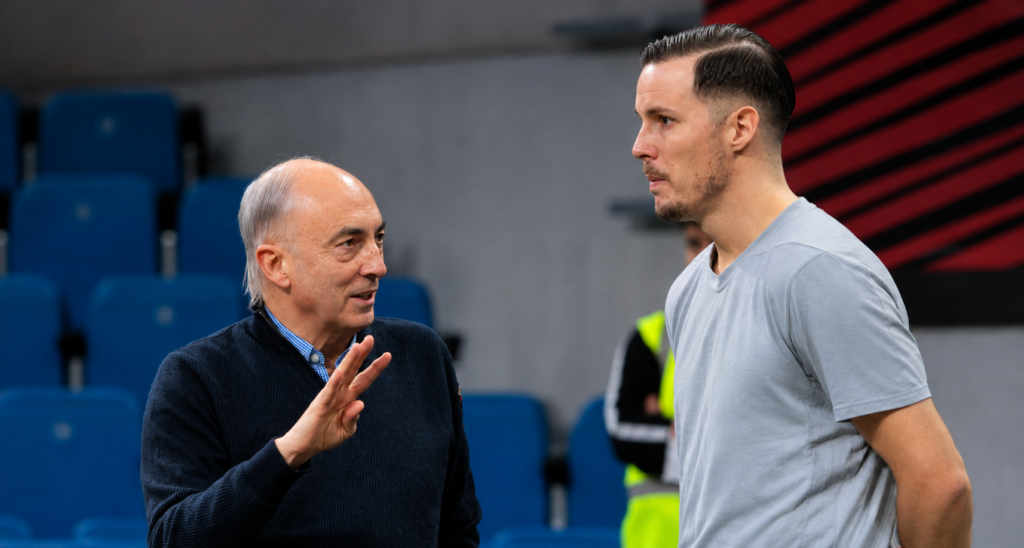
Salazar frequently described scouting as something resembling hunting. When a player caught his attention, he wanted to watch him again, compare him with alternatives and investigate every detail until he was satisfied.
Nocioni once joked that Salazar’s research was so meticulous that he even wanted to know which side a prospective signing slept on.
Yet the man responsible for so many high-profile careers rarely sought recognition. Quiet, discreet and uncomfortable with excessive publicity, Salazar consistently emphasized the importance of collaboration, luck and Querejeta’s leadership.
He regarded the president as the person responsible for setting the direction, while his own task was to find the players capable of turning that vision into reality. Their partnership became one of the defining relationships in modern European basketball.
The business model that challenged Europe’s richest clubs
Baskonia’s success was not built around retaining expensive stars indefinitely.
Instead, the club developed a different cycle: discover talent, develop it, provide a platform at the highest level and eventually allow successful players to move to wealthier teams or the NBA.
For many organizations, losing a leading player would represent a major sporting setback. At Baskonia, it became part of a carefully managed process of regeneration.
Transfer income could be reinvested, while the club’s reputation as a place where careers flourished helped attract the next generation of ambitious prospects. This strategy contributed to a trophy collection including four Spanish league titles, six Spanish Cups and four Spanish Super Cups, alongside a long-standing presence among Europe’s leading clubs.
It also created something that cannot be fully captured by trophies: Baskonia became a reference point in the careers of players scattered throughout the EuroLeague.
The club’s influence extended far beyond Vitoria, with former players becoming stars for some of the continent’s most powerful teams. The remarkable achievement was not only that Baskonia occasionally discovered an outstanding player, but also that the organization repeatedly found ways to replace him.
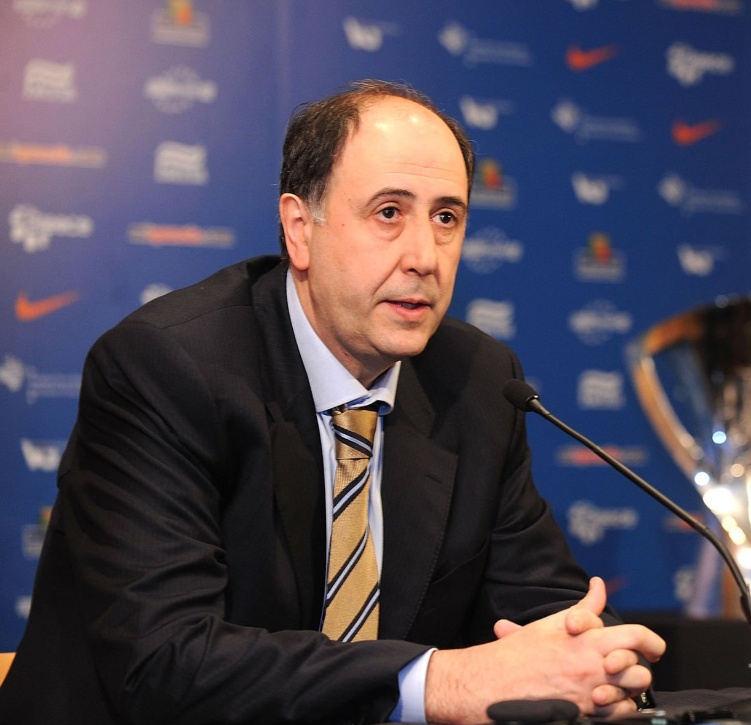
A difficult succession and the end of an era
In recent years, the conditions that allowed Baskonia to flourish have become increasingly difficult to reproduce.
Wealthier clubs have developed extensive international scouting networks. Technology has made promising players easier to identify, and competition for emerging talent has intensified.
The advantages that once distinguished Salazar’s approach are no longer as exclusive.
In the summer of 2025, Baskonia appointed Xevi Pujol, previously with Manresa, to modernize its sporting department. However, his coexistence with the established structure proved problematic, and he eventually departed for Barcelona.
Juan Pedro Cazorla, Salazar’s longtime collaborator, subsequently emerged as the leading figure in Baskonia’s technical department. The transition has taken place amid increasing scrutiny of the club’s roster construction and its ability to remain competitive in an evolving European landscape.
Salazar’s retirement therefore represents more than the departure of an influential executive. It raises questions about how Baskonia can preserve the principles that made it successful while adapting to a fundamentally different market.
His continued involvement as an advisor to the presidency offers an important connection to that history. Even after stepping away from the relentless travel and daily responsibilities of scouting, Baskonia still values his judgment.
Players change. Coaches come and go. Budgets grow, markets evolve and competitive advantages disappear. But a club’s identity is built by people capable of seeing possibilities beyond the present.
For almost 40 years, Alfredo Salazar helped Baskonia see the future before most of its competitors. And European basketball is full of players whose careers bear his fingerprints.