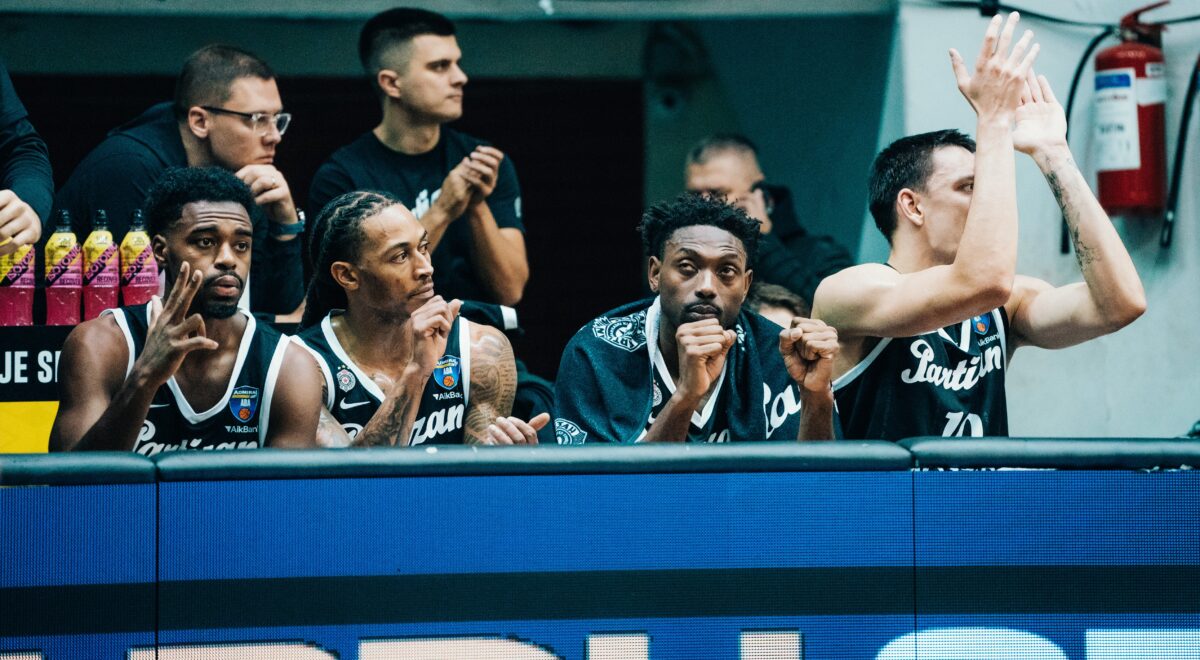







The game against Valencia came just as Partizan had finally completed a roster-building process that had stretched over several months. Chris Silva’s arrival filled the last remaining spot, but the first EuroLeague game since his signing showed how far Joan Peñarroya still was from having his full roster available. The 64-76 loss to Valencia showed how much Partizan still struggles to get reliable production from its bench, particularly when the starters have trouble generating offense.


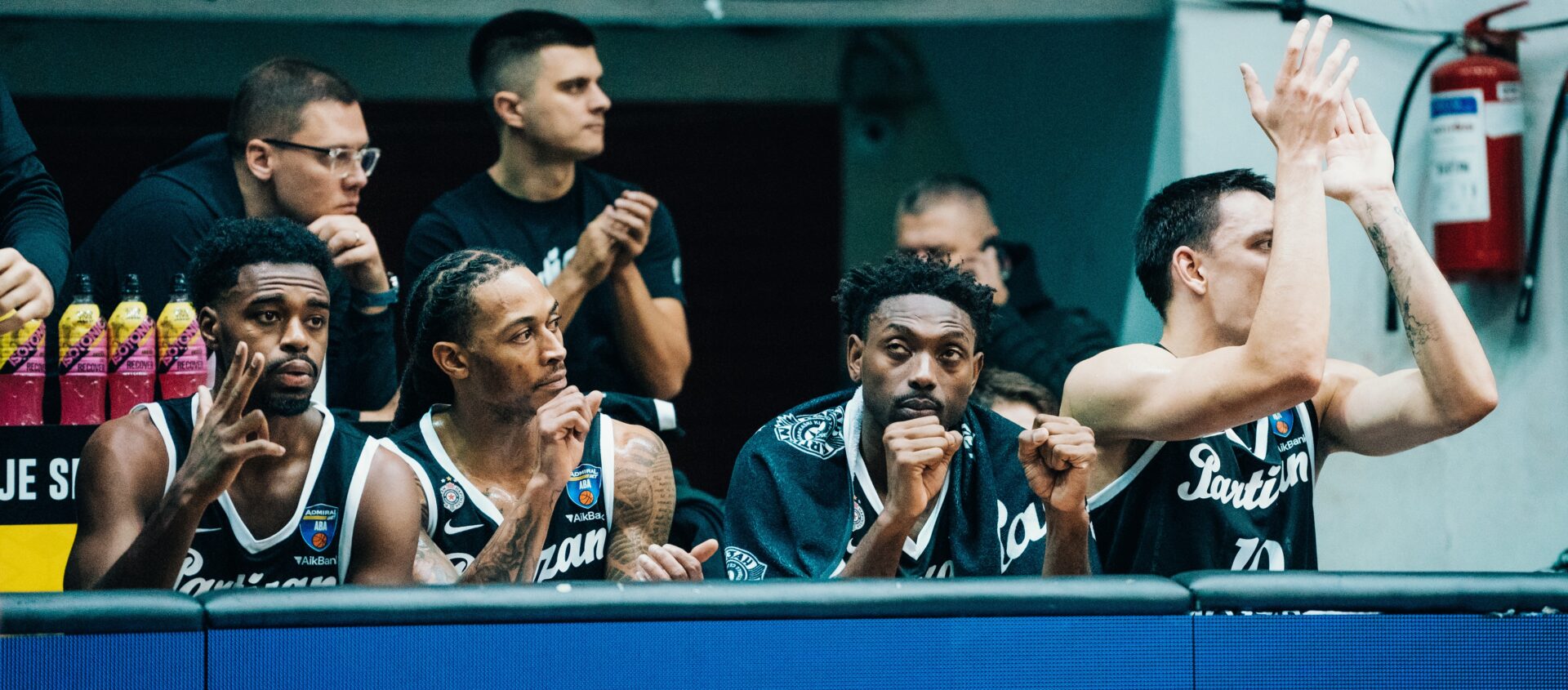
The difference in bench production was striking. Partizan’s reserves contributed just 11 points, compared with Valencia’s 42. The numbers were almost reversed among the starters, with Partizan’s starting five scoring 53 points to Valencia’s 34. That does not necessarily mean Partizan’s starters outplayed Valencia’s when both starting units were on the floor.
The contrast became particularly apparent in the fourth quarter, which Partizan entered trailing by just one point, 51-52. Valencia found contributions from several players and pulled away, while the hosts struggled to generate offense. Partizan’s reserves scored only three points over the final ten minutes, all coming on a Luca Vildoza three-pointer late in the game, when Valencia had already built a substantial lead.
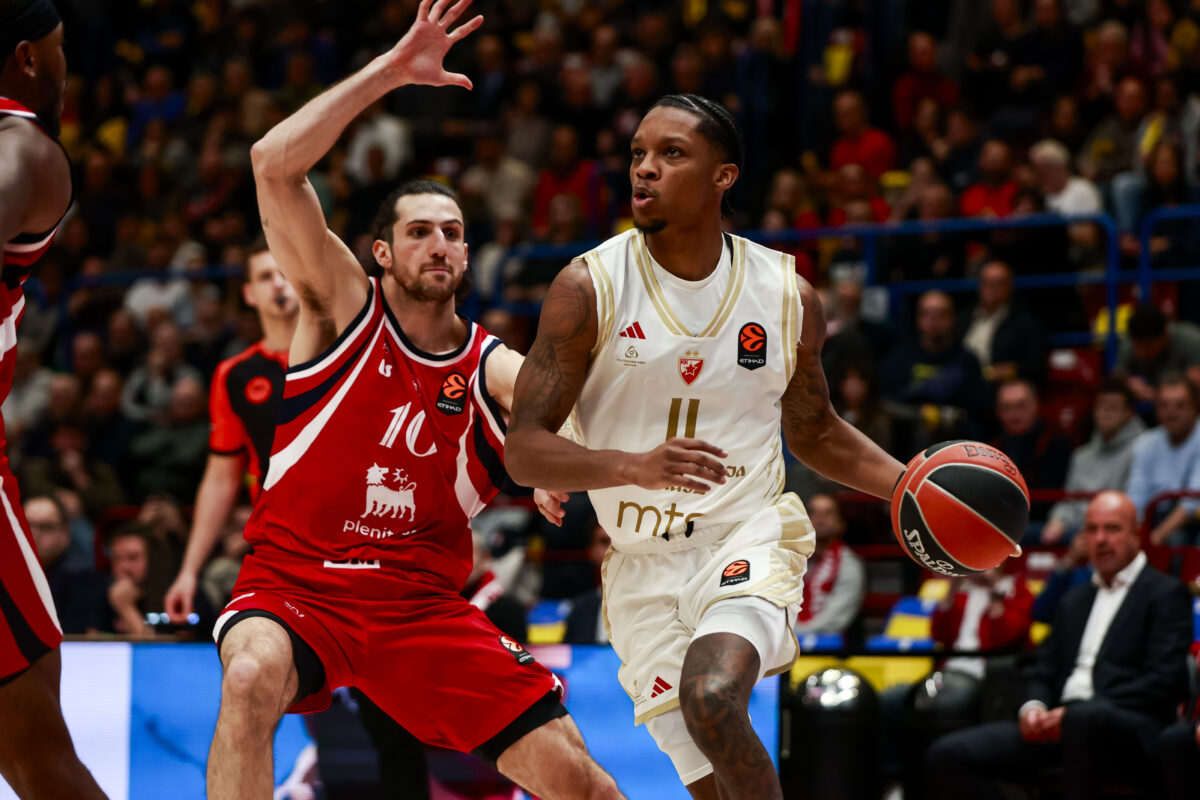
Okay, bench production cannot be measured by scoring alone. Some players have different responsibilities, including defensive pressure, rebounding and playmaking, while Valencia’s reserves also spent more time on the floor. Still, the gap in efficiency was too large to explain through minutes or roles alone. Partizan’s bench shot just 4-for-21 from the field, a dismal 19 percent, including 1-for-11 from three-point range. Valencia’s reserves went 15-for-34 overall and 6-for-14 from beyond the arc.
Partizan Still Relies Too Heavily on Carlik Jones
Particularly concerning was Partizan’s inability to get meaningful offensive support from the players expected to take some of the burden off Carlik Jones. His 21 points and five assists represented by far the best individual performance among the home team’s players, but Valencia recognized how heavily Partizan’s offense depended on him. The visitors used aggressive defense to disrupt his playmaking and force his teammates to take greater responsibility.
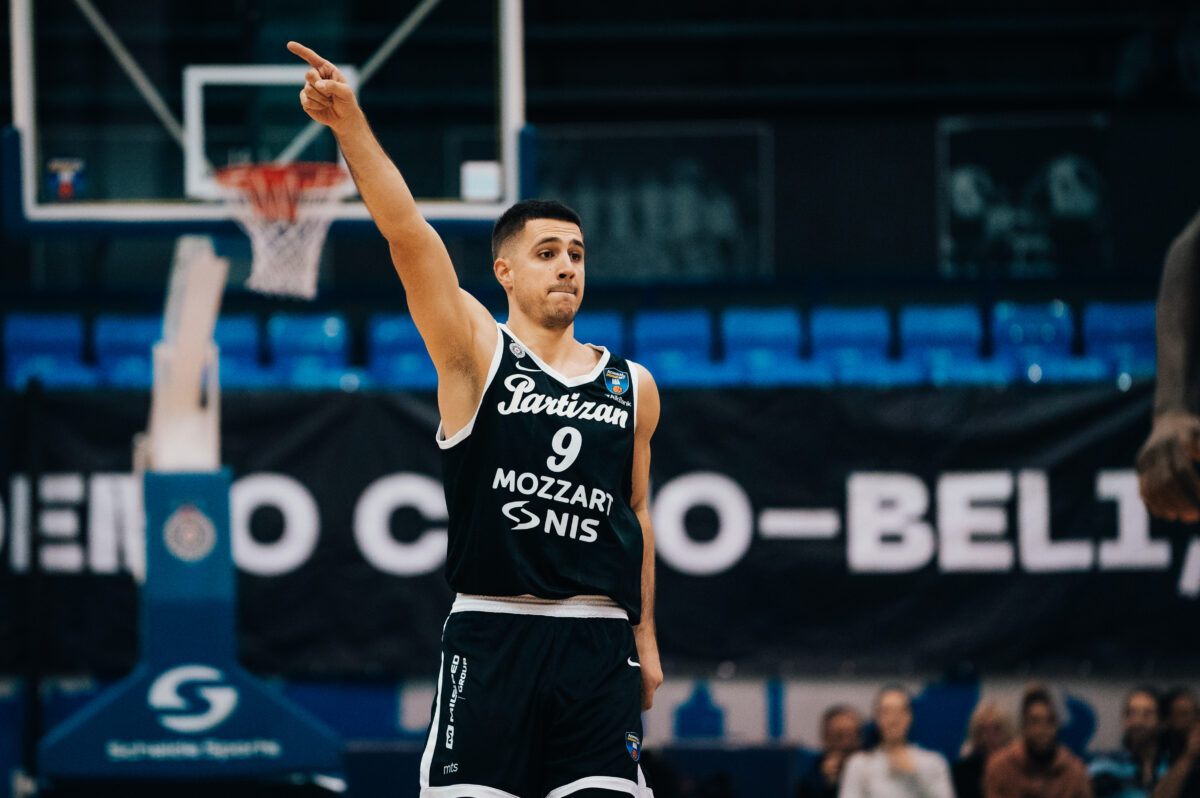
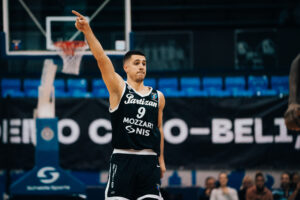
Luca Vildoza failed to capitalize on the opportunities created by Valencia’s defensive attention to Jones. The Argentine guard played just under 15 minutes, scored three points on 1-for-7 shooting and finished without an assist, committing two turnovers and recording a performance index rating of minus-seven. Partizan was outscored by 15 points during his minutes on the floor. That was a significant disappointment from a player expected to be one of the team’s primary creators, especially against an opponent concentrating so much of its defensive attention on Jones.
Partizan needed Vildoza to provide another offensive option, either through his own scoring or his playmaking. He delivered neither. His technical foul in the third quarter made matters worse during a stretch when Partizan was trying to take control.
Stevens and Tanasković Could Not Reproduce Their Recent Impact
Lamar Stevens brought physical energy, showed defensive commitment and scored an important basket at the end of the third quarter to cut Partizan’s deficit to 51-52. However, he shot just 2-for-9 from the field, missing several attempts around the rim, and finished with six points.
Nikola Tanasković scored only two points and grabbed five rebounds in almost 20 minutes. Although he did not take many shots, he made little offensive impact. That was particularly noticeable compared with his previous EuroLeague appearance against Baskonia, when he scored 14 points on 7-for-8 shooting inside the arc. Partizan has yet to get that kind of production from Tanasković consistently.
Arijan Lakić went scoreless, missing both of his three-point attempts, while Antonio Reeves also failed to get on the scoresheet. Both had limited playing time, especially Reeves, but Partizan received little offensive help during those stretches. Chris Silva played fewer than four minutes, making it difficult to draw meaningful conclusions from his debut. The new center had arrived only a few days earlier and had little time to familiarize himself with his teammates or the system. Peñarroya explained that he was not yet at the required level of game readiness.
The Bench Problem Was Part of a Much Larger Shooting Problem
The reserves’ poor shooting was part of Partizan’s broader offensive struggles, as the team made just five of its 30 three-point attempts against Valencia. After the game, Peñarroya estimated that his players had generated between 22 and 23 open three-point looks. His assessment suggested that he saw the problem primarily in the execution rather than the creation of scoring opportunities. However, when a team has struggled with its shooting percentages for an extended period, it is also worth considering how well those opportunities suit the individual players taking them.
Partizan attempted more threes than twos against Valencia, even though Jones and Tonye Jekiri combined to make nine of their 11 two-point attempts. The rest of the team shot just 5-for-16 inside the arc.
With only 12 assists in 40 minutes, Partizan’s difficulties in organizing its offense were equally apparent. Peñarroya acknowledged afterward that his team needed to move the ball more quickly, particularly when opposing defenses applied aggressive pressure to its primary creators.
Valencia opened the fourth quarter with an 8-0 run, and Partizan did not make its first field goal of the period until just 3:59 remained. Going more than six minutes without a basket from the field in the decisive period reflected the problems the hosts were having both creating and finishing offensive possessions.
Brooks, Puerto and Rivero Gave Valencia What Partizan Could Not Find
Valencia, meanwhile, was getting production from its bench. Armoni Brooks scored 15 points, including ten in the fourth quarter. Josep Puerto and Jasiel Rivero added nine apiece, with Rivero also contributing six rebounds, four of them offensive, and three steals.
Those three players combined for 33 points. That was three times Partizan’s entire bench output. Valencia also managed to win in Belgrade without an outstanding performance from T.J. Shorts. One of its main playmakers finished with 12 points on 5-for-14 two-point shooting, but his teammates made up for his limited scoring production.
Xavi Albert could turn to Brooks, Rivero and Puerto in the decisive moments, while Peñarroya continued to rely heavily on his starters to carry the offensive load. Partizan’s bench production was also affected by the fact that Peñarroya did not have his full squad available against Valencia.
The Completed Roster Is Still Not a Fully Available Roster
The Serbian club had only recently completed the process of adding players that had continued since the start of the season. Partizan had deliberately waited for the end of NBA training camps and roster cuts before making additional signings, and Silva’s arrival marked the completion of that process. However, Peñarroya was without Ethan Thompson, Kevarrius Hayes and Derek Willis against Valencia.
All three are expected to play important roles in the planned rotation, but Thompson’s absence was particularly noticeable in the backcourt. Partizan was missing another player capable of taking on offensive responsibility, which also affected the distribution of roles among its guards.
Alessandro Pajola, who came off the bench and scored nine points against Baskonia, started against Valencia. This time, he finished with three points, three assists and four turnovers. His defensive work remains valuable, but Partizan needs greater reliability from its playmakers on offense.
Hayes, Willis and Silva Should Change the Frontcourt Rotation
Hayes’ return should help with interior defense and rebounding, an area where Valencia also established a significant advantage by collecting 19 offensive boards. Willis should provide another option at power forward, while Silva is expected to strengthen the frontcourt rotation once he reaches the necessary level of fitness and becomes more familiar with the system.
Valencia was also missing important players. Xavi Albert had to manage without Nikola Mirotić and Nate Reuvers, two key members of his frontcourt. Despite those absences, he found an effective distribution of minutes and received substantial production from his reserves. Injuries can explain some of the difficulties Peñarroya is facing, but they cannot fully account for such limited offensive production.
Baskonia Already Showed That This Bench Can Produce More
Just six days earlier, against Baskonia, Partizan’s reserves scored 30 points. Tanasković contributed 14, Pajola nine, Lakić five and Vildoza two. The lineup and distribution of roles were not identical, but those numbers show that Partizan has players capable of making a more significant contribution. The returns of Thompson, Hayes and Willis, along with Silva’s gradual integration, should give Peñarroya more flexibility in distributing minutes.
Against Valencia, Partizan had enough quality to remain competitive for three quarters, but not enough productive players to win the game.