














Sterling Brown’s reflections on BasketNews on last season reopened a conversation that never truly ended in Belgrade. Partizan did not simply have a disappointing year on the court. It went through a period in which basketball was constantly overshadowed by change, internal tension and a complete lack of stability.


The campaign began with high expectations, but it quickly became clear that the team had not found a consistent identity. EuroLeague losses brought mounting pressure, the rotation kept changing and the feeling that Partizan was no longer operating as one united group grew stronger with every passing week.
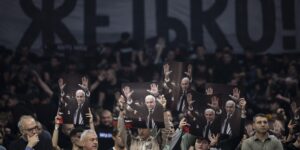
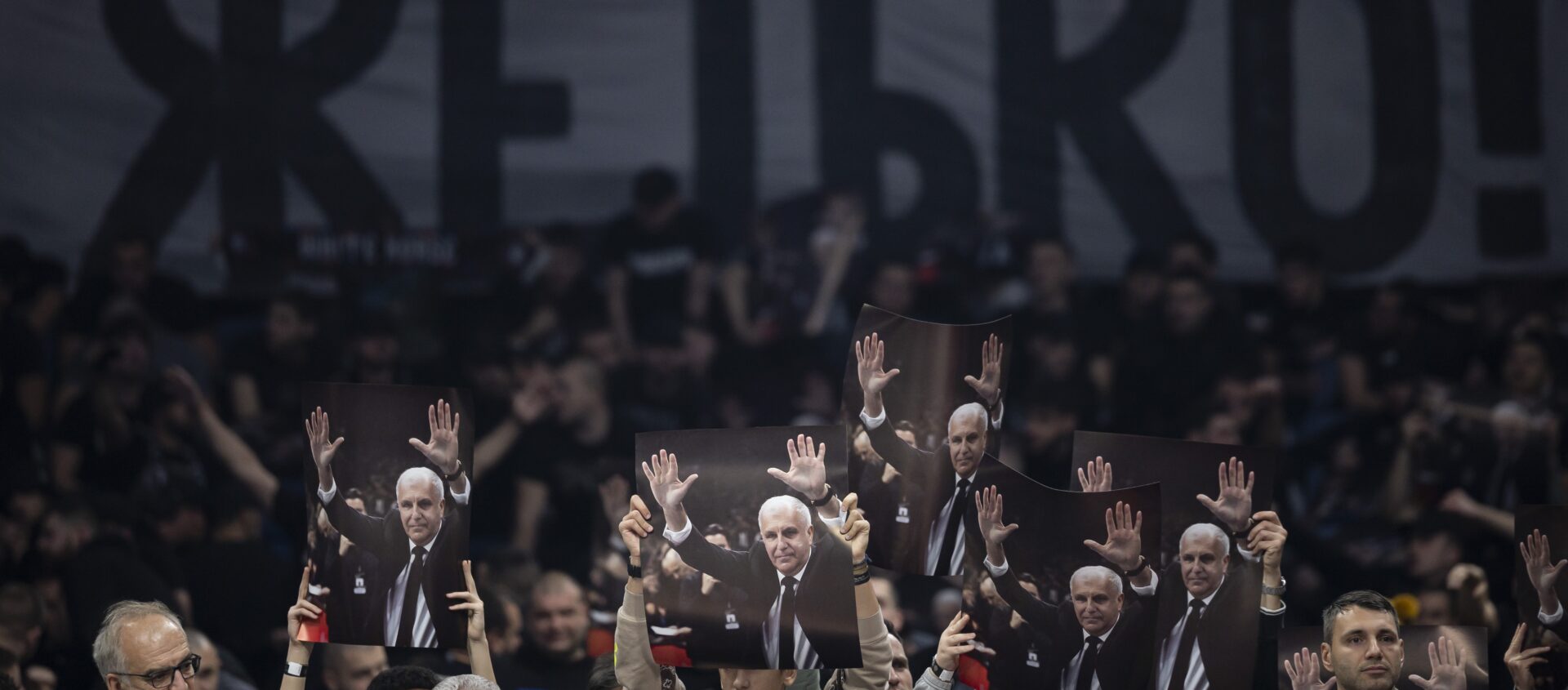
The crisis reached its peak in late November, when Zeljko Obradovic resigned after the loss to Panathinaikos. The club initially tried to convince him to stay, while thousands of Partizan fans gathered at the airport to ask their iconic coach to reconsider. But his departure became final and it felt like confirmation that the issue went far beyond results.


Public comments from Obradovic and members of his staff pointed to an environment where discipline, communication and a shared direction had all broken down. Partizan ended the season having worked under three different head coaches, which alone explains how difficult it was to build roles, habits and trust within the team.
Speaking to BasketNews, Brown described the season as “difficult, more mentally than anything”. He did not focus only on coaching changes or the number of new faces in the group, but on the challenge of staying locked in and professional while everything around you keeps changing. That may be the clearest description of Partizan’s season.
This was not a year that was lost only in the standings. It was lost because the club, the coaching staff and the roster could not move in the same direction. For a team with Partizan’s history, pressure and home-court identity, that was the real chaos.