




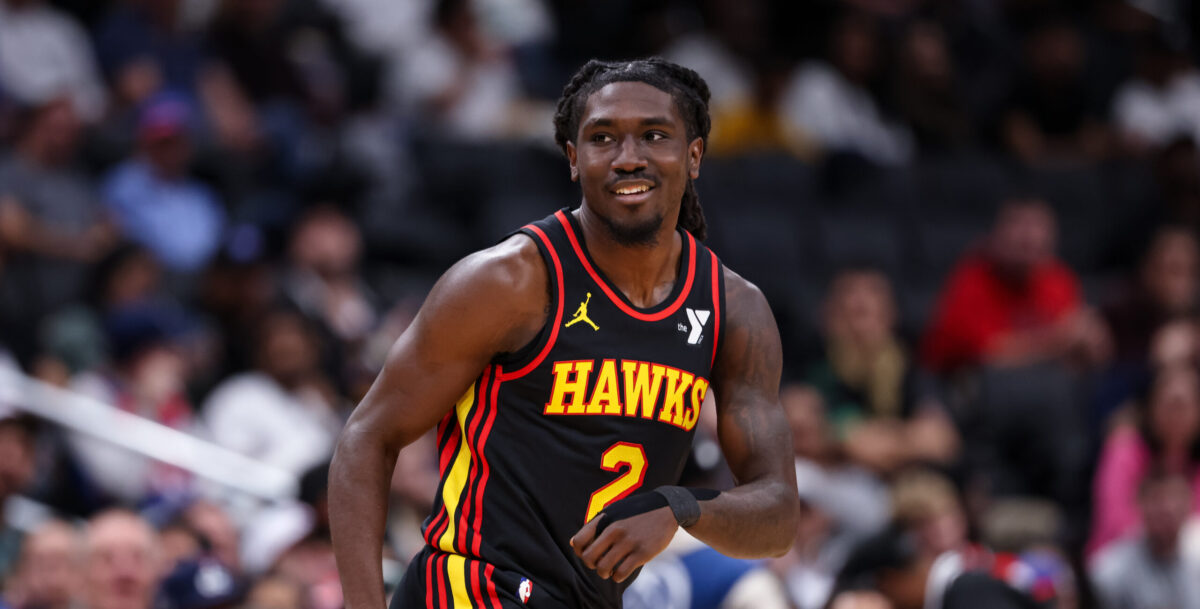








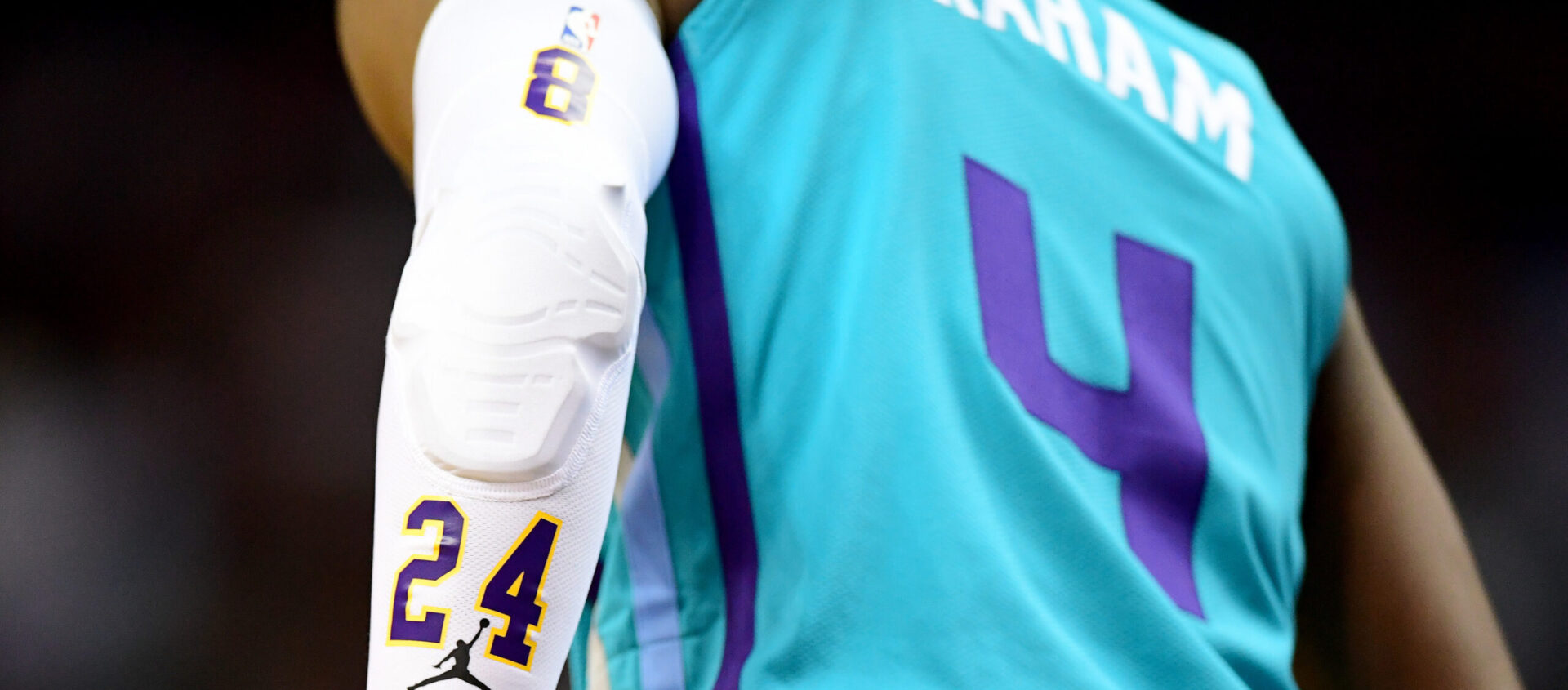

Shooting sleeves have been an integral part of basketball style for years. Some wear them for comfort, others for protection, and others because, let’s be honest, they add a little NBA flair to their look. But can they actually affect performance?
The most relevant scientific study was published in 2020 and examined 20 male basketball players during free throws. When wearing an upper-body compression garment, their performance improved by 4.2%, while with full-body compression, it improved by 5.9%. Researchers estimated that restricting unnecessary head and torso movements may have provided greater stability.
There are, however, significant caveats. The participants wore a fitted shirt rather than a simple sleeve, they were not professionals, and they took only 20 shots under each condition. At the same time, they did not show greater stability from attempt to attempt. Therefore, the research offers an interesting indication, but not proof that the sleeve improves shooting.
General literature indicates that compression garments can slightly enhance blood circulation, keep the area warm, and improve proprioception, meaning the sense of the arm’s position and movement. It also appears that they reduce the subjective feeling of fatigue and muscle soreness. However, these specific benefits do not necessarily translate to more made shots or overall better athletic performance.
The history of the sleeve began in 2001 with Allen Iverson, who wore it to treat bursitis in his right elbow. He continued to use it even after the issue subsided, turning a practical solution into a global basketball trend.
The final conclusion lies somewhere in the middle. The sleeve can offer warmth, comfort, protection from scratches, and greater confidence. However, there is not enough evidence that it makes someone a better shooter. It might make a player feel better—and look a bit more… professional. Ultimately, though, they still have to put the ball in the basket themselves.