
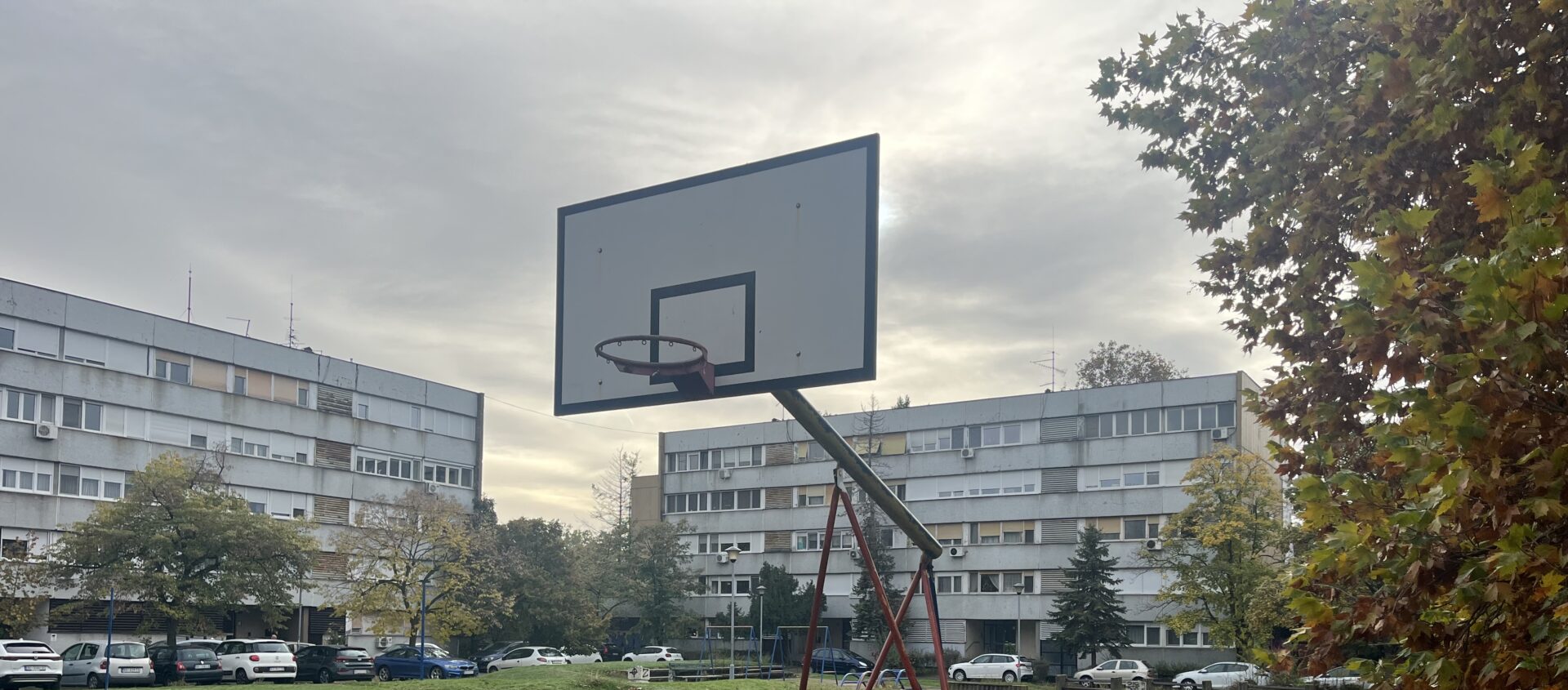

“I’m going for a little walk around the neighborhood,” a British friend of mine told me while visiting Belgrade.


“Now I understand why you’re so good at basketball,” he said with a smile when he returned.
I laughed before he could even explain. I knew exactly what he meant – you can’t walk for five minutes around here without stumbling upon a basketball court.
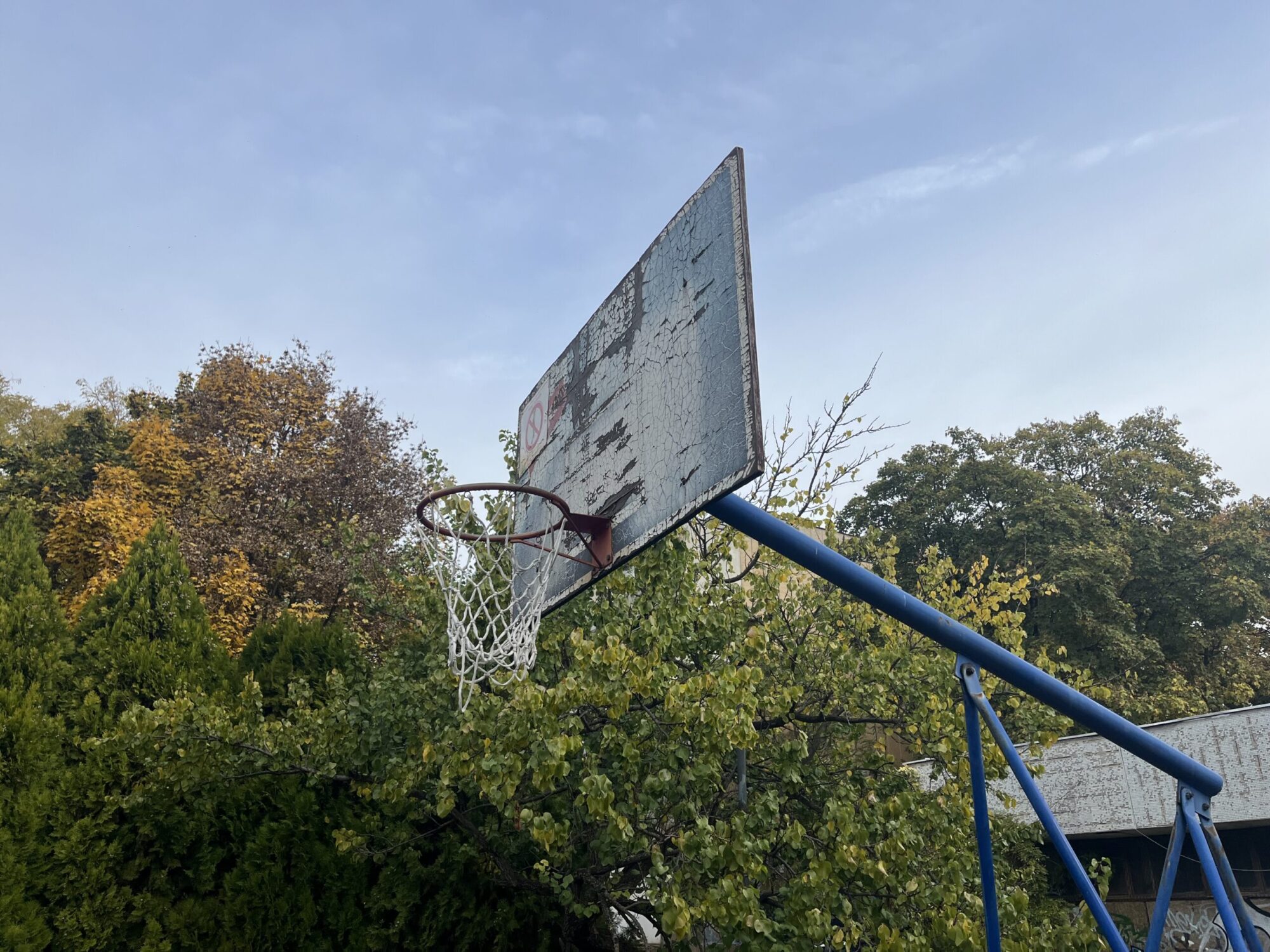
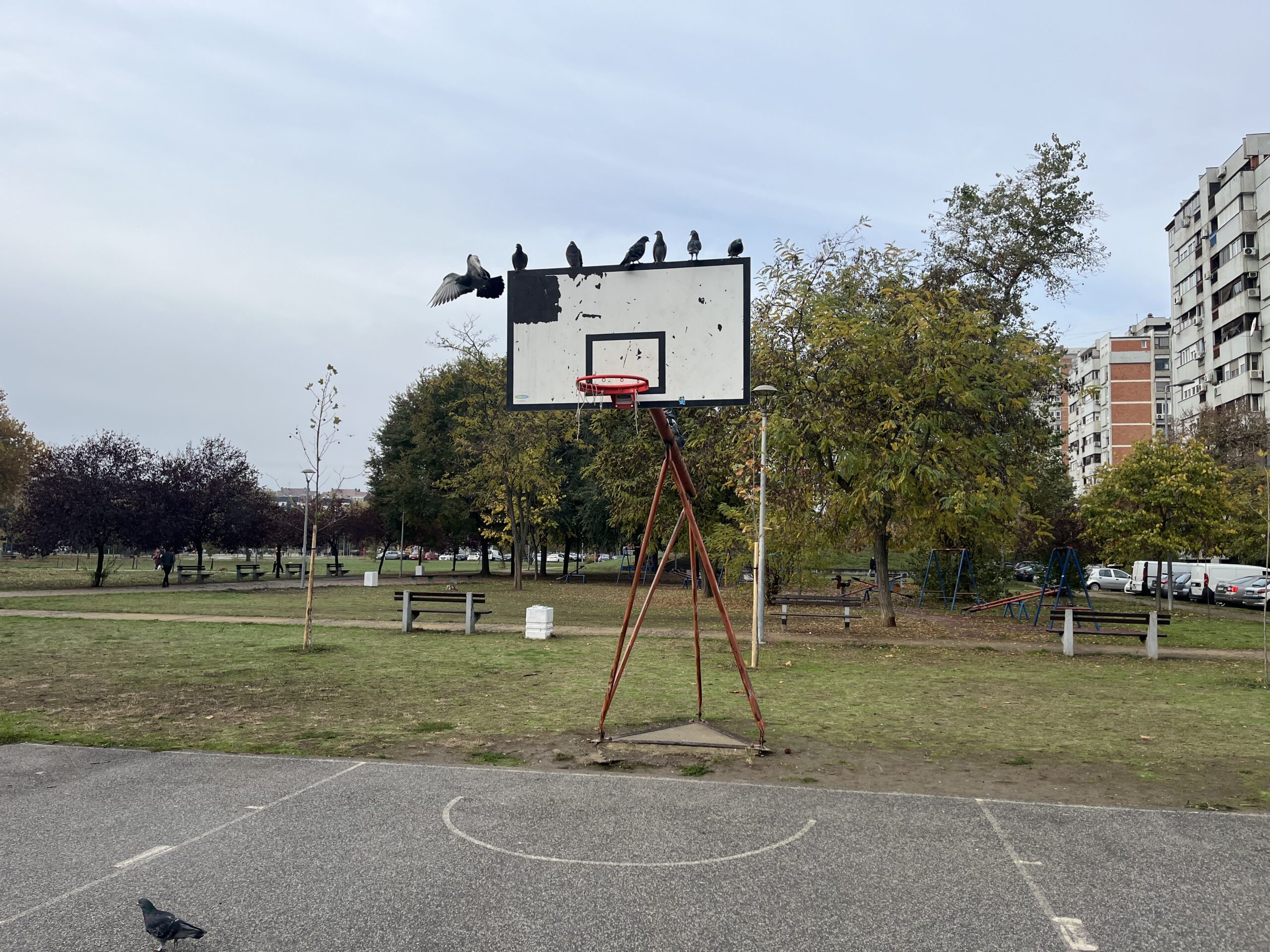
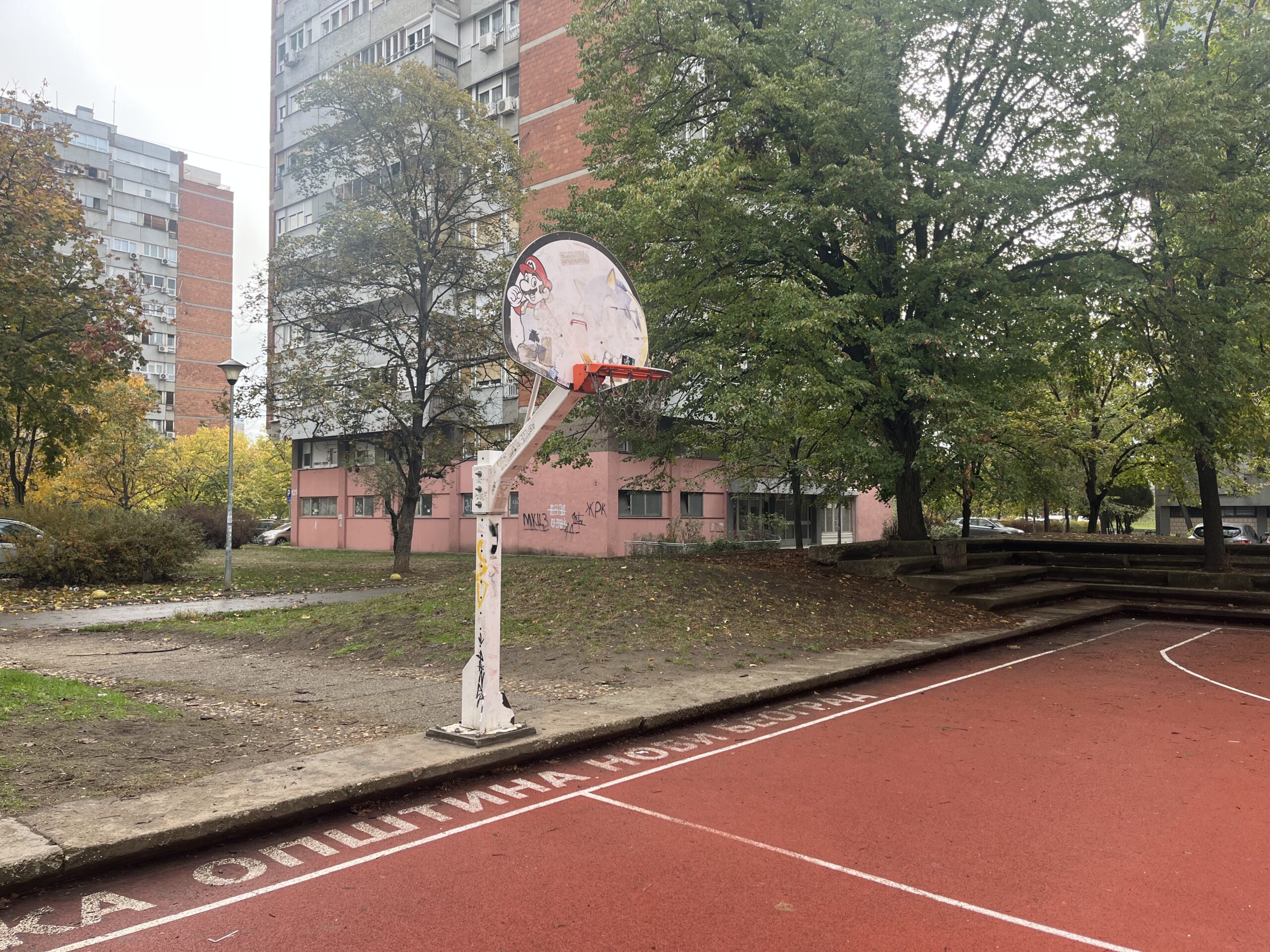
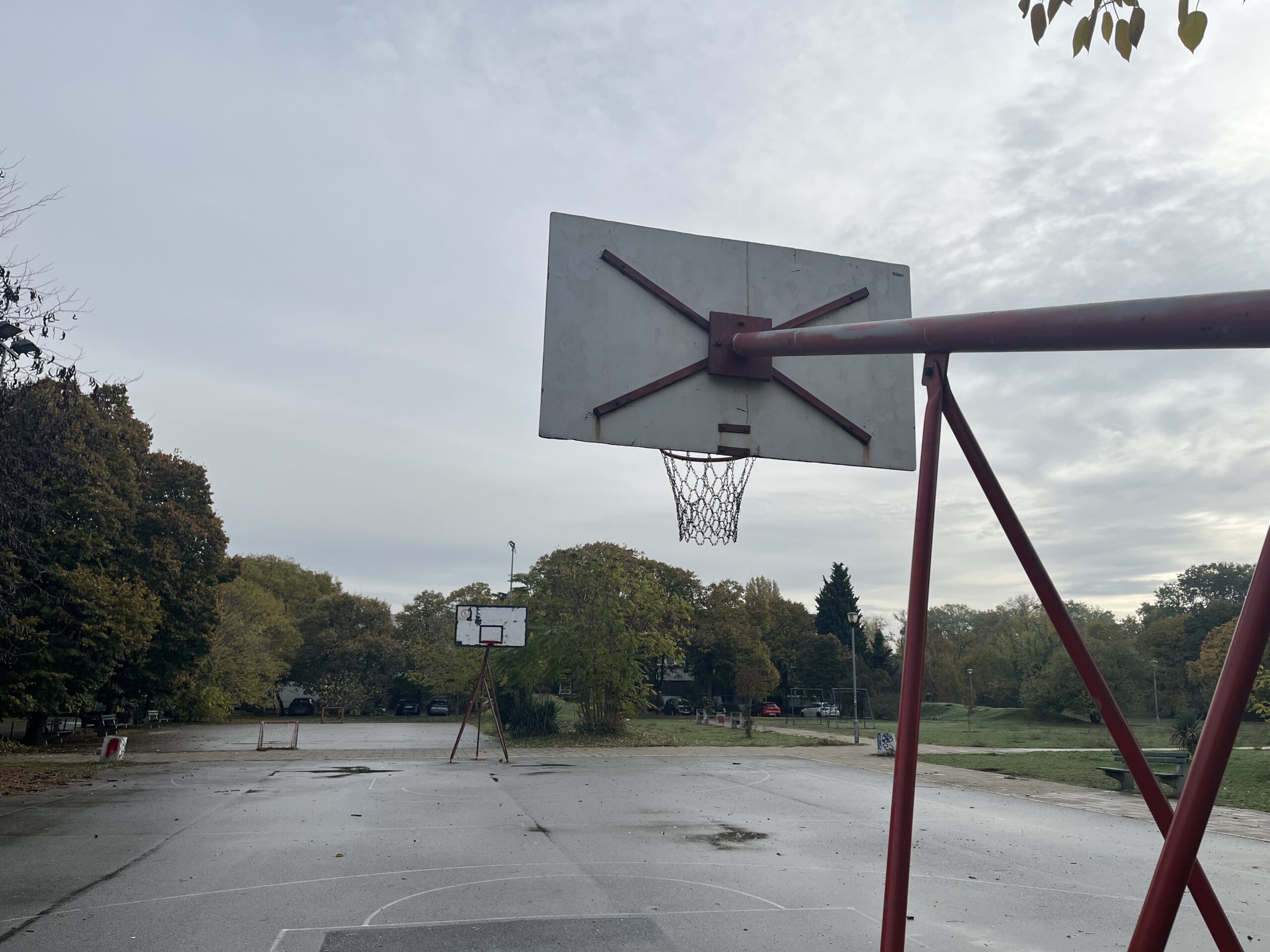
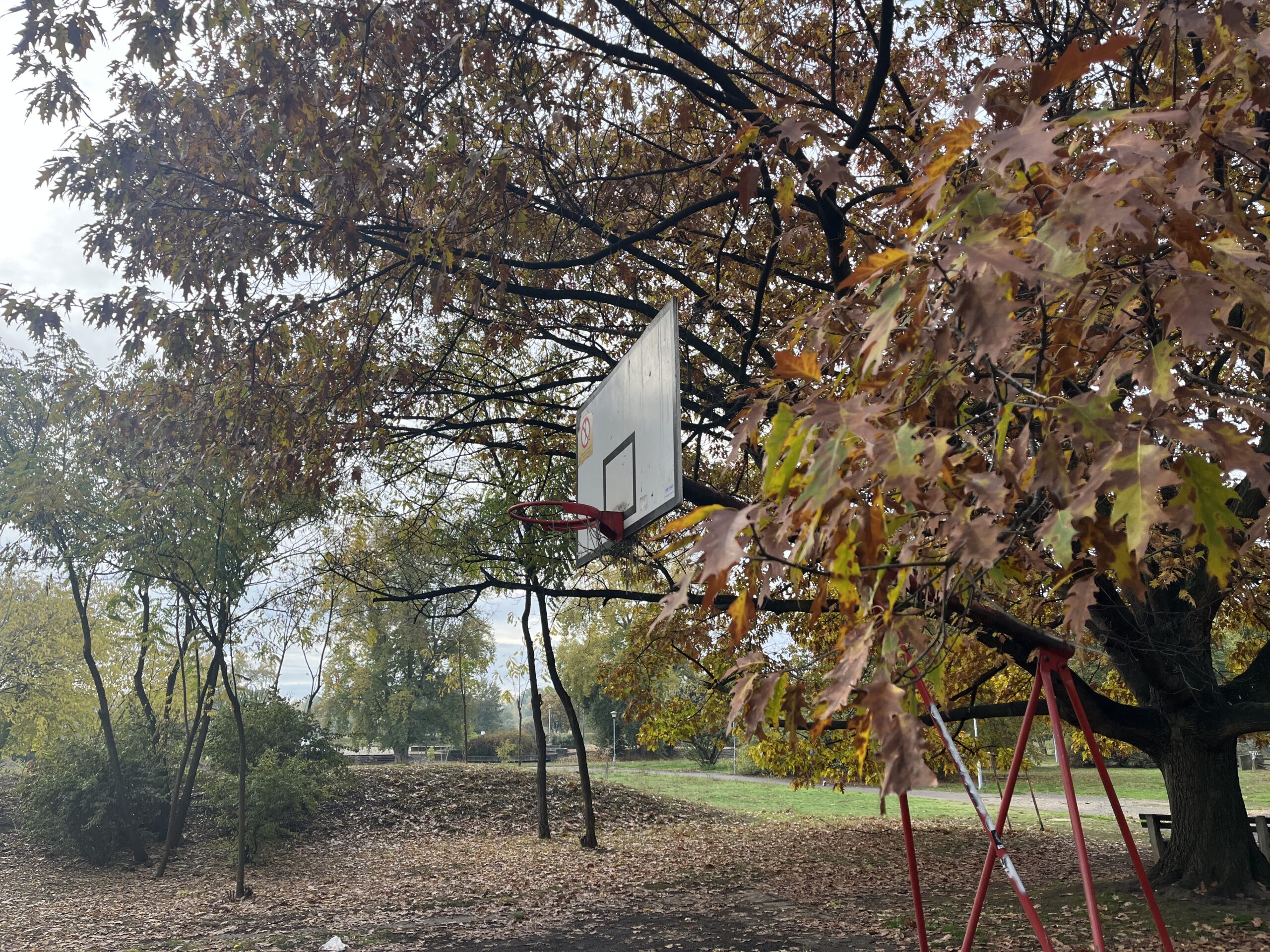
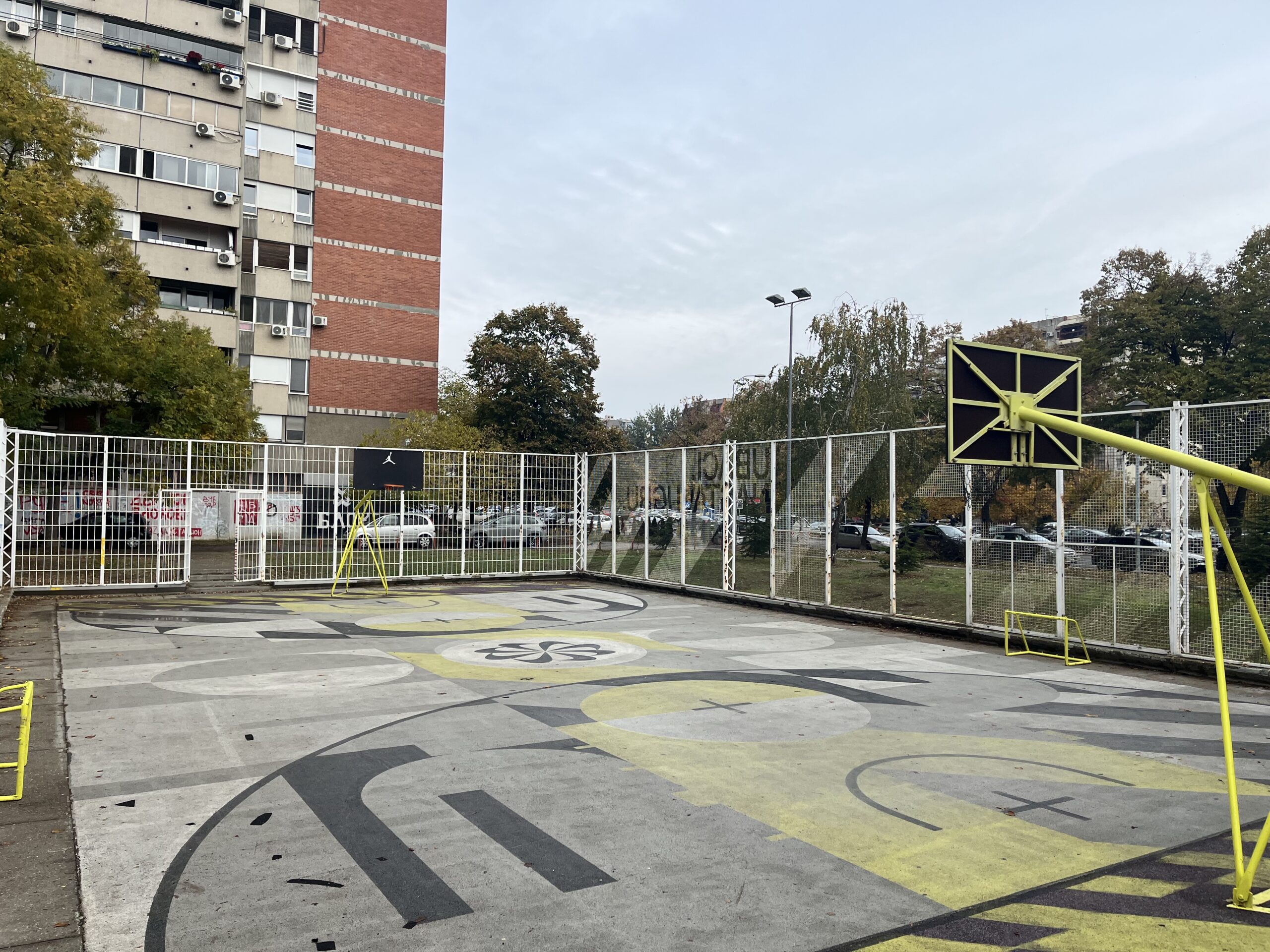
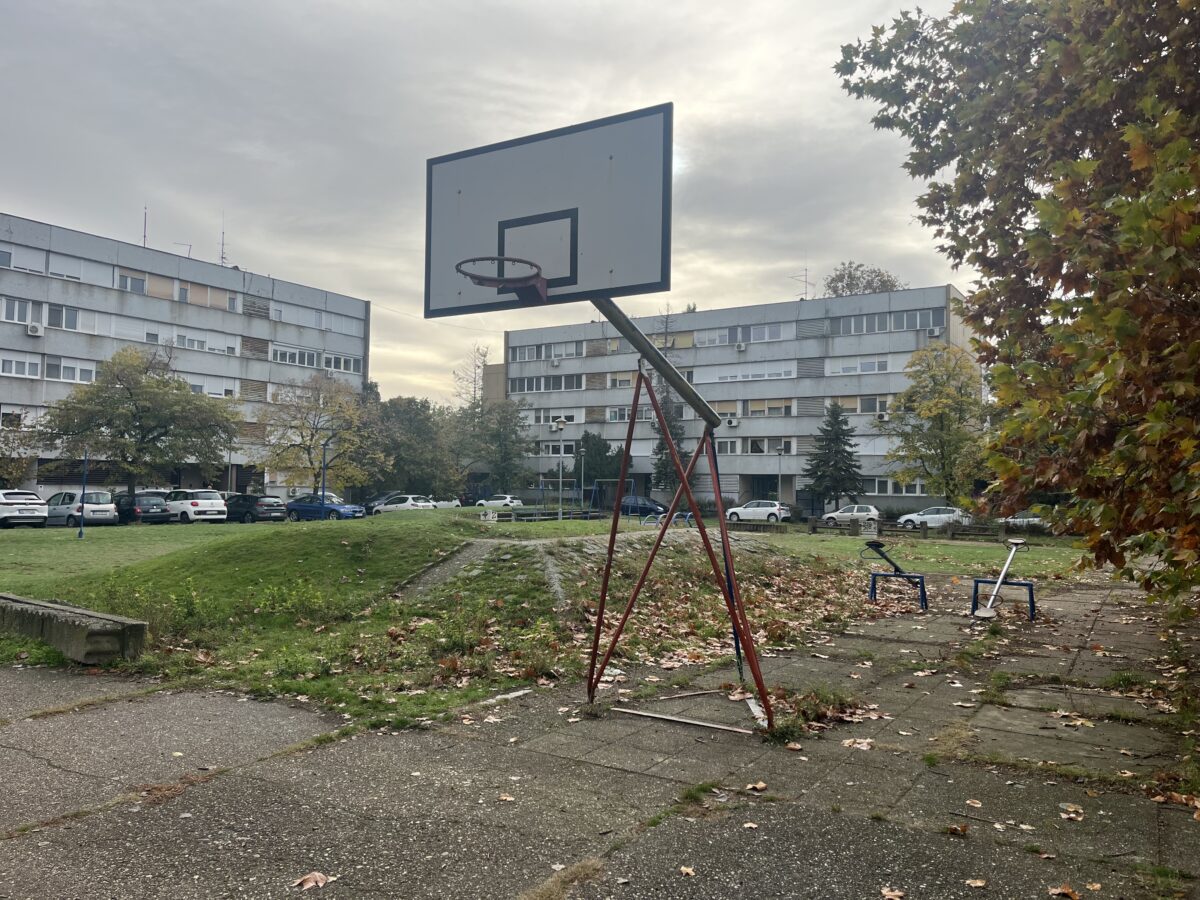
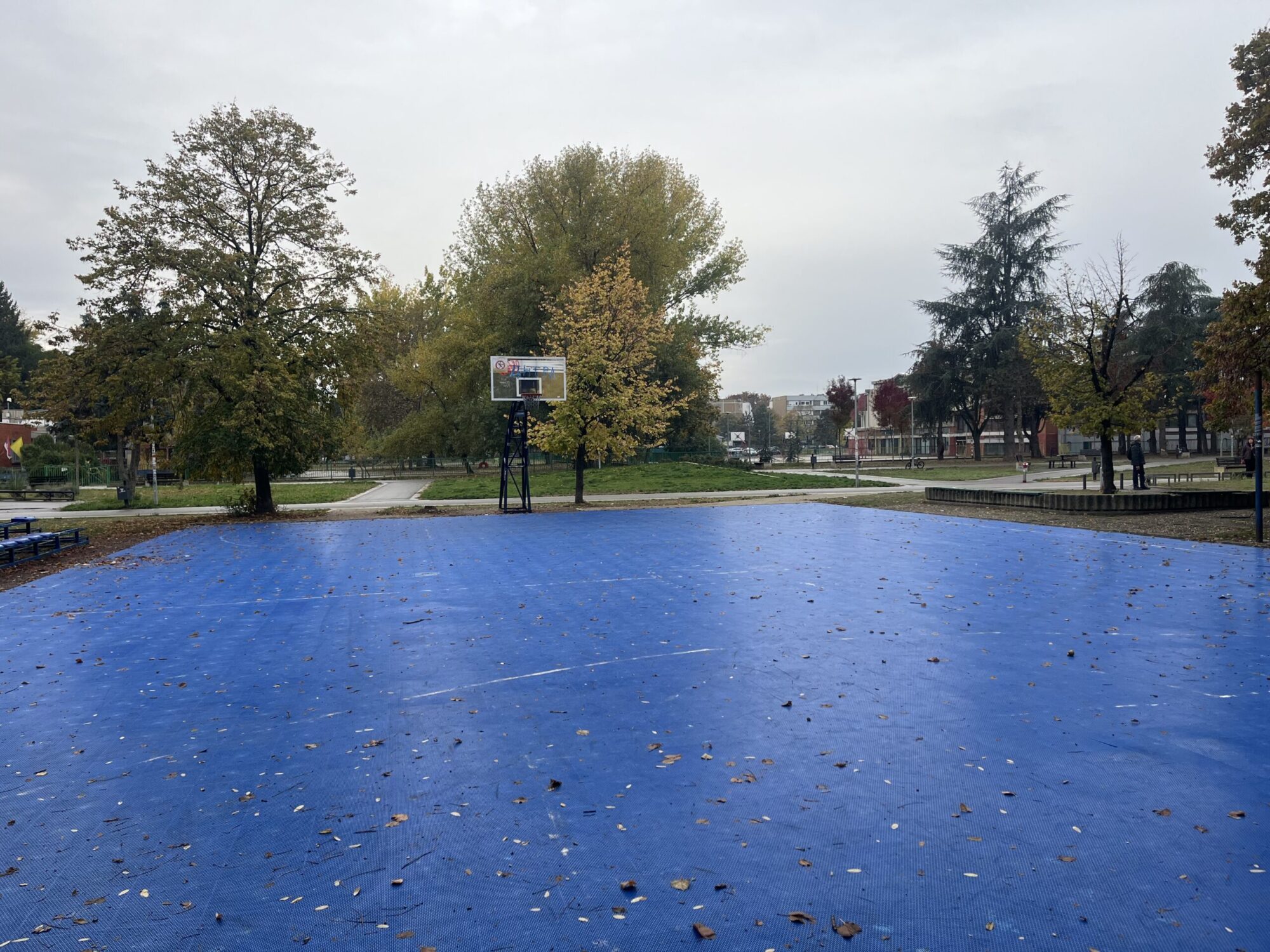
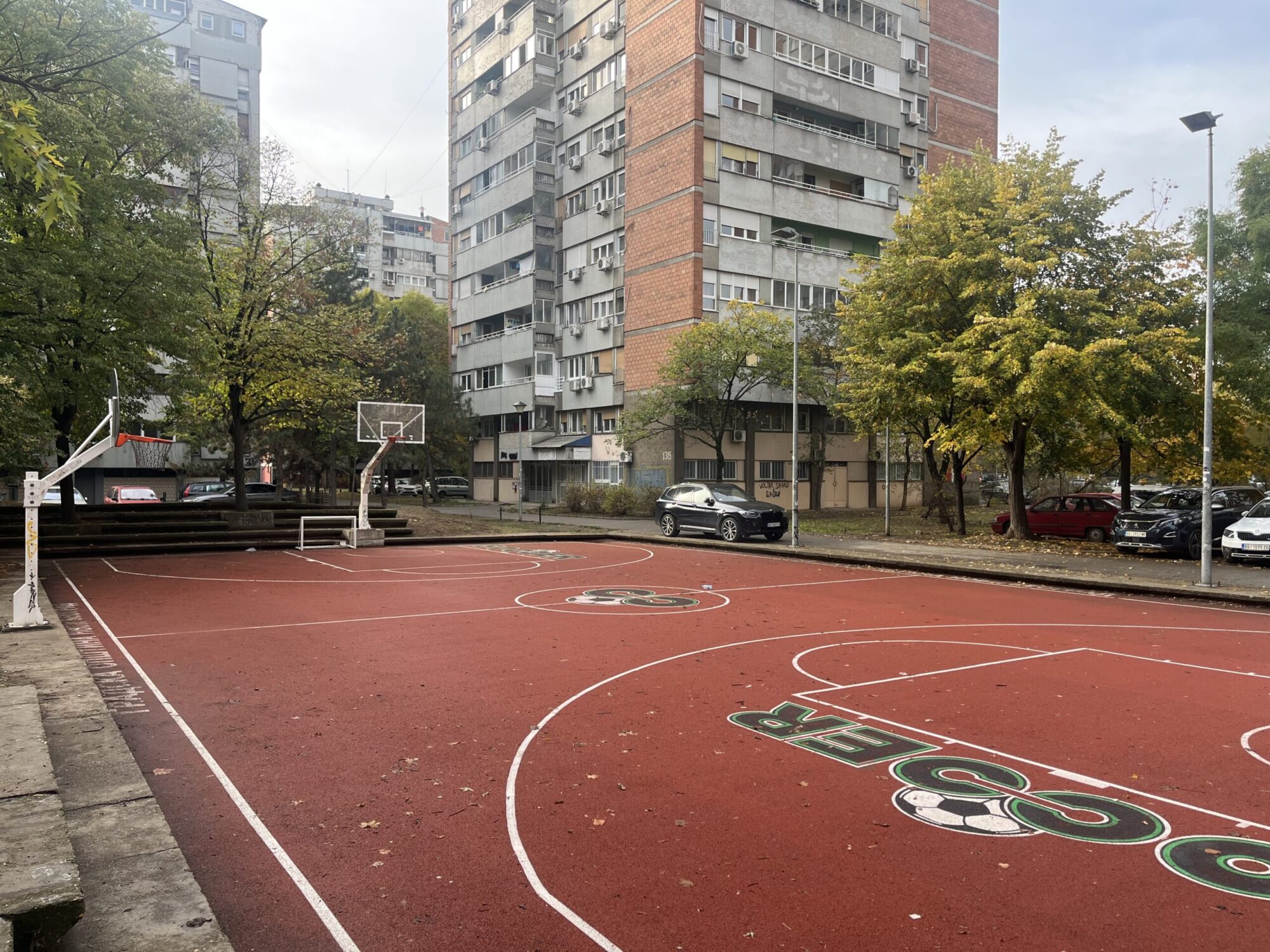
The residential blocks of New Belgrade have always been famous for street basketball, and my Block 70 is no exception.
Eleven basketball courts. One every 220 meters or so!
Growing Up at JUL
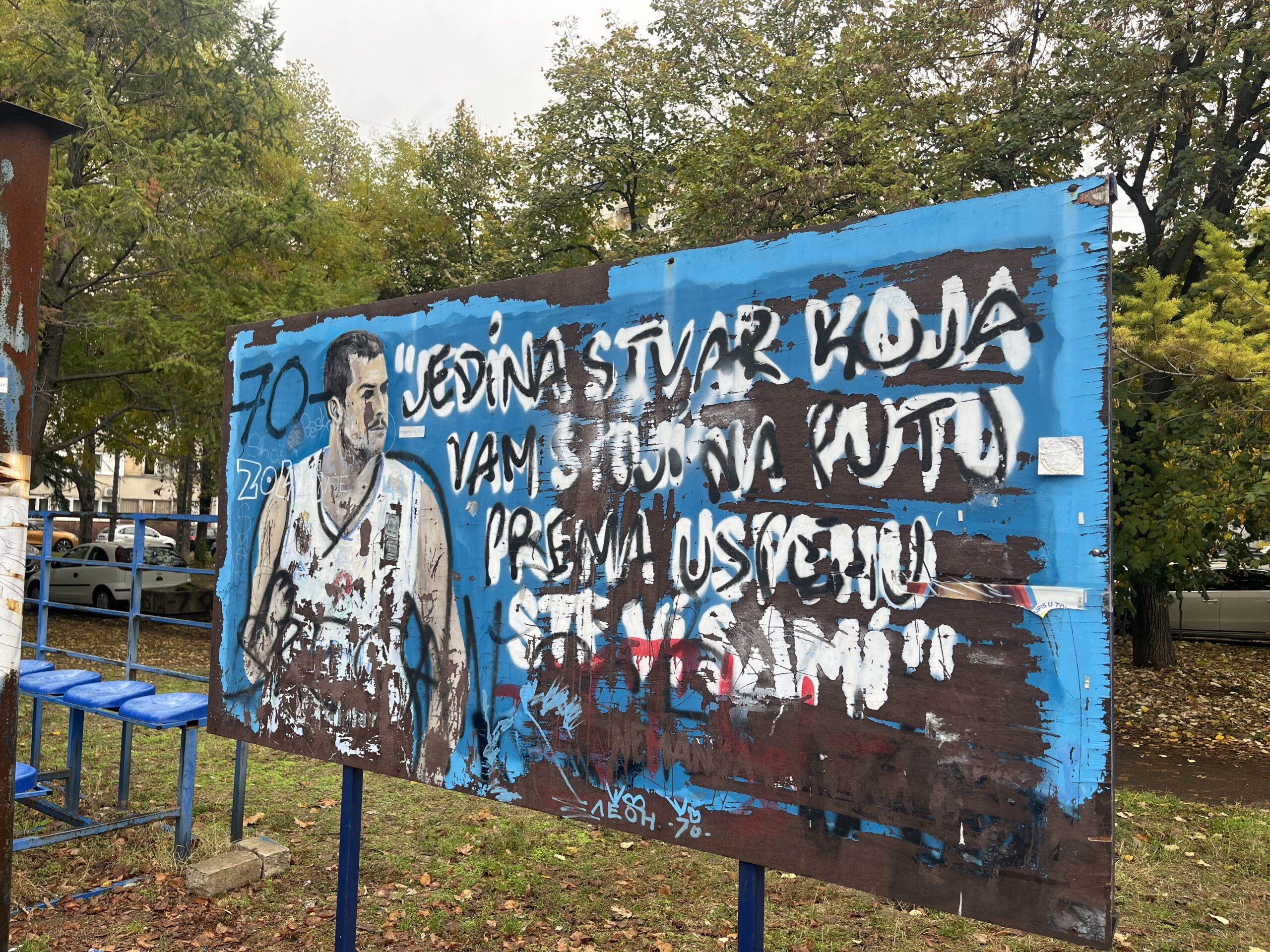
I grew up playing on a court in the middle of the block that we called JUL. Yes, that JUL – named after the Yugoslav United Left, the political party associated with Mirjana Marković, Slobodan Milošević’s wife.
Summer vacation was simple: wake up, head to the court, come home for lunch, then straight back to basketball until dark. That’s how our days went, and the courts were always packed. Not so much these days, although maybe that’s just my nostalgia speaking.
The most famous “kid from the block” is undoubtedly Serbian international Nemanja Bjelica. He grew up playing on that very same court, where you can still find a quote of his:
“The only thing standing between you and success is yourself.”
Today, the court is run-down, and the quote is barely visible. It’s a misconception that we’re no good at renovating things. Unfortunately, we just can’t be bothered to maintain them afterwards…
The Nana
And then there was Nana. The legendary, kind-hearted grandma everyone knew if they’d played more than a game or two at JUL.
She’d toss us bottles of water from her first-floor balcony, and afterwards we’d put them back in a little spot we’d cleared among the bushes.
I honestly don’t know if we would have survived those games in 40-degree heat without her…
Just the Hoop, the Ball and Me
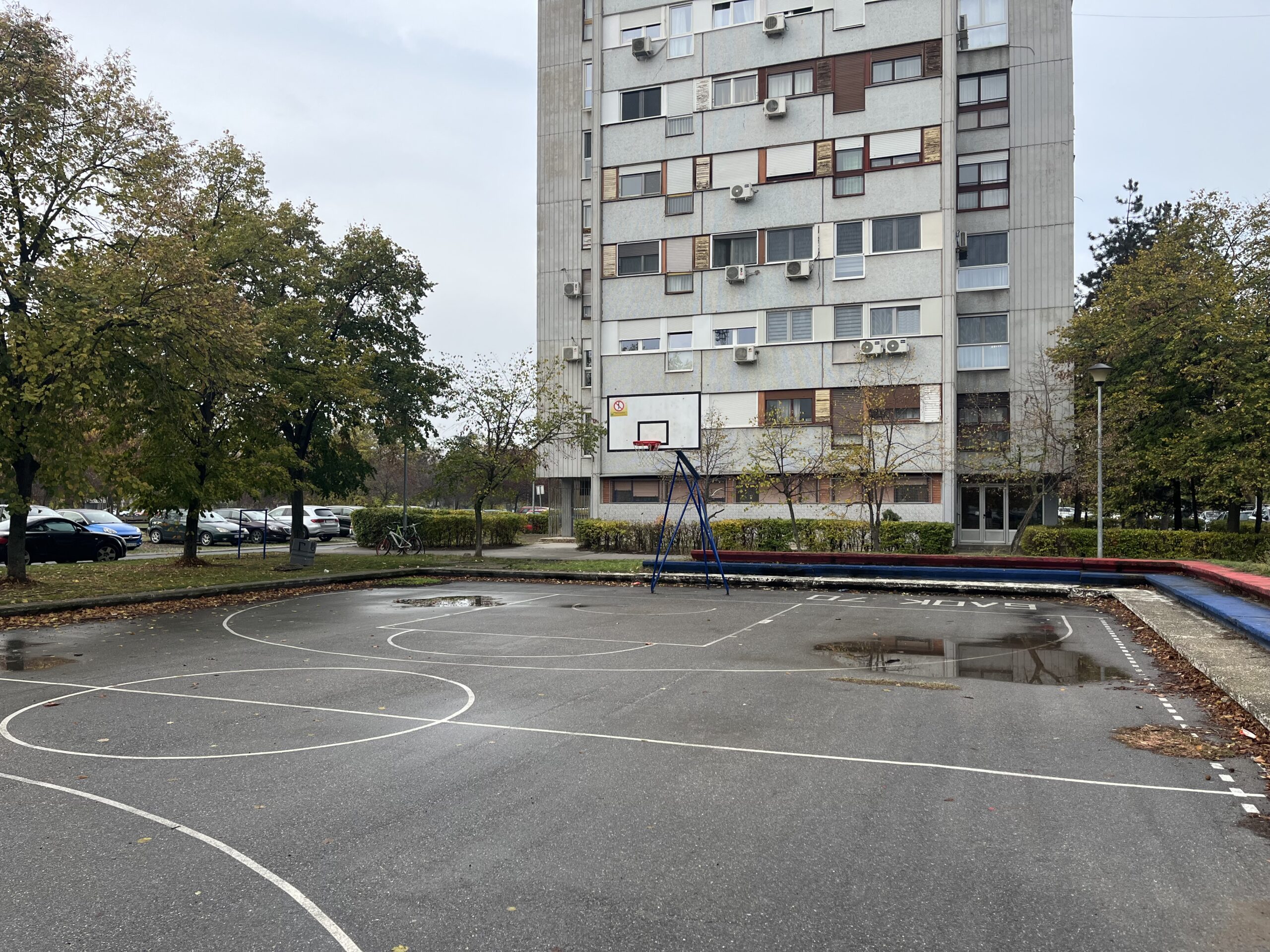
Whenever I felt down and couldn’t be bothered with anything, I’d go outside and shoot until I was exhausted, without a single thought in my head.
Just the hoop, the ball and me.
And the weather didn’t matter. In fact, rain made it even better. I’d go out there to get everything out of my system, to start again from scratch.
People would look at me as if I were crazy, shooting in the rain and chasing the ball around, covered in mud.
Then there was 2004, when Serbia and Montenegro were knocked out of the Olympic basketball tournament after losing to China.
Nobody called anyone. Nobody arranged a thing. Yet about 30 of us somehow ended up at JUL.
We didn’t even play. We just all needed someone to share our sadness with.
And those late-night conversations with myself after stumbling home a little tipsy from a party.
I’d sit there, think about life and make all sorts of “life-changing decisions” that I wouldn’t have the courage or the will to follow through on the next morning.
You know the kind…
And I’d shoot at the hoop with whatever I could find – a crumpled Coca-Cola bottle, a branch, a beer can.
As long as it went in.
When Divac Walked Into the Building
For a while, Žarko Paspalj also lived in Block 70, which gave me the chance to witness a rather surreal scene.
I was waiting for a friend to come downstairs – he lived in the same building as Paspalj – when Vlade Divac appeared.
A little boy, maybe seven or eight, ran up to him, red-faced with excitement.
“Are you Vlade Divac?”
“Yes, I am,” Divac replied, ruffling the boy’s hair before walking into the building.
Bogdan Bogdanović once filmed a commercial here in Block 70, while Luka Dončić also came here for some sponsorship commitments. With security accompanying him, the kids could barely get close enough to take a picture.
Basketball Is Lived Here
Time passes.
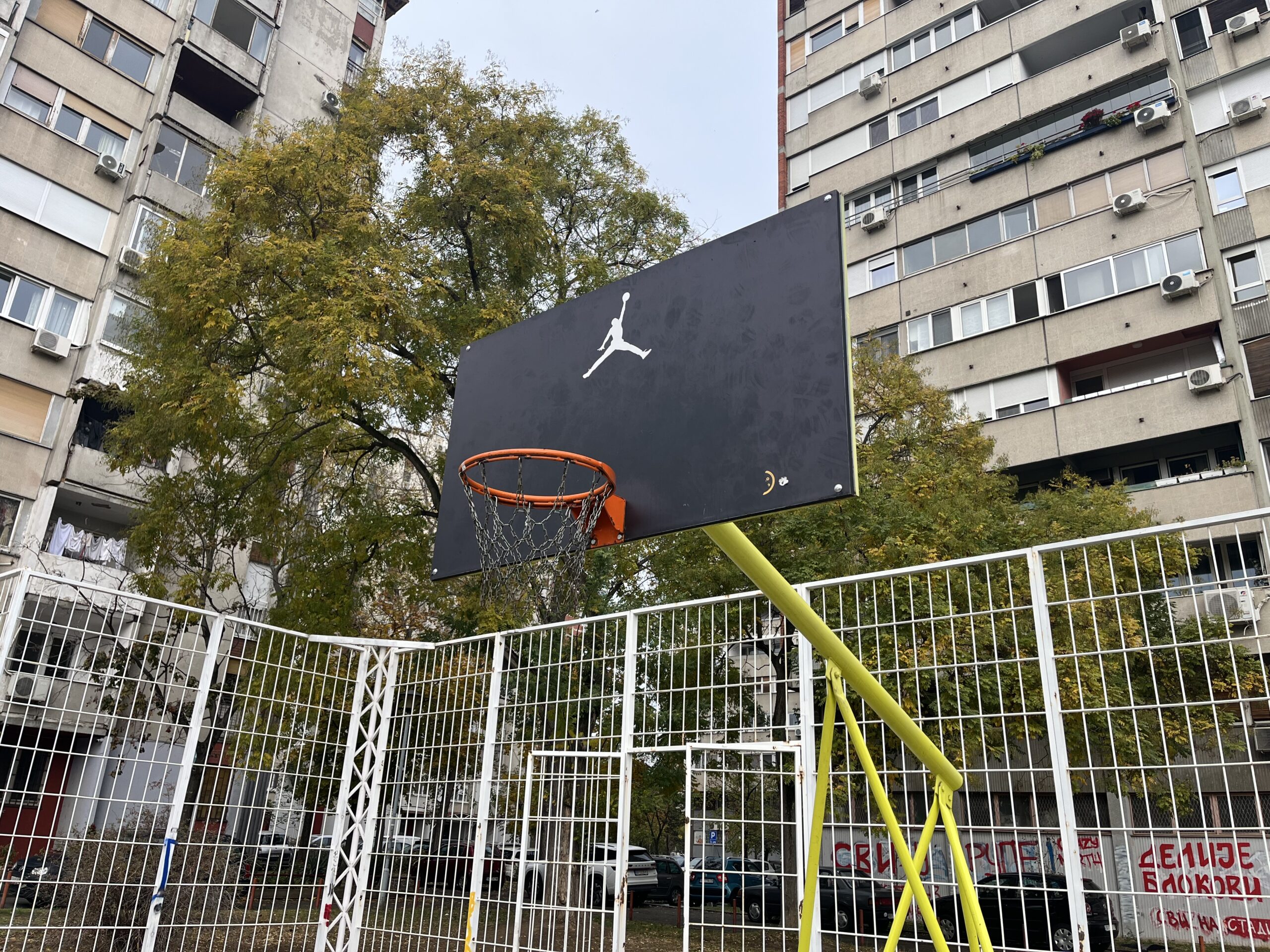
The block changes, and so do the courts. Some get renovated, others fall into disrepair, but each has its own charm. And each means the world to at least one kid, just as JUL meant the world to me.
And that, among other things, is why Serbia is still so good at basketball, despite everything.
Because here, basketball isn’t just played. It’s lived.