









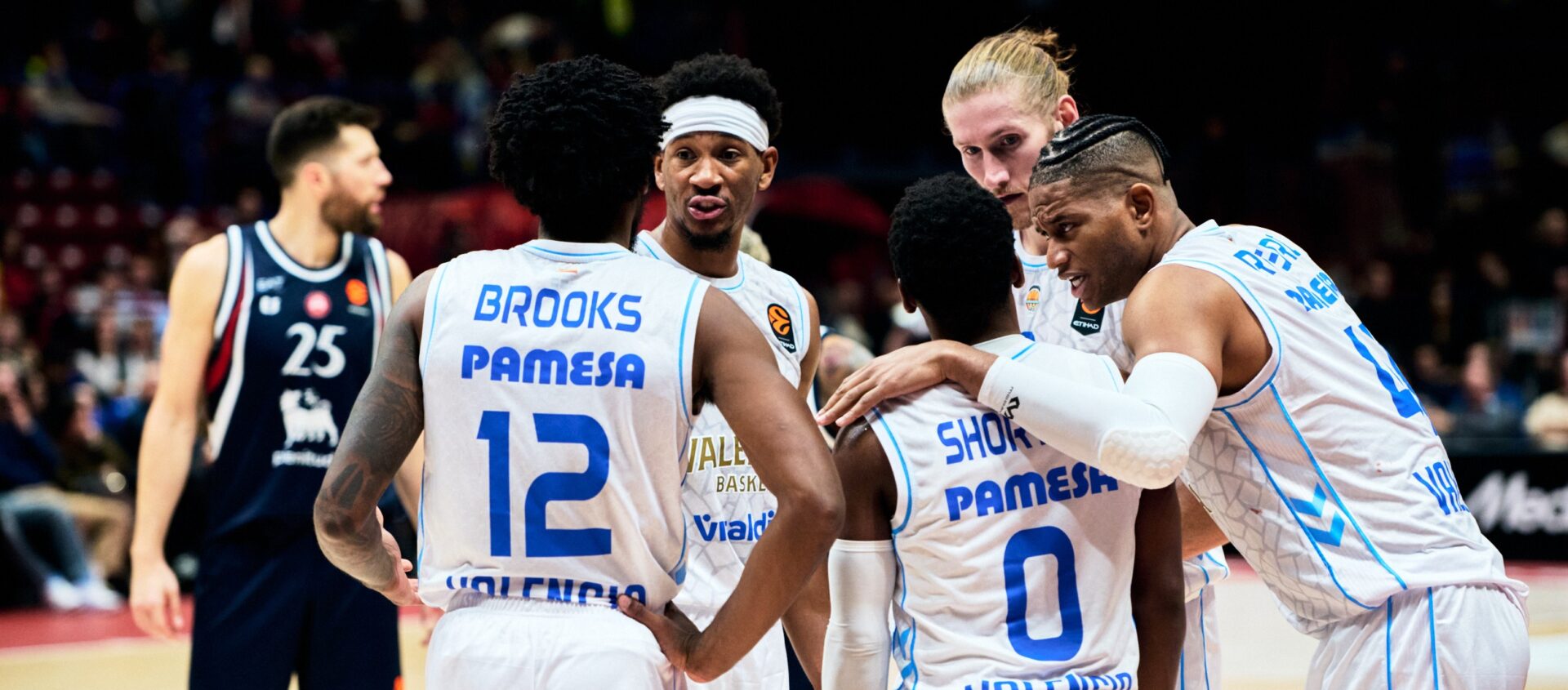

With 20 teams and 38 regular-season games, EuroLeague’s demanding schedule is making roster depth more valuable than ever. Real Madrid’s recent injury problems offer a clear example of why teams need reliable options beyond their biggest stars.


Modern EuroLeague basketball is no longer just about having the best starting five. With 20 teams, 38 regular-season rounds and demanding domestic commitments, clubs are navigating a season filled with travel, back-to-back challenges and limited recovery time. Under these circumstances, having a deep and reliable roster can become just as important as individual quality.
The 2026-27 schedule includes ten double-round weeks, forcing teams to play two EuroLeague games within a few days on several occasions. As the demands increase, so does the importance of players who usually operate outside the main rotation.
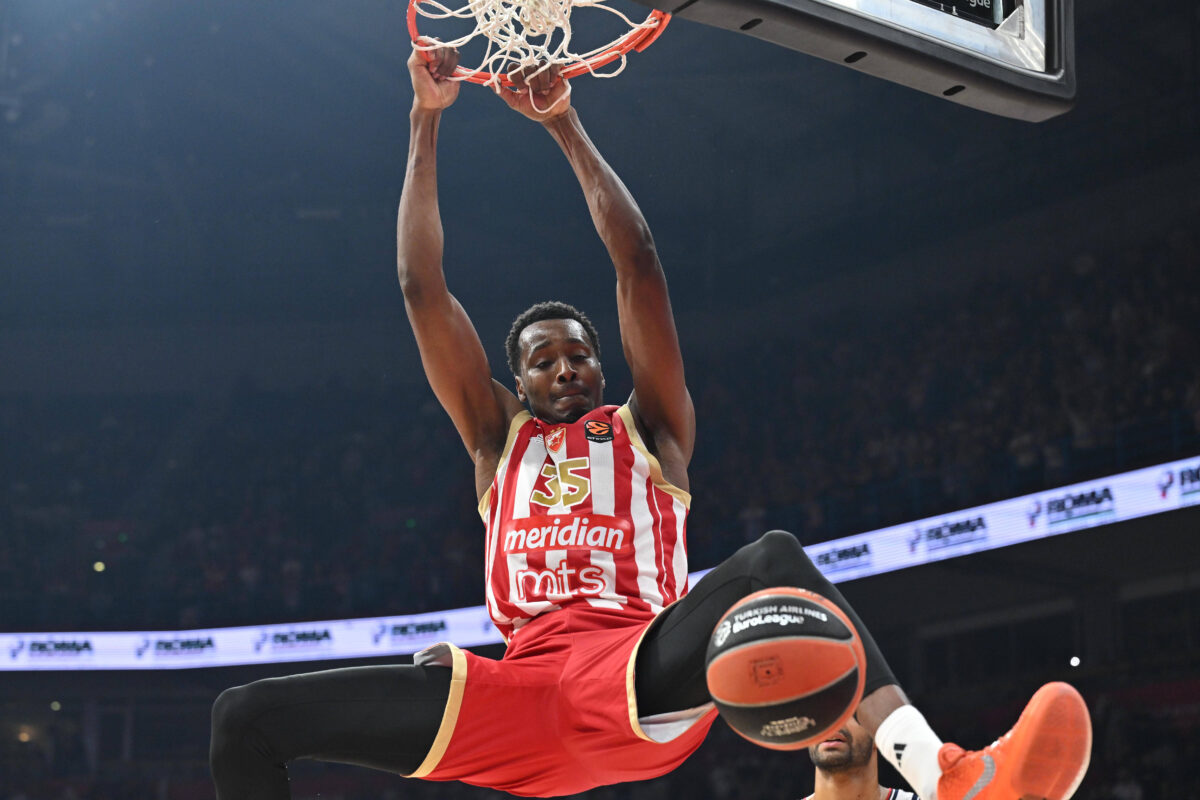
Real Madrid’s Injury Problems Tell the Story
Real Madrid provide one of the clearest examples. Despite enjoying an impressive run of results, the Spanish giants have been dealing with several important absences, including Facundo Campazzo, Theo Maledon, Mikael Jantunen and Gabriel Deck.
Head coach Pedro Martinez has been forced to adjust his rotation, with players who previously had limited opportunities suddenly taking on greater responsibilities. Martinez himself acknowledged that the situation offers those working hard in practice an opportunity to step forward and contribute.
It is a reminder that even the most talented teams cannot rely exclusively on their established stars throughout such a long season.
The Twelfth Man Is No Longer a Luxury
Real Madrid are far from the only team facing this challenge. Clubs such as Panathinaikos, Olympiacos and Fenerbahce have assembled deep rosters, understanding that competing across multiple competitions requires more than seven or eight dependable players.
The twelfth man may not need to play 20 minutes every night, but his ability to provide energy, defensive effort and quality possessions when called upon can make an important difference. At the same time, having more reliable options allows coaches to distribute minutes more effectively and adjust their rotations according to the opponent.
That does not mean the demanding schedule automatically causes injuries. It does, however, make preparation and adaptability essential when absences occur.
Depth Could Make the Difference
EuroLeague will always be a competition in which superstar performances decide the biggest games. But reaching those decisive moments requires consistency throughout a long and demanding regular season.
With 38 rounds to navigate before the postseason, bench players are no longer simply additional options. They can play a crucial role in determining how successful a team becomes, even if they rarely receive the same attention as the biggest names.
In the modern EuroLeague, having stars remains essential. Having enough quality around them to survive an entire season could prove equally important.