











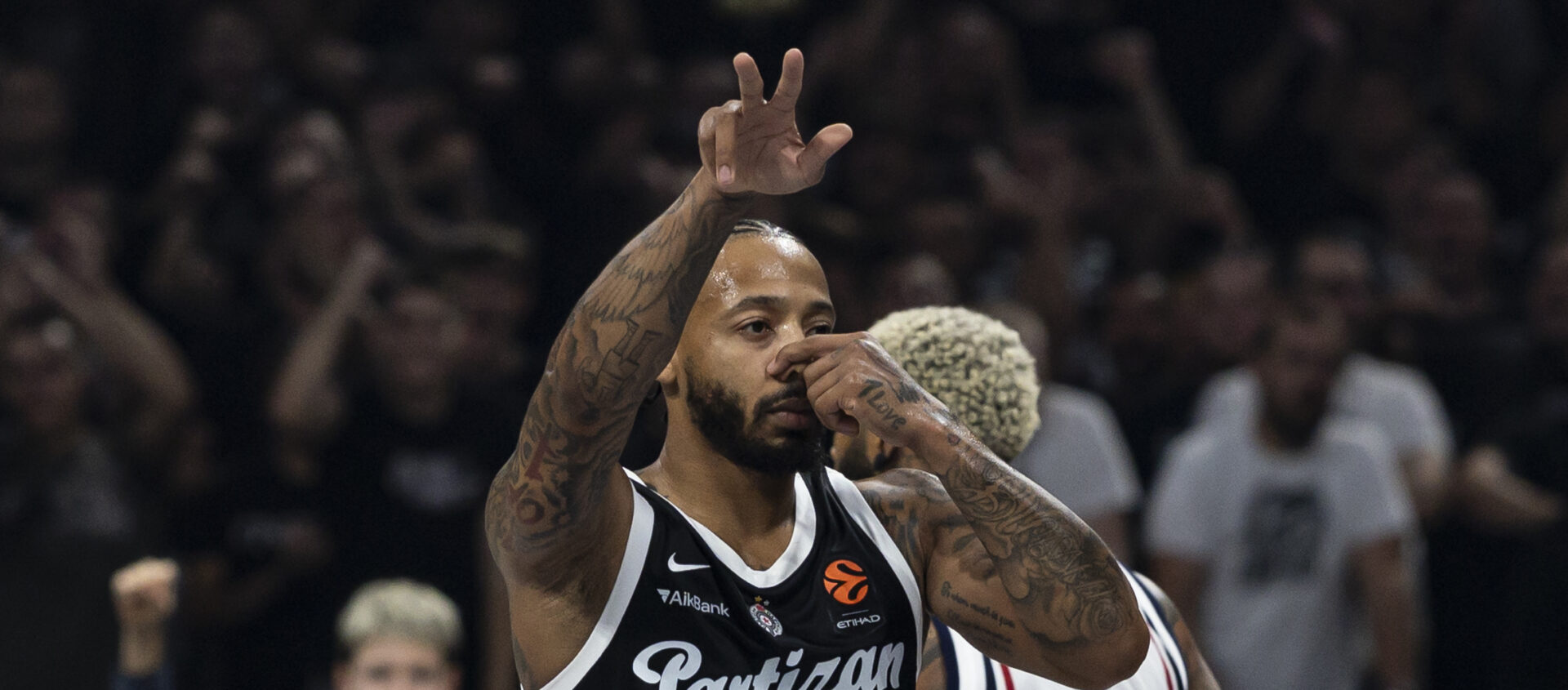

The final score of 92-76 can be misleading.


Partizan did beat Olimpia Milano comfortably, but the game was nowhere near as calm as the score might suggest. Still, Partizan played an excellent game on both ends. Yes, Milano came back from 52-43 down in the third quarter to tie it at 57-57 and essentially reset the game, but what matters more is how Partizan responded at 57-57 than the final 16-point margin.
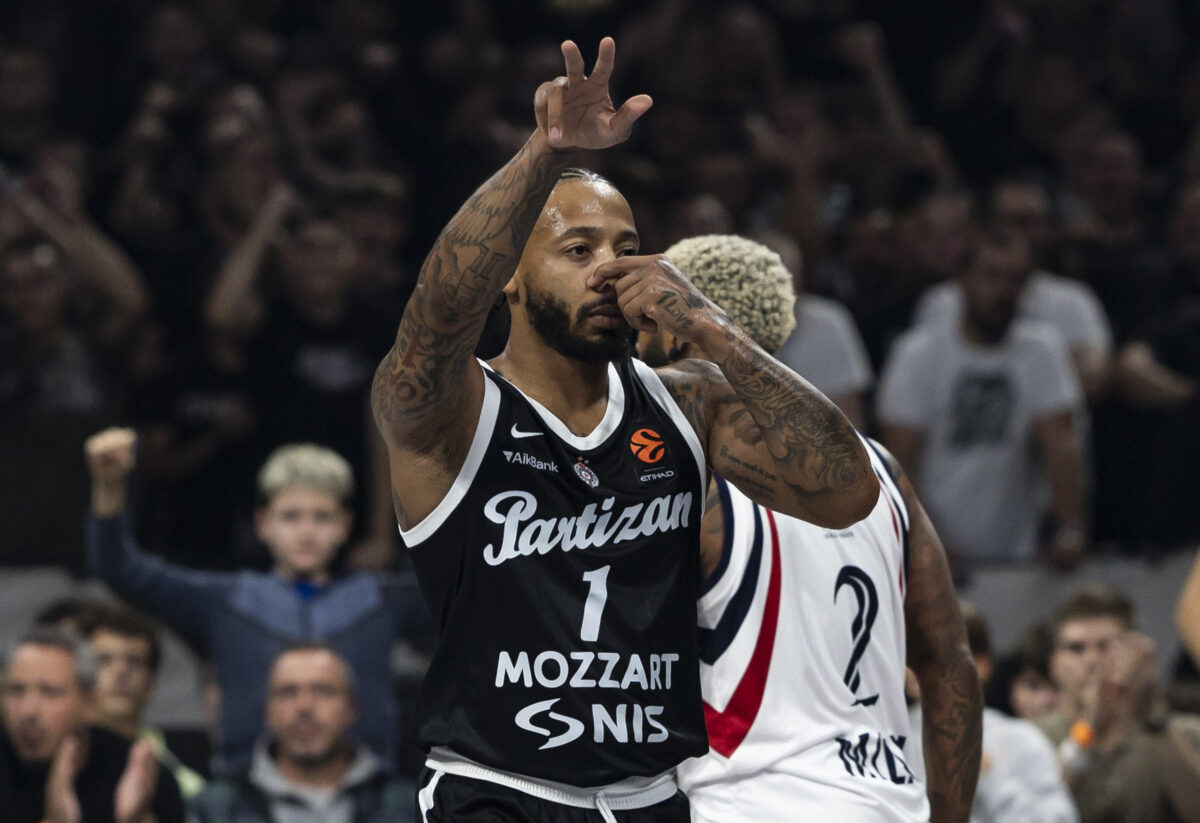
The black-and-whites did not panic after giving away a nine-point lead, they did not start playing faster than they needed to, and they did not allow the game to turn into a series of individual possessions. They put the ball back in Carlik Jones’ hands and regained control. When the game reached its decisive phase, Partizan knew who should run the offense and what it wanted to attack. For a team with so many new players, that matters. Everyone committed to the game plan and the team result, while individual players put their egos aside and accepted Jones as the team’s primary weapon. The result was probably his most mature performance in a Partizan jersey. Partizan’s defensive consistency also forced Olimpia to find most of its best stretches through individual bursts.
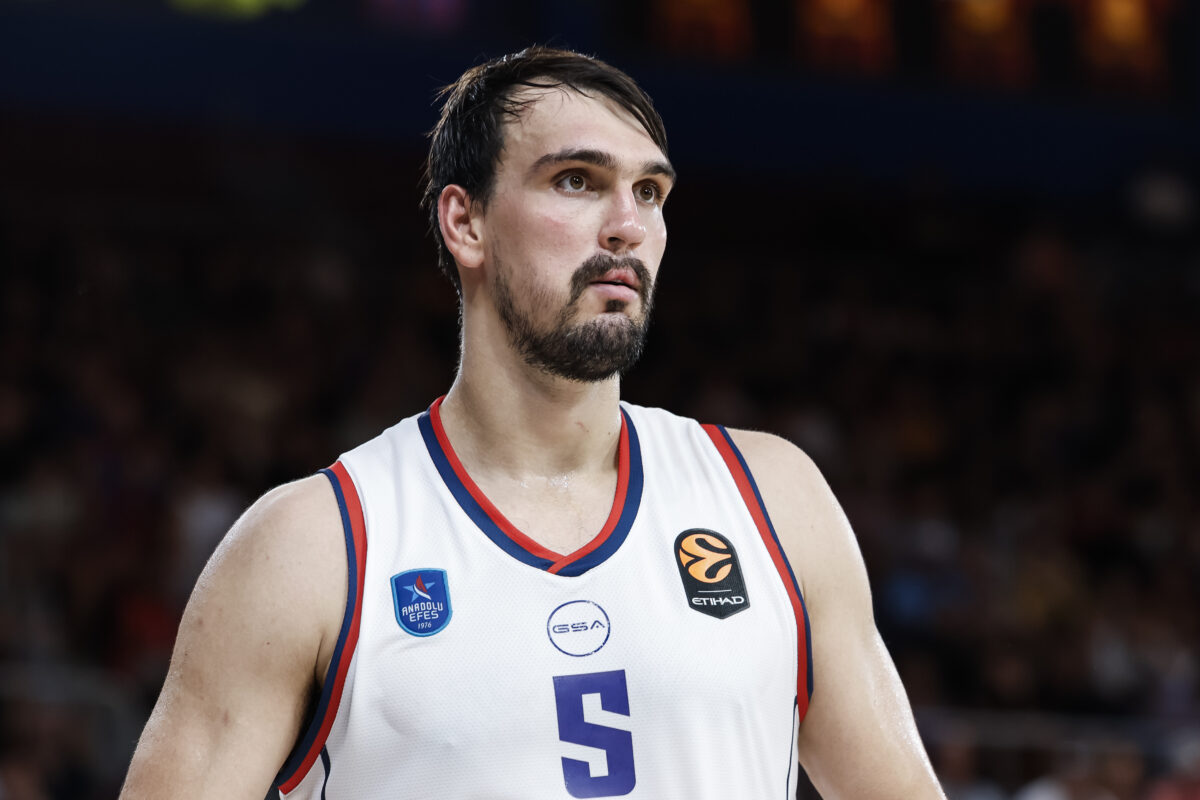
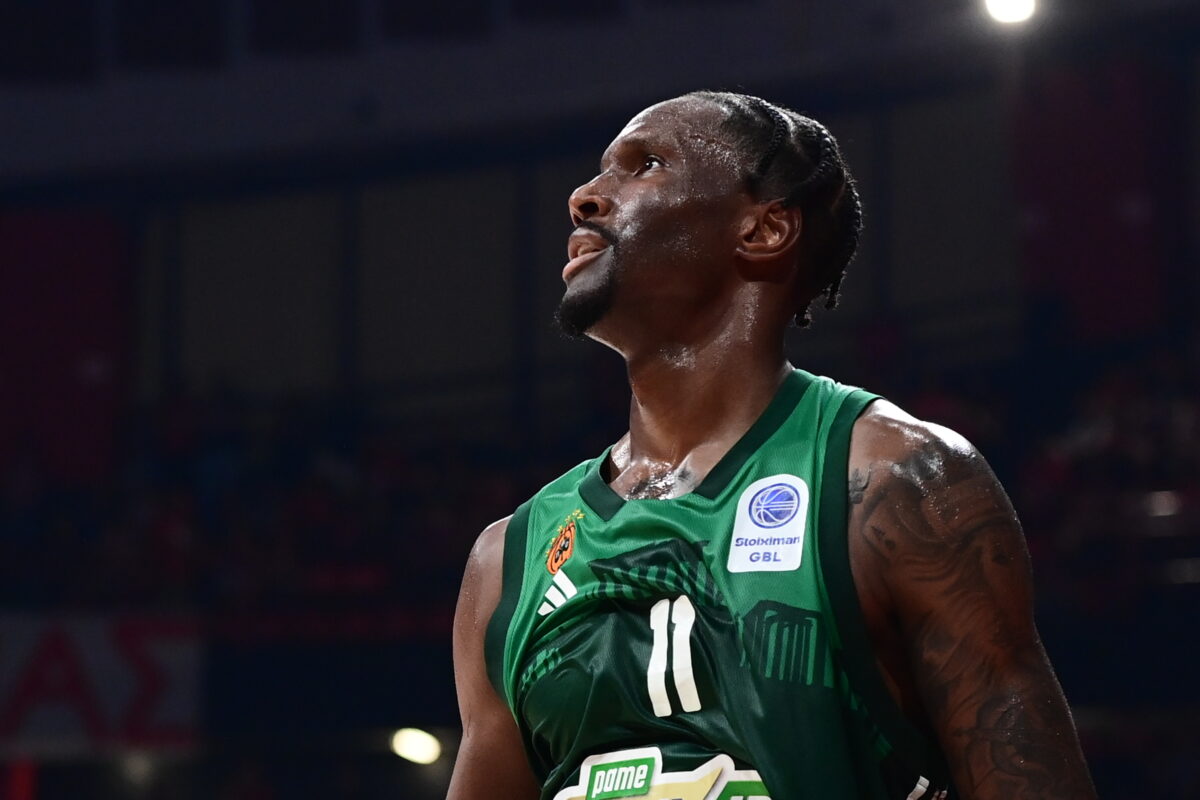
The Jones-Hayes Two-Man Game Already Looks Natural
Jones’ 20 points say plenty about his offensive impact, but 10 assists without a single turnover are an even better description of the performance that earned him Round MVP honors. Considering how much he handled the ball and how many of Partizan’s important first reads went through him, finishing the game without a turnover says enough about his control.
That became even more obvious in the fourth quarter. Jones was directly involved in Partizan’s first 16 points of the period, either scoring or assisting. Milano could not find a defensive answer without opening up another problem. When the big stepped up, Carlik could attack him off the dribble. If he stayed deeper, Jones had room to shoot. Help off Kevarrius Hayes opened up lob passes and feeds toward the rim, while help from the perimeter created a pass to the shooter. Jones saw those situations on time, recognized what the defense was giving him, dictated its decisions and then punished them.
His two-man game with Kevarrius Hayes worked particularly well. The former Monaco center suggested before the season that he and Carlik could become a serious pick-and-roll threat, and the opening game already offered evidence of that. Hayes finished with 10 points on 5-of-6 shooting from two, but his value was not in the number of possessions run through him. Partizan needs exactly this kind of center next to Jones: someone who sets a good screen, rolls quickly to the rim, provides a vertical threat and finishes once the guard has created an advantage. He does not need post touches or isolation plays drawn up for him. He showed that simply moving well can make the problem Jones already creates for a defense even bigger.
Partizan Built Its Defense From the Point of Attack
Partizan also built a large part of its advantage with ball pressure. The black-and-whites had 12 steals to Armani’s two, a clear reflection of how aggressively Partizan pressured Milano’s guards. It could do that with Alessandro Pajola and Luca Vildoza, who were extremely aggressive on the ball. Pajola was particularly important, and his contribution will generally be measured by how and where the opponent is forced to initiate offense, not by whether he scores 15 or 20 points. When you have a player who can push the opposing point guard several feet farther from the intended starting point and leave him with 15 or 16 seconds on the shot clock, the defense has already done much of its work. Pajola did exactly that several times.
Vildoza added four steals. He was not consistent offensively, had a nervous start and made a few poor decisions, but Partizan was able to absorb that much more easily because he remained useful defensively. That allowed Partizan to keep the pressure on the ball. Later, he hit the three that made it 84-68, after which there was no realistic way back for Olimpia.
Nikola Tanasković and Arijan Lakić also made important contributions as Partizan’s domestic players. Tanasković had four offensive rebounds and adapted quickly to the circumstances created by Derek Willis’ injury. Joan Peñarroya’s decisions helped with that. Lakić, for example, spent a good portion of the game at power forward and hurt Armani from that position. He made two open shots, maintained the defensive intensity and gave Partizan exactly what it needed.
Thompson’s Impact Was Bigger Than His Five Points
Ethan Thompson had only five points and dealt with foul trouble, but Joan Peñarroya publicly praised him after the game. That praise, despite the modest stat line, showed that the coach was not judging his contribution only by the numbers. Thompson has played only one official EuroLeague game, and he will inevitably need time to adjust to the basketball environment here. He also has the benefit of playing alongside Carlik Jones, with whom he already shared the floor in the G League. They worked well together there, and the expectation is that they can do the same here.
The third quarter, however, remains a serious warning. Partizan led 52-43 and had an opportunity to create the first major break in the game, but allowed Armani to come back and tie it at 57-57. During that stretch, the offense lost some of its structure, there were several rushed decisions and possessions without enough ball movement, while Marko Gudurić hit two important threes and restored the visitors’ confidence. Partizan did not panic and gradually regained control.
The Defensive Rotations Still Need Work
A key question for the rest of the season is who runs the offense when Jones is off the floor or when an opponent takes away his first option. Vildoza can take over the playmaking, but by nature he is more aggressive and more willing to accept risk. Pajola can organize the team and get it into its sets, but he does not provide the same individual scoring threat. Against Olimpia, Jones showed that he is the player who will get the ball when the game is on the line, but the team still needs other solutions. Against the best EuroLeague defenses, he may not get the same freedom he had against Armani. Opponents will try to get the ball out of his hands, force him into worse scoring positions and make someone else take the important decisions.
There were also stretches in which Partizan allowed clean shots after rotations. Armani finished with 11 made threes at nearly 48 percent. Some of that comes down to the quality of Gudurić and Alec Peters, but Partizan will not be able to offset that kind of opponent shooting with steals throughout an entire season. Against teams that take better care of the ball, the second and third rotations will have to be more precise.
Willis’ injury also leaves Partizan thinner at power forward. But, Tanasković and Lakić did the job against Olimpia, but Willis’ shooting changes the floor balance and gives Partizan more space in the two-man game.
Paris and Munich Will Test Whether This Travels
Partizan’s performance gave the crowd reason to trust this team more. For the players and coaching staff, the bigger question is how much control the offense can maintain when an opponent takes away what Jones was allowed to have in this game. Against Olimpia, the answer was simple because Carlik took the ball and put the game back where Partizan wanted it. The upcoming road games in Paris and Munich against Bayern will give a clearer picture of whether this team can maintain the same intensity away from its own crowd.
For an opening game, the impression was very good.