









The FIBA windows are coming at the end of the month. Soon after that, clubs will gradually begin their preseason preparations, and on September 24, the EuroLeague will be back.


For now, though, we’re stuck in that strange in-between period.
No games. No preseason yet. Plenty of time to think about basketball.
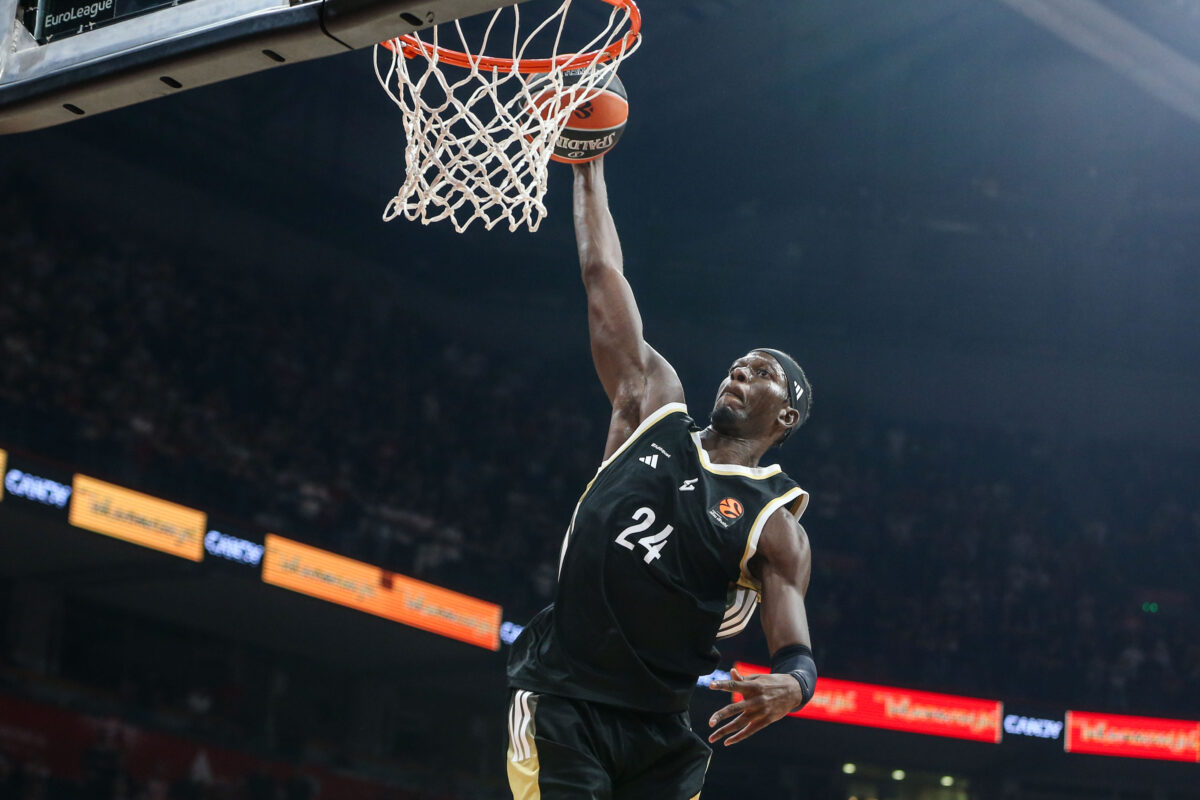
There is a very real possibility that this will be the final season of the EuroLeague in its current form – 20 teams, everyone playing everyone twice, followed by the Play-In, playoffs and Final Four.
So this feels like a good time to take stock: three things I love about the EuroLeague, and three things I really wish it would fix.
3 Things I Love
1. Every Game Matters
It’s a long season, so of course there will be the occasional blowout by 20 or 30 points.
But they don’t happen all that often.
The intensity stays high because recent seasons have shown just how thin the margins are. One win can decide whether you’re in or out.
Sometimes, so can one basket.
2. The Playoff Race
When the EuroLeague switched to its current round-robin format, with every team playing every other team home and away, there was a concern that too many games would eventually become meaningless – much like what can happen toward the end of an NBA regular season.
That hasn’t happened.
Quite the opposite.
As the season moves from round to round, the math becomes increasingly complicated, and plenty of teams still have something meaningful to play for all the way to the final round – whether they’re fighting for a Play-In spot, a place directly in the playoffs or simply a higher seed and home-court advantage.
Last season, there was another encouraging trend: even some teams that had already been eliminated kept fighting until the end, determined to play spoiler and leave their mark on the final standings.
Efes’ win in Zenica cost Dubai a place in the Play-In – and ultimately cost head coach Jurica Golemac his job. Partizan, meanwhile, beat Crvena zvezda in the Eternal Derby and ended their biggest rival’s hopes of finishing in the top eight – perhaps even the top six.
In the EuroLeague, even when your season is over, you can still ruin somebody else’s.
3. The Fans
Athens. Belgrade. Istanbul. Kaunas.
Those cities produce some of the loudest, fiercest atmospheres in basketball – the kind you can almost feel through the TV screen.
But it isn’t only about the most fanatical environments. Even in cities where the support isn’t quite as intense, there is often a distinct basketball atmosphere that makes EuroLeague games a pleasure to watch.
Unfortunately, the geopolitical situation has forced many games in recent seasons to be played either behind closed doors or at neutral venues.
Without that, the picture would be even better.
3 Things That Need Fixing
1. The Scheduling
We all understand that TV rights holders have a major say in scheduling.
Still, few things frustrate a basketball fan more than having seven EuroLeague games on one night – and just one the next.
Or having most of those seven games tip off within half an hour of each other.
At that point, watching the EuroLeague becomes a skill of its own. You need quick fingers on the remote, a sixth sense for which close game is about to become a great one, and elite-level command of the rewind button.
And even then, you’re going to miss something good.
2. It’s Hard to Fall in Love With a New Team Every Year
Forget about players spending their entire careers with one club.
These days, you can almost count on one hand the number of EuroLeague players who have spent more than five years with the same team.
Of course, fans will always support their own club. But basketball fans also tend to find secondary favorites – teams they develop a soft spot for and root for whenever their own team isn’t involved.
With rosters changing so dramatically and so frequently, that kind of connection is becoming much harder to build.
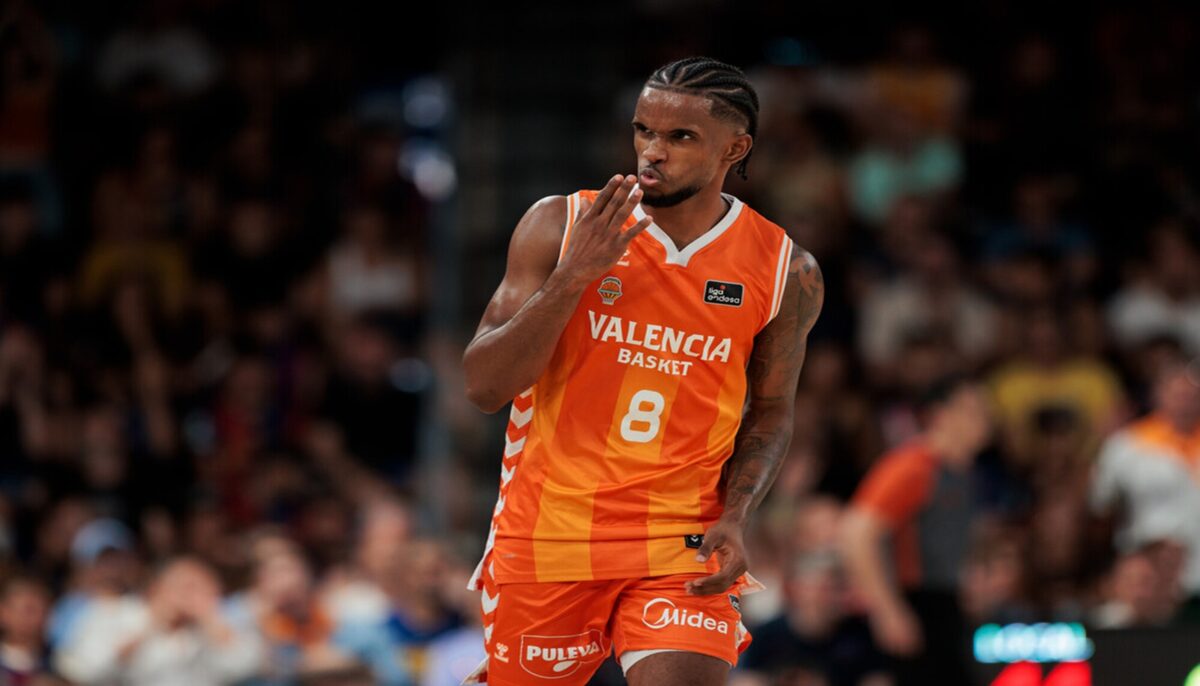
Take Valencia.
Last season, they were one of those teams almost everyone could enjoy watching.
Now? Good luck recognizing them.
Most of the key pieces are gone. Even Pedro Martínez left for Real Madrid.
3. Video Review
We get it.
Officials need to determine whether they got the call right. Giving coaches challenges is a great idea, too.
But at some point, can we please just play basketball?
Give the referees a time limit. If you can’t tell after that, make the call and move on.
As things stand, it’s hardly unusual for EuroLeague games to last around two hours. In the worst cases, reviews drag on for so long that the viewer can almost forget what game they’re watching.
The players cool down. The momentum disappears.
And the natural rhythm of the game we all love gets lost somewhere in front of a replay monitor.