





The man who reshaped the financial balance of Israeli basketball, Ofer Yannay, is reducing his involvement in Hapoel Tel Aviv’s ownership structure and day-to-day operations, while sharing control with three new powerful shareholders. This marks the next chapter for a club that has grown at unprecedented speed.


Hapoel Tel Aviv is one of Israel’s most historic basketball clubs. Founded in 1935, it has won five league titles and boasts one of the country’s most passionate fan bases. In recent years, however, the club has made a… thunderous return to the heart of the European basketball conversation, generating enormous buzz along the way.
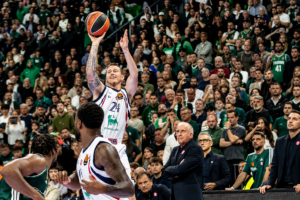
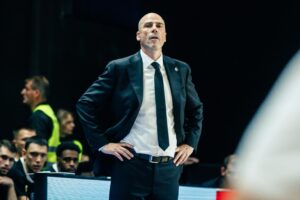
Its rise on the court began with the 2025 EuroCup title under Dimitris Itoudis. That triumph opened the door to the EuroLeague, where Hapoel made an immediate impact in its debut season. It finished the 2025-26 regular season in sixth place and secured a playoff berth. Real Madrid eventually ended its run, yet the Israeli club’s first campaign was impressive by any measure.
Israel’s emerging powerhouse was built around one of the competition’s largest budgets. The signing of Vasilije Micic was last summer’s blockbuster move, while the roster featured several top-level EuroLeague players, including Elijah Bryant. With Itoudis on the sidelines and considerable depth across the squad, Hapoel entered the conversation as one of this season’s leading contenders to reach the 2027 Final Four.
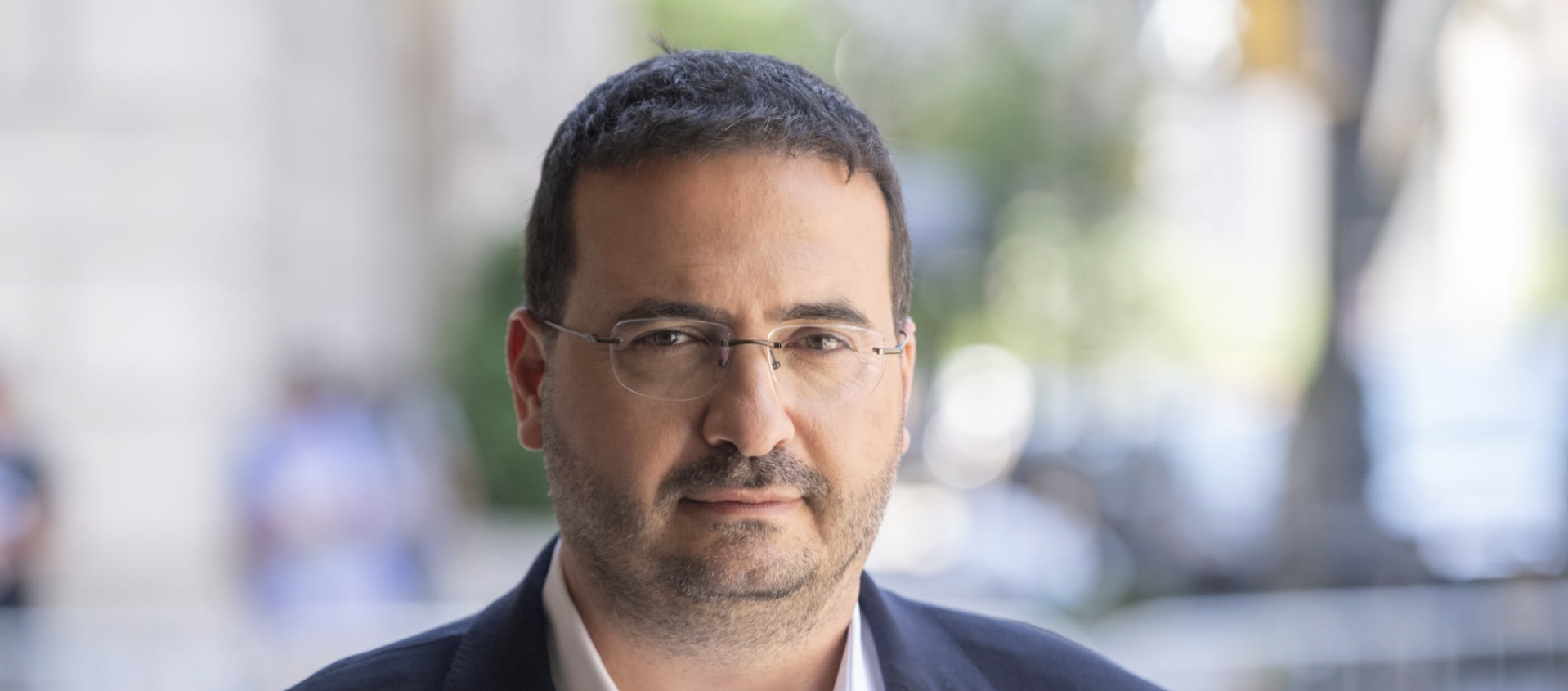
Driving the project’s rise was Yannay. The Israeli businessman acquired a majority stake in 2023 and gave the club the financial power to pursue elite coaches and players. Within a short period, Hapoel’s name became linked with virtually every major deal on the market, as the organization put itself in contention for the leading names who became available to EuroLeague teams.
Yannay’s business reach extends far beyond sport. In 2011, he founded Nofar Energy, a group operating in renewable energy and energy storage across several international markets. The company was listed on the Tel Aviv Stock Exchange in 2020 and went on to develop a global portfolio comprising thousands of projects.
At the same time, the owner’s involvement in day-to-day basketball matters was highly personal and visible. His frequent social media posts, public interventions, feuds with coaches such as Pedro Martinez and Ergin Ataman, and outspoken comments on transfers, opponents and targets turned him into one of European basketball’s most talked-about figures over the past two years. In many ways, the new Hapoel bore his signature.
Now, however, the model is changing. Yanay Sports, the company that controlled 81% of the club, announced a new shareholding structure. Yannay’s effective stake has been reduced to slightly above 30%, while Gili Raanan, Micky Malka and Alan Howard will each hold close to 20%.
More precisely, reports from Israel put Yannay’s share of Hapoel Tel Aviv at 32.4%, with each of his three partners holding 16.2%. The supporters’ association retains the remaining 19%.
The changes extend to the boardroom and the club’s day-to-day organizational structure. New chairman Stav Shaham will act on behalf of all shareholders, as announced.
“My role as CEO of Nofar Energy no longer allows me to be as involved in the day-to-day management as I was in the past,” Yannay explained, adding that Shaham had been given the mandate to lead the organization alongside the other investors.
This represents a substantial restructuring of the club’s ownership and management model, rather than Yannay’s definitive departure. Those close to the situation in Tel Aviv stress that his influence remains pivotal, although responsibility will now be shared and decision-making will have a more collective foundation. For a club that expanded so quickly, the transition is designed to provide greater stability and reduce its dependence on a single individual.
In the space of only a few years, Hapoel has progressed from winning the EuroCup to competing in the EuroLeague playoffs and setting its sights on a Final Four appearance. At the same time, it is among the 11 clubs seeking EuroLeague franchise status and a permanent berth in the competition.
In its next phase, the Israeli side must maintain the same momentum with a broader ownership base and a clearer division of responsibilities. Essentially, the era of the “one-man show” is giving way to a different management model.