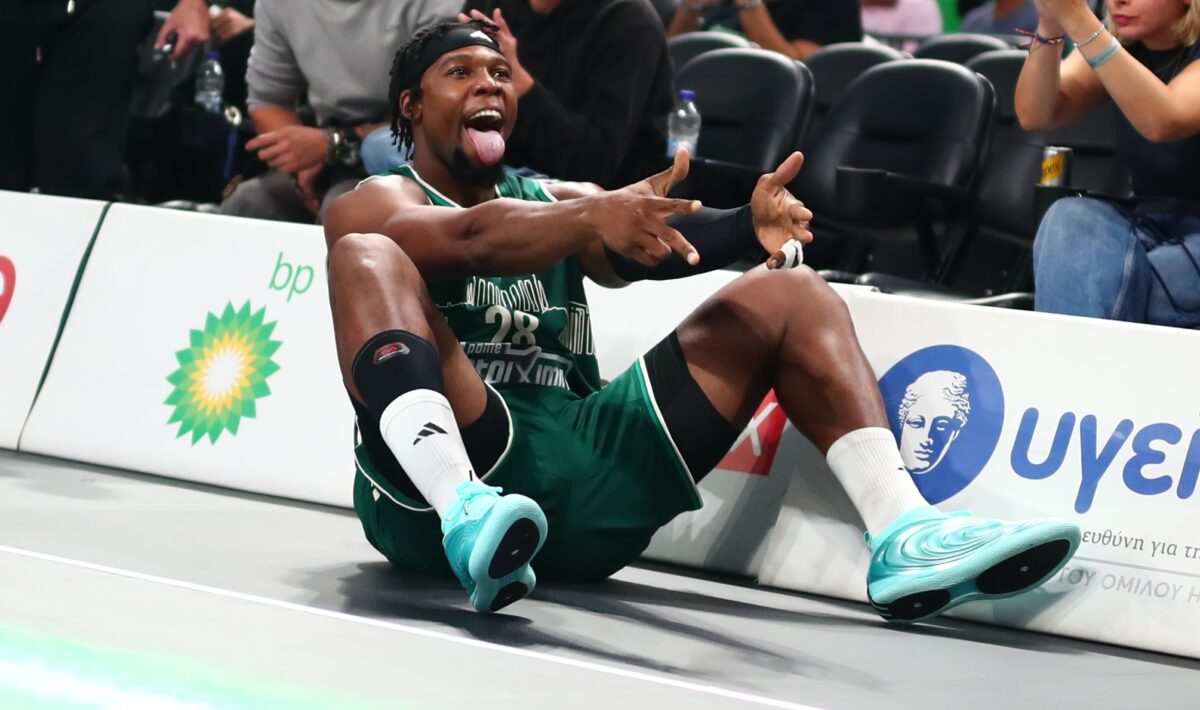




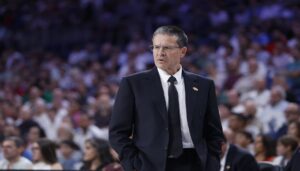

Zeljko Obradovic is instilling his philosophy at Panathinaikos. After beating Paris and ASVEL, the Greens also knocked Maccabi down for the count (90–67). What they can take from their opening run, and why the road ahead demands even more.


“Thank you for reminding us what it feels like to be invincible.” Dimitris Giannakopoulos’ message, posted in Serbian on Instagram, captured the excitement surrounding Panathinaikos’ start to the season.
Three wins from three EuroLeague games, control of the tempo and a playing identity that is becoming increasingly recognisable: Zeljko Obradovic has already given his new team a clear direction.
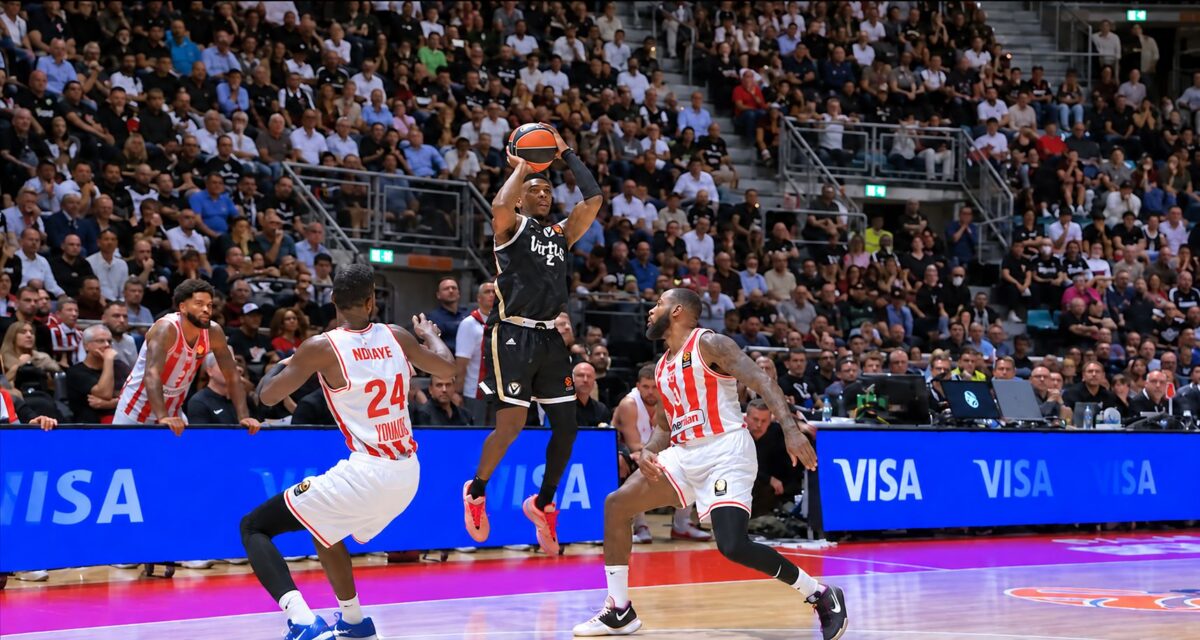
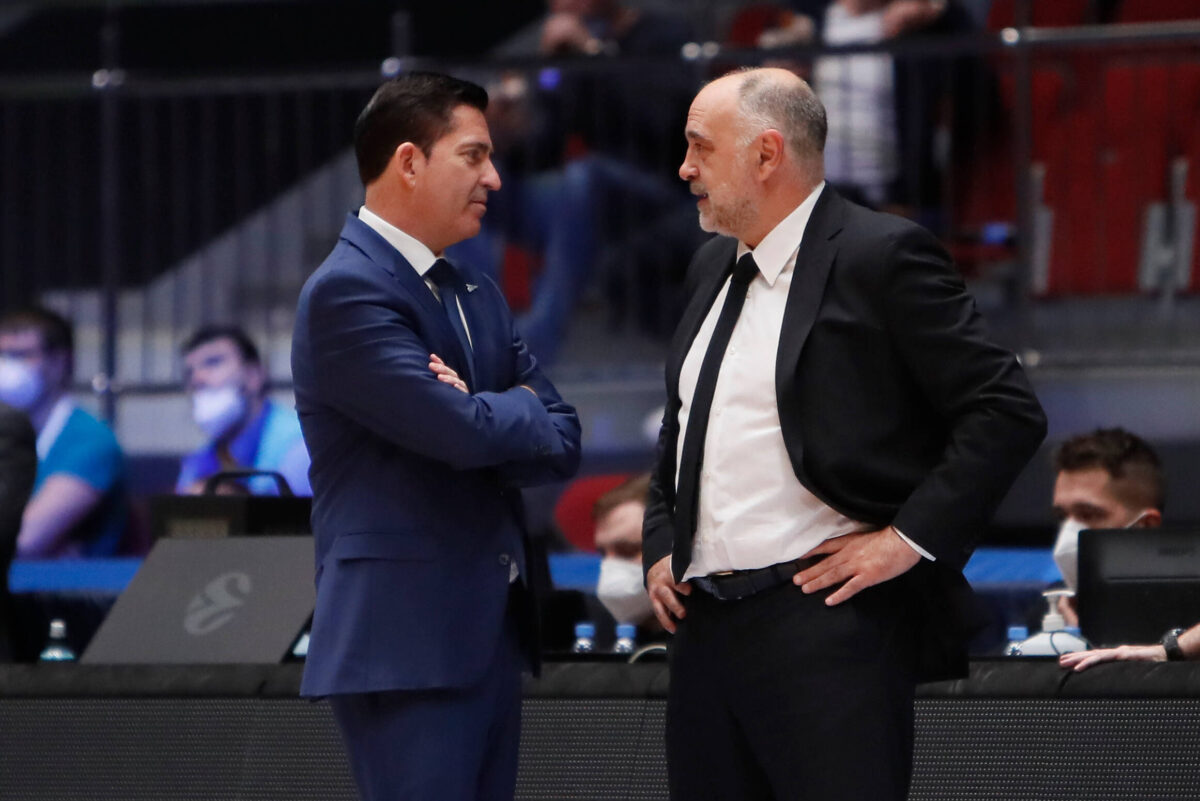
“Invincible” reflects the emotion of these early days. The basketball explanation lies in the “good habits” being developed day by day, practice by practice: concentration from the opening possession, covering for one another, accepting roles and demanding effort regardless of the score. The Greens are establishing a shared foundation they can rely on when the opposition puts up greater resistance.
One detail from the Maccabi game illustrates that process perfectly. What was it? Obradovic was still coaching the very last possession (!) of a contest that had effectively been decided by halftime. His demands never eased. For the Serbian head coach, every play offers an opportunity to correct a decision and reinforce an understanding between teammates.
That approach carries over into daily practice, as those within the seven-time European champions’ organisation describe. The coach’s energy sweeps the players along, while his respect for everyone creates the conditions for his instructions to be accepted. When a player understands that the coach is trying to make him better, he sees the intensity of that guidance differently. That relationship is built before tip-off.
It shows in the way games begin. Panathinaikos have not trailed at the end of the first quarter in any of their three European outings. The starters set the tone for everyone who follows. A starting five’s value is measured by its impact on the game, and the Greens are getting intensity and defensive commitment from theirs.
Naturally, that distribution of responsibility extends to the rotation. Eleven players featured against Maccabi Tel Aviv, with nobody reaching 25 minutes on the floor. Five finished in double figures. The scoring was shared, just as the minutes were. Much the same has happened in each of the Greek Cup holders’ first three European games. With absences limiting their options, that management becomes even more important for what comes next.
“We want to keep players on the floor so that everyone feels important,” coach Mike Batiste said after the game. That idea needs to be put into practice every day. Players must know what the team expects from them, have the opportunity to deliver it and feel that their effort is recognised. That is how involvement grows. It is something Panathinaikos are achieving to a considerable degree in this “new era”.
The circumstances of their preparation make that adjustment all the more notable. At his press conference, Obradovic pointed out that he had only nine (!) proper practice sessions and ten players available before competitive games began. He gave special credit to his assistants and staff, placing player health and workload management high on his list of priorities. The 3–0 start has come amid constraints that continue to shape daily work. Or rather, despite those restrictions on personnel and options.
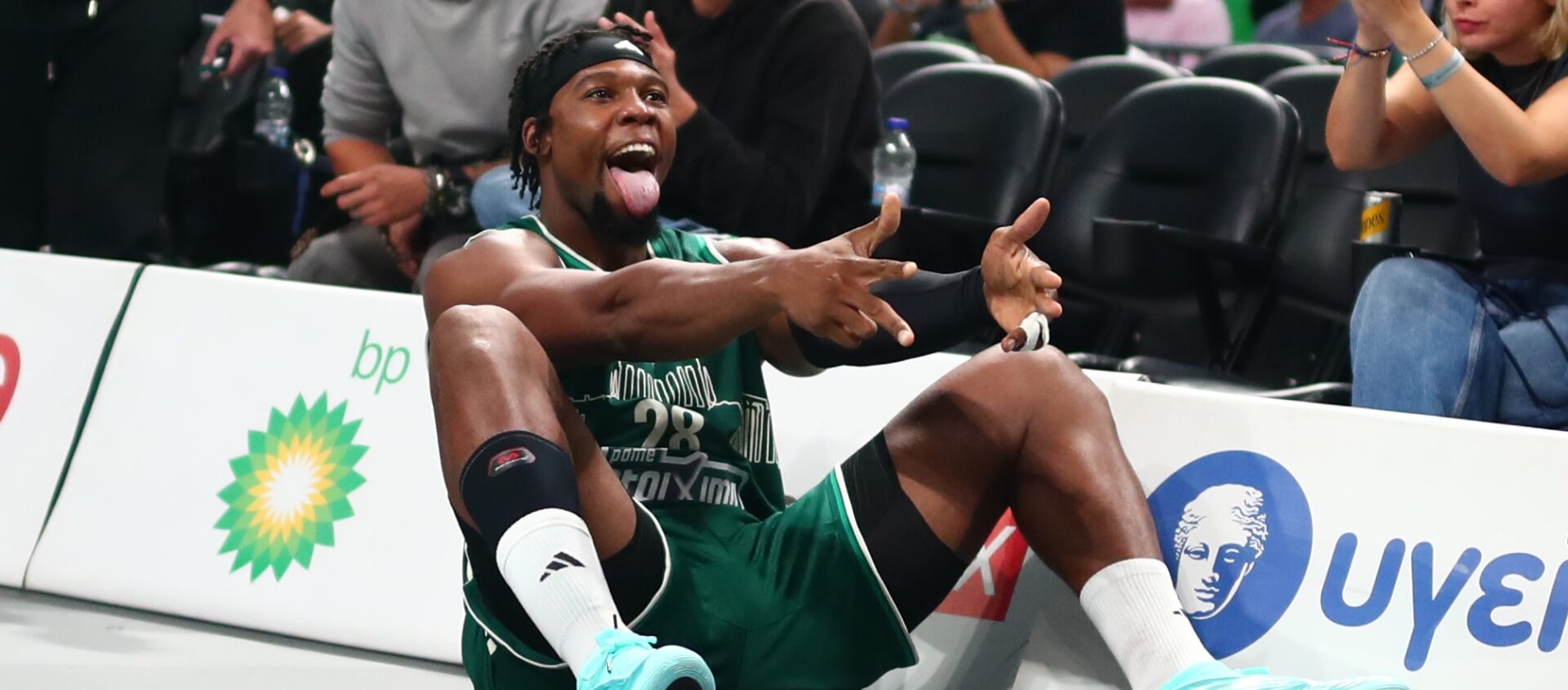
Nigel Hayes-Davis’ return offers another avenue for improvement. His PIR of 18 was the highest in the game against Maccabi, providing an early glimpse of his influence on his season debut. Even more revealing was Obradovic’s account of his work during his absence: he continued training hard, even with one hand.
“He sets an example for everyone,” his coach said. That observation connects quality with consistency. In a roster still finding its balance, the behaviour of key players influences everyone around them. The American returned with solutions on the court and an approach that meets the coaching staff’s demands. Integrating him more fully remains part of the work and the wider process.
There are also areas that still need attention. Speaking on “Magic Euroleague”, Savvas Kamperidis acknowledged that rebounding control must improve and linked that progress to even better defensive execution. On offence, the desire to play quickly is clear, but the quality of execution is not yet consistent. The coaching staff’s awareness allows them to assess this positive start without overlooking the weaknesses.
The players’ comments complement what is happening on the court: the Greens appear willing to work together and follow a shared direction. Obradovic, after all, emphasised motivation.
The European schedule now raises the demands. Fenerbahce visit Athens on October 8, followed by a trip to Partizan on October 13—with all the emotional weight of Obradovic’s return to Belgrade—and the game against Hapoel Tel Aviv on October 16. Different tests, travel and successive adjustments. The schedule and the performances ahead will examine how well Panathinaikos can sustain their effort, how effectively they work together and whether their approach to managing the squad holds up.
Obradovic has warned that difficult moments will come. That is when the qualities being cultivated today will carry greater weight: trust in a teammate, commitment to a role and persistence until the end. Panathinaikos have every reason to enjoy their start. The mindset they are developing, though, is an even greater gain than their 3–0 EuroLeague record.