








Panathinaikos fell 81–91 to a well-prepared Hapoel side at the T-Center. Given their lengthy list of absentees and how early it still is in the season, their 5–0 start had been an extraordinary run that was bound to end at some point. Yet the Greens still have plenty of reasons to feel optimistic about what comes next.


In just five rounds, Panathinaikos had managed something extremely difficult: making dominance look routine and themselves look unbeatable. They defeated every opponent, dramatically restricted the offensive threats in their path — Nadir Hifi, Patty Mills, Yam Madar, Wade Baldwin, Talen Horton-Tucker and Carlik Jones, in that order — and appeared to have an answer for every situation and every problem. Even as their absences became more significant or more numerous, even when their own offense was not functioning as Željko Obradović wanted.
A 5–0 record was an excellent way to begin the regular season. More impressive, though, was how they achieved it. Clear principles, players putting their bodies on the line, teamwork and defensive commitment allowed the Greens to dictate the terms. Fenerbahçe struggled in Athens, Partizan were held to 55 points in Belgrade, and a team with enormous offensive talent began to stand out for its work at the other end of the floor.
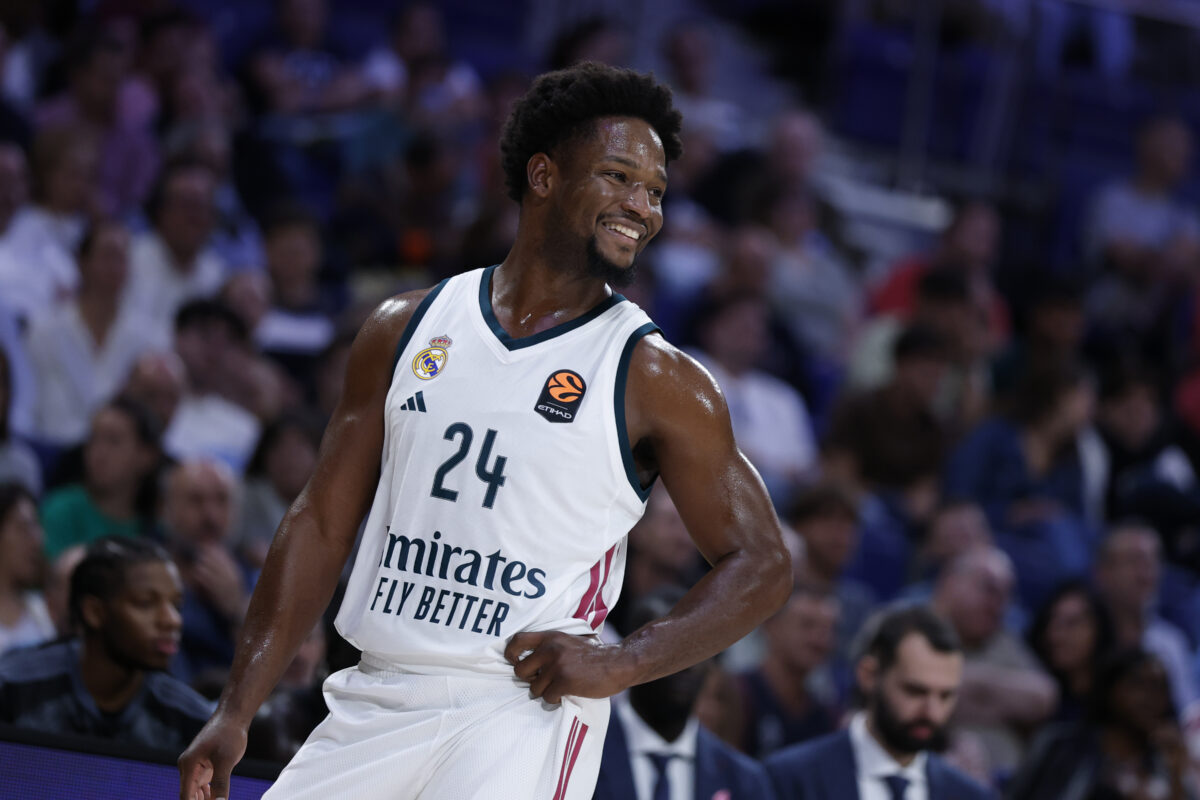

But it is still only October. The Greens are learning their coach’s demands, developing their game and taking shape as a team, while trying to establish consistent habits — good habits, at that — amid a relentless schedule. Against Dimitris Itoudis’ well-drilled side, they were also without Kendrick Nunn, Kostas Sloukas, Isaac Bonga and Nikos Rogkavopoulos. Expecting the same level of performance to continue indefinitely, without fluctuations, was perhaps a little unrealistic.
After all, roster quality alone does not guarantee the same performance every night. A team’s understanding is tested more severely when the opposition has a smart, carefully prepared plan and the first options fail to deliver. Those are the moments that reveal how firmly the principles have taken hold, how quickly adjustments can be made and how many alternatives are available.
This Panathinaikos team have already shown plenty in those areas, of course, but their consistency is still a work in progress. Their players continue to learn, improve and adapt to the demands and expectations placed on them.
Itoudis’ team exposed precisely that challenge, an inevitable one at this stage of the season. Hapoel arrived in Athens prepared for Panathinaikos’ switching defense, found the mismatches they wanted and used their one-on-one quality. The Greens did not apply enough ball pressure, allowed easy passes and let the visitors feel comfortable on the glass floor. Once an offense as talented as Hapoel’s finds its rhythm, a few solid defensive stretches are nowhere near enough to contain it.
The numbers illustrate the contrast with the previous performances. Across their first five games, Panathinaikos had allowed an average of 69.4 points and held opponents to 26.8% from three-point range. Hapoel scored 91, shooting 9-for-20 from beyond the arc (45%). Meanwhile, the hosts made just 5 of their 21 three-point attempts and lost the rebounding battle by seven. As the game unfolded, the conditions for another victory had changed dramatically.
Naturally, this defeat cannot be explained solely by the absences, even though missing four players made the task considerably harder for the Greek Cup holders. The players available still had enough quality to make it 6–0. However, they failed to maintain the necessary concentration and conceded points by straying from their own principles. That is the sense in which this first loss was understandable: it made basketball sense in the circumstances. It does not absolve anyone of responsibility for what they could have done better.
The reaction inside the locker room was also revealing. Sylvain Francisco, who finished with 22 points, 4 rebounds and 4 assists, said: “We lost, we’re furious, but it’s a ‘good’ loss because it comes early in the season.” Francisco’s disappointment shows how high the players themselves have set the bar. Its value depends on whether it translates into greater attention to detail in the next practice and the next game — something that, with Obradović on the bench, seems all but certain.
The reasons for optimism are tangible and clear. Obradović has already established a recognizable defensive identity, and his players have proved they can execute it. Restoring that approach and the toughness of the opening rounds requires pressure, correct help defense and finishing possessions. There is an established standard to build on, a foundation for further work and renewed results.
The returning players also bring different strengths. Kendrick Nunn provides elite individual scoring, Kostas Sloukas adds playmaking, Isaac Bonga can defend guards and big men, and Nikos Rogkavopoulos supplies shooting. The two guards are preparing to return, with all indications pointing to their availability against Baskonia on Thursday, October 22, although their participation against Peristeri on Sunday, October 18 remains uncertain. Panathinaikos are also awaiting Bonga’s return and reassessing Rogkavopoulos’ condition daily.
The home meeting with Baskonia is a manageable, must-win game and an immediate opportunity to get back to winning ways. The central objective, though, is to restore the consistency that made the opening run so convincing.
The first five performances showed how high this team can reach. The sixth was a reminder of how much daily work it takes to stay there, particularly when the available options are limited and key players are below their best — as Nigel Hayes-Davis was on this occasion, finishing with 3-for-13 shooting and 3 turnovers.