










The Basketball Champions League enters Season 11 with one of the deepest and most intriguing fields in its history. 32 Regular Season teams are divided into eight groups of four, with only the group winners advancing directly to the Round of 16 and the second- and third-placed teams forced into the Play-Ins.


There is an additional dimension this season. The two finalists are expected to earn access to the new NBA-FIBA backed European competition scheduled to launch in 2027, dramatically increasing the value of a deep BCL run.
These opening Power Rankings are not a prediction of the final standings. They measure roster quality and depth, continuity, summer recruitment, early domestic evidence, BCL experience, coaching and each team’s realistic ceiling.
From No. 32 all the way to the top, here is how the BCL field looks entering 2026-27.
32. Sabah BC
Twelve arrivals and eight departures mean almost everything has changed. Tajuan Agee, Nick Perkins and Justin Tillman provide talent and size, but building chemistry will take time.
31. Salon Vilpas
Simply reaching this stage is an achievement. Leland Walker averaged an astonishing 34.7 points in qualifying, including 42 in the tournament final. The Regular Season, however, represents a huge jump.
30. Utenos Juventus
There is no obvious high-end offensive engine comparable to those of the leading teams. Reaching the Play-Ins would require them to outperform expectations.
29. Cibona Zagreb
The name carries enormous history, but the current competitive reality is different. In a group containing Galatasaray and Strasbourg, every win will be valuable.
28. FC Porto
The Portuguese champions are BCL newcomers. Childe Dundao provides an intriguing storyline, but adaptation to this level could take time.
27. Igokea
Experienced enough to make opponents uncomfortable, but a group featuring ALBA, Bilbao and Slavia Praha leaves little room for mistakes.
26. Legia Warszawa
Devon Daniels, coming off 16.9 points per game in Hamburg, gives them a genuine offensive reference. The supporting cast will determine their ceiling.
25. Spartak Subotica
The Serbian champions have already proved they can upset established powers domestically. Doing the same consistently in the BCL is the next challenge.
24. Pardubice
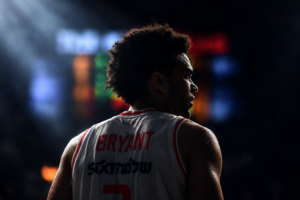
A fascinating potential surprise. Joe Bryant Jr., Zed Key and Trey Bonham give the Czech side enough top-end production to cause serious problems.
23. Bnei Herzliya
There is enough quality to challenge for a Play-In spot, although Joventut and Bonn enter Group H with greater expectations.
22. Antwerp Giants
Athletic and competitive, but AEK are the clear Group C favorites and the fight behind them should be extremely tight.
21. Bamberg
A major German name returning to the competition. Last season’s German Cup success matters, although Murcia and Varese appear to possess higher ceilings.
20. RASTA Vechta
Tibor Pleiss remains a huge interior presence and Vechta have enough experience to make the exceptionally balanced Group F uncomfortable for everyone.
19. Peristeri
Will Carius and Ty Nichols offer quality, but Peristeri landed in a demanding group alongside Murcia, Varese and Bamberg.
18. Falco Szombathely
As long as Zoltan Perl is around, Falco matter. The Hungarian scoring machine is already eighth on the BCL’s all-time scoring list.
17. Slavia Praha ERA NBK
The new Czech project inherits substantial European know-how from Nymburk, with Vojtech Hruban providing experience and identity.
16. Cholet
One of France’s best talent-development environments has added veteran experience in Tony Snell. Group F is so balanced that Cholet could realistically finish almost anywhere.
15. Hapoel Holon
Adama Sanogo may become the competition’s best center. His 17.0 points and 8.7 rebounds after joining Holon last season demonstrated his immediate impact.
14. Nanterre
Benjamin Sene provides playmaking, Hugo Yimga offers enormous upside and a revamped supporting cast gives the French club genuine Play-In potential.
13. Reggiana
BCL champion Speedy Smith brings elite leadership and intelligence. The Italians lack Unicaja’s depth but have enough scoring to become a dangerous opponent.
12. Telekom Baskets Bonn
The 2023 champions know this competition. John-Michael Wright could become the latest guard to flourish within a proven BCL environment.
11. Strasbourg
Experience, recruitment and institutional knowledge keep SIG just outside the Top 10. Their ceiling may ultimately prove considerably higher.
10. Surne Bilbao
Back-to-back FIBA Europe Cup titles matter. Bilbao return to the BCL with confidence, structure and a genuine offensive leader in Harald Frey, whose partnership with Tryggvi Hlinason could become one of the Regular Season’s most effective guard-big combinations.
They may lack the star power of the favorites, but they possess something almost as valuable in this competition: identity and extensive experience winning European elimination games.
9. Varese
Varese’s European return comes with a roster built for entertainment. Hunter Hale is a legitimate candidate to lead the BCL in scoring, Amedeo Della Valle provides perimeter quality and Ismael Kamagate and Nate Renfro add athleticism.
The question is consistency rather than talent. Find sufficient defensive balance and Varese could become one of the season’s biggest risers.
8. Trabzonspor
BCL newcomers only by definition. Isaiah Canaan, Troy Caupain, Shaquille Harrison, Xavier Tillman and Marcus Keene give Trabzonspor a backcourt and perimeter rotation with experience well beyond this level.
Emanuel Terry brings relentless energy and rim pressure. The central question is how quickly a collection of impressive names becomes a coherent team. If the answer is “quickly,” their ceiling is the Final Four.
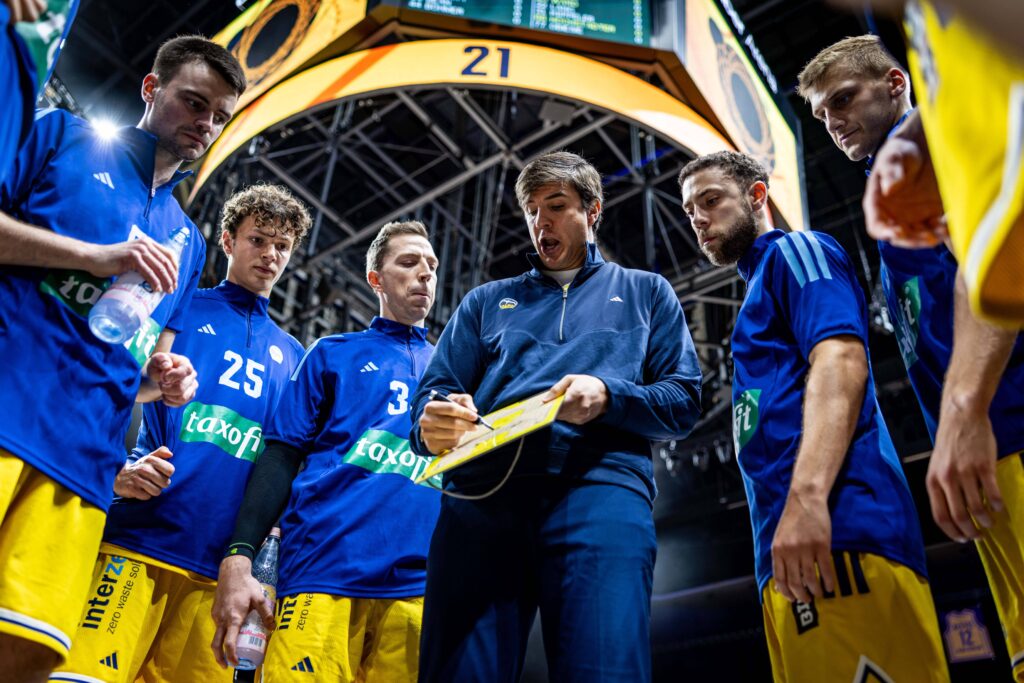
7. ALBA Berlin
The German champions have chosen continuity over revolution. Martin Hermannsson remains, reigning BCL Best Young Player Jack Kayil stayed despite being drafted by the New York Knicks, while Justin Bean, Sam Griesel and Norris Agbakoko provide a familiar core.
Brandon Angel and Jordan Ford add fresh scoring. ALBA may not possess the biggest collection of stars, but few teams can match their combination of structure, youth, continuity and organizational stability.
6. UCAM Murcia
Murcia and BCL competitiveness have become almost synonymous. They have twice finished third and have reached at least the Round of 16 in every appearance.
Sito Alonso has been in charge since 2019, while Jonah Radebaugh, Dylan Ennis and Howard Sant-Roos provide continuity. Souley Boum Jr. adds speed and unpredictability. Murcia may not be the glamorous Final Four choice, but they are among the safest.
5. Rytas Vilnius
The champions stay high until somebody takes the crown. Rytas lost Jerrick Harding, Speedy Smith, Simonas Lukosius and other major contributors, making a repeat significantly harder.
But Augustas Marciulionis, Arturas Gudaitis and Kay Bruhnke remain, while Cassius Winston and Michael Devoe add quality. A runner-up finish at the Intercontinental Cup suggested the rebuilt group can already compete at a high level.
4. Galatasaray
Last season’s quarter-final disappointment triggered a major renovation, not a reduction in ambition. Gianmarco Pozzecco now has Nikola Ivanovic and Aleksej Nikolic to organize, Dyshawn Pierre providing two-way versatility, Alen Smailagic offering frontcourt skill and Oumar Ballo bringing size.
There is championship-level talent here. How quickly Pozzecco creates cohesion will determine whether Galatasaray merely contend or finally win the competition.
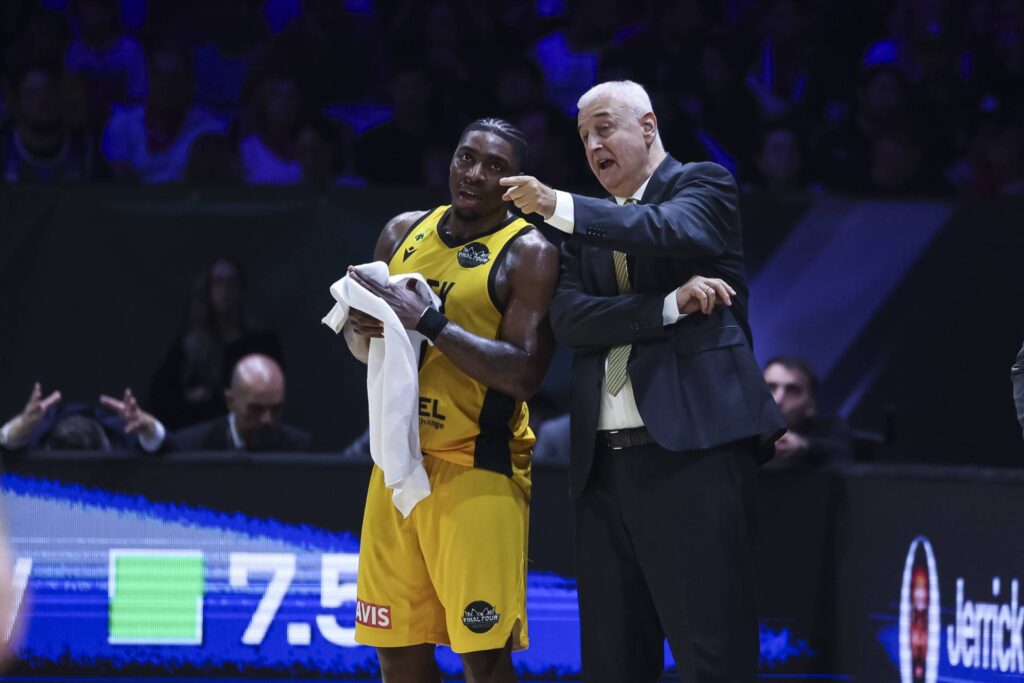
3. AEK
AEK came painfully close last season and return with an even deeper, more experienced roster. Reigning MVP Frank Bartley remains the reference point, but Thomas Heurtel, Giannoulis Larentzakis, Derrick Williams, Landers Nolley II and Nelly Junior Joseph dramatically increase the number of options around him.
Dragan Sakota now possesses numerous players accustomed to high-pressure European basketball. Managing roles may be the challenge. Purely in terms of talent, very few BCL teams can offer more.
2. Unicaja Malaga
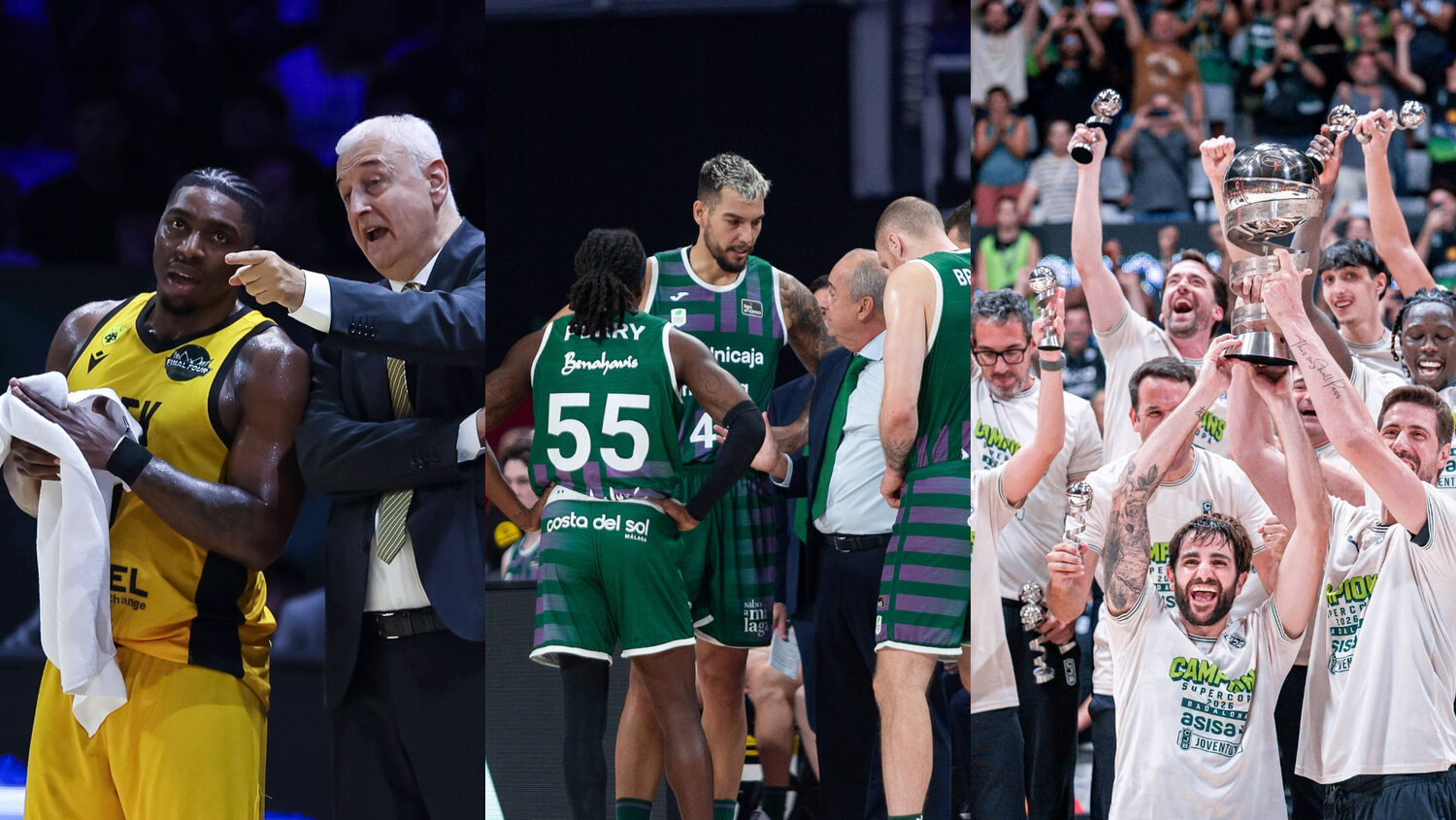
Two consecutive BCL titles followed by a third-place finish established Malaga as the competition’s modern benchmark. Yet they have undergone significant change, with Txus Vidorreta replacing Ibon Navarro.
Kendrick Perry, Willy Hernangomez, Ignas Brazdeikis, Matt Thomas, Amine Noua, Melwin Pantzar and reigning Final Four MVP Simonas Lukosius form arguably the deepest roster in the competition. Chemistry after substantial turnover is the only obvious question. The ceiling remains a championship.
1. Joventut Badalona
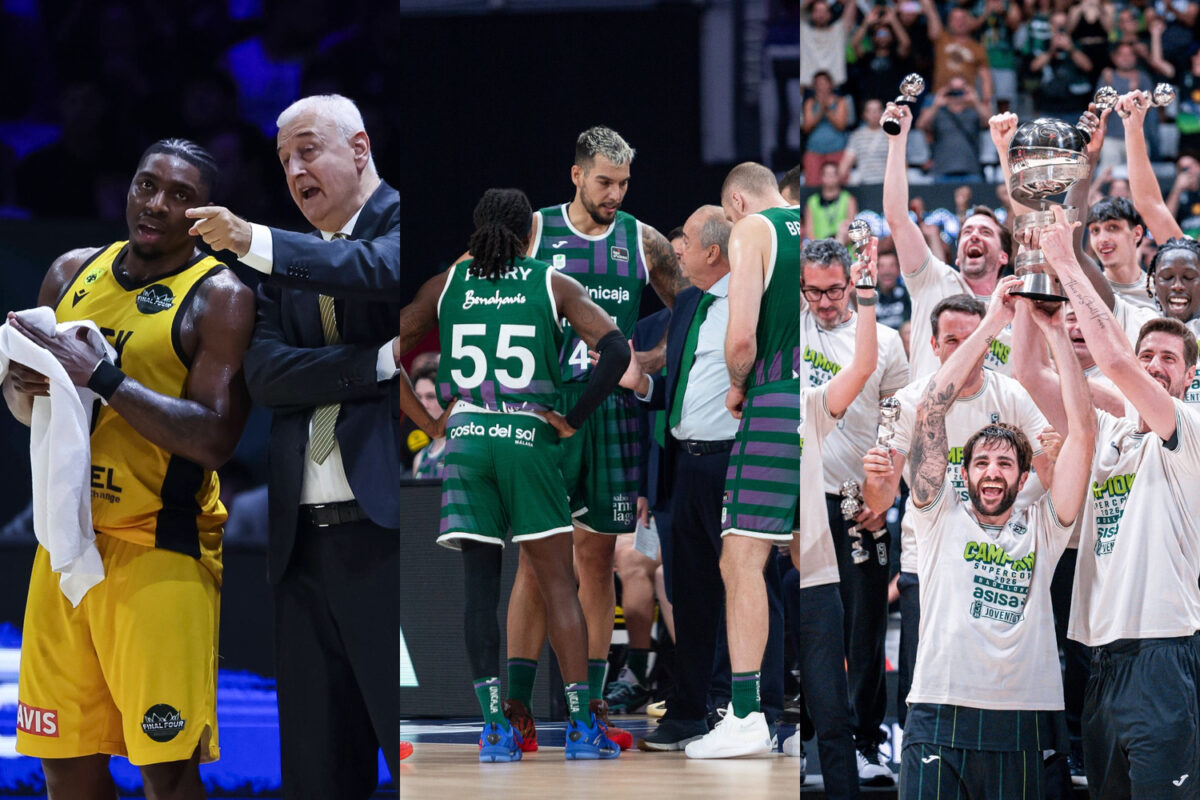
The most convincing No. 1 before opening night. Joventut retained much of last season’s core and reunited Nicolas Laprovittola with Ricky Rubio, creating perhaps the most exciting backcourt the BCL has ever seen.
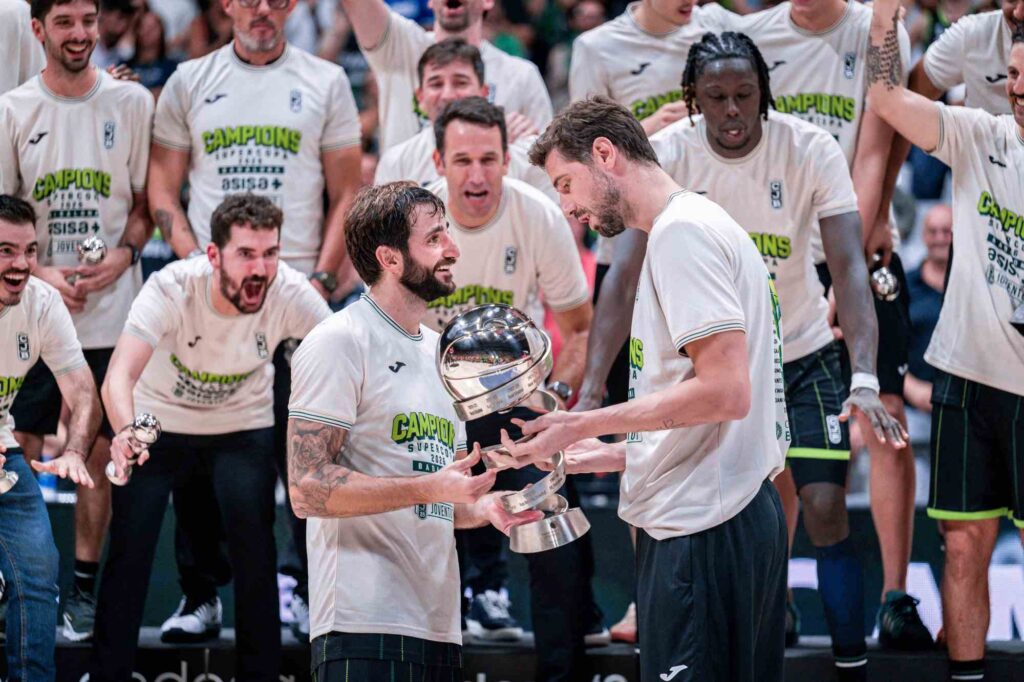
Ante Tomic remains an interior reference, Simon Birgander and Ludde Hakanson provide continuity, and the early Spanish evidence has been spectacular: Joventut won the Supercopa by beating Barcelona, with Laprovittola exploding for 31 points in the final.
This isn’t merely about famous names. Joventut possess creation, size, experience, continuity and players accustomed to winning. Entering Season 11, everybody else is chasing Badalona.