


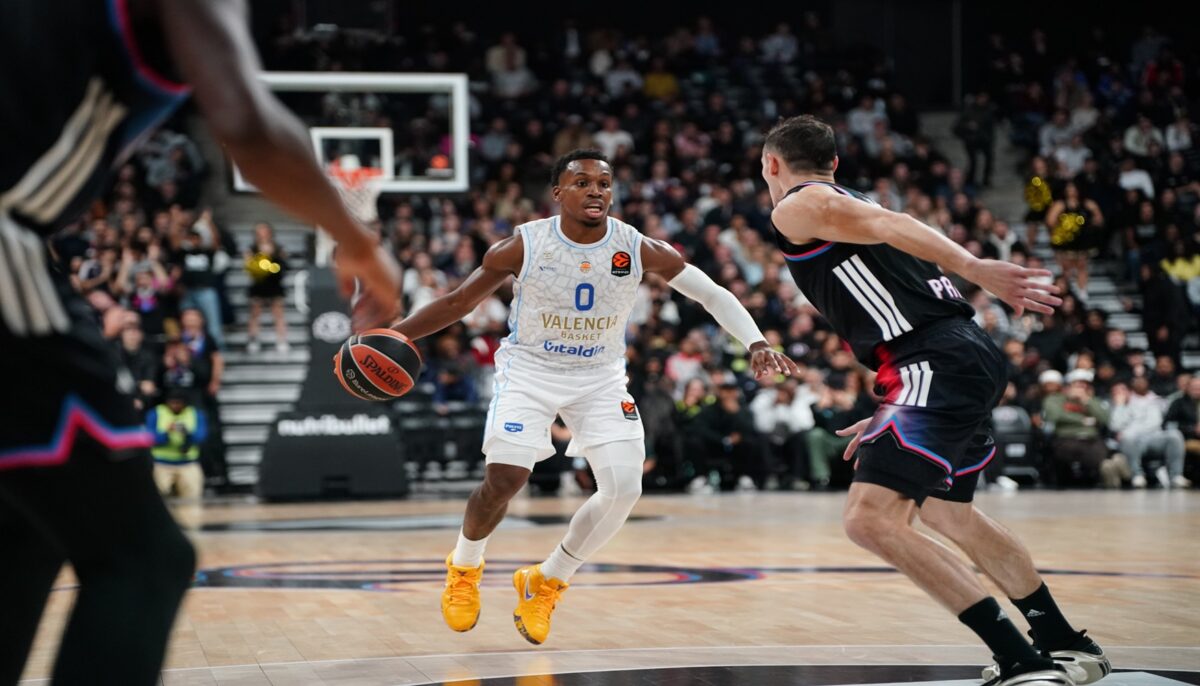





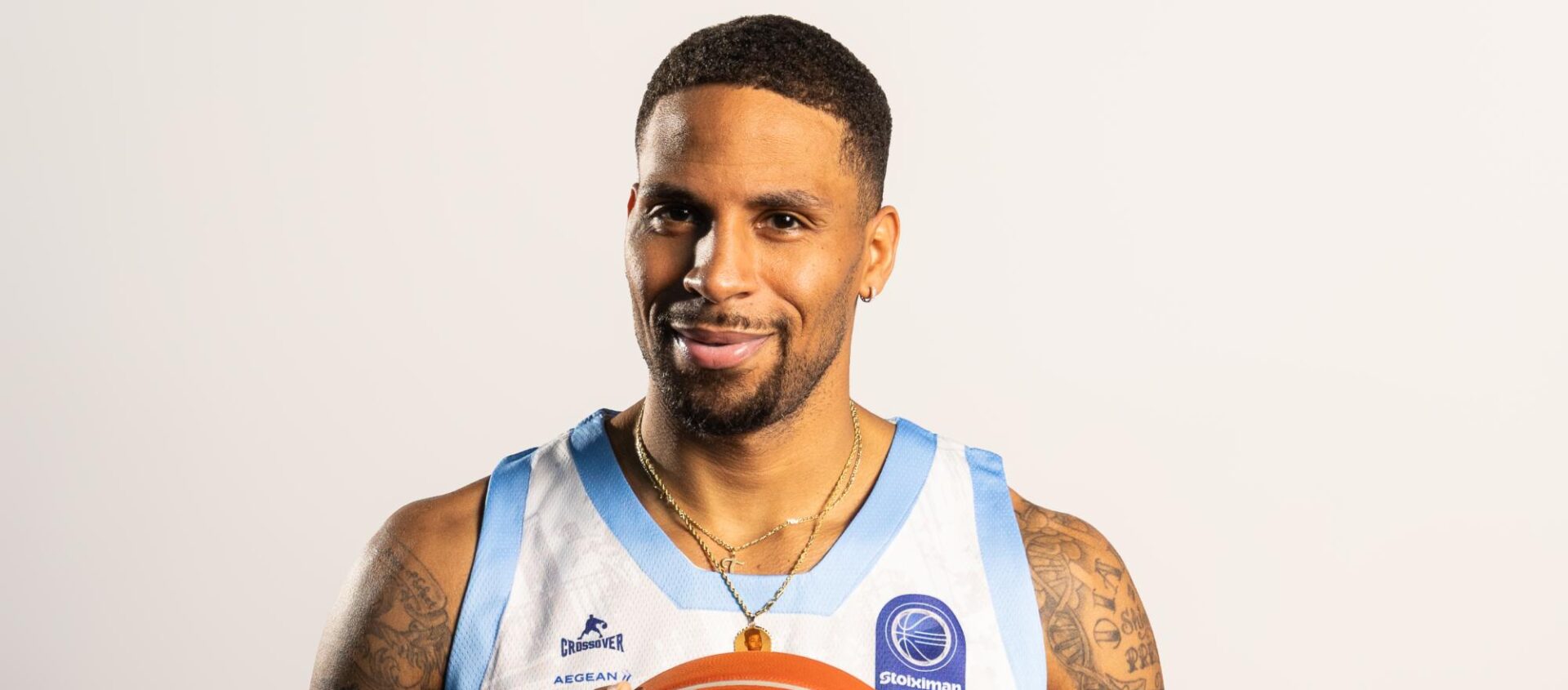

At 37, Jermaine Love has little left to prove on the basketball court. Yet, for the American guard of Mykonos BC, success has come to mean much more than money, statistics, or personal accolades. Speaking to SKWEEK, he explains that it is about the privilege of playing the game he loves, the people who make the journey meaningful, and the genuine connections that remain long after the final buzzer.


Now writing a new chapter of his career in Greece, Love reflects on the experiences that have shaped him and why gratitude, authenticity, and love matter more to him than anything else. From the story behind his distinctive social media username to his thoughts on career longevity and the legacy he hopes to leave behind, he offers a glimpse into the person behind the player — a competitor still driven to push his limits, but one who understands that his legacy will ultimately be defined by much more than what happens on the court.
Focus on the people who do believe in you
In 2013, you left the United States to begin your professional basketball career in Lithuania, stepping into a completely different world. If you could sit down with the younger Jermaine who was just arriving in Europe, what would you tell him about the journey ahead — and what would you say about the things he couldn’t possibly have imagined back then?
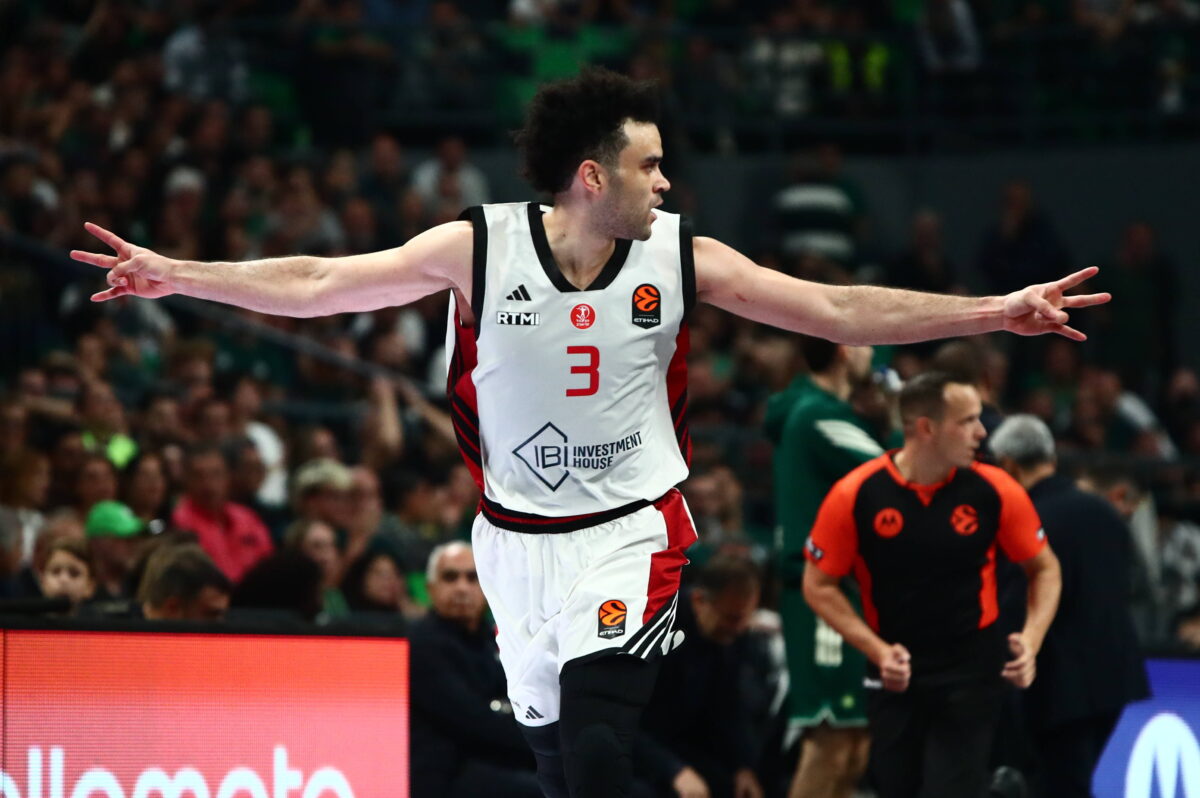
I would tell him to trust the process and trust the work. That’s something I still live by today, because the work is undefeated. I would also tell him to understand that not everyone is going to believe in him, and that’s okay. You shouldn’t waste your energy trying to figure out why certain people don’t like you or why they don’t support you. Instead, focus on the people who do believe in you — the ones who genuinely care about you and want to see you succeed.
That’s something I had to learn throughout my journey. Early in my career, I spent too much time wondering why certain people didn’t like me or why they said certain things about me. I allowed other people’s opinions to take up more space in my mind than they deserved. Eventually, I realized that I needed to focus on the people who supported me and the people who loved me. Once I made that shift, I felt I was able to get back on the right path, both as a player and as a person.
You mentioned that, especially in the early years of your career, you were very conscious of what other people thought of you. How did that affect you at the time, and how has your mindset evolved over the years?
Early in my career, I cared a lot about what people thought of me and paid too much attention to all the outside noise. At the time, I was simply excited to become a professional basketball player. I didn’t fully understand everything that came with that life, so I had to learn as I went. I didn’t really have someone there to guide me through it all, which meant I had to figure out a lot of things on my own.
Because of that, I became a bit of a people-pleaser. I wanted that pat on the back, that reassurance that I was doing things right. Looking back, I think I was mentally and emotionally vulnerable in that respect. I was spending too much time worrying about how other people saw me instead of trusting my own judgment and believing in myself.
As I got older and gained more experience, I became better at dealing with those feelings. I learned that you can’t control what people say or think about you, and you can’t build your confidence around their approval. You have to know who you are, understand the work you put in, and trust the person you’re becoming. That’s still something I remind myself of today, but I’ve grown a lot in that area since those first years in Europe.
Give me the opportunity and I can do the rest
You’ve played in countries with different languages, cultures, and basketball philosophies. Which experiences had the greatest impact on you as a person, and what did they teach you about yourself?
There are two experiences that really stand out to me. The first was my third season as a professional, when I was playing in Lithuania. That was a turning point because it was when I started to understand what it truly meant to be a professional. I had a lot of veteran players around me, while I was still young, full of energy, and eager to prove myself. I wanted to make things happen, but I hadn’t yet developed the routines or the structure that those guys had built into their lives. Watching them helped me understand that being a professional is about much more than talent or the energy you bring to the court. It’s about discipline, consistency, and how you approach your work every single day.
At the same time, there were things happening within the team that took a real toll on me. By the end of that season, I was mentally, emotionally, and psychologically drained. I had reached a point where I was seriously considering walking away from basketball altogether. That period forced me to confront how much the game was affecting me beyond the court. It was a difficult time, but it became an important part of my growth. I had to learn more about myself, understand what I could handle, and recognize what needed to change if I wanted to continue playing professionally.
The second experience came in 2017, the year my daughter was born, just before I joined Sopot. That changed me in a very different way. I learned how quickly things can change in professional basketball. In Europe, people often judge you by what you’ve done lately. At that point, I hadn’t signed with a team or played for a while, so people were questioning whether I was still in shape, whether I could still perform, and whether I was worth taking a chance on.
I was doing everything I could to find a contract, but I also didn’t want to miss the birth of my daughter. In that moment, I knew that being there for her was more important than basketball. That was a significant realization for me. The game had always been such a big part of my life, but becoming a father gave me a different perspective on my career and on what truly mattered.
When I eventually got an opportunity with Sopot, they offered me a one-month tryout. But the way I approached that opportunity was the same way I had approached my professional career from the beginning. I remember speaking to my agent at the time, and he asked me what I wanted to achieve through basketball. My answer was simple: “All I’m looking for is an opportunity. Give me that, and I can do the rest.” I told Sopot the same thing. I said, “If you give me the opportunity, I can do the rest.” They gave me that chance, and I made the most of it.
Looking back, those two experiences taught me different but equally important lessons. The first showed me how demanding professional basketball can be and how important it is to develop the right habits while looking after yourself mentally and emotionally. The second reminded me that there is more to life than the game, and that your priorities can change as you grow. Basketball remains a huge part of who I am, but becoming a father gave me a different perspective on my career and on the person I want to be beyond the court.
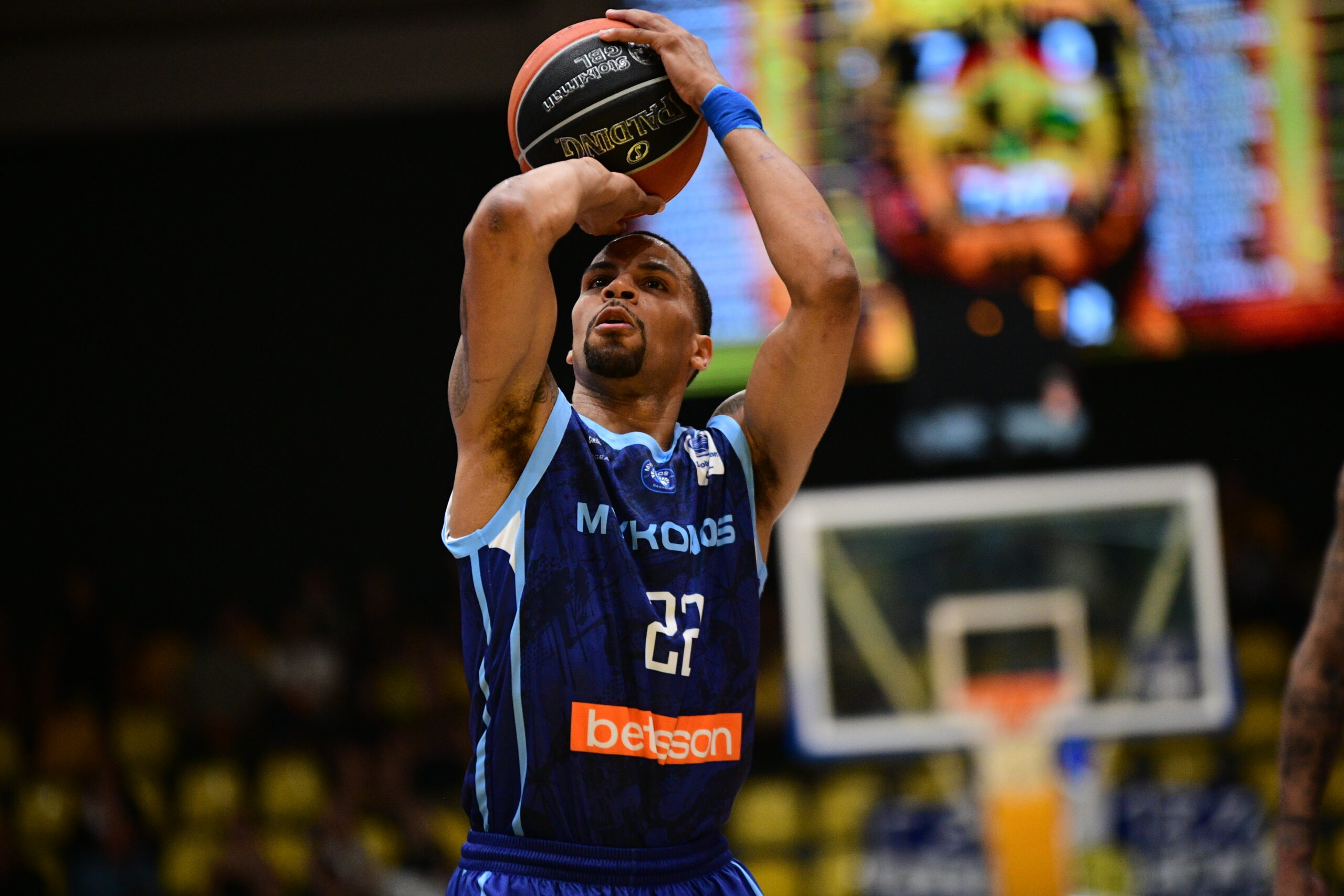
Which experience pushed you furthest outside your comfort zone, and what lesson from it do you still carry with you today?
There are two experiences that stand out to me. One was last season, and the other was my first year playing in Greece, with Holargos.
That first season in Greece was probably the most uncomfortable year of my professional career, but not in a negative way. It was a period of real growth for me — as a professional, as a basketball player, and as a man. Coach Lykogiannis demanded a lot from me because he saw me as someone who needed to set the standard for the rest of the team.
He pushed me every single day. His approach was that if he held me accountable and challenged me to reach a higher level, everyone else would understand what was expected of them, too. He knew that if he demanded more from me, there would be no reason for the rest of the team to resist those same expectations. I had to lead by example, and that meant being held to a high standard every day.
He constantly challenged me to become the best version of myself. That wasn’t always comfortable, but looking back, I understand how important that experience was for my development. I attribute a lot of my growth, both as a player and as a person, to that season. It taught me that being pushed beyond your comfort zone can be necessary for progress, especially when someone believes in your potential enough to demand more from you.
The other experience was playing in Turkey. That season was difficult because I was dealing with a shoulder injury for much of the year. I had some good moments, but for three or four months, I wasn’t able to play at the level I knew I was capable of reaching. More frustratingly, I couldn’t consistently show my coaches what I could really bring to the team.
I understand that, from a coach’s perspective, consistency is important. You want to know what you can expect from your players, and for several months, I wasn’t able to provide that because of my shoulder. I felt that this created some doubt about me, and what bothered me most was the feeling that the doubt remained even after I had recovered.
It was difficult to feel that I wasn’t being seen for the player I knew I could be. When you’re healthy, you want the chance to show what you can do and change people’s perception of you through your performances. But when an injury limits you for a significant part of the season, you can feel as though you’re fighting to overcome not only the physical setback but also the doubts that may have developed along the way.
Those two experiences challenged me in very different ways. My first year in Greece taught me how much I could grow when someone pushed me beyond what felt comfortable. My time in Turkey taught me how difficult it can be when circumstances prevent you from showing your true level. Both experiences helped shape my understanding of professional basketball — not just as a game, but as a career that demands resilience, patience, and the ability to keep believing in yourself through difficult periods.
Do I really want to keep doing this?
Looking back on your career, what was the most difficult period — the one people on the outside might never have fully understood? Was there ever a moment when you questioned whether it was all worth it, and what ultimately kept you going?
I don’t think I ever truly doubted myself as a player, because I’ve always known what I’m capable of. I’m someone who believes in hard work. I trust the work I put in, and I don’t cut corners. That belief has carried me throughout my career.
But there was one season that I would describe as probably the toughest of my career. By the time it was over, I was doing everything I could to get back to the States. The whole experience had taken a real toll on me mentally. I was so worn down by what I had gone through that I started questioning things I had never really questioned before.
I remember asking myself, Is all of this worth it? Should I have to go through this much as a player? Do I really want to keep doing this? I even began to wonder whether I had made the right decision when I left track and field to pursue basketball. Those were difficult questions to face because I had always believed in myself and in the path I had chosen. But that season had pushed me to a point where I was questioning whether I wanted to continue.
What helped me find my way back was going home and spending time with my brothers and my friends. We started playing basketball together again, and something clicked. Being around the people who knew me best and simply playing the game reminded me why I had fallen in love with basketball in the first place. For a while, I had been so caught up in everything surrounding the game that I had lost touch with that feeling.
Over the summer, I found that love again. I realized that I had been through a difficult moment, but it didn’t have to define the rest of my career. Since then, I haven’t looked back. I also made a promise to myself that I would never let myself get to that point again.
Looking back, I think that period taught me that believing in yourself doesn’t mean you’ll never struggle. You can be confident in your abilities and still reach a point where the mental pressure becomes overwhelming. Sometimes, you need to reconnect with the people who know you best and remember why you started in the first place. For me, getting back to that love for the game made all the difference.
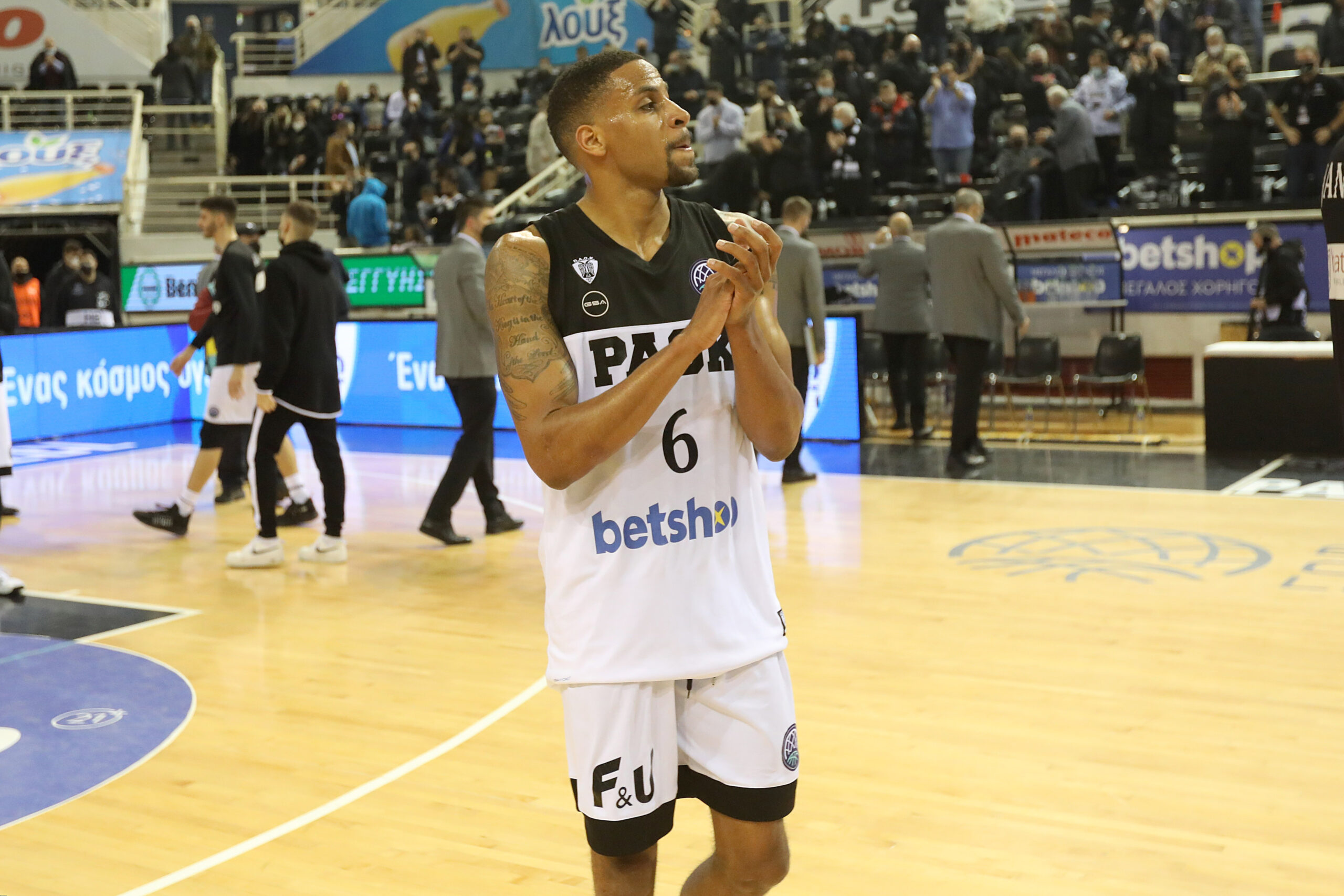
In a 2021 interview with PAOK, you spoke about happiness, love, and a sense of family when discussing your return to the club. After so many moves, how important is it for you to feel that you belong somewhere?
Honestly, I think that was the biggest factor in my decision to return to PAOK. The way they made me feel — the fact that I felt so loved there — meant a lot to me. It was no secret that the club was in a very different financial position back then compared with where it is today. But I started playing basketball for one main reason: because I loved the game. I wanted to enjoy it, and I never wanted to lose sight of that.
Feeling comfortable, feeling connected to the people around me, and knowing that I’m part of something bigger have always played a major role in my decisions. I want to be part of something that’s being built, something meaningful, something that feels like a family. That’s also why I came to Mykonos, even though some people questioned that decision.
At the end of the day, everyone works to make a living, and money matters. But there’s another question that matters just as much: How do you feel when you go to work every day? How do the people around you make you feel, and how do you make them feel? To me, that connection is worth a lot. It’s something I always look for, and it’s one of the biggest factors behind the decisions I’ve made throughout my career.
And how do you recognize when a team has become something more than just another professional stop?
I don’t think you can ever know for sure beforehand, but I always look for that possibility. I’m very thorough when it comes to deciding where I’m going to play. I ask myself whether a situation could become something more on an emotional level. Can I see myself connecting with the people there? Can it become a place where I genuinely feel that I belong?
I’m going to spend eight or nine months there, so I want it to be somewhere I enjoy being, somewhere I feel at home — a place where I feel loved and can give that same feeling back. I’m not just looking for a team that offers me a contract. I’m looking for an environment where I can build a genuine connection.
If I don’t get the feeling that a place has the potential to offer that, I’m unlikely to go there. I do my homework on the coaches, the players, and the experiences of those who have been at the club before me. I reach out to other players and ask them what it was really like. By the time I make a decision, I want to have a general understanding of what the experience could be like.
Of course, you can’t know everything until you actually get there. But I want to make an informed decision and give myself the best possible chance of finding a place where I feel I belong.
Whenever you get the chance to be part of history, you should cherish it
You’ve experienced different sides of Greek basketball, from Holargos and Kolossos to PAOK and Peristeri. What made you say yes to Mykonos for the 2026–27 season? Was it the basketball challenge, the people involved, the club’s ambitions, or something that’s difficult to capture in a transfer announcement?
Honestly, when the offer first came through, my reaction was simply, “Oh, cool — Mykonos!” I had watched a couple of their games the previous season because I was following PAOK, including the game in which Mykonos beat them. I remember watching and thinking that the Mykonos players looked like they were having fun. They seemed to really enjoy playing together.
At the time, I was playing in Turkey, and I never imagined that I might end up joining them. It wasn’t something that crossed my mind while I was watching. But when the offer came, I remembered what I had seen, and it made me curious about the possibility.
I also knew Tyree (Appleby) from playing against him in France and later in Turkey, when he was playing for Darüşşafaka. So, I reached out to him and asked what it was like in Mykonos. He gave me some really positive feedback, which helped me get a better sense of the club and the environment.
Then there was Greece itself. I love Greece; it feels like a second home to me. I had spent so much time here throughout my career, but I had never been to Mykonos. The idea of playing basketball on an island was exciting. I thought it would be a unique experience, both professionally and personally.
I was on vacation when I finally had the chance to speak with the coach. We had a very detailed, open, and honest conversation, and that was probably the point when I became seriously interested in the opportunity. It gave me a much clearer picture of what the club was trying to build and what my role might look like.
I wouldn’t say I made my decision right there, because I was still taking my time and weighing everything up. But by that stage, I was definitely leaning toward Mykonos. The combination of what I had seen on the court, the feedback I got from Tyree, my connection with Greece, and that conversation with the coach made it feel like an opportunity worth pursuing.
Mykonos has a very specific image internationally, associated with tourism, nightlife, and the intense summer season. But you’re here as a professional athlete. What is everyday life on the island actually like for you? Have you discovered a different side of Mykonos from the one most people imagine?
I think when people think of Mykonos, they picture the sea, the beaches, and everything the island is famous for during the summer. But not many people think about what it’s like in the winter, when things quiet down and many places close. I’m going to experience that side of Mykonos — everyday life on the island when everything is calmer.
I’m not someone who needs to go out all the time, so nightlife isn’t really a big part of my life. When I play overseas, I’m more of a homebody. I like staying in, spending time at home, and going out to different restaurants. And Mykonos has plenty of good food. Greece in general has great food, so that’s something I really enjoy.
As for the nightlife, it’s not really my thing. I understand that it’s a big part of the island’s international reputation, but I think Mykonos speaks for itself. It’s one of those places you have to experience personally to really understand. I don’t want to give too much away, either.
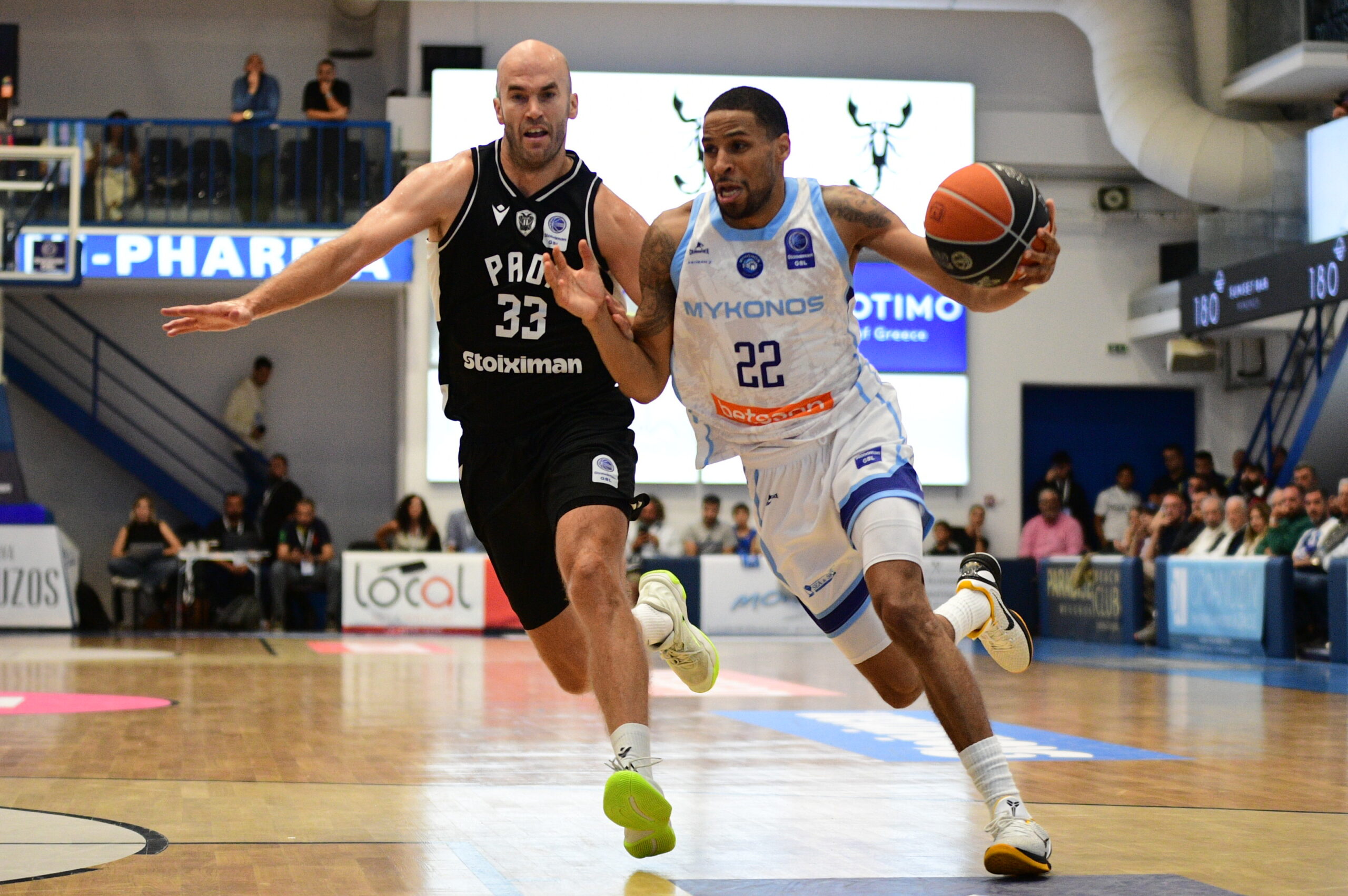
Mykonos is at a special stage in its basketball journey, competing at the highest level of Greek basketball and in the FIBA Europe Cup for the first time. What kind of responsibility do you feel when you become part of a project that is still shaping its identity?
I think this is a historic season for the island, and it’s important that we make the most of it. We have to put our best foot forward, give everything we have, and do our best to make this a season people can be proud of.
For me, though, this season is especially about the fans — the people who live here and represent Mykonos every day. Given how much the island means to them, I think it would be a disservice to those people if we didn’t give everything we had. Every time we put on the jersey and play in front of them, it’s a blessing. We have an opportunity to represent something that means a great deal to the community.
Whenever you get the chance to be part of history, you should cherish it. You don’t get many opportunities in your career to help create something that will be remembered. Being part of a club’s history is something that stays with you; it becomes part of your story and part of the club’s story, too.
I think we’ve made a really good start, but, as the saying goes, it’s not about how you start; it’s about how you finish. We’re not here simply to say that we competed. We want to achieve something special. We want to reach the next stage of the FIBA Europe Cup, finish at the top of our group, and go as far as possible. At the same time, we want to keep building our identity every day and see how far we can take this team by the end of the season.
We’re here to compete, but we also want to make progress and leave something meaningful behind.
At 37, you’ve accumulated experiences that take many players an entire career to gain. What still motivates you to get up for another practice or another game?
I’m an extremely competitive person. I compete in everything. That’s why I play sports — I genuinely love competition, and I always want to see how I measure up against other people.
But one thing I think about a lot as I get older is that more and more people start doubting what I can do. I wouldn’t say it makes me angry, but it gives me extra motivation. To me, it shows that they haven’t really been paying attention. If you look at how I played five years ago and compare it with how I play now, I don’t think you’ll see much of a difference.
I think some people see the number 37 and automatically assume that a player at this age must be past his best. What I want to show them is that I’m still climbing. I’m not on the other side of the hill, waiting for my career to come to an end. I’m still moving forward, still trying to reach the top.
I want to make sure that when my career does come to an end, people don’t look back and say, “He used to be a great player.” I work every day to keep my body in the best possible condition and my mind sharp, so I can continue to compete at the highest level I can.
That’s what I want to prove: that I am who I say I am. It’s not about arrogance or making empty claims. I know how much work I put in, and whenever I get an opportunity to show what that work means, I take it. That’s what drives me to practice, to play, and to train two or three times a day during the summer.
For me, 37 is just a number. I know what I’m working toward, and I’m determined to keep moving forward.
The definition of success
Has your definition of success changed compared with your early years in Europe?
I think my definition of success is completely different now from what it was when I was younger. Back then, I was focused mainly on money and the financial side of things. Today, those things aren’t what matter most to me.
For me, success comes down to two things. First, being able to wake up every day. And second, being able to play the game I fell in love with. Whether it’s a practice or a game, I’m grateful just to be able to do what I love.
I know I won’t be able to play forever. As the saying goes, Father Time is undefeated. But I’m going to give him a run for his money until he finally catches up with me! And I’m not going to make it easy for him.
Ultimately, I’m just incredibly grateful to be playing at this level, to be healthy, and to be alive. Being able to play the game I love and maintain my health — that’s success to me.
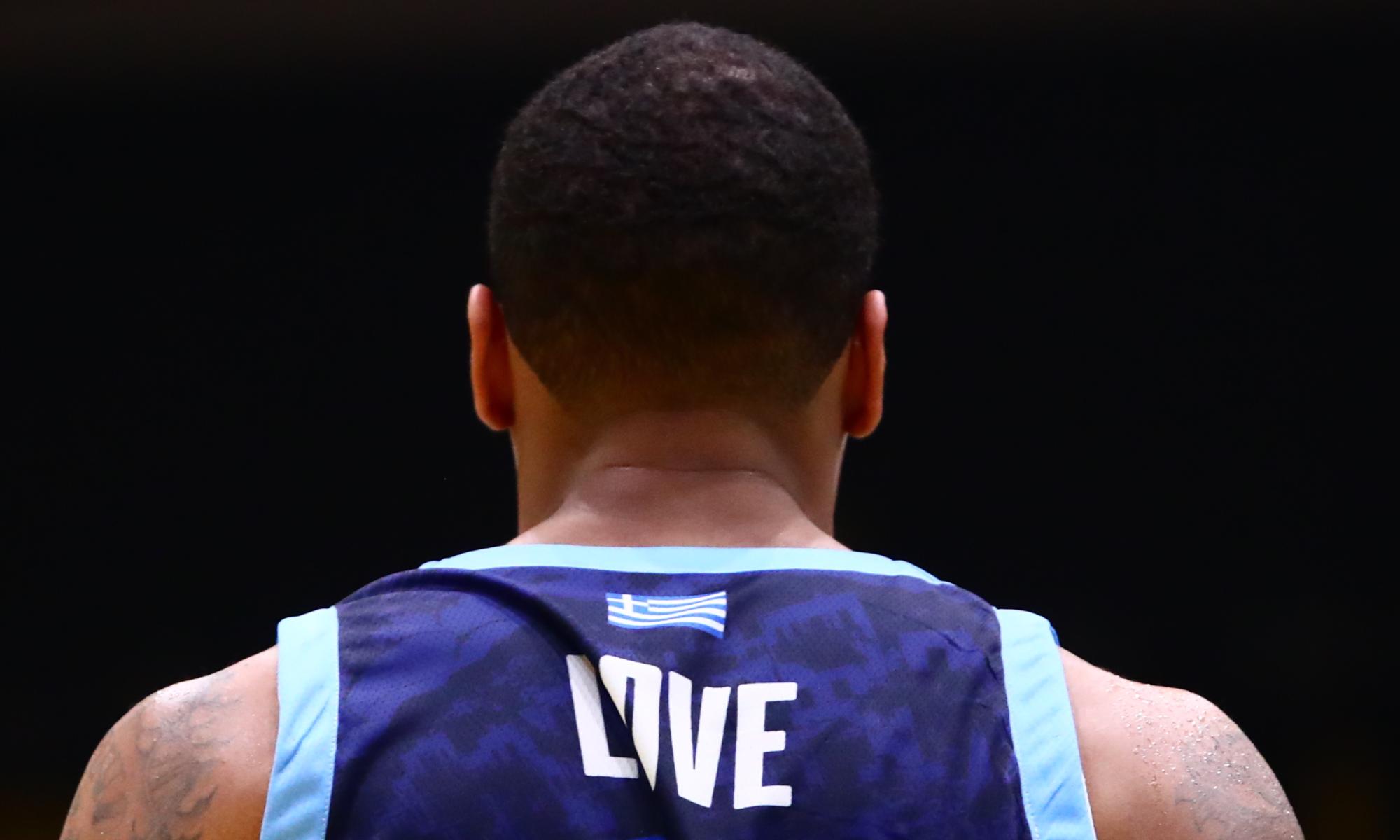
On Instagram, your username is @word2mylastname. What’s the story behind it? Is it a personal motto, a play on words, or something that only the people closest to you really understand?
It’s a little bit of all those things. It’s a tribute to my last name, and it’s also a play on words. But the idea actually came from my brother!
My brother makes music under the name Trell Love. He had a song in which he referenced our last name. One day, I was looking at my Instagram profile and decided I wanted a different username. I can’t even remember what I had before, but I knew I wanted something new.
I was listening to his song when that line came up: “Word to my last name.” I immediately thought, I like that. That’s it. So I went on Instagram and tried to change my username. At first, I couldn’t get wordtomylastname because someone already had it. I started playing around with different versions, and that’s how the two came into it. My jersey number is 22, so I thought it made sense to include the number two. And that was it — the name stuck.
When I first changed it, my followers started telling me how cool the username was. The feedback was great, so I decided to use it across my other social media accounts, too. I eventually deleted some of those accounts because I wasn’t really using them anymore, but the name stayed. People connected with it, and it became part of my identity online.
Love is both a feeling and a choice
And if your name were a message you wanted to leave with the world, what would that message be?
I would say that love is universal. I think it’s one of the most powerful things we can experience and share as human beings. For me, love is both a feeling and a choice — something you can choose every single day, not only to give to others but also to give to yourself. I think that when we learn to love ourselves, we naturally encourage others to do the same.
With everything that’s going on in the world, I believe that love — what my last name represents — is something we all need to embody and carry with us every day. It’s what we should be sharing with one another.
I believe love and joy can spread from one person to another, and that allowing someone else to experience those feelings is one of the greatest gifts you can give, even to someone you don’t know.
Professional basketball has taken you across many countries and given you different identities within different teams. When that journey eventually comes to an end, how would you like your teammates, coaches, and the people you’ve met along the way to remember you? What would you want them to say made Jermaine Love truly special?
When I reach the end of my career, I know it’s going to be an emotional moment. Every athlete goes through that kind of athletic death when it’s time to retire.
More than anything, I want people to remember everything I gave to this game — everything I sacrificed, physically, mentally, and emotionally. I want them to remember the effort I put in and everything I tried to express through my craft.
As for my teammates, I’d want them to remember me as someone who was silly and always cracking jokes, but who could also come into the gym with a completely different kind of intensity — sometimes looking like he was ready to take on the whole world!
At the end of the day, though, I want them to know I was someone they could depend on. Someone who pushed them and was willing to be pushed by them, who held himself accountable, and who was genuinely good to be around.
For my coaches, I’d want to be remembered as someone who never cut corners, who respected the game, and who gave everything he had to it.
And for the fans, I think the most important thing would be to give them a huge salute. They’ve been part of this journey, too, and I’d want them to know that their support has meant something to me. More than anything, I want people to remember that, whatever jersey I wore, I gave everything I had. Whatever the game required of me, I did my best to deliver…