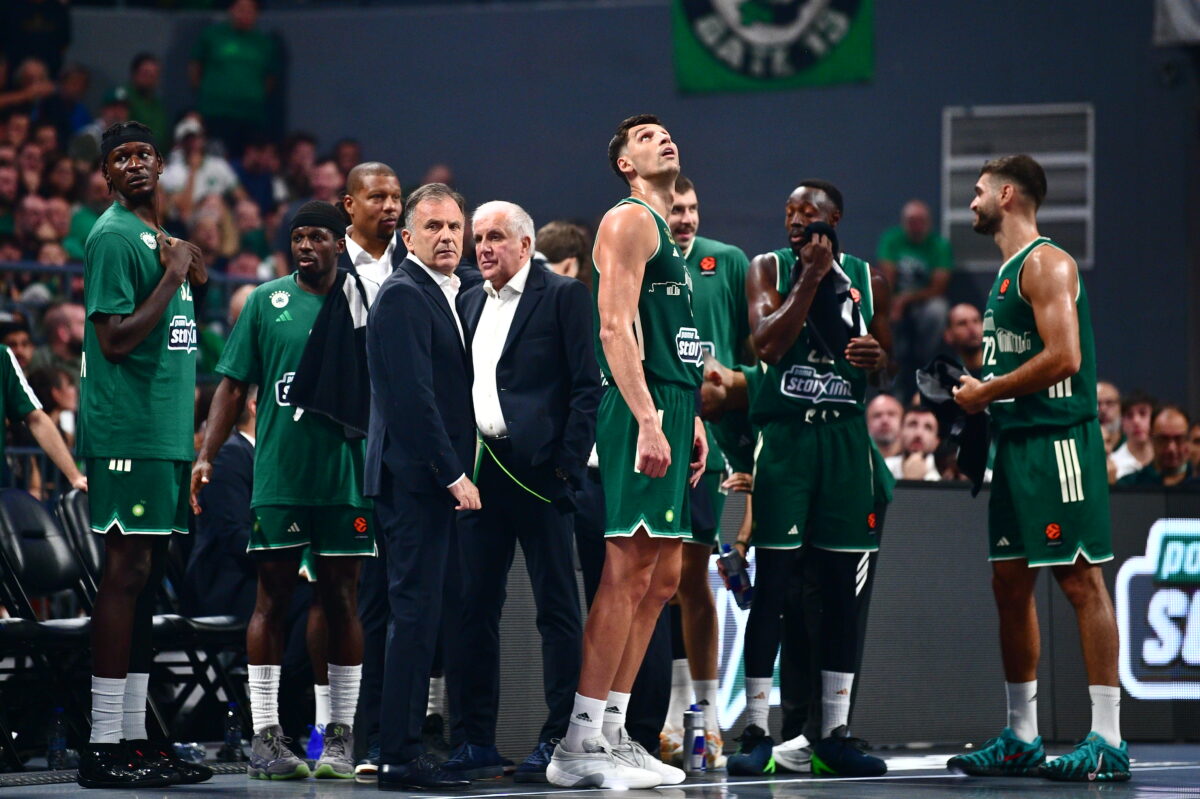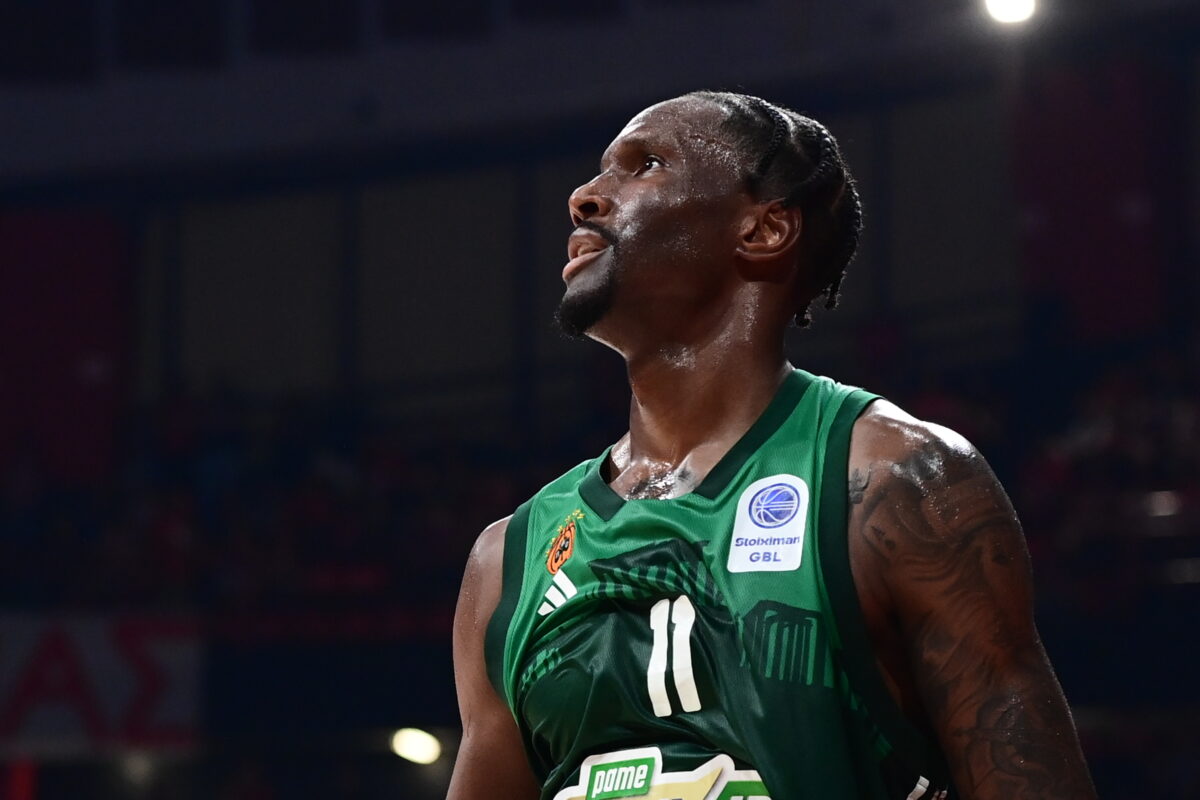








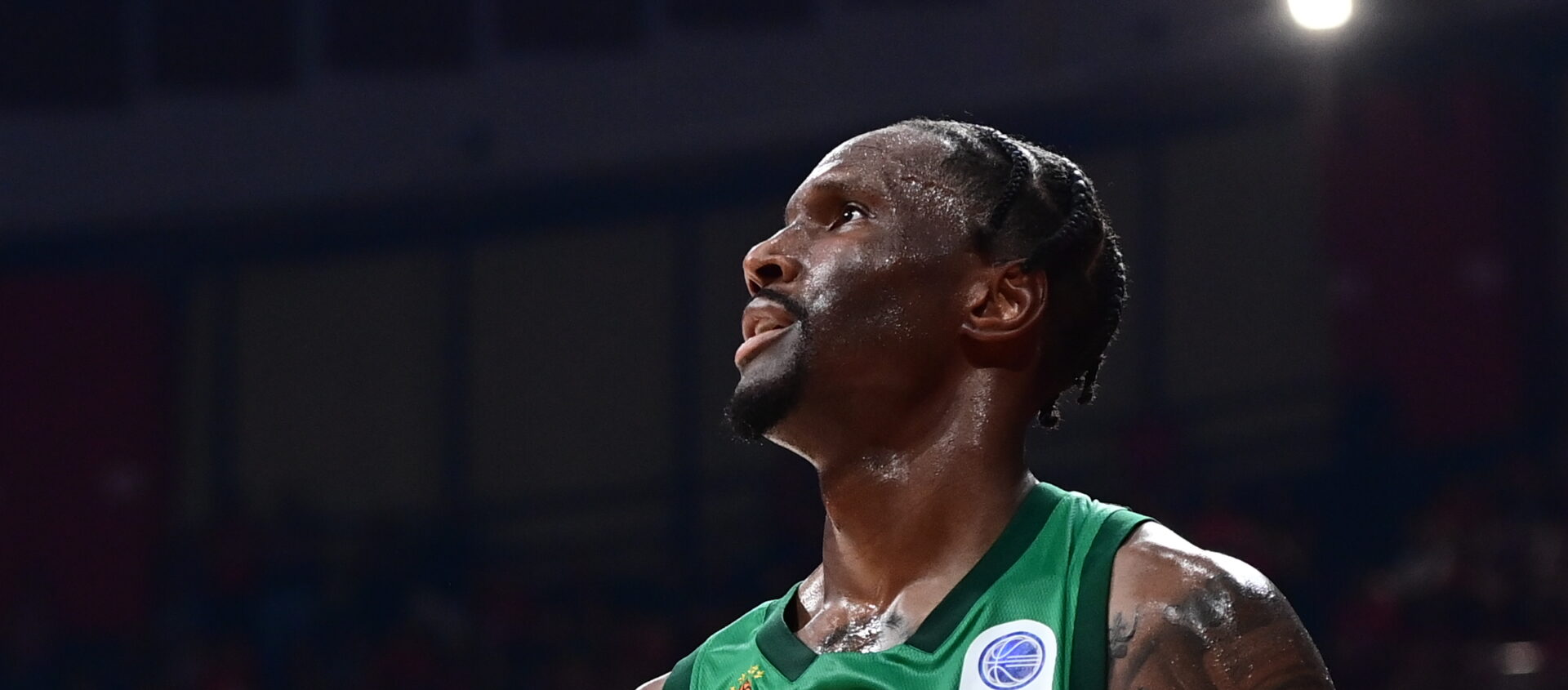

Nigel Hayes-Davis’ Instagram post, published just a few hours before the start of the 2026/27 EuroLeague season and Panathinaikos’ opener against Paris at the T-Center, clearly had specific people in mind. Naturally, among them was the media fraternity, this writer included, given that Hayes-Davis has repeatedly found himself at the center of criticism. And one of the main talking points has always been his travelling.


It is probably no coincidence that he appears reluctant to speak publicly, whether at the airport, during media days or after games. And, to an extent, that is understandable. On the other hand, when you are a public figure, you are going to be judged, and accepting a certain degree of criticism is simply part of the territory.
However, when criticism becomes a tool used solely to manufacture a storyline along the lines of, “This is a catchy topic, talk to us about it,” just to generate views, clicks and likes, then yes, it becomes exhausting. Hayes-Davis’ travelling is certainly a good topic for a show, an article or even as part of an argument when discussing his performances and the inconsistency he occasionally showed last season.
But that is only the tree. As usual, not many people bother looking at the forest. Yes, it is reasonable to argue that frequent travelling could affect his performance because of physical strain, fatigue and constantly changing environments. But at the end of the day, we are talking about a professional athlete, a grown man who has succeeded at what he does and, most importantly, has devoted his life to it.
Others will criticize him for calling basketball a “kids’ game” despite earning millions from it, or for supposedly “copying” Kobe Bryant’s famous pajama look while dealing with his injury. All of that is the very definition of creating something to talk about simply for the sake of having something to say. We should not forget that, in order to reach the level these players, and above all, these people, have reached, they have done things that, quite frankly, most of us have never even dared to imagine.
Some may see all of this as romanticizing the situation or as an attempt to defend him, but the reality is more complicated. How many people are genuinely prepared to make sacrifices in their lives? And not just sacrificing a Saturday night out or a three day trip in order to do their job or chase their dreams. I mean sacrificing their entire lives for it. Not to mention that we know very little about most aspects of their private lives in the first place.
So, ultimately, is it unusual, strange or somehow jarring that Hayes-Davis, or any athlete in his position, travels frequently, does something Kobe once did, or refers to basketball as a “kids’ game”? For many people, yes. But is it wrong? No. Those are his opinions, his personality, his quirks and ultimately his own business. It would only become a genuine issue if any of those things negatively affected Panathinaikos as a club or disrupted the team’s chemistry.
After all, Dimitris Giannakopoulos himself was the first to say so in his interview with EuroInsiders, while the reporting around the team also points in the same direction: Hayes-Davis is considered a model professional. Even now, with one hand heavily bandaged, he shows up at the arena early in the morning and works both in the gym and on the court, training exclusively with his right hand. If his travelling really bothers people that much, perhaps we should reconsider our broader definition of what being a professional actually means.
As if, of course, every other professional, including people holding far more influential and consequential positions, always behaves with greater professionalism. In that context, Hayes-Davis’ trips seem rather insignificant compared with scandals, illegal acts and all kinds of behavior that can have genuinely harmful consequences for society.
In short, there are far more important things worth worrying about.