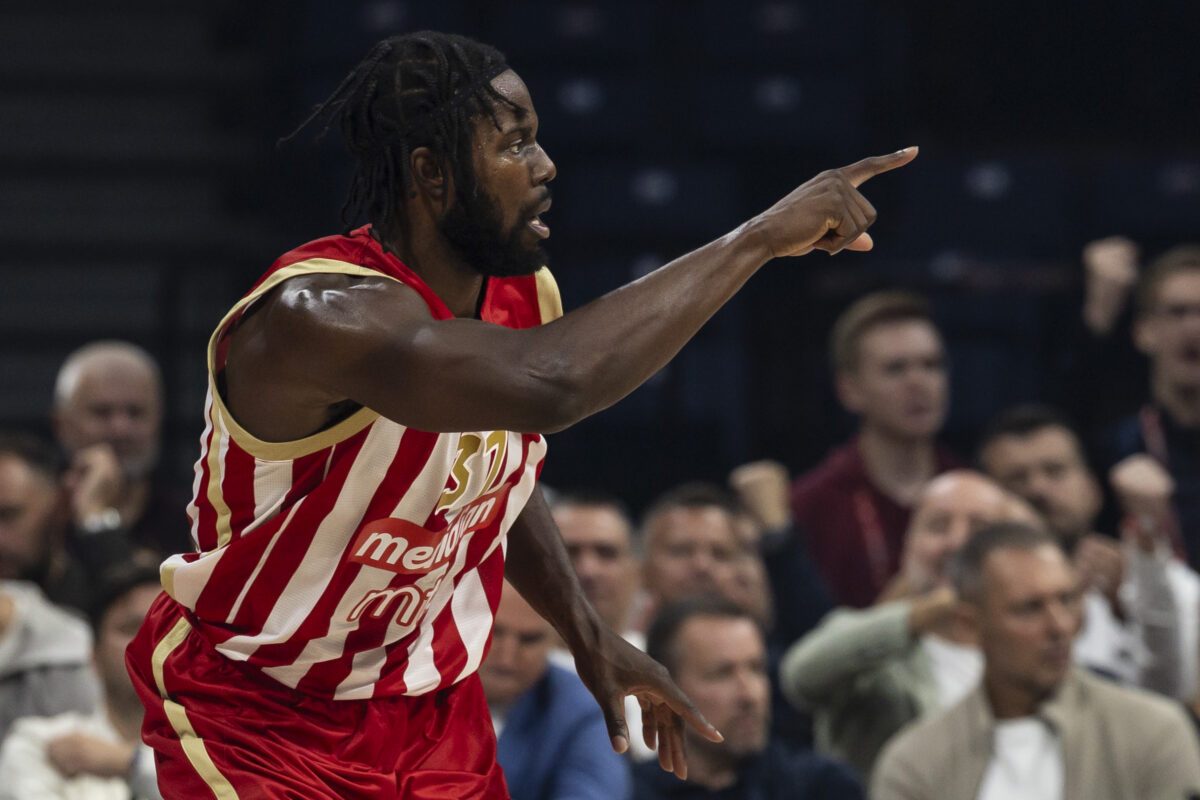






Crvena Zvezda are gathering momentum, with Ibon Navarro bringing a fresh approach to the EuroLeague. The Belgrade side have won four straight games against Efes, Dubai, ASVEL and Paris, and the Spanish coach deserves the credit.


Patience wears thin quickly in Belgrade, particularly when a new project begins with two home defeats. Losses to Zalgiris, 83-77, and Hapoel Tel Aviv, 81-80, were enough to spark debate over Ibon Navarro and whether his job was already under threat. Four rounds later, Crvena Zvezda have delivered their first convincing responses, both through four consecutive victories and the basketball underpinning them.
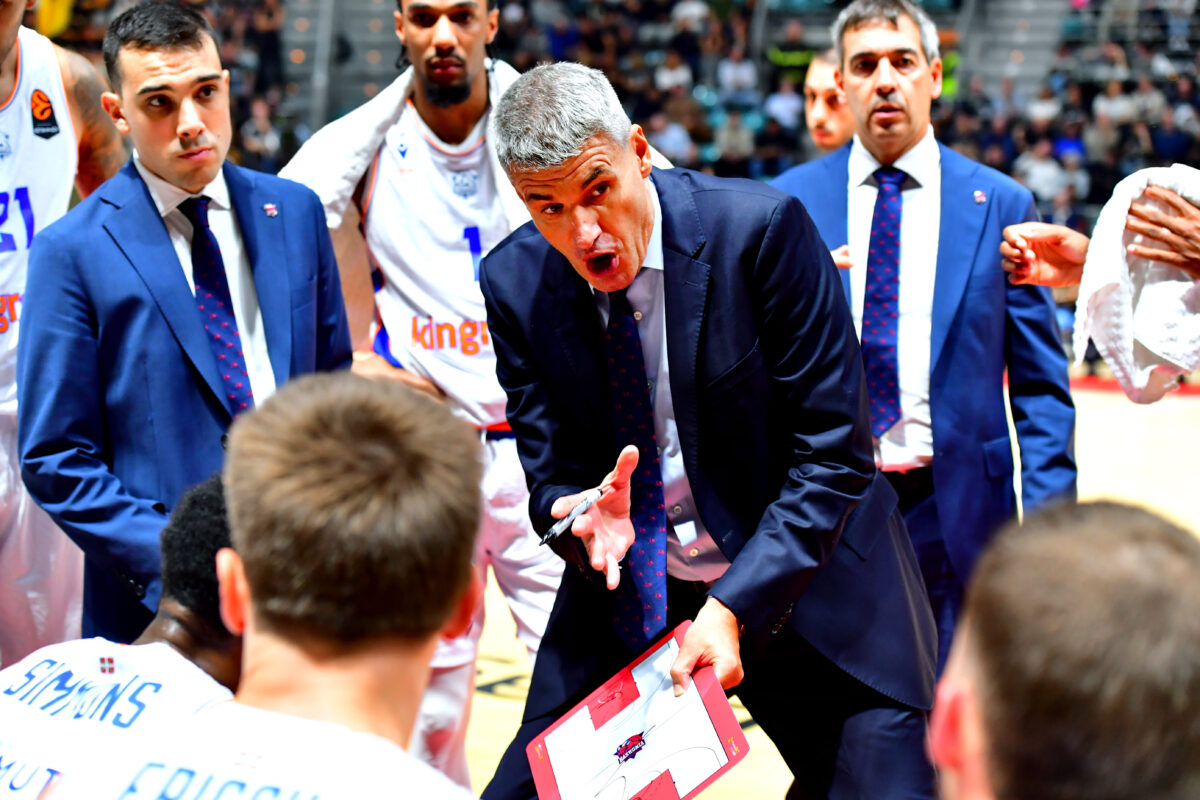
The turnaround began against Anadolu Efes with a 77-72 home win, but the impressive 77-58 road victory over Dubai in the United Arab Emirates provided an extra boost. Successes against ASVEL — an 84-82 away win secured by Chris Jones’ buzzer-beater — and Paris, 90-81, completed a four-game winning streak that changed both the picture and the conversation.
The 50-year-old Spanish head coach, a two-time Basketball Champions League winner with Unicaja Malaga, is now seeing the core principles of his approach take shape at Europe’s highest level.
The first major indicator is rebounding. Despite their obvious problems at centre, Crvena Zvezda lead the competition in total rebounds, averaging 41.3 per game, and defensive rebounds, with 27.8. They also rank second on the offensive glass, collecting 13.5 per game. For a team awaiting the return of its big men, potentially seeking another centre and having to adjust its line-ups, those numbers carry particular weight.
The figures show that personnel shortages have not become a collective weakness on the boards. That reflects both coaching and a team-wide effort. A defensive rebound ensures the opponent’s possession ends empty-handed, while an offensive rebound creates a second chance. Navarro is securing valuable possessions in this area without yet having all the options he would like around the basket. That alone represents a significant early gain.
Even so, he refused to portray the situation as ideal after the Paris game. “Once our big men return, we can control the rebounding better too. This time, we weren’t as good in that area,” he explained. The observation is particularly interesting coming from the coach of the league’s leading rebounding team: the overall numbers do not lower his standards for any individual game.
Equally significant is the balance between ball movement and possession management. The red-and-whites rank fourth in assists, averaging 20.7 per game, and commit the fifth-fewest turnovers, just 12 per contest. There is a willingness to share the ball, accompanied by control. For a team with several players capable of creating their own offence, and one that relied heavily on isolation basketball last season, maintaining that assist-to-turnover balance is an important measure of the coach’s work.
The next statistic completes the picture: the Serbian side have the EuroLeague’s third-best defence in terms of points allowed, conceding just 76.2 per game. Rebounding, playmaking, limited turnovers and low opponent scoring provide several foundations for their performances. That is why the winning streak gives Navarro tangible evidence that his approach is working.
Within that process, the distribution of roles is crucial. Players such as Jordan Nwora, Chima Moneke and Jared Butler are being asked to remain effective without constantly having the ball or enjoying unlimited minutes. Their contributions have to serve the team’s needs, with specific responsibilities at both ends. Winning certainly helps secure acceptance of that process, which is far from easy for players accustomed to having the ball in their hands or initiating and finishing a high volume of possessions.
The way the Spaniard spoke about Nwora was revealing. “He has mobility and size, he can defend and he must not be one-dimensional. He has to do everything because he is a complete player,” he said, also highlighting his excellent defensive plays late in the Paris game. The aim is to make fuller use of his talent, ensuring his influence extends beyond the possessions he finishes.
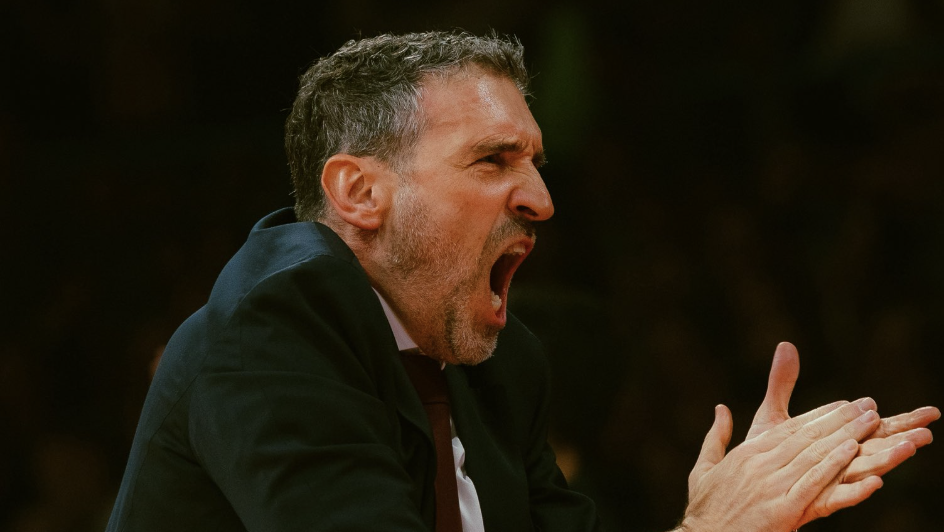
That also explains Navarro’s animated celebrations after good defensive possessions, something Serbian reporters noticed and asked him about. “When you see progress, you’re happy, because when the players improve, the team improves too,” he replied. He knows, however, that managing the rotation becomes more demanding once the centres return and Semi Ojeleye moves back to power forward. As he acknowledged, Moneke, for example, then faces fewer minutes, leaving the coach with a delicate balance to maintain.
Crvena Zvezda now face the ultimate test: the Belgrade derby against Partizan, with the black-and-whites hosting on Thursday, October 22. Emotional control, patience and commitment to individual roles face a different level of scrutiny there, with the eyes of European basketball on the game. Navarro has already given his team solid basketball foundations. The Serbian derby offers the opportunity to discover just how well they hold up under that kind of pressure.