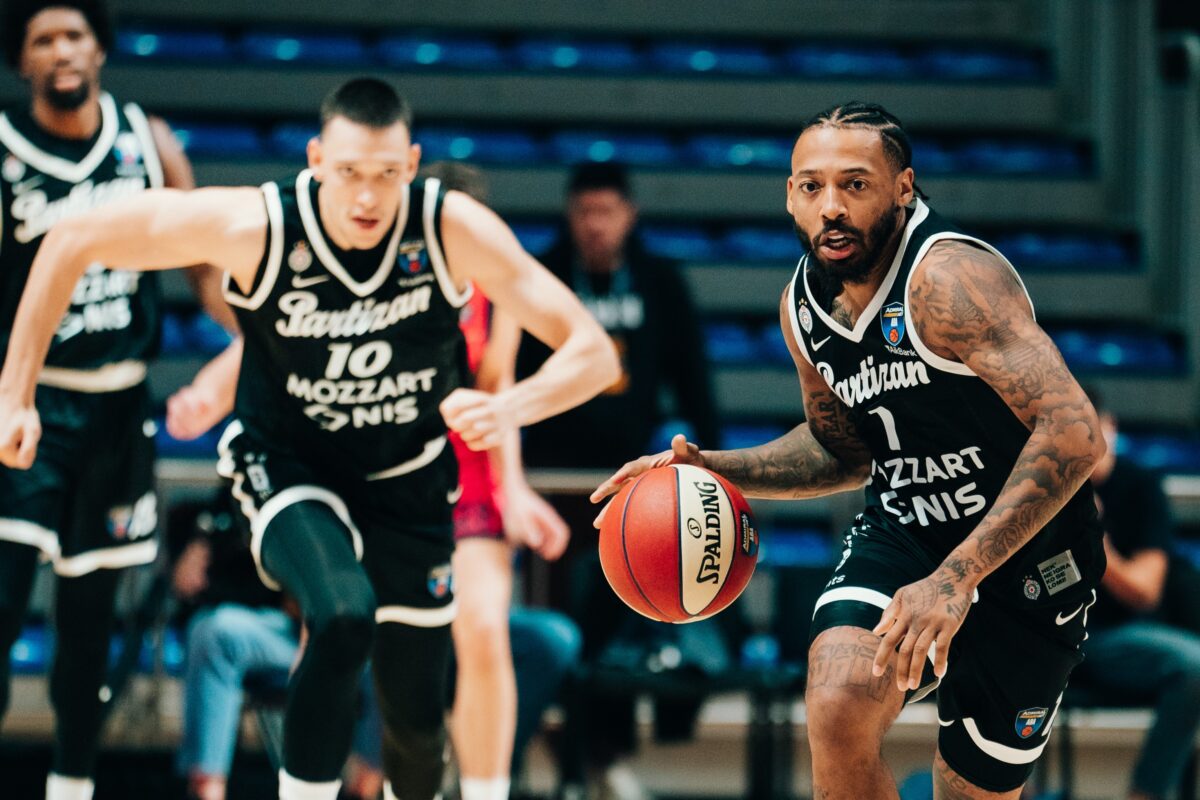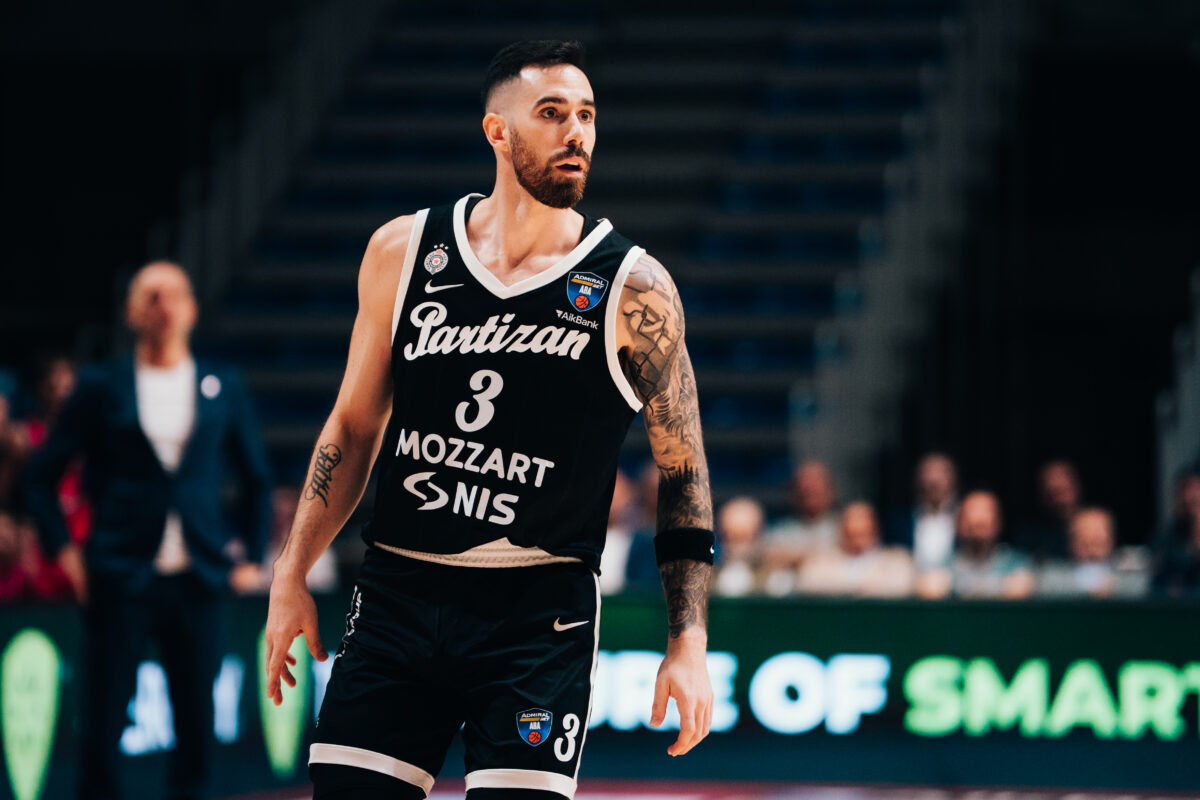





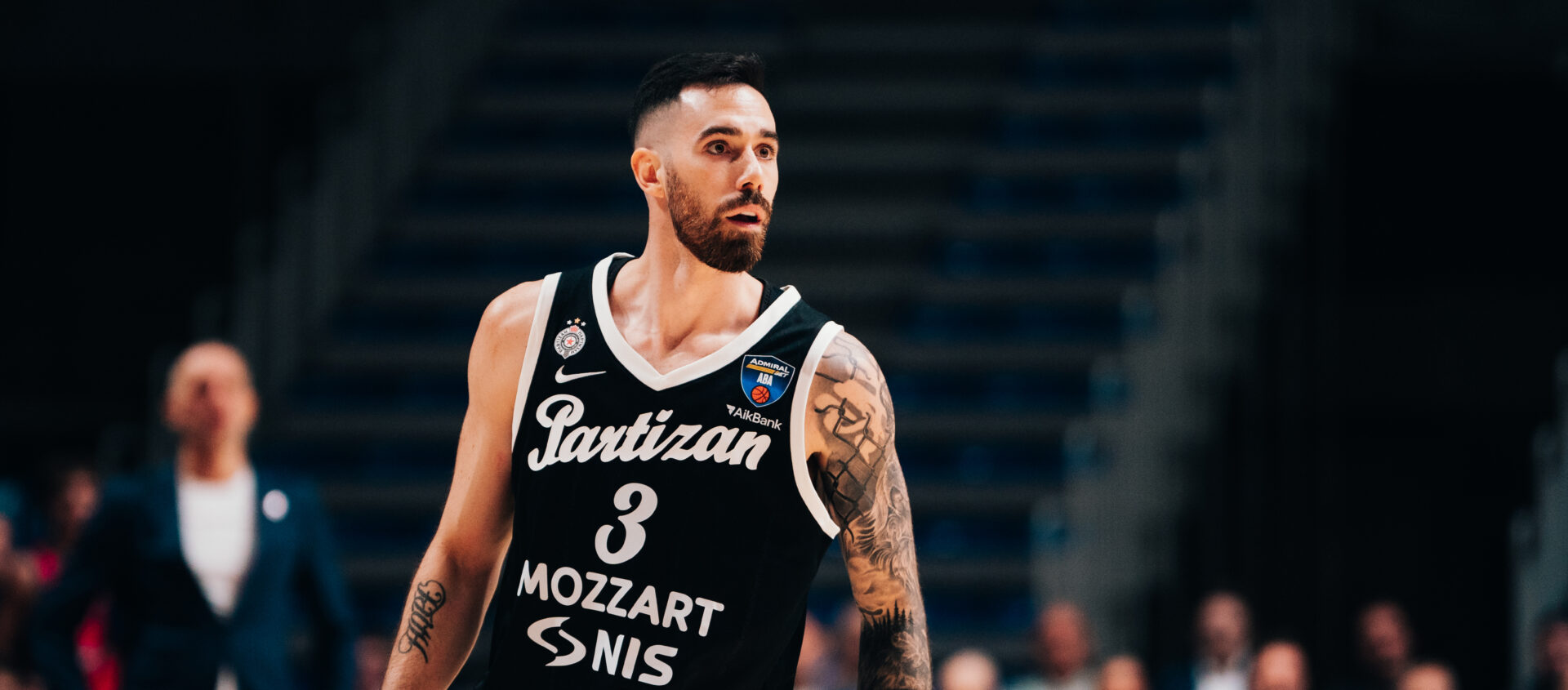

After opening the EuroLeague season with three consecutive wins, Partizan has been brought back down to earth by two straight defeats. The second, a 72-55 loss to Panathinaikos in Belgrade, was also the team’s poorest offensive performance so far…


Joan Peñarroya’s players managed to keep one of the competition’s leading contenders from finding its preferred offensive rhythm for much of the game, but struggled even more at the other end. Panathinaikos had its own problems creating and converting chances, yet the individual quality of Željko Obradović’s team eventually made the difference, particularly during a decisive stretch early in the second half.
The defeat came on the night of Obradović’s emotional return to Belgrade. Even at 3-2, Partizan has a solid start to the season, especially considering the caliber of their last two opponents, Real Madrid and Panathinaikos. The numbers from this latest game, however, reveal how much Partizan struggled to make the most of its opportunities.
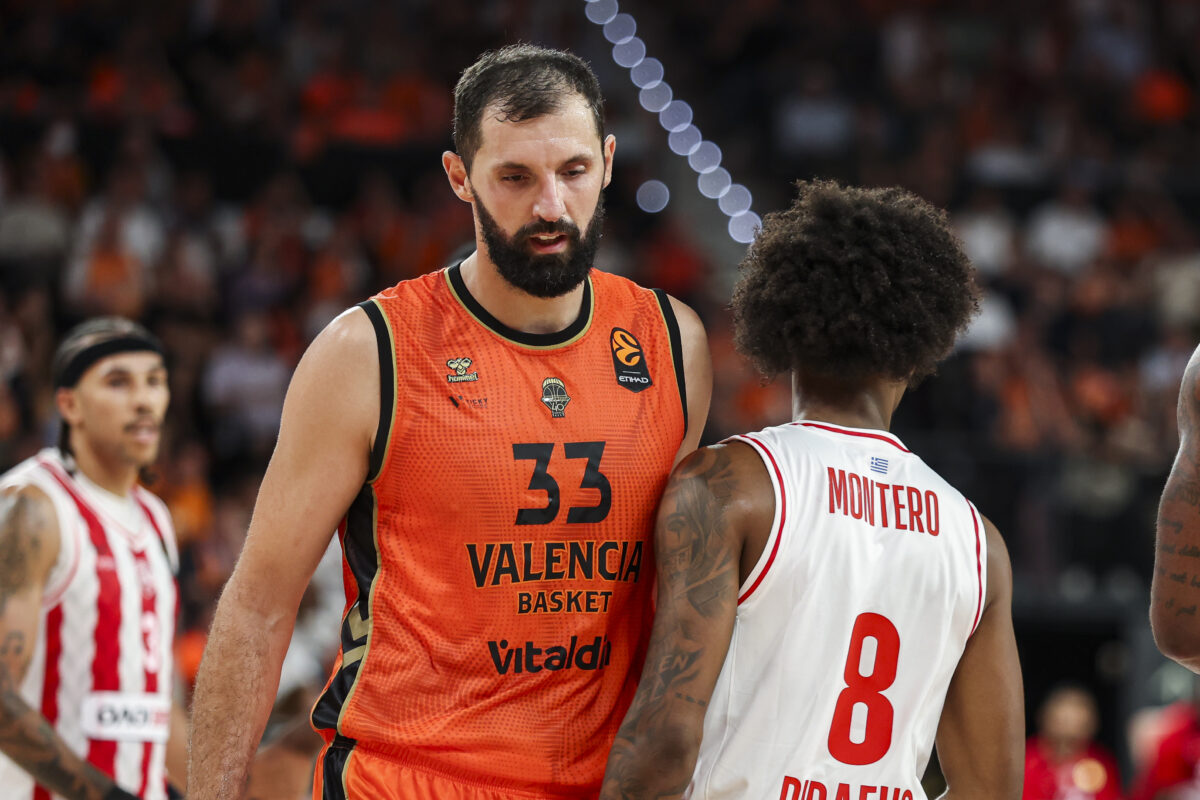
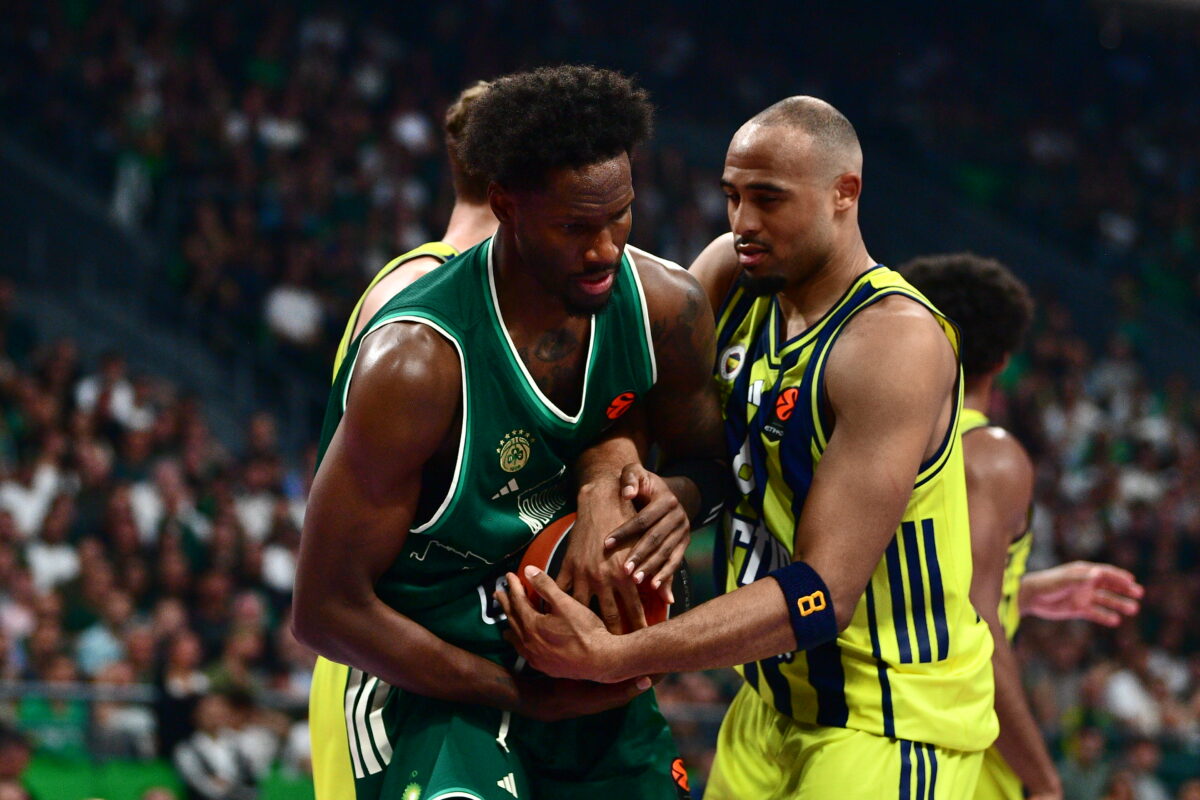
Partizan Had More Chances but Converted Far Fewer of Them
Partizan actually had more field goal attempts (63 to 60), more offensive rebounds (11 to 8), and fewer turnovers (12 to 14) than the Greek side. Yet they made only 21 of their 63 shots, compared with 27 makes on 60 attempts for Panathinaikos. The home team shot 33.3 percent from the field, while the visitors finished at 45 percent.
Both teams made nine free throws, and Panathinaikos converted just one more two-point field goal, but hit five more 3-pointers than Partizan. The visitors went 9-for-24 from beyond the arc, compared with Partizan’s 4-for-26. That accounted for 15 of the final 17-point margin.
Seven Made Threes in Two Games Is Becoming a Serious Problem
After shooting 3-for-20 against Real Madrid, Partizan had made just seven of 46 attempts from beyond the arc over two consecutive games. Some of those misses came against strong defensive pressure, but Partizan also failed to convert open looks. The perimeter players struggled in particular, with six guards combining to shoot 2-for-20 from deep. Luka Vildoza finished 0-for-5, Carlik Jones 0-for-3, Kyle Allman and Alessandro Pajola each went 0-for-2, while Ethan Thompson and Arijan Lakić made one 3-pointer apiece.
That kind of shooting made it easier for Panathinaikos to protect the paint, where Jones struggled to find room to drive or create out of the pick-and-roll. Partizan’s best player finished with eight points on 2-for-11 shooting, while Vildoza, Allman and Thompson combined for just 11 points.
Partizan also struggled to make the most of its work on the offensive glass. They grabbed 11 offensive rebounds but scored only four second-chance points. Panathinaikos, meanwhile, turned eight offensive rebounds into 12 points. Tonye Jekiri alone collected five offensive boards, but Partizan got little from those extra possessions.
The Defense Kept Partizan Alive in the First Half
The defense offered more encouragement, particularly in the first half. Partizan took a 12-7 lead, pressured the ball aggressively and disrupted Panathinaikos’ offense. The first quarter ended 16-16, and the visitors had scored just 35 points by halftime. Obradović’s team struggled with its shooting and finished the game with 14 turnovers and only three fast-break points. Sylvain Francisco shot 2-for-12 from the field, while Panathinaikos was without Kendrick Nunn, Kostas Sloukas and Isaac Bonga.
Despite those difficulties, the visitors went into halftime leading 35-28. Partizan had managed to remain within striking distance through its defensive effort, although its offense had produced only 28 points in 20 minutes.
That balance disappeared almost immediately after the break. Partizan went scoreless over the first four minutes of the third quarter, while Panathinaikos opened with an 11-0 run to take a 46-28 lead. Three consecutive 3-pointers from Guerschon Yabusele, Nikos Rogkavopoulos and Jerian Grant fueled the run, and the visitors’ advantage later grew to 21 points. Peñarroya’s team scored just eight points in the quarter and entered the final period trailing 55-36.
Panathinaikos Found Enough Creation Through Its Frontcourt
Moustapha Fall and Mathias Lessort helped run the Panathinaikos offense with their passing from the high post, while the guards and wings punished Partizan’s late defensive rotations. Lessort finished with nine rebounds, four assists and three steals, while Fall contributed six points, seven rebounds and two assists. Nigel Hayes-Davis led the scoring with 14 points. Panathinaikos never needed an especially productive offensive night, but it had enough players capable of making a difference when the opportunity arose.
For Partizan, Kevarrius Hayes and Tonye Jekiri made the most significant contributions. Hayes was the only player in double figures, scoring 10 points without missing a field goal and drawing seven fouls. Jekiri added nine points and seven rebounds, while Lamar Stevens finished with eight points and six boards. Their contributions mattered in the physical battle against Panathinaikos’ big men, but Partizan had too few players producing offensively.
The Frontcourt Combinations Gave Peñarroya Something to Review
The differences between certain frontcourt combinations were also notable. With Hayes and Joffrey Lauvergne on the floor together, Partizan was outscored by 13 points in just over 10 minutes. With Hayes and Nikola Tanasković, the team was plus-seven in just under seven minutes. Those samples are too small to support firm conclusions, but they give Peñarroya something to consider when reviewing his rotations. Lauvergne went scoreless with two rebounds and three fouls, while Tanasković collected five defensive rebounds in fewer than nine minutes.
Partizan won the fourth quarter 19-17, but Panathinaikos’ victory was no longer seriously threatened. The seven-point halftime deficit had left the home team with a chance to compete, despite its offensive struggles. Four scoreless minutes after the break turned that deficit into 18 points, and Partizan never found the offensive response it needed to make the game competitive again.
Partizan’s main task in a difficult road game against Fenerbahçe will be to rediscover its shooting touch and put itself in better position heading into next Thursday’s first EuroLeague derby of the season against Crvena zvezda.