















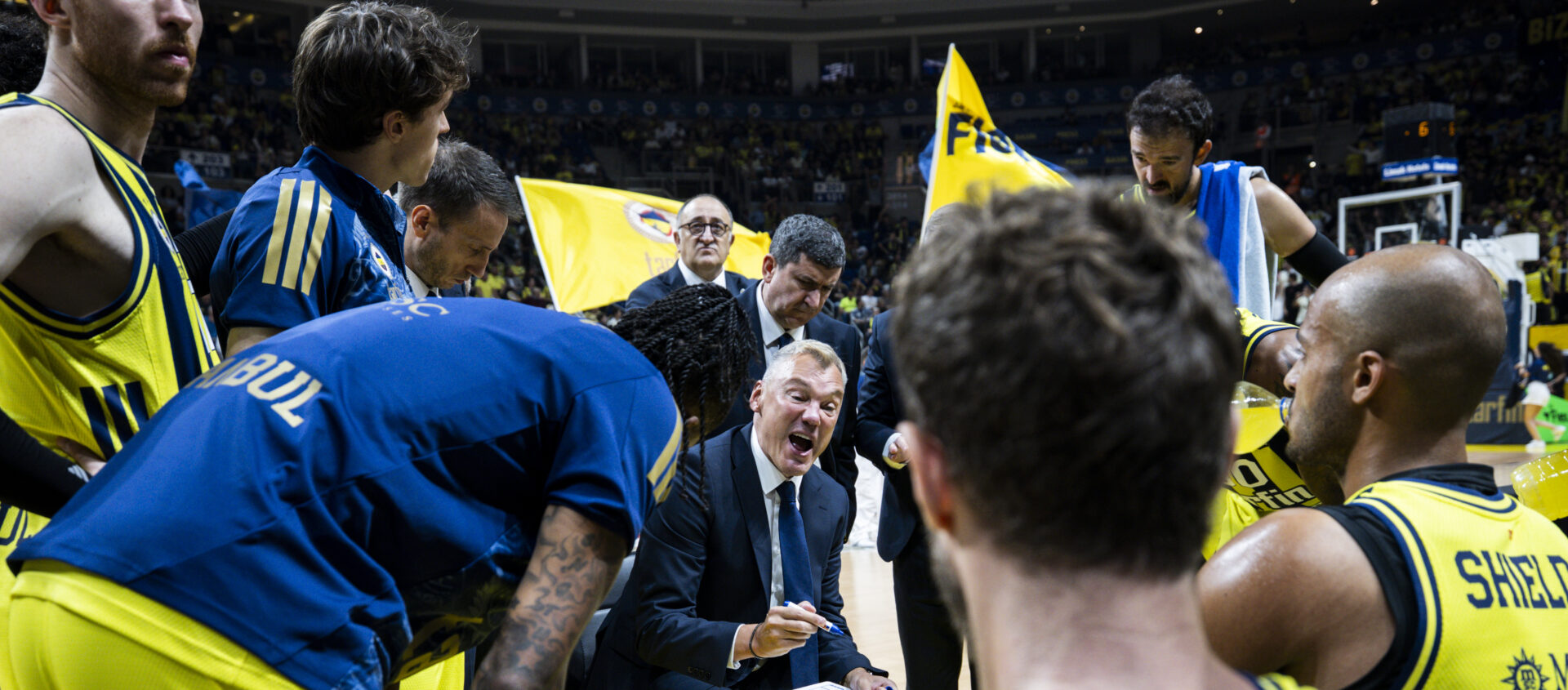

Fenerbahce opened their EuroLeague season with a 78-68 victory over Virtus Bologna, but the most revealing detail was not the final margin. It was the absence of a dominant individual performance.


Ten different Fenerbahce players scored. Talen Horton-Tucker led the team with only 13 points, Wade Baldwin and Shavon Shields added 12 each, while Braxton Key finished with 11 points and 10 rebounds. No player needed to take over the game, dominate the ball or produce an explosive scoring night.
In a EuroLeague increasingly shaped by high-usage stars, Fenerbahce may be building something different. Sarunas Jasikevicius has several players capable of initiating the offense, attacking a mismatch or creating their own shot. Instead of depending on one permanent offensive leader, the Turkish side can change its point of emphasis from one possession to the next.
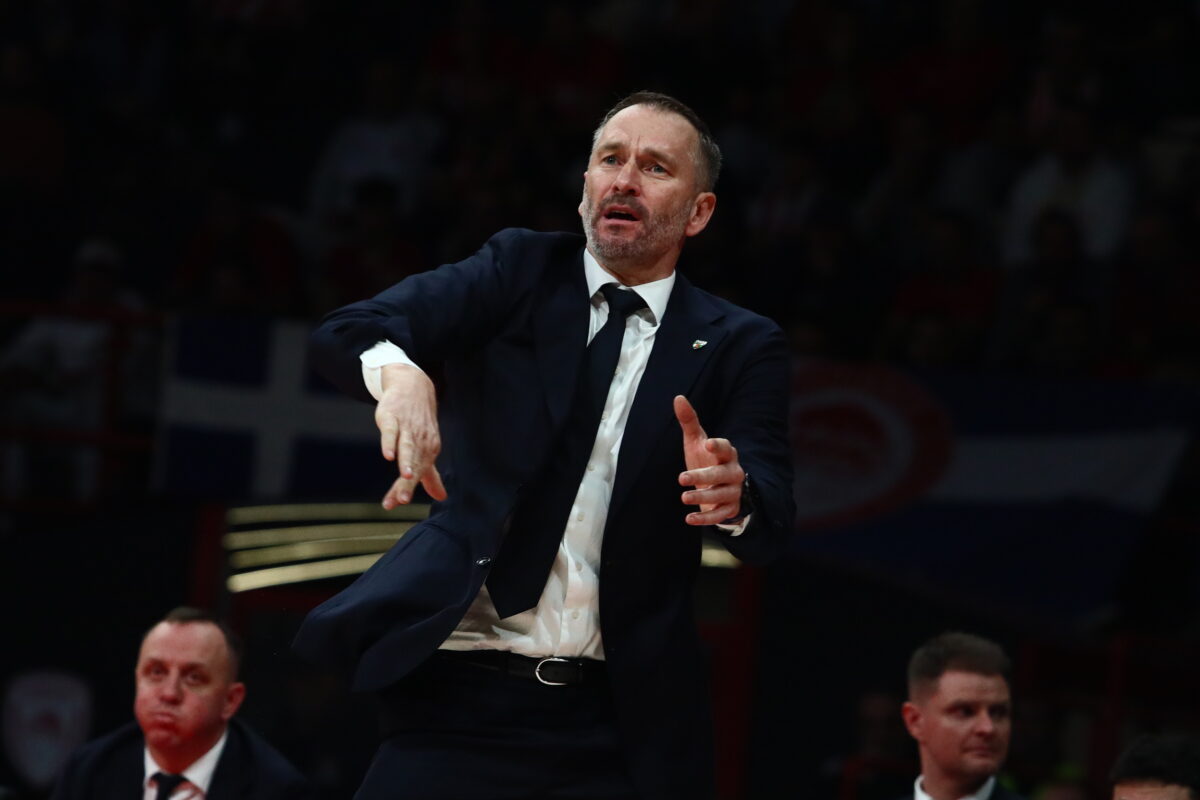

That balance makes defensive preparation more complicated. An opponent cannot simply overload against Baldwin or force the ball away from Horton-Tucker. Shields can punish a favorable matchup, Key can influence the game without needing many shots and the second unit can maintain the intensity without waiting for the starters to return.
There is also a clear advantage over a long regular season. Sharing possessions can reduce the physical and mental burden on the main creators, while protecting the team when injuries or poor shooting nights arrive.
The real test, however, will come in close games. When the score is tied and only two possessions remain, balance must turn into hierarchy. Will Baldwin control the final play? Will Horton-Tucker be trusted to attack? Can Shields become the safe option when the offense breaks down?
Against Virtus, Fenerbahce showed that a team can win comfortably without a 20-point scorer. Over the coming weeks, we will discover whether this was simply one balanced performance or the foundation of an offense in which the system, rather than one player, becomes the star.