













Golden State has spent the last several years paying the price for everything it built before. Four championships, massive contracts and the effort to keep its championship core together for as long as possible have left the Warriors in a position where almost every significant move first has to pass through the NBA’s financial restrictions. Now, for the first time in a while, they have a realistic opportunity to change that picture, although not immediately, but next summer.


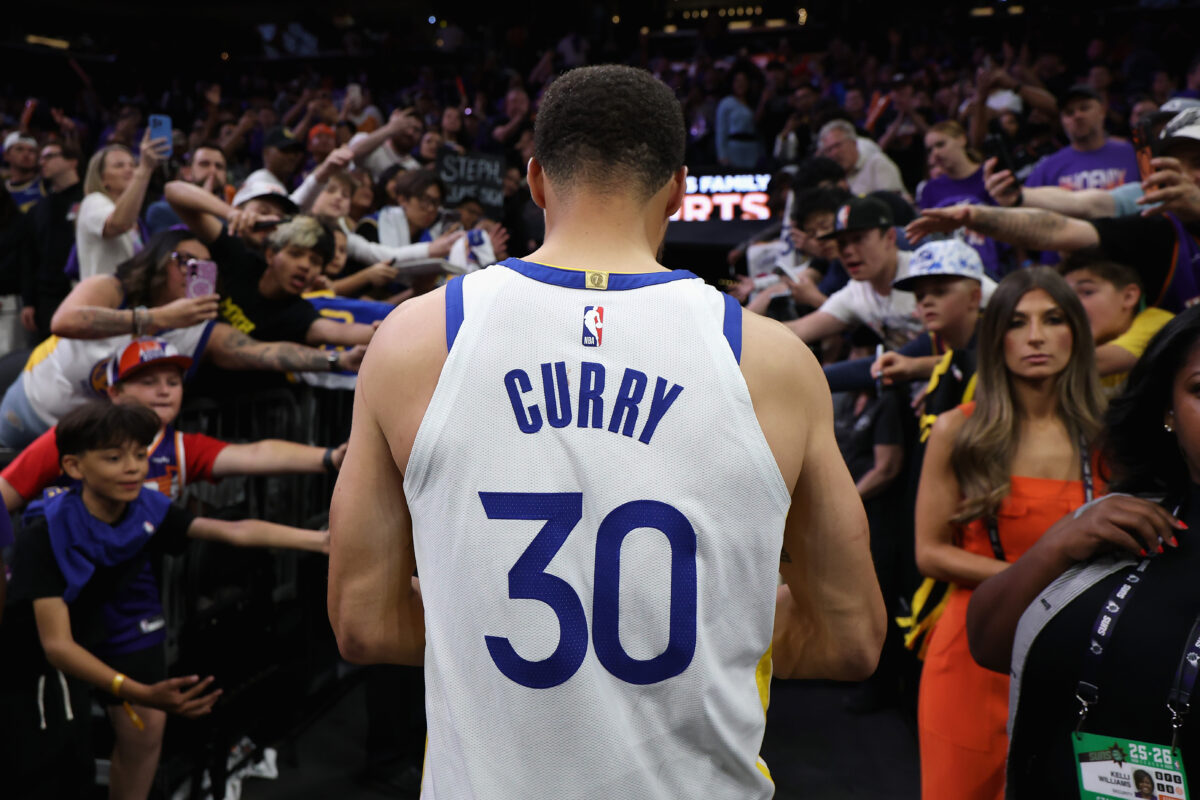
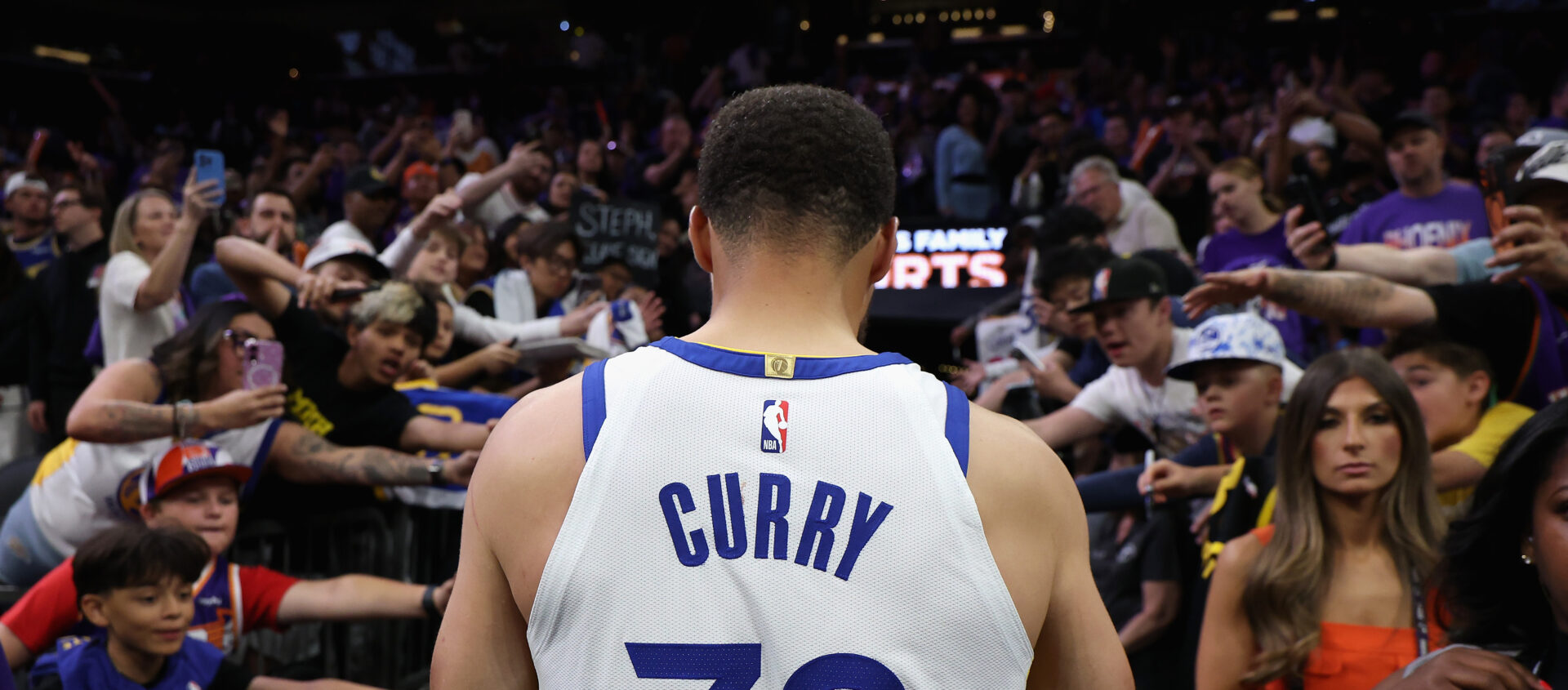
Stephen Curry signed a two-year, $116 million extension with a player option for the second season, effectively tying his career to Golden State through 2029. He could have received roughly $136 million, meaning he left more than $20 million on the table. More important than the total difference is how the money is distributed: the first year of the new contract is expected to pay him around $55.7 million, roughly $10 million less than the maximum he could have earned in 2027-28.
Curry is still earning $62,587,158 this season under his previous contract, so his discount does not give the Warriors additional flexibility right away. Golden State enters the season with roughly $221 million in salaries and sits around the second-apron line, leaving its options for major moves severely limited.

The Real Financial Reset Comes in the Summer of 2027
The real change comes in the summer of 2027, when several of the team’s largest commitments come off the payroll at once. Jimmy Butler is earning $56,832,773 this season before becoming a free agent. Draymond Green signed only a one-year deal worth $27,678,571, specifically allowing Golden State to preserve flexibility for the following summer. Together, the two currently account for more than $84 million in salary.
Kristaps Porzingis has a two-year contract worth around $40 million, with a $20 million player option for the second season, only $3 million of which is guaranteed. If he remains under contract, the full amount does not become guaranteed until July 7, 2027, provided Golden State does not waive him before then. That gives the Warriors another way to create additional room heading into the most important summer in this calculation.
Beyond Curry, Moses Moody, Yaxel Lendeborg, Gui Santos and Will Richard are currently the only players with guaranteed contracts for 2027-28, while Brandin Podziemski is a separate case because he is entering the window in which he can receive a rookie extension. His future will have a significant effect on the final calculation.
Golden State Could Finally Have Real Cap Space
Golden State is projected to have somewhere between roughly $38 million and $55 million in cap space next summer, depending on what it does with Podziemski and the rest of its contracts. For an organization that has spent years operating deep into the tax and above the aprons, that would put it in a completely different position on the market.
The difference between Curry’s $55.7 million salary and a maximum deal of around $65 million could determine whether Golden State has room for only one quality addition or the ability to seriously pursue a much more expensive player. In today’s NBA, that money is useful for more than signing a free agent. A team with cap space can also absorb a large contract in a trade without having to send nearly the same amount of salary back.
The Warriors also still control a large portion of their future first-round draft capital. They own their selections in 2027 and 2028 and have additional future assets they can use in trades. If a player becomes available whom they believe can extend Curry’s championship window, Golden State will have far more ways to put together the necessary package than it has had in recent seasons.
The 2027 Market Could Offer Several Different Paths
Michael Porter Jr., Tyler Herro and RJ Barrett are among the players who could become unrestricted free agents in 2027, while Nikola Jokić, Giannis Antetokounmpo, Karl-Anthony Towns, Kevin Durant and several other major names have contract options that could theoretically put them on the market. That, of course, does not mean they will actually be available. Much of that list will change through extensions, trades and exercised options long before July 2027.
Golden State, however, will no longer have to simply watch that market from the sidelines. In recent seasons, the Warriors have mostly tried to improve the roster with smaller moves. The large contracts held by Curry, Green and the rest of the veteran core, combined with the restrictions in the new collective bargaining agreement, made a serious roster overhaul nearly impossible without giving up important players. That is why this summer also ended without a major move, even though they were among the teams that tried to acquire LeBron James. After that pursuit failed, they brought back Green, Porzingis, Al Horford and De’Anthony Melton and continued with the existing core.
The Current Veteran Core Is Running Out of Time
Golden State finished last season 37-45 and was eliminated in the play-in. Curry appeared in only 43 games because of issues with his right knee, although even at 38 he averaged 26.6 points while shooting 39.3 percent from three. Butler is recovering from a serious injury, Green is entering his 15th season with the franchise, and Porzingis’ injury history is well documented.
Curry will turn 39 in March. His game is not built entirely on athleticism, which gives Golden State reason to believe he can remain at a high level for a while longer, but last season showed more clearly than before how much health can affect his ability to stay on the floor consistently. The Warriors no longer have the luxury of waiting several seasons for the ideal opportunity to appear.
That is why the structure of Curry’s new deal matters. He did not simply accept a lower salary; he also made the second season a player option. That gives Golden State additional flexibility in 2027 while allowing Curry to reassess the situation a year later. If he is healthy, the team is competitive and he wants to continue, he can stay. If the circumstances change, he has not committed himself long term without an exit.
Green and Butler May Have to Accept Different Roles — and Different Salaries
Green faces a similar question. His one-year contract was not accidentally timed to expire at the same point when Golden State can make a more significant financial reset. If he wants to spend the rest of his career alongside Curry, it is difficult to imagine him again commanding nearly $28 million per season. The same applies to Butler, who will be 37 when he reaches free agency.
Golden State could then try to keep Curry, Green and Butler together at lower salaries while adding one or two pieces, but it could also make a more substantial change around Curry if it decides the current veteran group is no longer good enough. Cap space, young players and future picks also leave open the possibility of a major trade.
Before then, the Warriors will have to decide how much they truly believe in Podziemski, Moody, Lendeborg and the rest of the younger group. The two-timeline project already failed once to develop as intended. James Wiseman, Jonathan Kuminga and part of that young group did not become the successors to the championship generation. Golden State no longer has the same room to experiment.
Curry’s Discount Puts Pressure Back on the Front Office
Curry has already led the franchise to four championships and remained the one constant through almost the entire modern history of the organization. With the $116 million deal, he guaranteed himself at least two more years in a system that essentially exists around him, while also making a decision that puts pressure on the front office to respond.
Golden State could have tens of millions in cap space and enough assets to make a serious trade. If the Warriors want to build one more team capable of playing deep into May and June, the summer of 2027 looks like their last real opportunity to do it while Curry is still good enough for everything else to matter.