









European basketball history often turns on championships, legendary shots and unforgettable players.


Sometimes, however, its course is altered by decisions that are never fully completed.
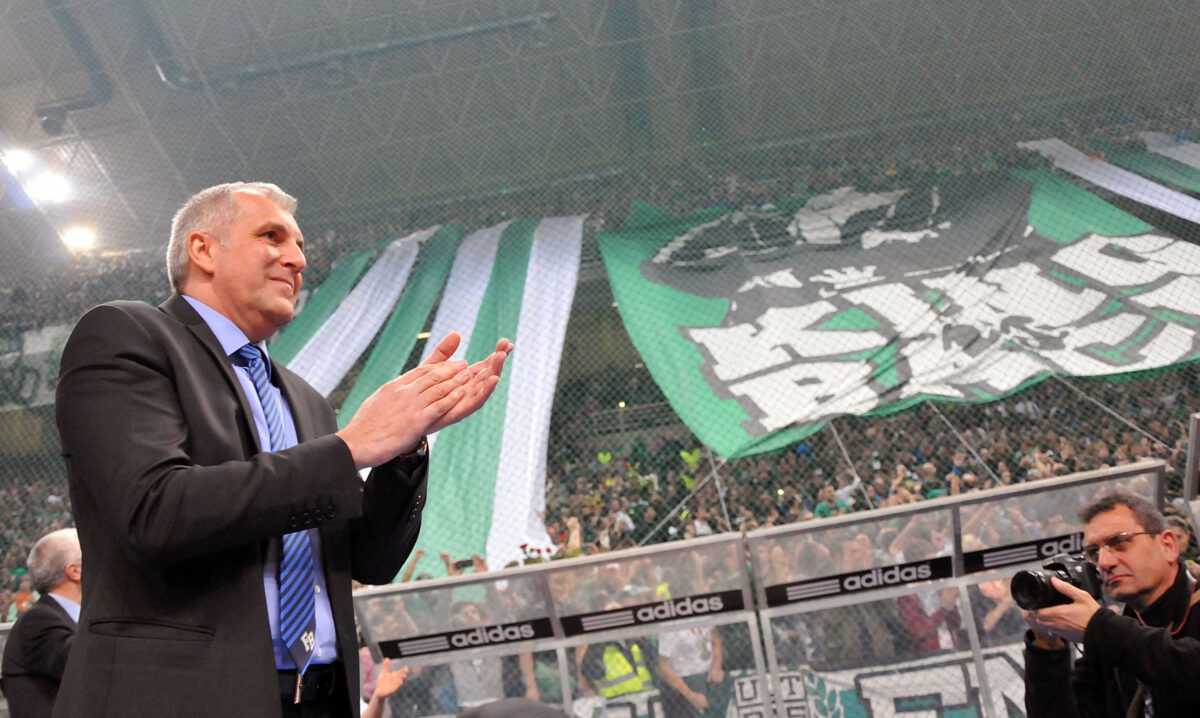
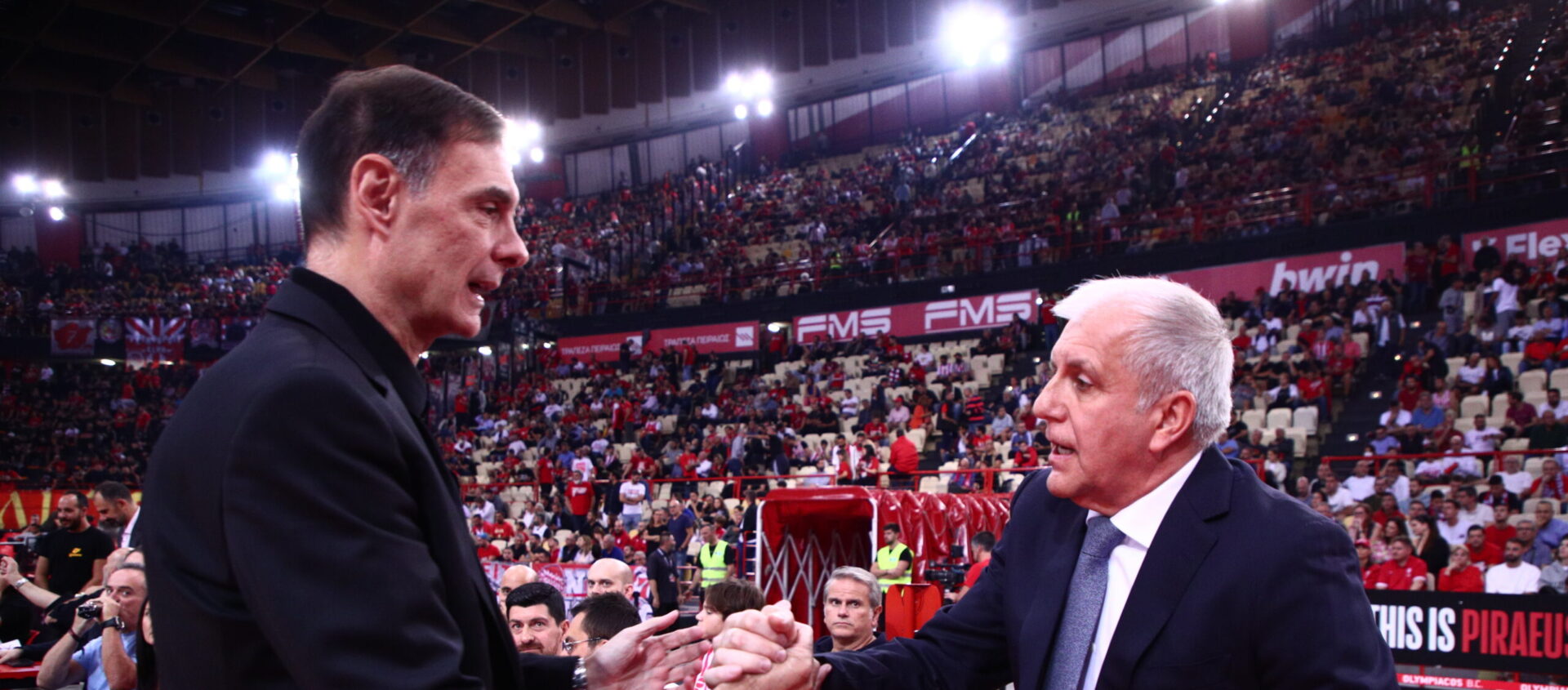
The summer of 2013 belongs to that category, because it was when Giorgos Bartzokas almost became the head coach of Fenerbahce, a move that would eventually pave the way for Zeljko Obradovic to arrive in Istanbul and begin one of the most successful projects the continent has ever seen.
A champion at the crossroads
Fresh off back-to-back EuroLeague titles with Olympiacos, Bartzokas was at the peak of his reputation. He had guided the Reds to one of the greatest eras in their history and established himself among Europe’s elite coaches. Yet despite conquering the continent, the season had ended with disappointment domestically. Panathinaikos swept Olympiacos 3-0 in the Greek Finals, while Fenerbahce, determined to become a genuine European powerhouse, was preparing for a summer that would redefine the club.
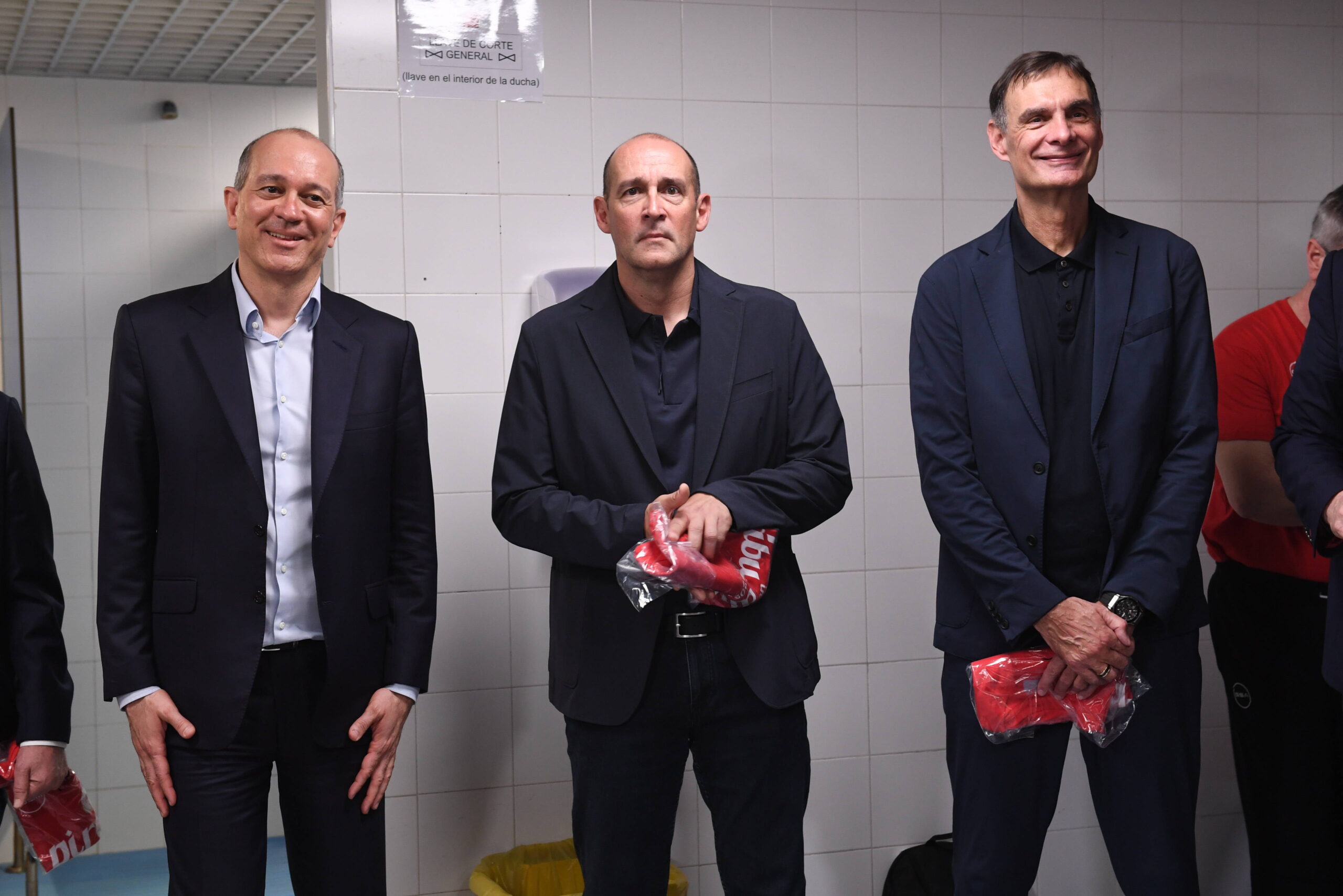
The Turkish giants viewed Bartzokas as the ideal man to lead their ambitious project. According to reports that emerged at the time, the Greek coach had gone as far as signing a preliminary agreement with Fenerbahce. However, there was one crucial condition attached to the deal. The agreement would only become effective if Olympiacos agreed to release him from his existing contract.
The conversation that changed everything
Contrary to what many believed later, there was no secrecy surrounding the negotiations. Olympiacos were fully aware of the situation. Representatives from Fenerbahce had approached the EuroLeague champions, discussing the possibility of releasing the coach. Rumours even suggested that Olympiacos had demanded one million euros in compensation in order to let Bartzokas leave Piraeus.
At that stage, everything seemed possible. Fenerbahce wanted Bartzokas, who was attracted by the scale of the project and a preliminary contract had already been signed. Yet, as often happens in sports, one conversation changed everything.
Olympiacos had no intention of losing the coach who had just delivered a back-to-back EuroLeague title. Rather than allowing him to leave under the same terms, the club decided to reward him. The Angelopoulos brothers offered Bartzokas improved financial conditions and renewed confidence in the project. The Greek coach accepted and chose to remain in Piraeus.
When Fenerbahce turned to Obradovic
That decision left Fenerbahce searching for alternatives. Fortunately for the Turkish club, there was another legendary figure available.
Zeljko Obradovic had just brought an end to his remarkable 13-year reign at Panathinaikos and had spent a season away from coaching. His return to the sidelines seemed inevitable, but nobody knew where it would happen. After missing out on Bartzokas, Fenerbahce turned to the most successful coach in European basketball history.
Obradovic accepted.
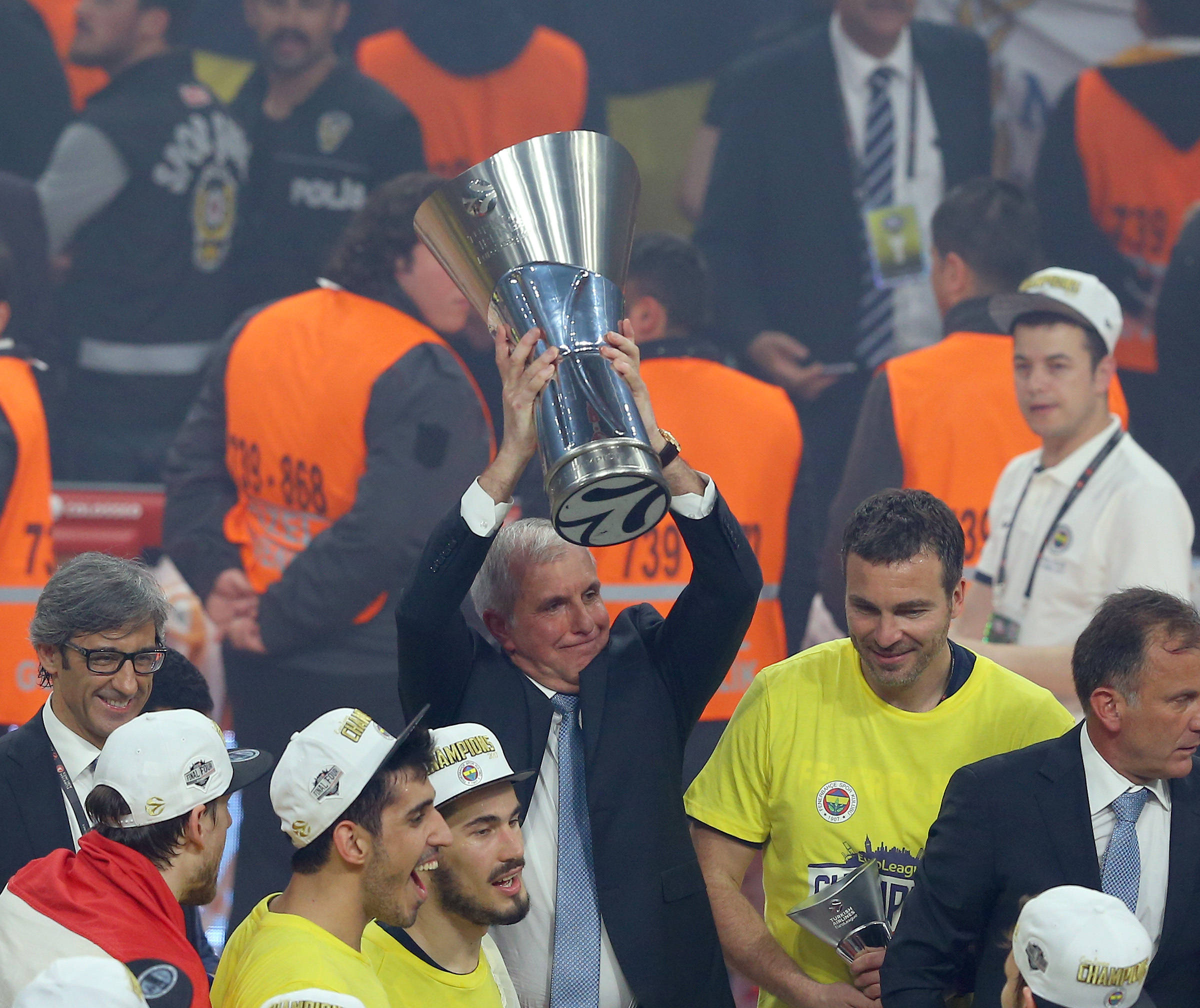
What followed became one of the defining chapters of modern European basketball. Under his leadership, Fenerbahce transformed itself into a perennial Final Four contender and, in 2017, lifted its first EuroLeague trophy, becoming the first Turkish club to conquer Europe.
The great “What if?”
Looking back more than a decade later, it is impossible not to wonder what might have happened had Bartzokas left for Istanbul in 2013. Would he have delivered the first EuroLeague title in Fenerbahce’s history? Would Obradovic have coached elsewhere? Would one of the most successful teams in modern European basketball ever have existed?
Those questions will remain unanswered.
History remembers that Bartzokas stayed in Piraeus and that Obradovic arrived in Istanbul. But behind those simple facts lies one of the great “what ifs” in European basketball—a story in which the destinies of two coaches became intertwined long before they resumed their rivalry in Greece years later.