


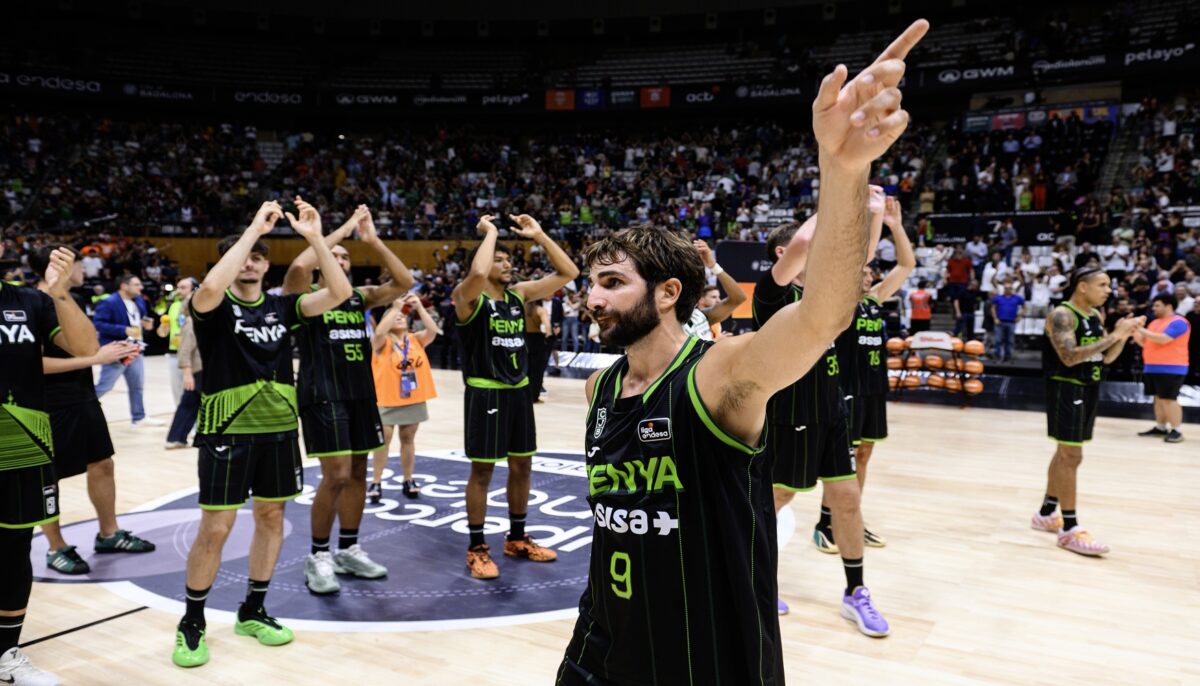






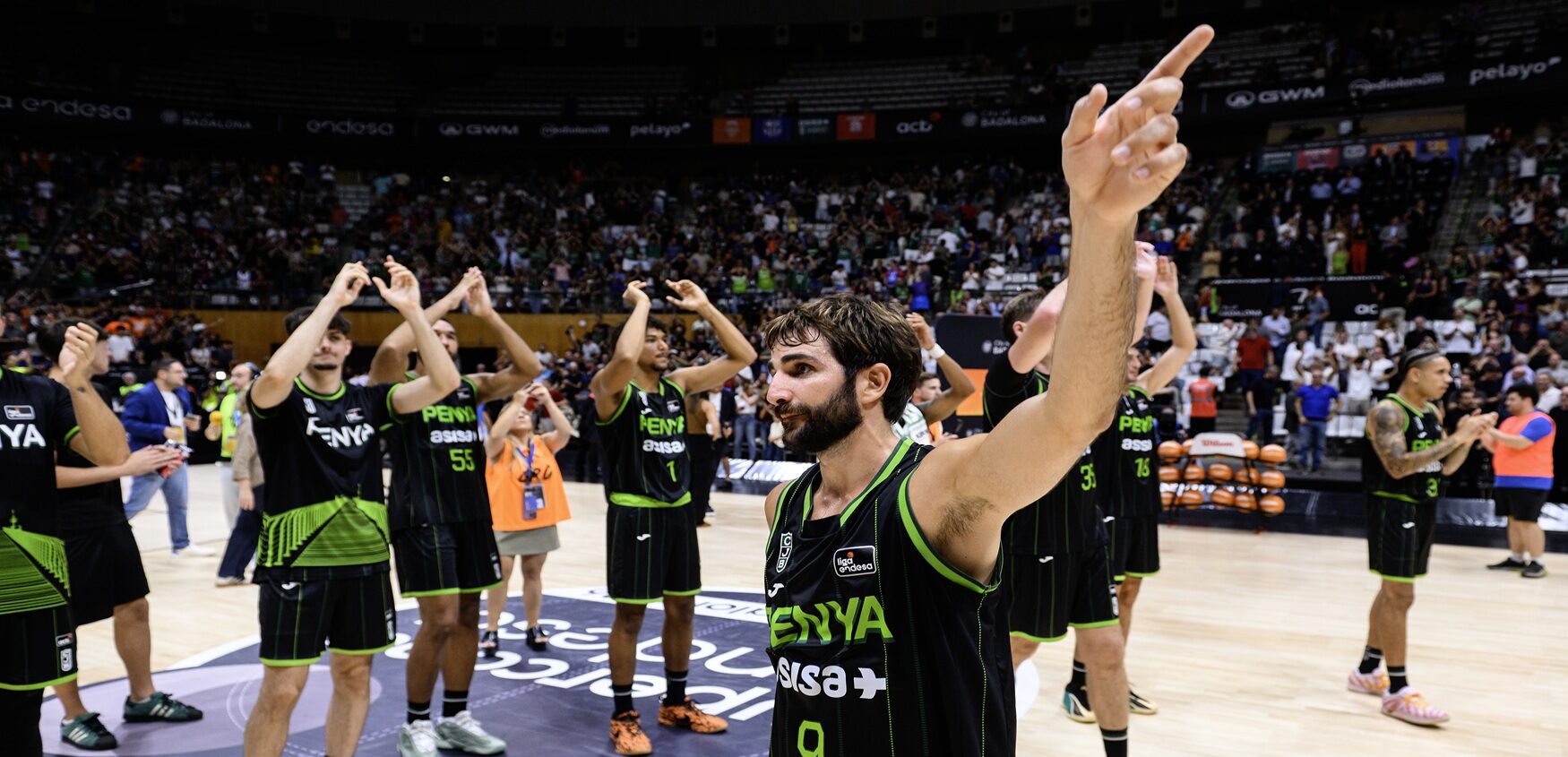

Historic Joventut Badalona, the 1994 European champions, is changing hands with the aim of returning to the ranks of the continent’s elite. The Spanish club has announced an agreement with Confluence Valley for the transfer of its majority stake, previously held by Scranton Enterprises, in a deal that opens a new chapter for one of the most iconic clubs in Spanish and European basketball. The agreement is still awaiting formal approval from Spain’s National Sports Council (CSD) and includes Ricky Rubio, who remains a key player of Joventut’s first team, becoming a shareholder. It is a move of considerable symbolic significance for a club renowned as one of the leading talent factories in Spanish basketball.


The arrival of the new investor marks the end of an eight-year spell during which Scranton played a decisive role in Joventut’s survival and rebuilding process. In November 2018, the club was just 48 hours away from going out of business, with relegation risk also close -alongside Real Madrid and Barcelona, Joventut is the only Spanish club to have competed in the top flight every season-. The intervention of the investment group, which belongs to the Grifols family of pharmaceutical industry fame, ensured the club’s survival, stabilised its finances and laid the foundations for a recovery that has restored Joventut to prominence. The latest milestone came with September’s Supercopa Endesa triumph, the club’s first title since winning the Copa del Rey and the EuroCup in 2008, when young Ricky Rubio was also part of the team.
Just under a decade after stepping in to save the club, Scranton considers its mission accomplished and is now making way for Confluence Valley, a holding company specialising in the basketball business, with direct experience in club management and the operation of major sports venues. The transition, however, will not represent a complete break with the past: the outgoing group will remain involved as a financial partner and support the club on its journey towards its centenary in 2030.

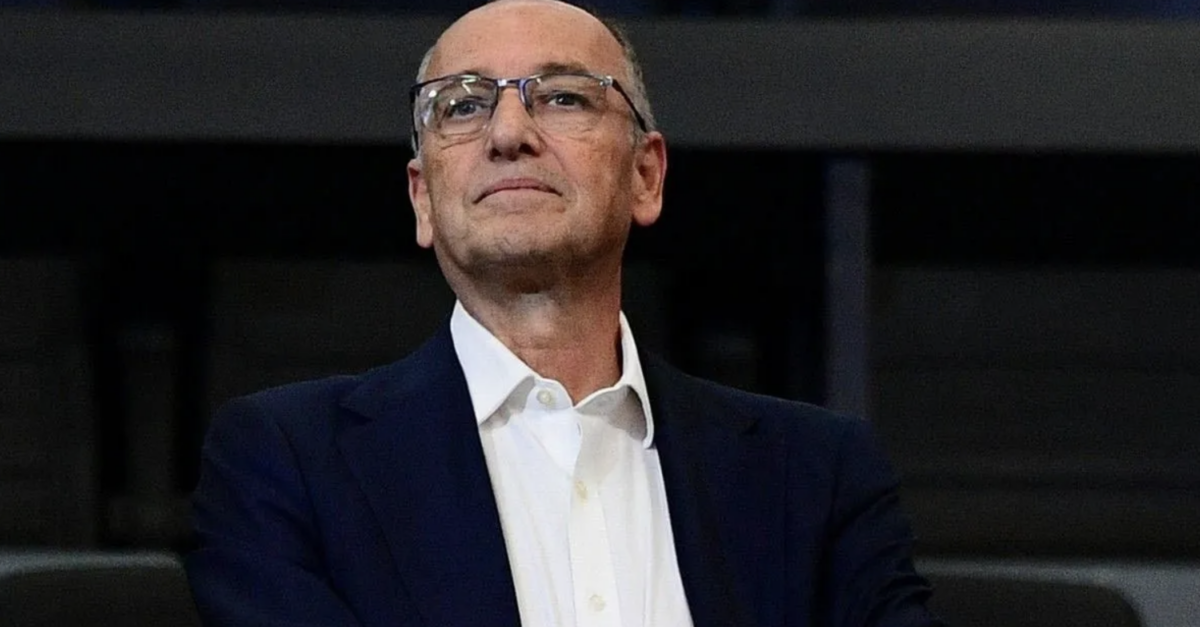
Behind Confluence Valley is Paulius Motiejunas. Closely associated with Žalgiris Kaunas, in which he holds a stake, Motiejunas served as EuroLeague CEO from June 2023 to January 2026. The experience has given him first-hand knowledge of Europe’s premier club competition, its financial demands and the challenges facing teams seeking to compete at the highest level.

Confluence Valley emerged from the alignment of interests between the business network surrounding Žalgiris and Tesonet, a technology and investment company that also has a stake in the Kaunas club. The group also has a presence in British basketball through the London Lions, acquired by Tesonet in 2024 after the club ran into serious financial difficulties. The relationship between the two clubs has already become apparent through Keenan Evans’ loan move from Žalgiris to the London side. Earlier this week, Žalgiris announced that the American guard would be brought back into the fold, with the hope that he can return to his previous level after suffering two extremely serious injuries in recent years. Joventut’s arrival therefore expands the group’s footprint in European basketball, adding an institution with a rich tradition, a renowned youth academy and a strong fan base to its portfolio.
The partnership makes sense on several levels. Joventut and Žalgiris represent basketball models deeply rooted in their respective cities, with distinctive identities and histories that extend far beyond results on the court. Both clubs have also faced significant financial difficulties in their efforts to secure their long-term futures. In Kaunas, the recovery has been built on a management model that combines on-court performance with the commercial exploitation of its facilities and consistently strong attendance at EuroLeague games. That is the blueprint Confluence Valley will look to replicate in Badalona, where filling the Palau Olímpic has often proved a challenge. The presence of a sporting giant such as Barça also gives Joventut a competitor on its doorstep that Žalgiris simply does not have to contend with in Kaunas, where the club is very much a national institution.

Confluence Valley’s intention is to grow revenues, strengthen the club’s organisational structure and gradually raise its competitive level without sacrificing its roots. The goal is not simply to build better teams, but to establish an organisation capable of sustaining its sporting ambitions over the long term.
There is little doubt that the club’s overriding ambition is to return to the EuroLeague, particularly if the anticipated expansion to 24 teams goes ahead. A place in Europe’s premier club competition in the medium term is a natural aspiration for an organisation that has already reached the summit of European basketball, thanks to its historic triumph in 1994, and occupies an important place in the history of Spanish sport.
The new ownership can provide Joventut with the experience and resources needed to strengthen its financial base, institutional stability and commercial capabilities. The aim is to create the sporting and financial conditions that would allow the Catalan club to target a sustainable return to the continental elite. Although changes to the club’s internal structure are expected, the message delivered to staff so far has been reassuring: there will be no sweeping revolution.
The Palau Olímpic stands out as one of the club’s major assets in that process. During Scranton’s tenure, and in collaboration with Badalona City Council, the arena was modernised and opened up to sporting, cultural and musical events. The 2023 Copa del Rey, the 2026 Basketball Champions League Final Four and the Supercopa Endesa also this year, alongside concerts and other major events, have helped diversify revenue streams and reduce the club’s dependence on the first team’s results.
At Joventut, however, the youth academy has always been central to the club’s way of doing things. Its junior ranks have produced stars such as Ricky Rubio, Rudy Fernández, Raül López and Jordi Villacampa among many others. All of them bear testament to La Penya’s ability to develop elite-level talent.
In that respect, one of the most significant aspects of the deal is Ricky Rubio’s entry into the club’s ownership structure. Developed in Badalona and now one of the leading international figures in Spanish basketball, the point guard embodies the link between Joventut’s history and its future. His commitment to the club is total, and since returning to professional basketball in the summer of 2025 after a year away from the game, he has even played an active role in shaping the roster. His new position as a shareholder will further strengthen the club’s ties to its youth academy and reinforce the identity the new owners have pledged to preserve.

Rubio’s involvement could also help strengthen the connection between the sporting project, the fan base and the city. This is about more than bringing a recognisable name on board: it means giving a place in the ownership structure to someone who understands La Penya’s culture from the inside and knows what the club means to Badalona.
The deal brings two historic European basketball institutions together under a project that combines management expertise, tradition and ambition. Žalgiris brings its knowledge of the business and the EuroLeague; Joventut contributes its history, its youth academy and its deep roots in the community. With Ricky Rubio becoming a shareholder and Scranton remaining involved as a financial partner, the challenge will be to turn that alliance into sustained growth and bring Joventut closer to a goal that is once again gathering momentum: competing with Europe’s elite.