


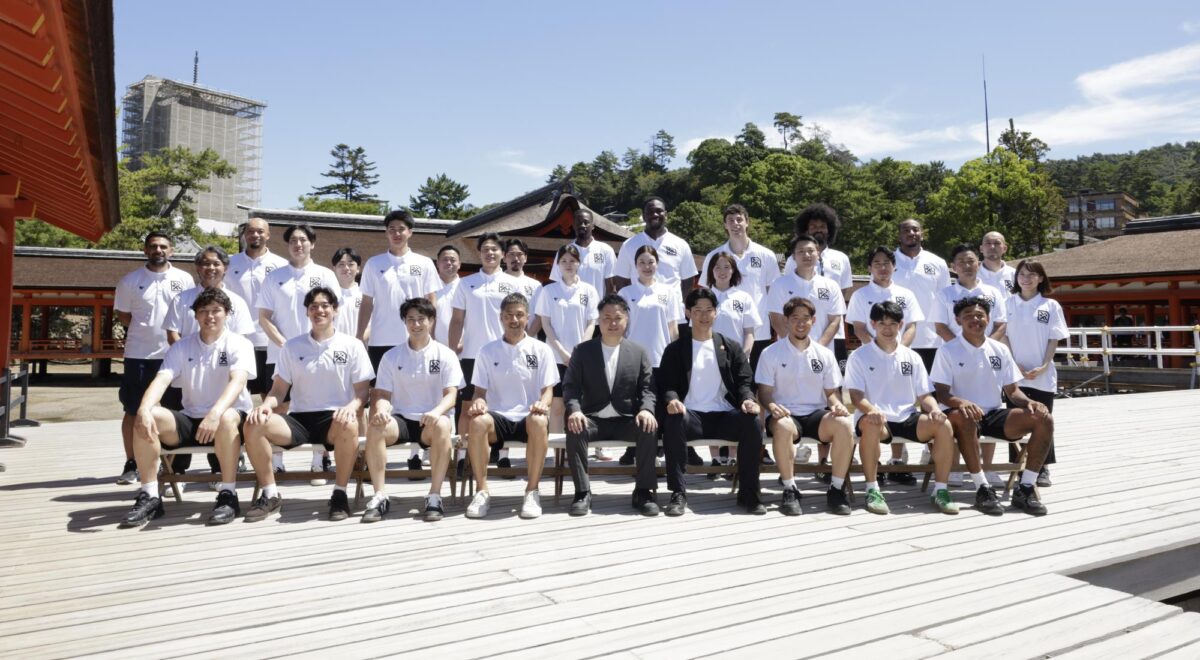









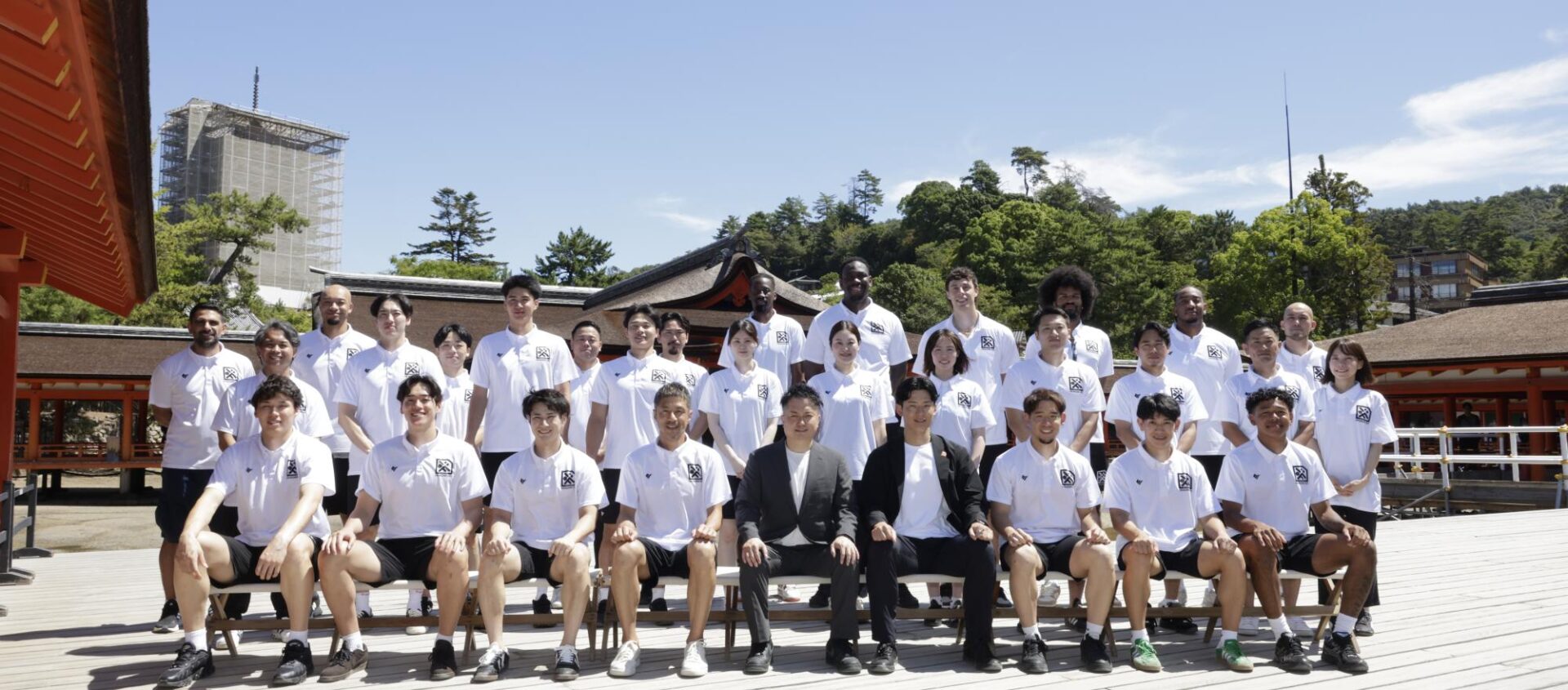

Hiroshima is a city where history, memory and resilience are part of everyday life. Against this unique backdrop, SKWEEK spoke with Dimitris Varvounis, Greek assistant coach of the Hiroshima Dragonflies, about experiencing basketball in a place unlike any other, where the weight of history is ever-present.


Hiroshima is a city where history, memory and resilience are deeply woven into everyday life. A place of profound historical and symbolic significance, where the past is never forgotten but remains an integral part of the present, shaping the city’s identity and the lives of its people. Against this unique backdrop, SKWEEK spoke with Dimitris Varvounis, Greek assistant coach of the Hiroshima Dragonflies, to discuss his personal experience of living and working in Japan.
Through his perspective, we explore what it means to be part of a basketball organization in a city that carries such a significant historical legacy while continuing to move forward with strength and determination. From basketball and cultural differences to everyday challenges and personal experiences, Varvounis offers an insight into life in Hiroshima, both on and off the court. A conversation that goes beyond the game, highlighting how basketball can become a bridge between cultures and how working in a place unlike any other can offer lessons that extend far beyond the boundaries of sport.


When the opportunity to move to Hiroshima came up, what was your initial reaction? How much did the city’s historical identity shape your perception of it before arriving?
To be honest, I didn’t immediately associate the opportunity with the city’s historical significance. My first thought was simply that I was going to Japan, joining a new team and embracing a different basketball experience. At that point, I wasn’t really thinking about Hiroshima’s history or the events that had taken place there. That awareness developed gradually, as I began to reflect more deeply on where I was going and the significance of the city that would soon become my home. It was only after arriving that I started to understand it more fully.
You can feel it everywhere. There is a certain atmosphere that is difficult to put into words. Whether you are at the arena or walking through the city, you encounter the same message: people are working towards a better tomorrow. There is a strong commitment to promoting peace around the world, and sport is viewed as a powerful way to bring people together and bring joy into their lives. You realize that this message is deeply rooted in the city’s past and in the immense human suffering it endured. It is present all around you, and once you are here, it is impossible to overlook. It gradually becomes an integral part of how you understand Hiroshima and its people.
Where silence speaks
Before moving to Hiroshima, how much did you really know about the city’s history? Was there a significant gap between what you had learned from books and what you experienced when you arrived?
I would say that I only knew the basics. I knew that the atomic bomb had devastated Hiroshima, as well as Nagasaki, but I hadn’t really explored the full extent of what had happened or fully grasped the scale of the destruction. About a week after arriving, I decided to take some time to read more, learn about the city’s history and understand the place I was about to call home. That was when I began to realize just how dramatically everything had changed, not only in terms of the city itself, but also in the way people live, think and approach life.
Hiroshima had been completely destroyed and, in many ways, had to be rebuilt from scratch. The A-Bomb Dome, the iconic building that remains near the Peace Memorial Park, is one of the most powerful reminders of what the city went through. When you stand in front of it, you begin to grasp the scale of the devastation and the extraordinary effort it must have taken to rebuild an entire city. Hiroshima didn’t simply have to recover from a difficult period; it had to start almost entirely from zero.
You also notice its distinctive character when visiting other cities in Japan. Hiroshima has a unique relationship with its parks and open spaces, particularly Peace Memorial Park, which was created around the area where the atomic bomb exploded. Walking through the park, you begin to feel the atmosphere of the place and understand what makes the city so different. Its history is not something confined to books or museums; it is part of the city’s identity and something you experience in your everyday surroundings.
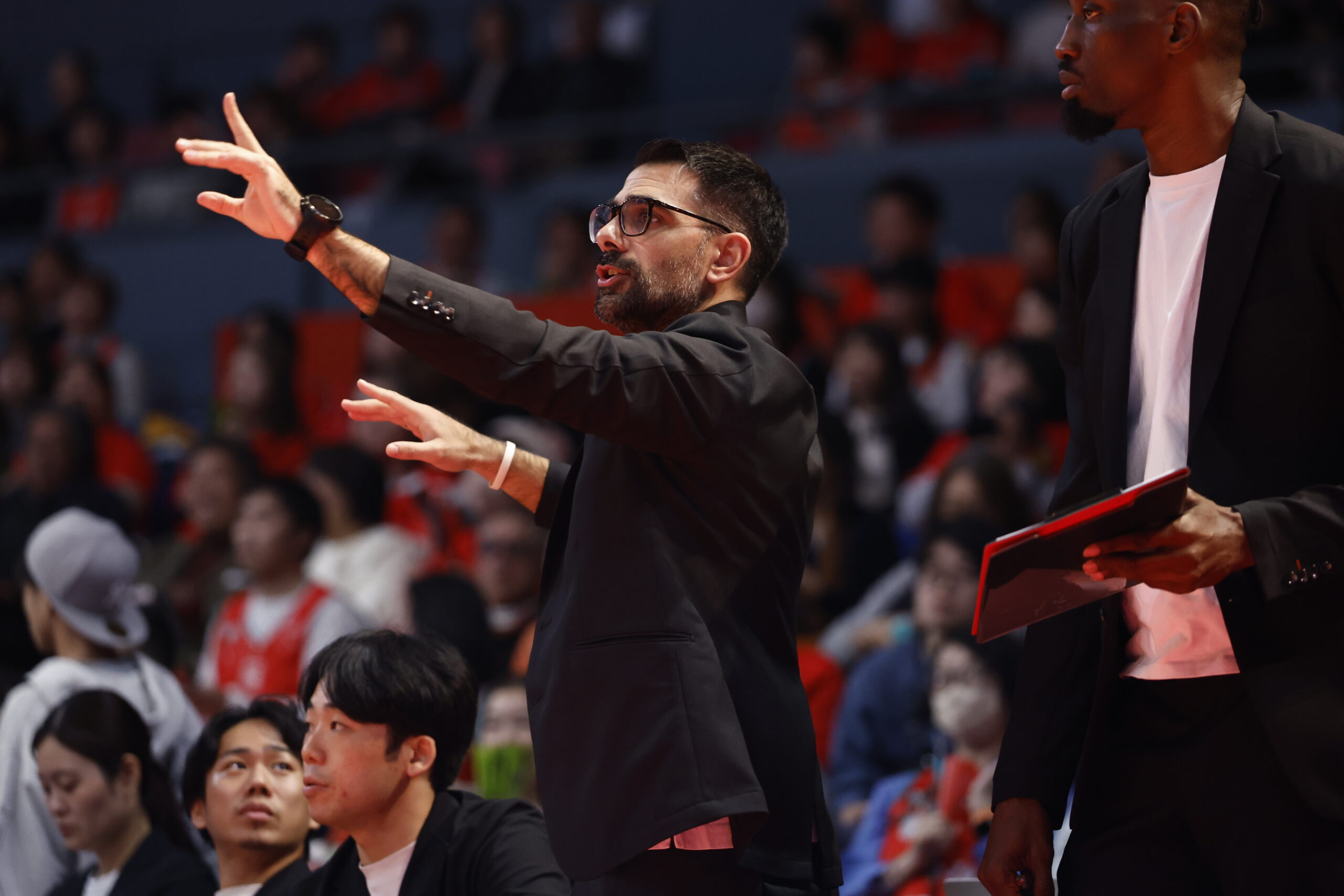
What is it like to live in a city with such a profound historical legacy, which is also a modern, vibrant urban center? How present is that history in the everyday lives of its residents?
During the time I’ve been here, I’ve witnessed two memorial ceremonies held in honor of those who lost their lives. From what I understand, events dedicated to remembering the victims take place throughout the year. There is clearly a strong desire to preserve their memory, although I wouldn’t say that the subject comes up very often in everyday conversations. To be honest, I’ve tried to bring it up several times. People tend to discuss it briefly and then move on. I’m not sure whether that is simply part of the culture or whether there is another reason for it, but that has been my experience so far.
I’ve visited the Peace Memorial Park, although I haven’t yet managed to go inside the museum because it is always extremely crowded. There are so many people visiting. But when you walk around the park, near the A-Bomb Dome, you notice something remarkable: there is a real sense of silence and tranquility. As my wife also pointed out, there is a certain peace about the place. You don’t hear people shouting or creating a sense of commotion. Even when children are running around and playing, that feeling of calm remains. I find that quite extraordinary.
I also believe that the history of Hiroshima, and what happened in Japan more broadly, is an important part of the school curriculum. From what I’ve understood, it is something children are taught from an early age. Japanese people seem to place great importance on preserving their history and understanding where they come from. You can also see how deeply education shapes their everyday behavior. There is a strong emphasis on politeness, respect and helping others. People bow when they greet one another, and courtesy is an integral part of daily life.
Even if someone may have a different opinion internally, they still tend to follow the values they were taught from a young age. If you were taught at school to be polite, you remain polite; if you were taught to bow, you continue to bow. I think the same principle applies to their history. They make sure it is not forgotten, and education plays a central role in that. Even if people don’t necessarily talk about the subject at length in everyday conversations, they know what happened. From what I’ve seen, everyone is aware of the city’s history and understands its significance.
Respect in every gesture
Is there a particular story or experience from Japan that has stayed with you?
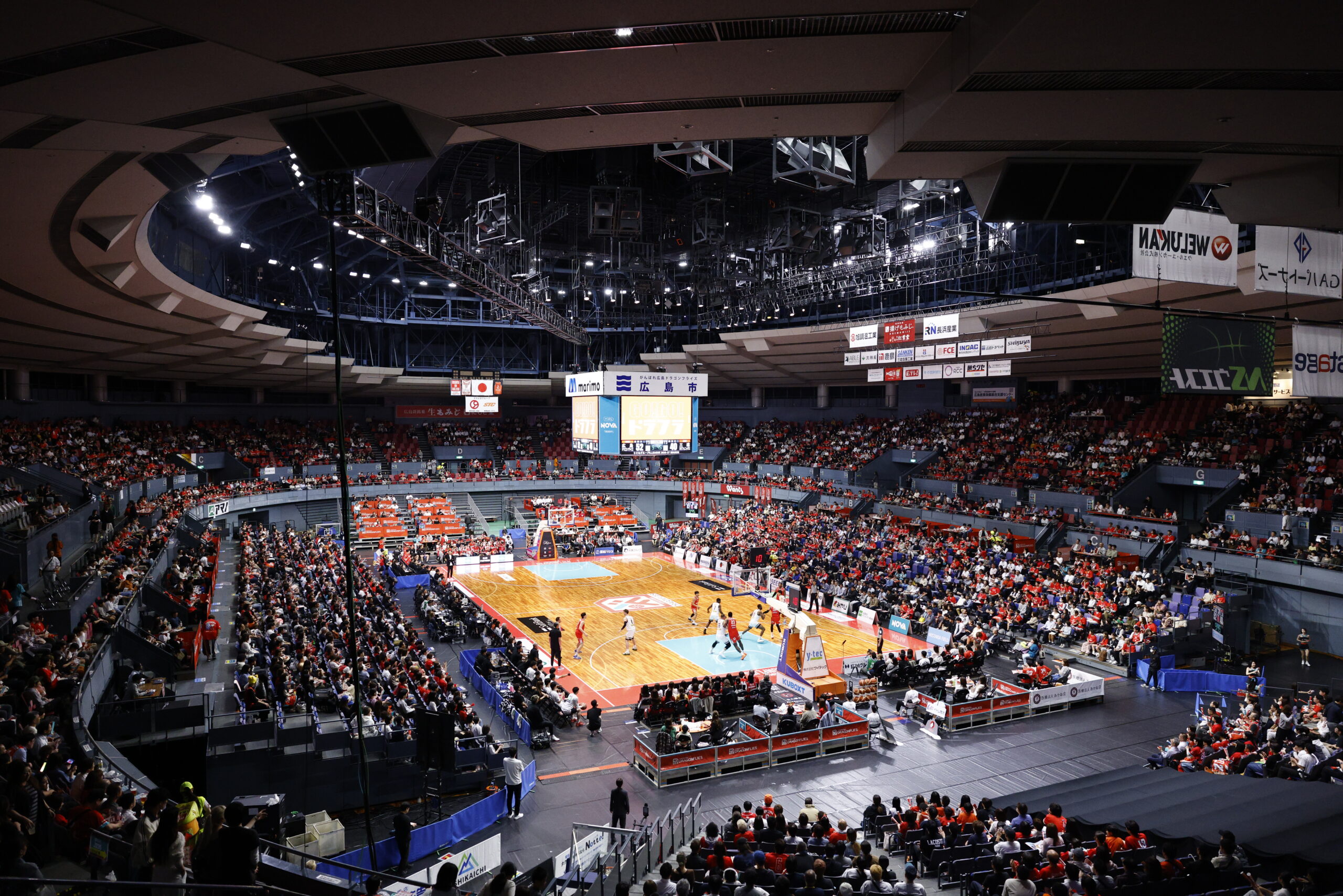
Let me share a basketball-related experience, because it is something that still amazes me. You walk into an arena and see fans applauding players from both teams. They show their appreciation before tip-off, during the game and even after the final buzzer. Everyone is there to enjoy the spectacle, and there is a genuine sense of respect for the game and for the athletes, regardless of which team they represent. That has made a tremendous impression on me. It is something you don’t necessarily take for granted everywhere, and seeing it so consistently is remarkable.
There are also so many aspects of everyday life in Japan that show how much thought goes into even the smallest details. Sometimes, it is the simplest things that tell you the most. Let me give you a very ordinary example. It rains a lot in Japan, so naturally you carry an umbrella when you go out. Before entering a shop, you will often find a special machine where you place your umbrella and it wraps it in a plastic cover. That way, you don’t bring water into the aisles of a supermarket or the corridors of a shopping mall. When you leave, you use the machine again to remove the cover and dispose of it.
It may seem like a very small detail, but it says a lot about the way things are organized. Someone has thought about the experience of every person who walks through that door. They have anticipated a simple, everyday problem and found a practical solution. That’s what strikes me about Japan: there is so much attention to detail, and very little seems to be left to chance.
As a foreigner living and working in Japan, are there aspects of Japanese culture that have surprised you or changed the way you look at certain things?
I think the most important thing is what I mentioned earlier: respect. It is deeply ingrained in everyday life here. You let a taxi pass, and you bow. You give way to a pedestrian, and you bow. You walk into a supermarket, and you are greeted with a bow. Even when someone asks for your help, a bow is often part of the interaction. It is everywhere, even in the simplest, most ordinary situations.
You see exactly the same attitude in basketball. Before tip-off, the two opposing teams, including the players on the bench, line up and bow to each other. Once the game is over, everyone lines up again and bows towards the stands, acknowledging the spectators. I think this gesture, which is so deeply rooted in Japanese culture, sends a very clear message: “We respect you.” People have come to watch us, they have invested their time and money in supporting the game, and we should show them our appreciation.
For me, that is one of the most striking aspects of Japanese culture. Respect is not simply something people talk about; it is something they put into practice through their actions, every single day.
What was your first impression of the club? What impressed you most about the way it operates, its facilities, its organization and the mentality of the people working there?
One of the first things that really struck me was the amount of time dedicated to meetings. We can easily spend ten to twelve hours a day at the gym, and on top of that, there are countless meetings. What impressed me most was the level of detail and analysis involved in everything. Sometimes, I feel that they take analysis to a whole new level!
Another thing that really stands out is the level of organization, particularly when it comes to travelling. Whenever we are preparing for an away trip, everything is planned down to the smallest detail. We receive a comprehensive itinerary explaining exactly what time we have to meet at the train station, when the train departs, what time we are expected to arrive, how much time we have to transfer to a bus or taxi, and when we will reach the hotel.
Everything is carefully documented and communicated to us in advance. We receive detailed information about the location of the gym, the hotel, nearby supermarkets and any other facilities we might need during our stay. All this information is provided both in printed form and as a PDF, so everyone knows exactly what to expect. The schedule is also explained to us in detail before each trip. The same level of organization is evident in our daily work at the club. Our staff includes two managers, two physiotherapists, two strength and conditioning coaches, and a coaching staff of six people: one head coach and five assistant coaches. Everyone has a specific role and responsibility, and there is always something for everyone to do. Nobody is simply sitting around.
What really stands out to me is the professionalism, the attention to detail and the commitment to making sure that everything runs as smoothly as possible. You get the feeling that nothing is left to chance. Organization, preparation and discipline are fundamental parts of the club’s mentality, and you can see that in virtually every aspect of its daily operation.
What has it been like working with Japanese players? Have you noticed any differences in communication, discipline, their approach to training, or their overall understanding of the game?
Working with Japanese players has been a very interesting and rewarding experience. When it comes to communication, the language barrier is probably the most obvious challenge. Not all players speak English fluently, and some do not speak it at all. However, as we all know, basketball has its own universal language. Regardless of where you are in the world, the basic principles of communication on the court remain the same. Understanding the fundamental terminology of the game makes a huge difference and helps us communicate effectively in everyday basketball situations.
Of course, when I want to have a more in-depth conversation with a player, particularly about something that goes beyond basketball terminology or involves more personal matters, having an interpreter alongside me is essential. As for their mentality and approach to their work, I have to say that Japanese players are incredibly professional, disciplined and dedicated. One thing that has genuinely impressed me is the amount of time they are willing to spend at the gym. They can stay there for hours, working on their shooting, completing their strength and conditioning programs, or putting in extra work on different aspects of their game. They are not simply there to fulfil the requirements of a training session; they are constantly looking for ways to improve.
What stands out just as much is their concentration and attention to detail. They listen carefully to every instruction they receive, whether it comes from the coaching staff, the strength and conditioning coach or the medical team. They are equally committed to following the recommendations they are given when it comes to recovery, rehabilitation and taking care of their bodies. Even these aspects of their daily routine are approached with great seriousness and responsibility.
Outside the familiar
If you had to describe your experience in Hiroshima so far in just one word, what would it be and why?
Different. That would be my word: different. It is probably the best way to sum up my experience in Hiroshima so far, because you encounter differences in almost every aspect of everyday life, both on and off the court.
You go to the supermarket, and there is hardly any English. You go out to eat, and you often find that menus and signs are available only in Japanese. You have to make an effort to understand the language, the mentality and the way people think. There are many people who do not speak English, so you gradually realize that adapting to life here requires more than simply getting used to a new environment. You have to understand a different culture and a different way of approaching everyday situations.
Even the simplest things can become an experience in themselves. For example, you go to a gas station and there is no attendant there to help you. You have to figure out how everything works and fill up the car yourself. These may seem like small details, but they are part of what makes everyday life here so different from what I was used to in Europe.
And that sense of difference extends to basketball as well. The way people approach the game, organize their routines and prepare for practices and games is quite distinctive. Everything is planned down to the smallest detail. There is a specific schedule for when each group of players enters the court for warm-ups: when the Japanese players go out, when the guards and the small forwards begin their routines, and when the foreign players take their turn. Every group has its designated time, and everyone knows exactly what they are supposed to do and when.
That level of organization and structure is something you notice immediately. Nothing is left to chance, and there is a clear plan for practically every aspect of the team’s preparation.
So, if I had to choose just one word, it would definitely be different. And that is precisely what makes the experience so interesting: you are constantly learning, adapting and discovering new ways of looking at things, both in everyday life and in basketball.
You have worked in a variety of basketball environments, from Greece and Tunisia to Lebanon and Libya. What has this journey taught you, and how has it shaped you both as a person and as a coach?
First and foremost, I would say that this journey has shaped me as a person, and then as a coach. I feel incredibly fortunate to have had the opportunity to meet so many people who have helped me along the way and to work in different parts of the world, across Europe, Africa and Asia. Experiencing different cultures, meeting people with different backgrounds and understanding their perspectives and approaches to life have contributed enormously to my personal growth. It has broadened my horizons and helped me evolve, not only professionally but, above all, as a human being.
At the end of the day, life itself is what matters most. We all want to live it in the best possible way, to enjoy it and find our own sense of happiness and fulfilment. Being exposed to different cultures and ways of thinking has helped me appreciate that even more. It has taught me to be more open-minded, to understand people better and, most importantly, to look beyond the differences that may initially separate us.
As a coach, if there is one fundamental lesson that all these years of working outside Greece have taught me, it is that we are all the same. We may have different religions, different skin colors and different nationalities. We may come from countries, cities or places that people elsewhere have barely even heard of. For example, some of the people I have met abroad may not know where Athens is, let alone smaller Greek cities such as Chalkida or the island of Samos. But none of that really matters. At the end of the day, we are all human beings, and we share far more than we sometimes realize.
And I think that is the greatest thing this journey has given me. Beyond the basketball knowledge, the professional experiences and the different countries I have had the opportunity to work in, it has taught me that people can overcome their differences and create something special when they come together with mutual respect, trust and a common purpose.