


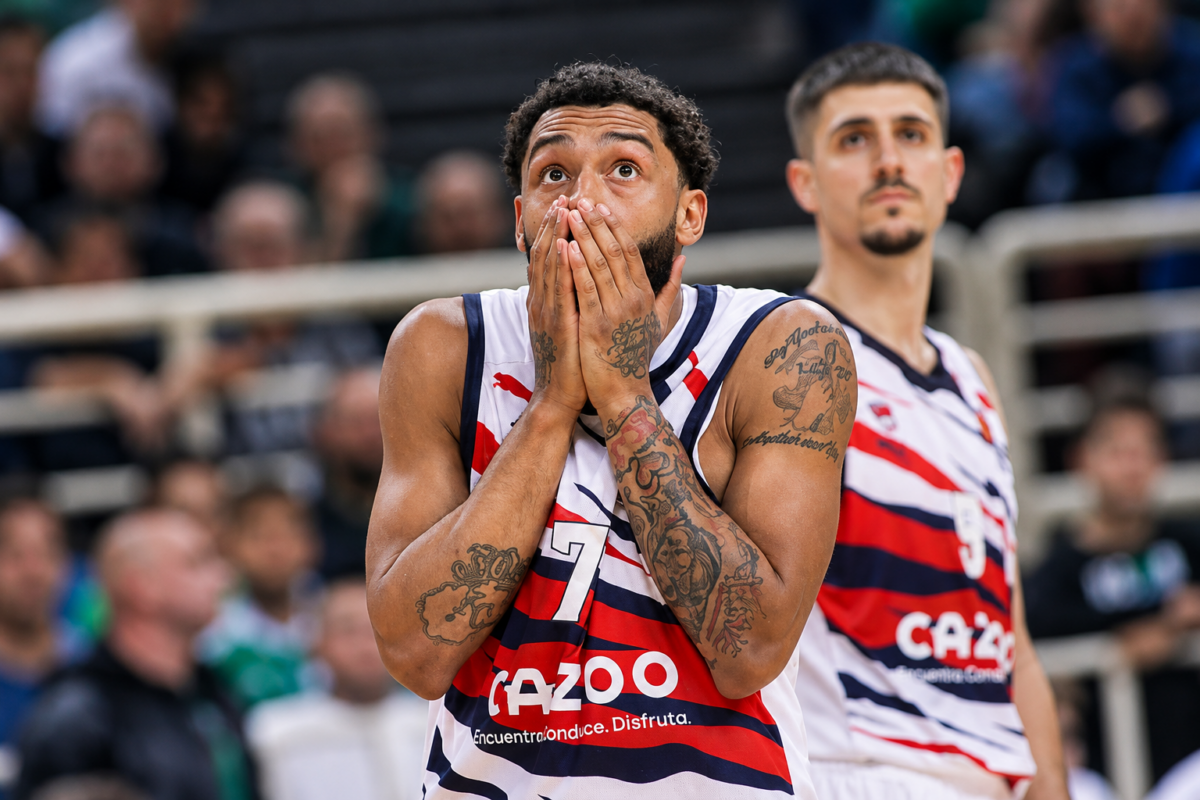

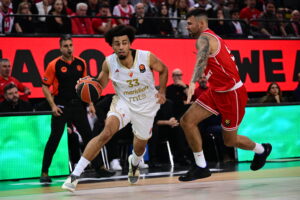
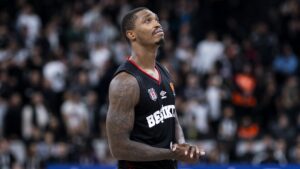
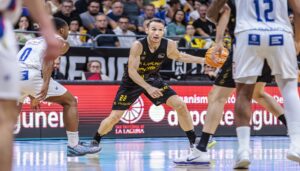
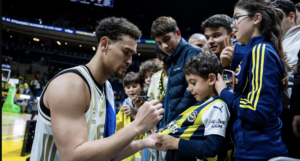
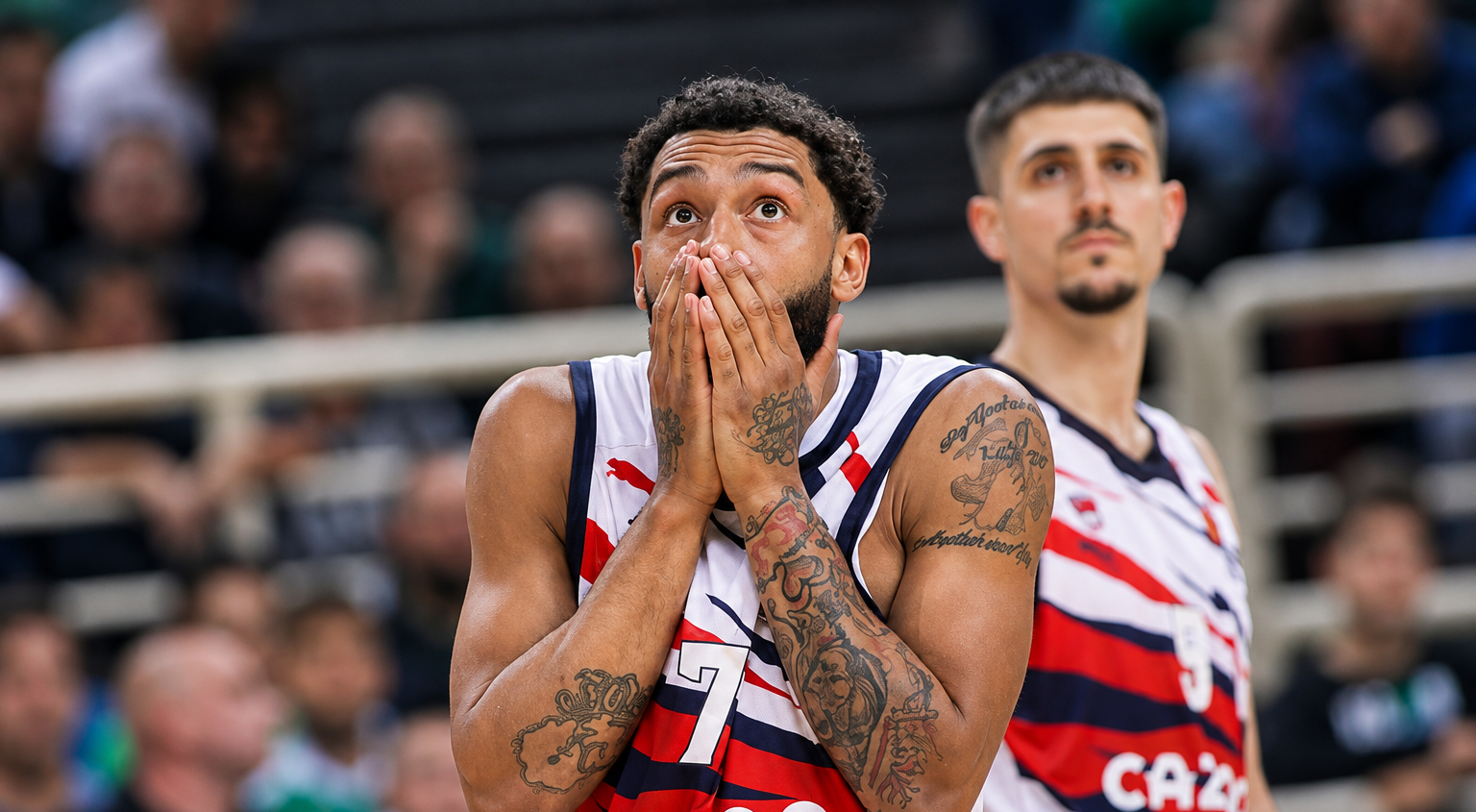
On January 10, 2023, Pierria Henry stepped onto the court for Baskonia against Bayern Munich, unaware that the game would become his last professional appearance for almost four years. The American guard, who also holds Senegalese citizenship, was enjoying another productive spell in Vitoria, playing an important role for a team with genuine EuroLeague playoff ambitions.


Nearly 46 months later, Henry is preparing for a possible return to the competition that helped establish his reputation. Maccabi Tel Aviv announced on November 7, 2026, that the 33-year-old would join the team for a trial period, during which his physical condition and basketball readiness would be assessed ahead of the expiration of his suspension on January 13, 2027.
Nothing has been guaranteed beyond that evaluation. Nevertheless, the prospect of a EuroLeague club considering a player who has not appeared in an official game for almost four years makes Henry’s situation one of the most unusual comeback stories in recent European basketball history.
From Baskonia’s championship team to the EuroLeague elite
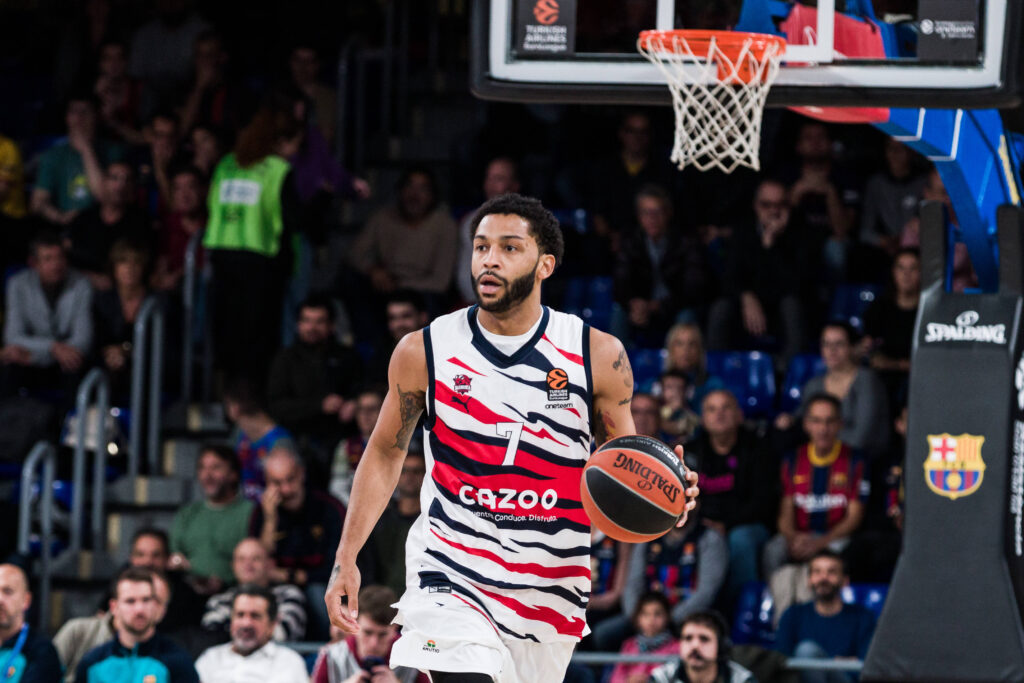
Henry’s European journey began in Germany with ratiopharm Ulm in 2015, before taking him to Hapoel Eilat, Tofas Bursa and UNICS Kazan. His performances in Russia eventually earned him a move to Baskonia in 2019, where his combination of defensive aggression, creativity and physicality made him an increasingly influential figure.
He helped Baskonia win the Spanish championship in 2020, when the ACB season concluded with a special final tournament in Valencia because of the COVID-19 pandemic. The following season, he was selected to the All-ACB First Team and again led the EuroLeague in steals.
His development attracted Fenerbahce, which signed him in 2021. After spending the 2021–22 season in Istanbul, Henry briefly explored an NBA opportunity with the Houston Rockets before returning to Baskonia in October 2022.
His arrival was announced in unusual circumstances. Head coach Joan Peñarroya revealed the agreement during a press conference following a victory over Real Madrid, immediately generating excitement among supporters who remembered Henry’s previous contributions.
The player himself spoke enthusiastically about his connection with the club, telling Eurohoops that he would like to finish his career in Vitoria.
His second spell began promisingly. Across the 24 games in which he appeared that season, Baskonia recorded 17 victories and seven defeats in all competitions. Alongside Darius Thompson, Henry helped create an especially productive backcourt combination, while the team’s excellent December run briefly carried it to the top of the EuroLeague standings.
Then, almost overnight, everything changed.
The Maccabi game and the disputed doping sample
The incident that ultimately derailed Henry’s career dated back to November 3, 2022, following Baskonia’s EuroLeague home game against Maccabi Tel Aviv.
A routine anti-doping control produced an irregularity that later became the subject of a lengthy disciplinary and legal process.
On January 12, 2023, FIBA notified Henry of a possible anti-doping rule violation. His initial absence from Baskonia’s games was publicly attributed to discomfort in his right calf, but on January 25 the club and player issued a joint statement acknowledging that his license had been provisionally suspended.
Importantly, the announcement emphasized that the case did not involve a positive test for a prohibited substance. Instead, it concerned what the parties initially described as a procedural issue arising during doping control.
According to information subsequently disclosed about the proceedings, laboratory analysis found that the urine sample was incompatible with human urine. The authorities investigated the case as the use or attempted use of a prohibited method, involving alleged manipulation of the sample.
That distinction is central to understanding the controversy. Henry was not sanctioned because a particular performance-enhancing substance had been detected in his body. The violation concerned the integrity of the testing process itself.
Henry consistently denied responsibility for manipulating the sample. His legal representatives challenged the laboratory findings and raised questions about the handling and chain of custody of the evidence.
The dispute became a battle over both the interpretation of the anti-doping regulations and the reliability of the evidence used to establish responsibility.
Four years, a lengthy appeal and a legal dead end
The disciplinary process continued long after Henry had disappeared from competitive basketball.
In February 2024, FIBA imposed a 48-month suspension for the use of a prohibited method. The period already served under provisional suspension counted toward the punishment, establishing January 13, 2027, as the date on which Henry would become eligible to compete again.
The American guard rejected the decision and pursued an appeal before the Court of Arbitration for Sport, seeking to overturn or reduce the sanction.
Following the announcement of the punishment, he thanked those who had supported him and insisted that he would continue fighting to prove his innocence.
“I haven’t given up. I hope to see you all again,” he wrote in February 2024.
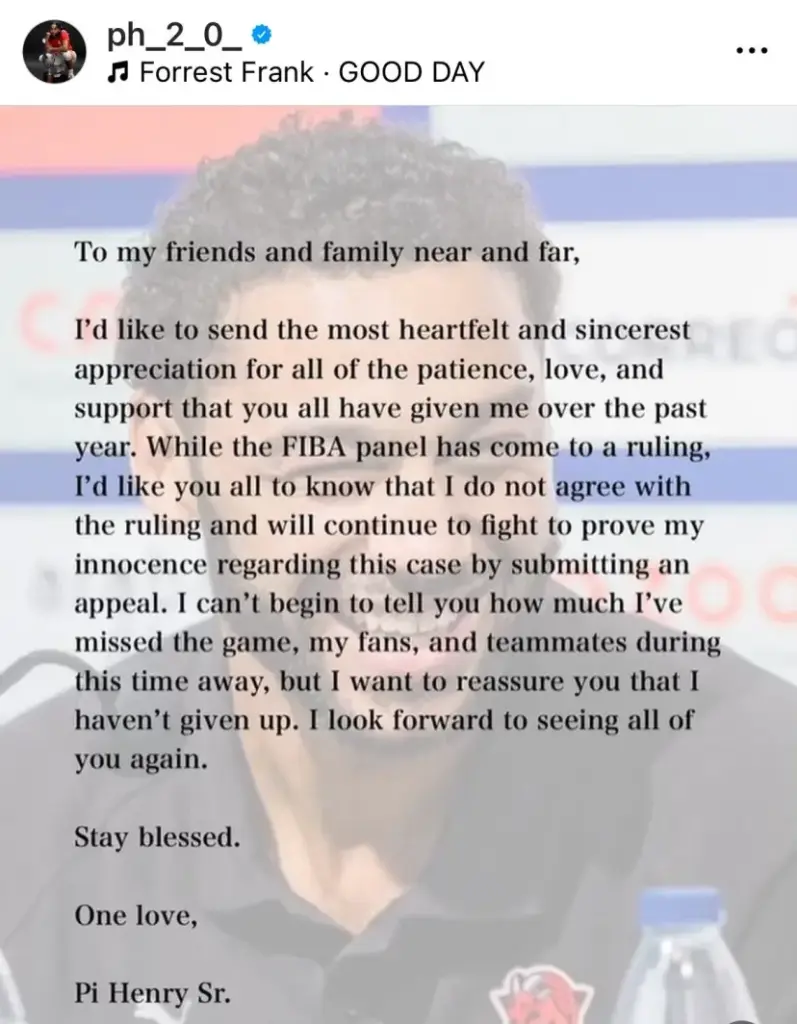
His appeal, however, was rejected in September 2025, leaving the original four-year suspension intact. The ruling effectively eliminated the possibility of an earlier return through that particular legal avenue.
For much of the intervening period, Henry maintained a low public profile. He returned to the United States, spent time with his family and continued working on his physical condition away from professional competition.
There was little public evidence of whether he intended to attempt a serious comeback, particularly given that he would be approaching his 34th birthday when the suspension finally expired.
That uncertainty began to disappear in October 2026.
Henry resurfaced on social media with training footage showing him shooting, handling the ball and working in the gym. His accompanying message was directed at those who doubted he would return.
“Yeah, I’m on it. When they say I’m not coming back,” he wrote.
Δείτε αυτή τη δημοσίευση στο Instagram.
He also resisted describing his plans as a comeback, explaining that, from his perspective, he had never truly left basketball and was simply preparing to pursue his career again.
Why Maccabi moved before the suspension expired
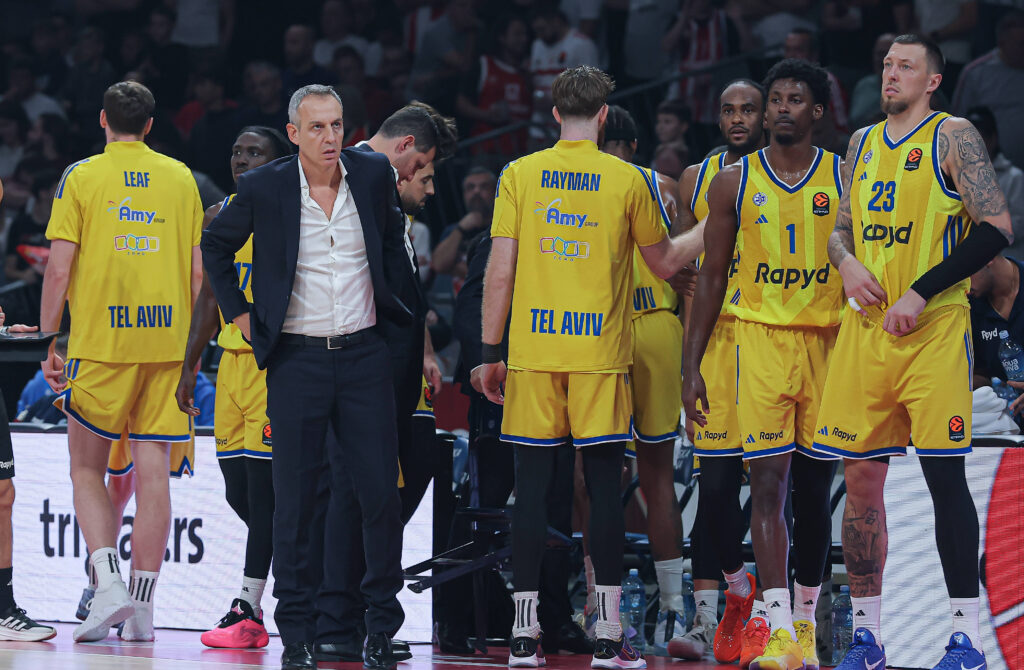
Maccabi’s decision to bring Henry into its training environment was not the result of a sudden negotiation in November.
According to the club’s official announcement, the agreement for a trial period had already been reached in September 2026, well before the injury to Iffe Lundberg.
Maccabi also made clear that Henry’s potential arrival would not prevent it from signing another player. The Israeli club intends to reinforce its roster independently of the decision it eventually makes about the former Baskonia guard.
The timing is significant. Henry is now permitted to participate in team practices during the final two months of his suspension, although he remains ineligible for official competition until January 13.
Israeli reports indicate that he is expected to join training on November 13, allowing head coach Oded Kattash and his staff several weeks to evaluate his readiness before the suspension ends.
There is also an extraordinary coincidence surrounding the potential reunion.
The doping control that triggered Henry’s four-year ordeal took place after a game against Maccabi. Now, the very same club could provide the platform for his return to professional basketball.
The connection goes even further. Henry previously played for Hapoel Eilat during the 2016–17 season under Kattash, meaning the Maccabi coach is already familiar with his abilities and personality.
That existing relationship could prove valuable during an evaluation period in which trust and understanding may be just as important as statistical projections.
What Henry can offer — and what Maccabi must evaluate
The basketball rationale behind Maccabi’s interest is understandable.
At the beginning of November, the Israeli club was struggling near the bottom of the EuroLeague standings with a 2–8 record, creating an obvious need for additional playmaking, perimeter defense and experience.
At his best, Henry provided all three.
In his final EuroLeague season, he averaged 9.9 points, 6.2 assists and 1.4 steals, demonstrating his ability to influence games without relying primarily on scoring.
His greatest strengths were his defensive intensity, ability to pressure opposing ball-handlers, creativity in transition and willingness to attack the paint before finding open teammates.
He was also comfortable operating alongside another primary creator, as his successful partnership with Darius Thompson demonstrated during his second spell in Vitoria.
Those characteristics would be valuable for a Maccabi team seeking greater stability in its backcourt.
However, the central question is no longer what Henry could do in 2023, but what remains of that player in 2027.
Four years without competitive basketball represent an enormous interruption, especially for a guard whose game depends heavily on speed, defensive reactions, physical contact and split-second decision-making.
Individual training can preserve conditioning and technical skills, but it cannot fully reproduce the demands of EuroLeague competition.
Maccabi will therefore need to evaluate more than his shooting percentages or general fitness. His lateral movement, defensive stamina, decision-making under pressure and ability to sustain intensity over repeated possessions will be essential considerations.
The trial arrangement allows the club to investigate those questions without immediately committing to a permanent contract.
It also provides Henry with something he has lacked since January 2023: the opportunity to demonstrate his abilities within a professional team environment.
Other athletes who returned after lengthy suspensions
Henry’s situation is unusual, but the wider sporting world offers several examples of players who attempted to rebuild their careers following substantial disciplinary bans.
Their stories demonstrate that reinstatement and recovery are not necessarily the same thing.
Dinos Mitoglou: From a doping ban to a EuroLeague championship
The closest high-profile Greek basketball comparison is Dinos Mitoglou.
In March 2022, while playing for Olimpia Milano, the Greek forward tested positive for methandienone and was suspended from competition.
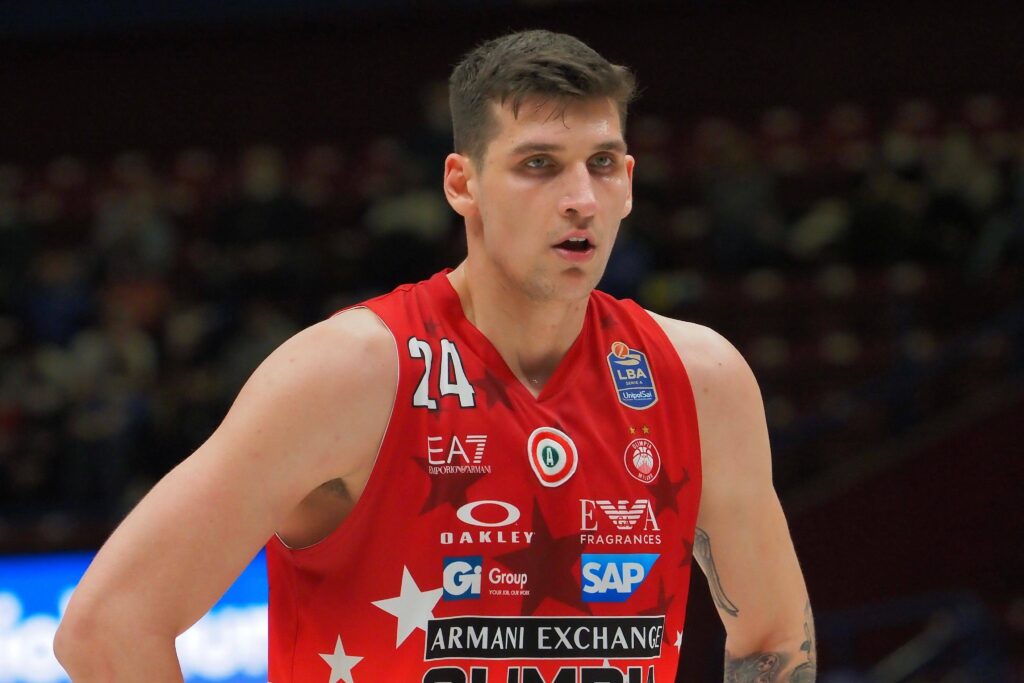
His initial announced period of ineligibility was 32 months, but an appeal before the Court of Arbitration for Sport reduced it to 16 months.
Mitoglou became eligible to return during the summer of 2023 and subsequently signed a three-year contract with Panathinaikos.
His reintegration proved exceptionally successful. During the 2023–24 season, he became an important contributor to the team that won both the EuroLeague championship and the Greek league title.
His case illustrates that a player can return to the highest level after a significant disciplinary interruption, although the difference in duration is considerable. Mitoglou spent approximately 16 months away, compared with the four years Henry will have missed.
Tyreke Evans: Reinstatement without an NBA revival
Another relevant basketball case involves Tyreke Evans, the former NBA Rookie of the Year.
In May 2019, the NBA dismissed and disqualified Evans for violating its anti-drug program, with the possibility of applying for reinstatement after two years.
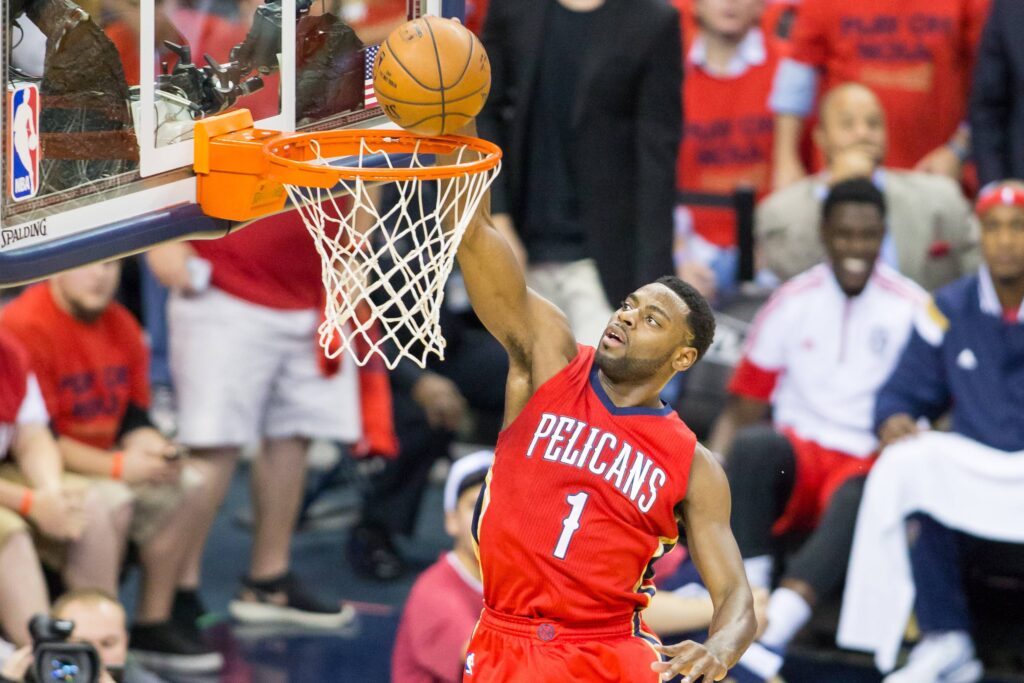
The league eventually approved his reinstatement in February 2022, nearly three years after the original announcement.
However, regaining eligibility did not translate into a successful return to an established NBA role.
Evans’ experience illustrates a fundamental problem facing athletes after prolonged absences: the end of a suspension does not restore the market position, physical readiness or competitive standing they enjoyed before leaving.
Paul Pogba: An 811-day wait and an incomplete revival
Football offers an especially revealing comparison through Paul Pogba.
The French World Cup winner initially received a four-year doping suspension, which was subsequently reduced to 18 months following an appeal to CAS.
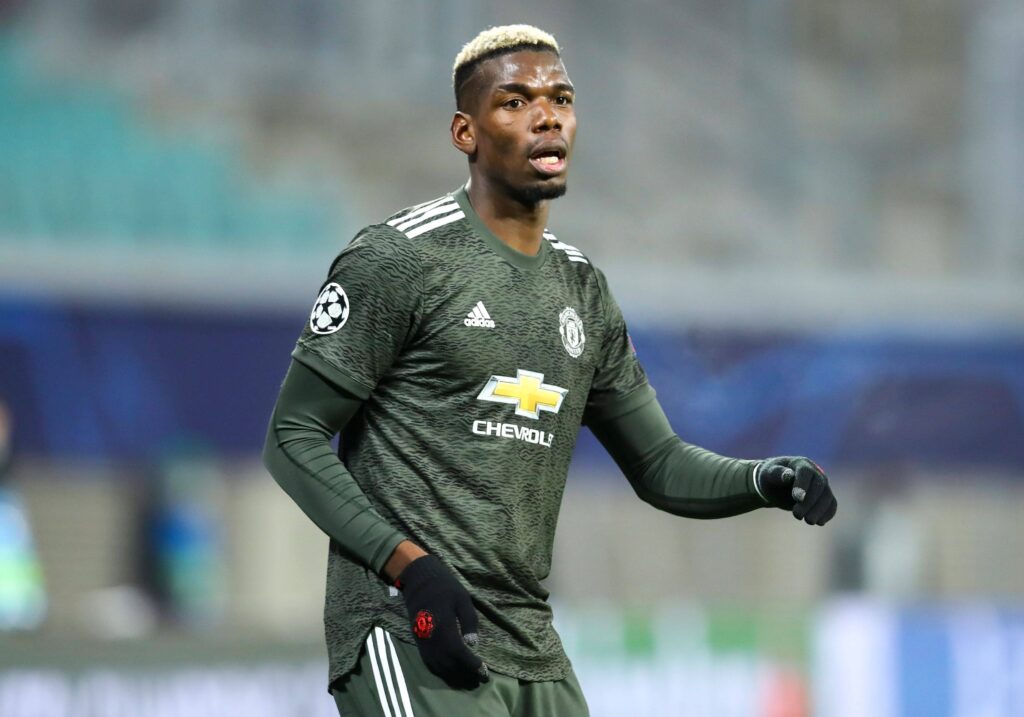
He became eligible to return in March 2025 and signed with Monaco, although additional physical problems delayed his competitive comeback.
On November 22, 2025, Pogba finally appeared against Rennes, ending a remarkable 811-day absence from official matches.
His return took place in France’s top division, but his involvement remained limited. In August 2026, Monaco announced that the two parties had agreed to terminate their contract, acknowledging that their original objectives had only been partially achieved.
Pogba’s experience is a reminder that even an elite athlete with exceptional technical ability may struggle to regain a meaningful role after such a long interruption.
Maria Sharapova: A reduced suspension and a controversial return
Maria Sharapova’s case became one of tennis’s most widely discussed anti-doping controversies.
The five-time Grand Slam champion initially received a two-year ban after testing positive for meldonium at the 2016 Australian Open.
Sharapova maintained that she had used the substance for medical reasons for several years and had not realized it had been added to the prohibited list.
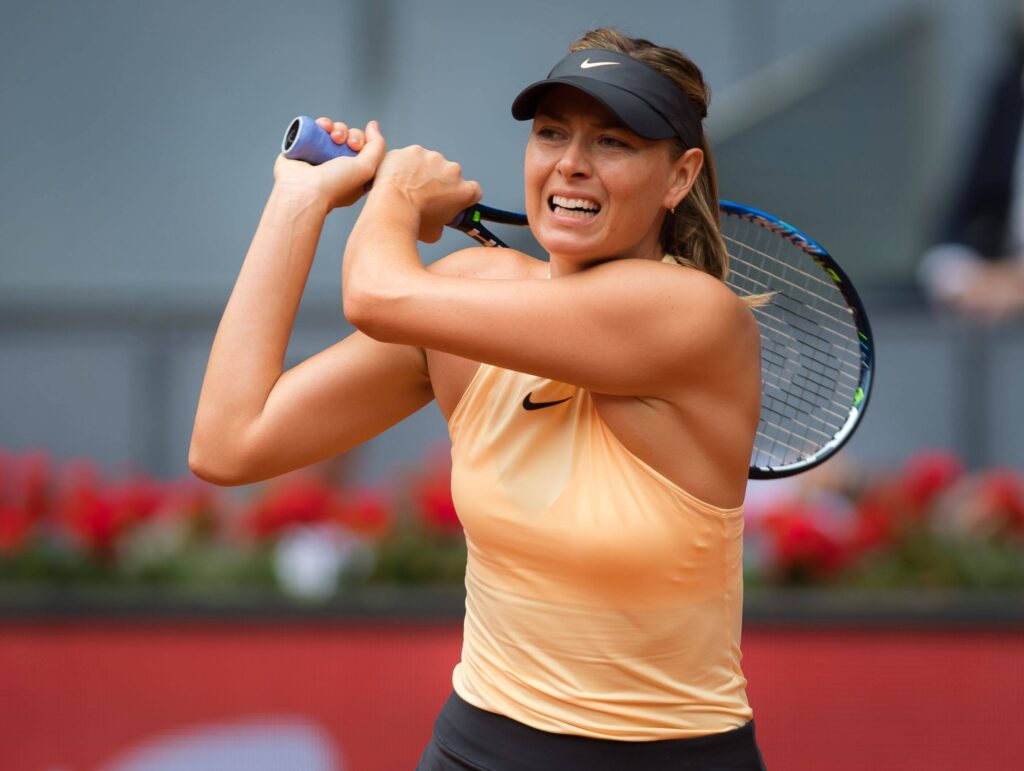
CAS eventually reduced her suspension to 15 months, allowing her to return at the Stuttgart tournament in April 2017.
Her participation through a wildcard generated controversy, with some fellow players questioning whether an athlete returning from a doping suspension should receive special entry privileges.
Although Sharapova resumed competing at the highest level, the interruption had significant consequences for her ranking and competitive momentum.
Simona Halep: A legal victory after nearly two years away
Simona Halep experienced an even more complicated legal battle.
The former world No. 1 was initially handed a four-year suspension following a positive test for roxadustat and a separate allegation concerning irregularities in her biological passport.
In March 2024, CAS reduced the punishment to nine months and dismissed the biological passport charge.
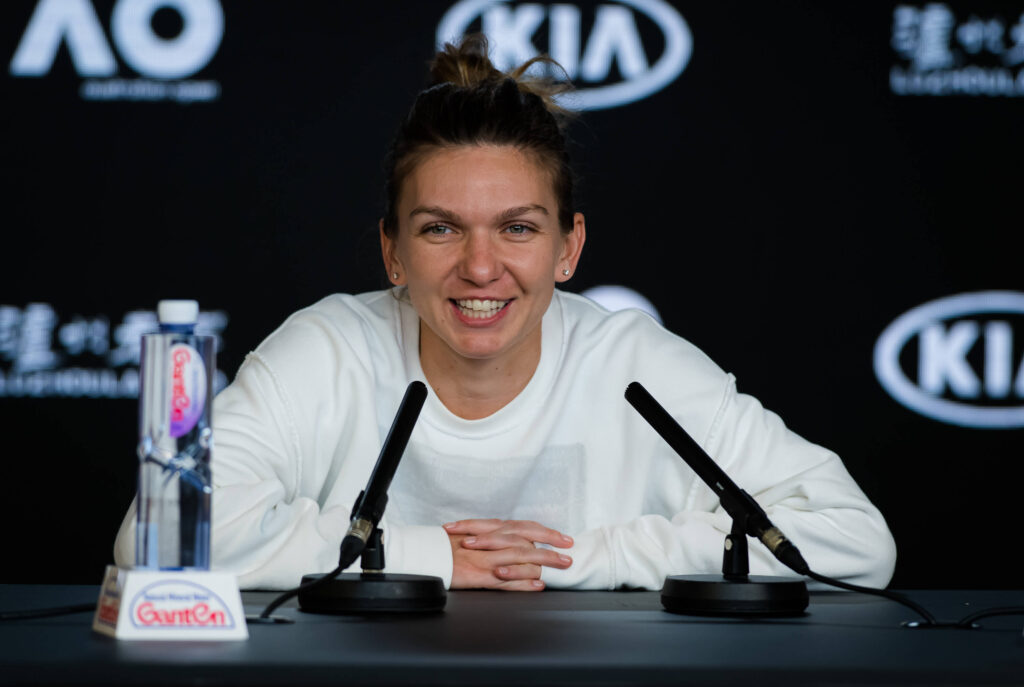
The decision made her immediately eligible to compete, but the lengthy proceedings meant that she had already spent approximately 19 months away from professional tennis.
Halep returned to the WTA Tour, although rebuilding her ranking and competitive form proved difficult.
Her experience demonstrates how an athlete can lose considerably more playing time than the final length of a sanction might suggest.
The real comeback begins in January
These cases illustrate the different outcomes awaiting athletes who return after disciplinary suspensions. Some successfully rebuild their careers and reach the highest level again, while others discover that the physical and competitive demands have changed too much during their absence.
For Henry, the first challenge is to convince Maccabi that he still possesses the qualities that once made him one of the EuroLeague’s most distinctive guards.
The second, considerably harder challenge will be translating those qualities into meaningful contributions against Europe’s best players.
January 13, 2027, will mark the end of his suspension, but not necessarily the completion of his comeback.
That moment will arrive only when Henry steps onto the court for another official game, almost four years after his last appearance for Baskonia.
Whether that happens in a Maccabi uniform remains to be seen. What is already clear is that his attempt to return will test the limits of what an experienced professional can recover after spending nearly four years away from the sport.