










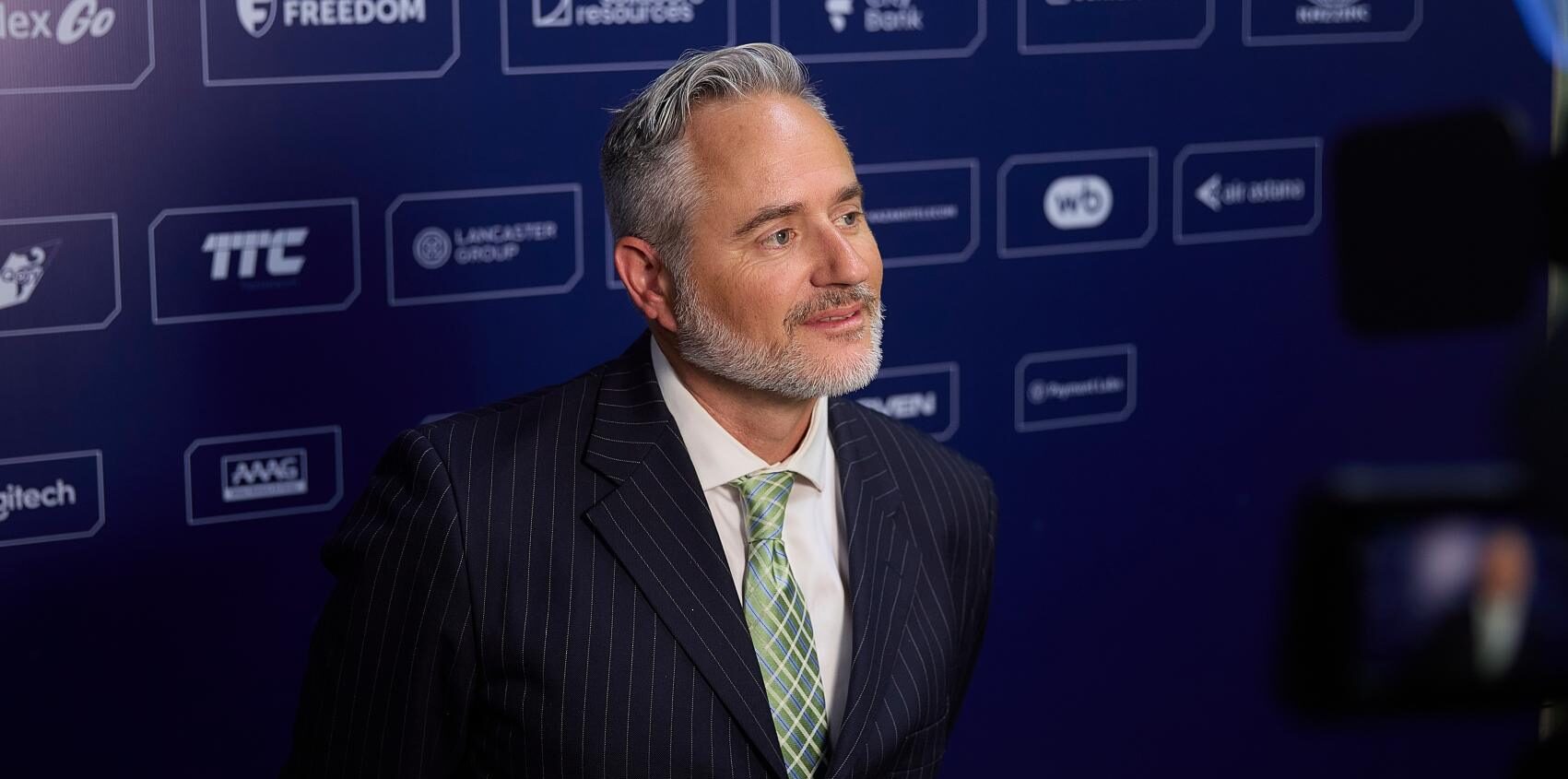

At the Games of the Future 2026 in Astana, SKWEEK sat down with Dan Merkley, CEO of Phygital International, to explore how phygital sport is bridging digital and physical worlds, redefining competition and shaping the future of the game.


Combining digital competition with physical performance, phygital introduces a new sporting model where esports skills and athletic ability come together in a single competitive experience. As the sports landscape continues to evolve, this emerging movement is aiming to create new pathways for athletes, engage younger generations and redefine the way we understand competition.
In this exclusive conversation, Dan Merkley explains why phygital should not be viewed as a replacement for traditional sports, but as a natural evolution of competition. He discusses the rise of a new generation of athletes who move seamlessly between digital and physical environments, the importance of developing new talent pathways, and the potential social impact of reconnecting young people with physical activity and real-world interaction.

From the role of major sports organizations to the long-term vision of creating phygital centers around the world, Merkley shares his perspective on how this movement can grow beyond competition and become part of the future of sport. For Merkley, the message is clear: the future is not about choosing between digital and physical — it is about bringing them together.
Bringing together two different worlds
What sets the Games of the Future apart from any other sporting event?
When you compare it with other major international multi-sport events, one of the things that truly sets the Games of the Future apart is the combination of physical competition with digital play. It brings together two different worlds, creating a new type of sporting experience where digital and athletic performance are equally important.
But what also makes the Games of the Future unique is the wide range of competitive entertainment it embraces. We include esports, featuring some of the most popular and most-watched titles in the world, while also showcasing emerging tech sports such as drone racing and robot battles.
The Games of the Future was never intended to be just a world championship for phygital sports. The name itself reflects a much broader vision — one that allows us to include different forms of technology-driven competition and continue expanding the program.
Our goal is to keep evolving alongside youth culture, technological innovation and the way people today play, compete, connect and socialize. The Games of the Future brings all of those elements together in one global platform.
For a sports fan who questions whether phygital is a “real sport,” what would you say to change their perspective?
The first thing I would say is: come and watch it. Come and experience it for yourself. Because time and again, we have seen that the best competitors — the ones who reach the highest levels of success — are those who can excel in both environments.
To dismiss phygital as not being a real competition or a real sport would be a mistake. The emotion, intensity and drama that people associate with traditional sports are all there. If you watch a high-stakes Phygital Football or Phygital Basketball match, you will see the same passion and excitement from the crowd that you would expect from any major sporting event.
What makes phygital unique is the way the competition unfolds. The digital phase comes first, with teams competing for a defined period of time and carrying that score into the physical stage. That creates an entirely new layer of strategy and drama.
At that moment, the game enters a different dimension. A player who dominates the digital side may not necessarily have the same advantage when the competition moves to the court. Teams must then rely on different skills, different strengths and different types of athletes — either to protect their lead or to fight their way back into the game.
That is where the real drama is created. It is not simply like reaching halftime in a traditional basketball game. It is the start of a new phase, with a new set of challenges and a completely different level of pressure.
You can be behind on the scoreboard, but if your strongest performers are better suited to the physical part of the competition, you have the opportunity to make a comeback. That unpredictability, combined with the mix of digital skill and athletic ability, is what makes phygital sport such a unique experience.
Do you see phygital as the foundation for a new generation of athletes, or as a bridge connecting the worlds of traditional sports and gaming?
There are two different ways to identify and develop talent. If you want to bring athletes into phygital quickly, one approach is to look within traditional sports communities. You could go to recreational leagues, identify athletes who also have an interest in video games, and bring that type of competitor into the phygital environment.
The other approach works in the opposite direction — bringing gamers into the world of physical competition. Our Phygital Shooting discipline is a great example: athletes compete in Counter-Strike 2 before picking up laser rifles and testing their tactical skills in a real-world environment with obstacles. This creates a pathway for video game players to enter a broader competitive sports ecosystem.
Those approaches allow us to integrate existing talent quickly, but our long-term vision goes beyond simply combining two existing communities. In five or ten years, we want to be able to speak with 18-year-old athletes and ask, “What’s your origin story?” — and hear them say, “It was always phygital.”
That is why we are promoting the development of phygital centers in different markets. A fitness center or gymnasium owner, for example, could create an additional revenue stream by developing spaces that combine digital gaming areas with physical training environments, whether that is a gaming room or a basketball skills program.
By bringing these two worlds together from an early age, we can help create a generation of athletes whose journey begins with phygital itself.
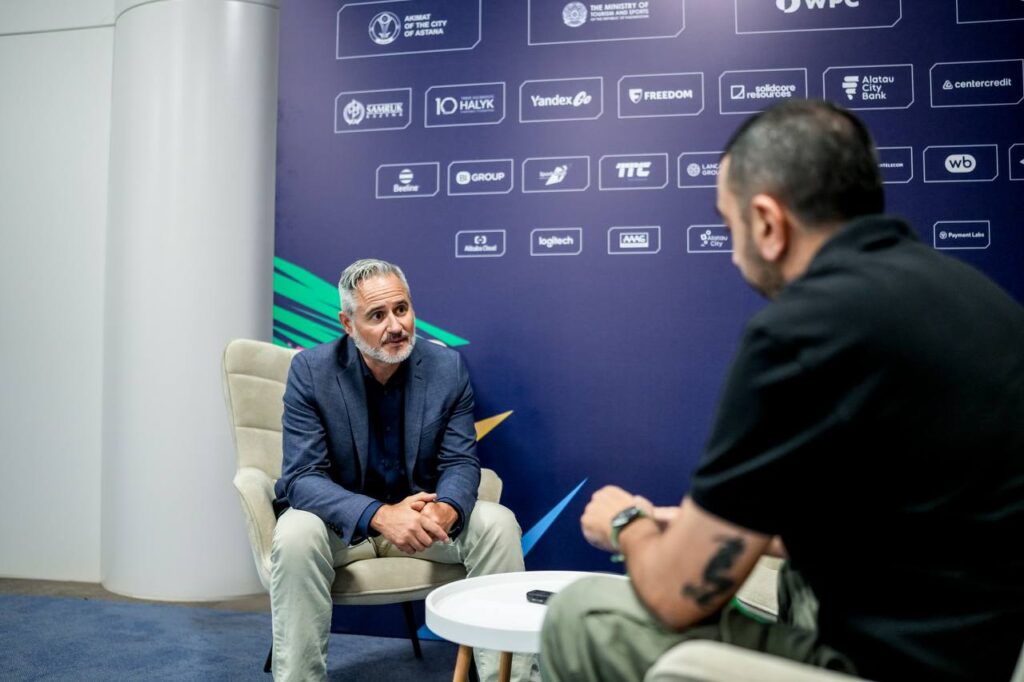
Phygital is already a natural evolution of sport
If FIBA or the NBA were to officially embrace Phygital Basketball, would you view that as the natural next step in the evolution of the sport?
We genuinely believe that phygital is already a natural evolution of sport. The next step is simply recognizing that younger generations are naturally phygital. They move between digital and real-world experiences every day, transitioning seamlessly between the two.
For young people, this connection between the digital and physical worlds is completely natural because it is part of their everyday lives. The question is: why shouldn’t sport reflect the same reality? For us, it is a natural conclusion that the future of sport, recreation and social interaction will be increasingly phygital.
What we want the world to understand is that if we are seeing a decline in physical activity or face-to-face social interaction among younger generations, phygital can be part of the solution. It does not ask people to give up the things they enjoy, such as video gaming — it simply adds a physical dimension back into their lives.
Because there are things that can only happen through real-world interaction: learning teamwork, experiencing sportsmanship, managing emotions, handling conflict and dealing with disappointment alongside opponents and teammates.
That is the social impact opportunity we believe phygital can bring to the world — creating a bridge between the digital experiences young people love and the physical connections they still need.
What would true success look like for phygital: more athletes, more participating countries, or millions of fans?
That’s a great question. Having come from the World Phygital Community side, where we worked with 115 members around the world organizing tournaments, and now being on the commercial side with Phygital International, I understand how important fans are to the growth of any sport.
But personally, my connection is still strongest with the athlete and organizer communities. If success means having more athletes involved, I would say that would be a tremendous achievement.
More athletes create a stronger competitive ecosystem. They help tournament organizers improve, they bring greater diversity to the sport and they raise the overall level of talent. They also bring their own communities with them — friends, families and supporters — which naturally helps grow the audience around the sport.
So, if I had to choose one measure of success, I would say athletes. Building a larger and more diverse athlete community is what will ultimately help phygital continue to grow at every level.
Is phygital aiming to redefine the way future generations understand sport and athletic performance?
Yes, I think our goal is to expand the conventional understanding of what sport is and what it means to be an athlete.
We see esports and traditional sports as partners, not competitors. We need both worlds, because they each bring something valuable to the future of competition. Phygital is about creating a space where these different forms of skill, performance and entertainment can come together.
What we hope to achieve is for traditional sports communities and their federations to look at phygital for what it truly is: a form of genuine competition. We want them to recognize the people competing in phygital as real athletes, with the dedication, preparation and competitive mindset that define athletes in every other sport.
Ultimately, the goal is not to replace traditional sport, but to broaden the way we understand competition and create new opportunities for future generations of athletes.
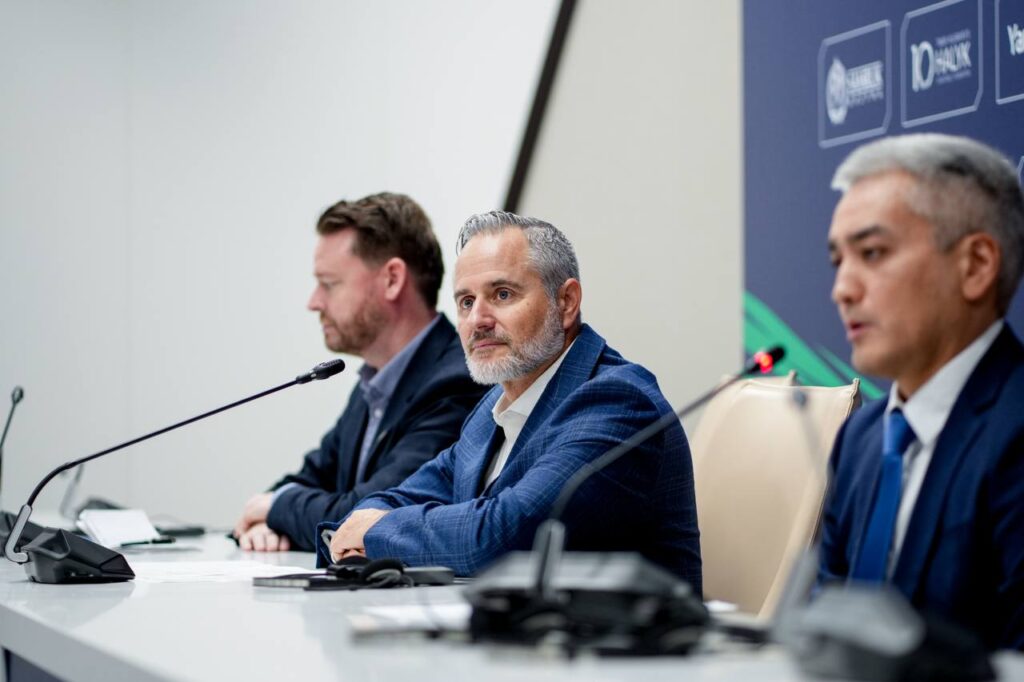
Come and see what we are building
What is the biggest challenge phygital will need to overcome in the near future?
The biggest challenge is breaking through the noise and making sure people see and understand what phygital represents. There are so many different ways for people to spend their free time, their money and their energy, so gaining attention is a major challenge for any emerging movement.
I have tremendous respect for our members who have been willing to be pioneers alongside us — investing their time, resources, passion and commitment to build something from the ground up.
Beyond its commercial potential, phygital also has a meaningful social purpose. It can be a powerful tool for parents, communities and public institutions to encourage healthier lifestyles and help bridge generational gaps.
Ultimately, we believe phygital is not only an opportunity to create a sustainable new form of competition, but also a positive contribution to society and the way future generations connect, play and live.
Twenty years from now, when someone writes the history of phygital, what is the one sentence you hope will define what you achieved?
In one sentence: that phygital served humanity as a milestone toward creating more harmonious human beings — people who are in balance with the tools they use and the environment around them.
How would you like to finish this conversation? What is your final message to the global sports community about phygital?
If I had the opportunity to speak directly with leaders of international sports federations or sports ministries — the people who help shape the future of sport around the world — I would say this: you are very welcome to come and see what we are building.
Come, experience it for yourself. Sit down, learn about what is happening, meet with your local World Phygital Community member and see how phygital works in practice.
We are here, and we invite the sports world to take a closer look. Come and see it — because it works.