




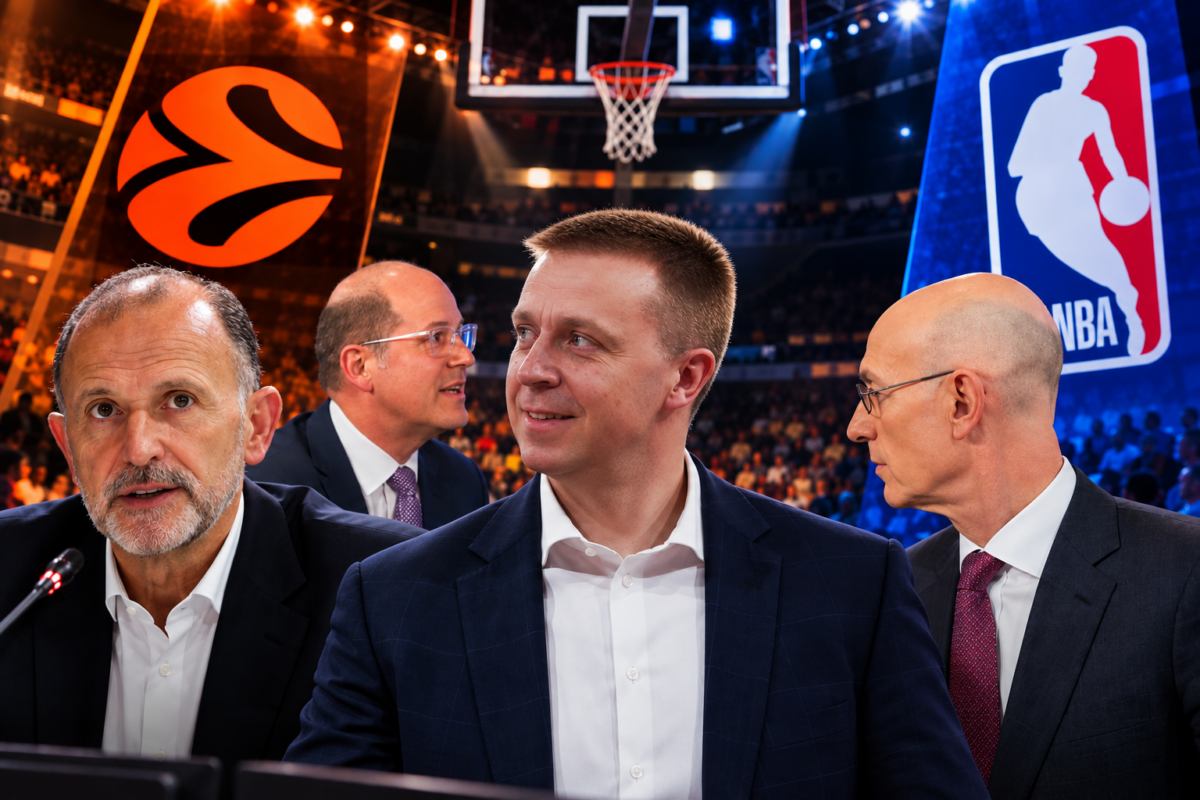
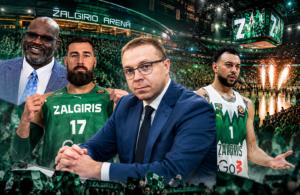


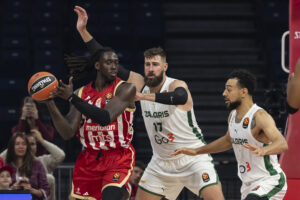
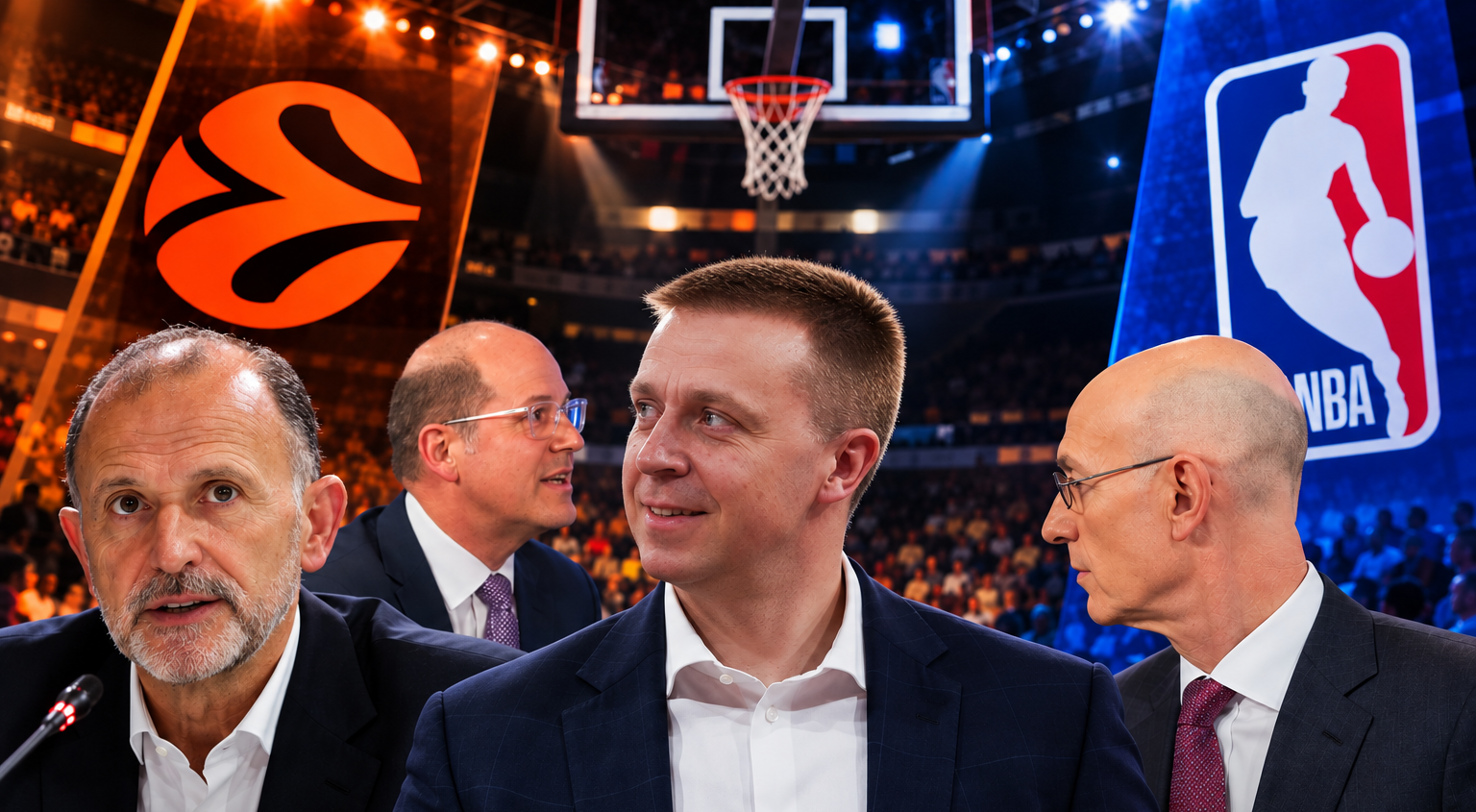
European basketball is approaching one of the most consequential periods in its modern history, and Paulius Motiejunas has experienced the forces reshaping it from both sides of the table.


For three years, the Lithuanian executive ran Euroleague Basketball at a time when the competition was expanding commercially, entering the Middle East, dealing with investment funds and confronting the emergence of the NBA’s European plans. Now back at Zalgiris as its majority shareholder, Motiejūnas can discuss those issues without carrying the daily responsibilities of the EuroLeague CEO.
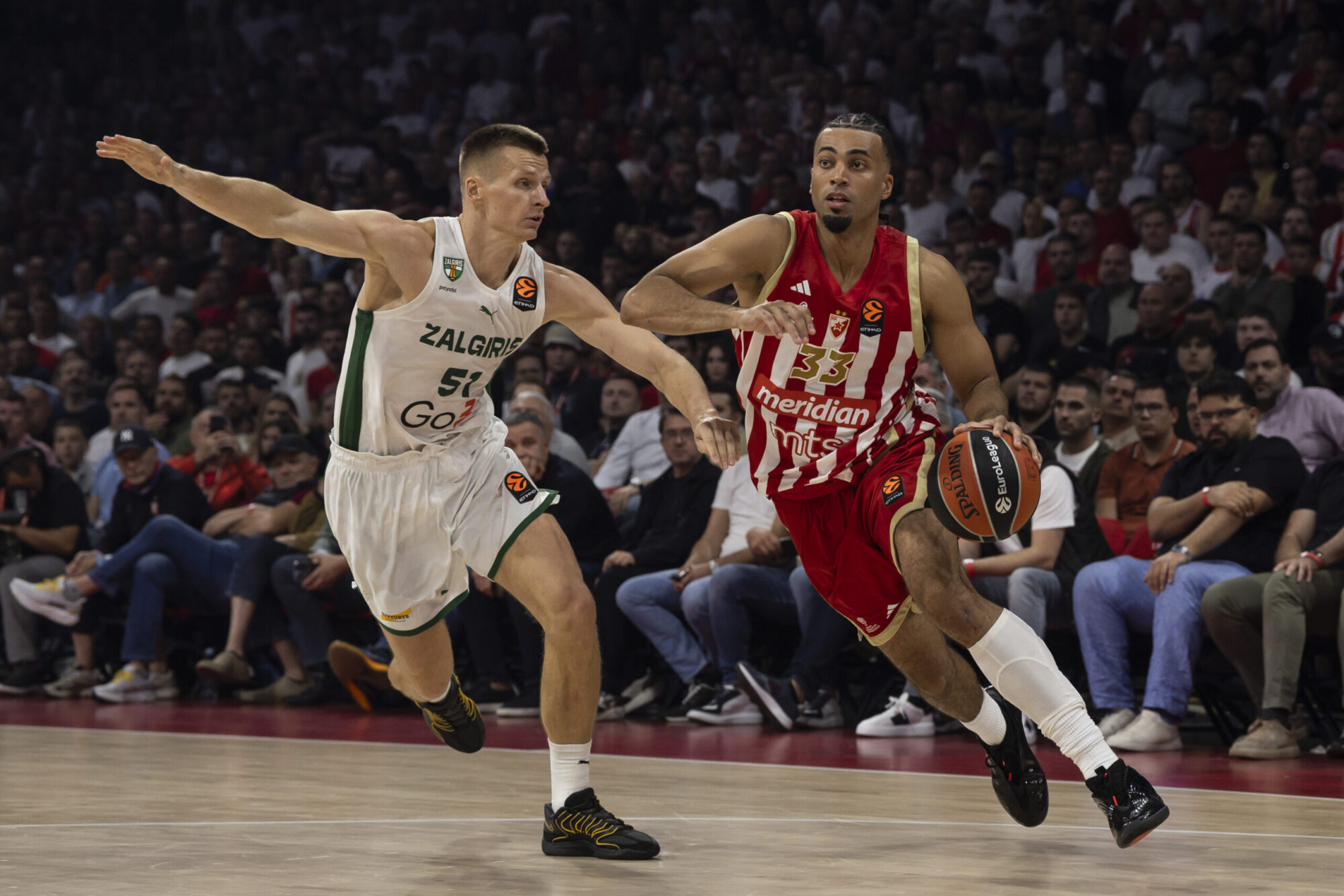
His assessment of the market is striking. Player salaries, he believes, are growing too quickly, with NBA two-way contracts, the G League, NCAA/NIL money and wealthy new European owners simultaneously competing for talent. The financial regulations EuroLeague began implementing during his tenure, he acknowledges, are no longer sufficient on their own.
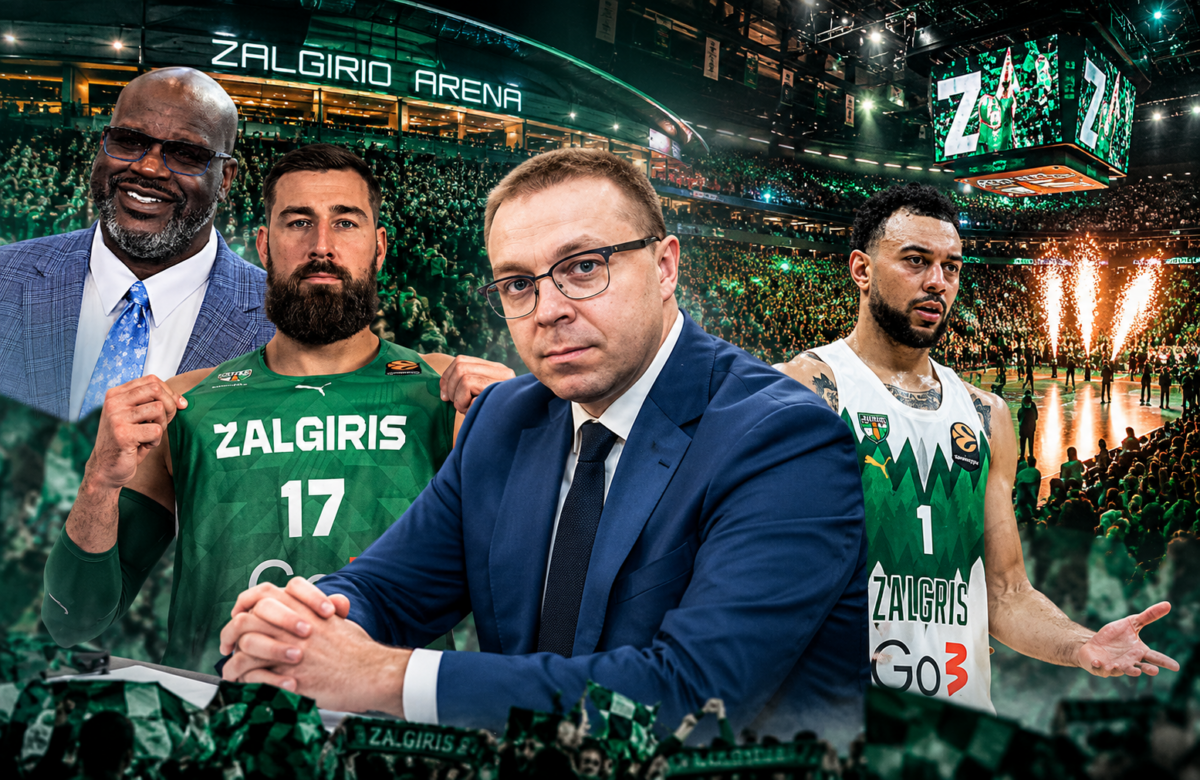
The bigger issue, however, is what the European basketball ecosystem itself becomes.
Motiejunas reveals that he actively tried to build a partnership between EuroLeague and the NBA while serving as CEO. His verdict is unusually direct: “I tried to do it and I failed.” Yet he has not abandoned the concept. He argues that two competing elite competitions would benefit neither side and continues to regard cooperation as the logical outcome, provided Europe protects the clubs, traditions and fan bases that have built its existing product.
At the same time, he remains convinced that EuroLeague itself must evolve. Motiejunas supports expansion from 20 to 24 teams and believes a conference system is the only realistic way of doing it without further overloading the calendar. Historic clubs attracting new investment — including PAOK and Aris in Greece — could eventually become part of that wider ecosystem, although he stresses that money alone guarantees nothing.
From what he learned as EuroLeague CEO to Chus Bueno, NBA Europe, the upcoming owners’ meeting, financial regulation, infrastructure, governance and the future of Lithuanian basketball, Motiejunas lays out his view of where the European game is heading — and what it must protect along the way.
A market “going a little bit out of hand”
You’ve watched the European player market from both a club and EuroLeague perspective. Has it fundamentally changed over the last two or three years?
Yeah, it’s going a little bit out of hand, I would say, especially this summer.
There are a couple of problems. One is that there are two-way contracts now with the NBA and the G League, and it’s difficult to get players who are close to EuroLeague level to come and play and stay in the EuroCup and then grow in the EuroLeague.
And then, of course, the NCAA and the NIL contracts disturb the market as well, especially for us, where we have young guys who would sit on the bench and grow. Now everybody wants to go to the NCAA and they get paid crazy money, and that’s not helping.
And of course, like you said, we have new big-pocket owners coming in and trying to get the same guys, and the market is growing, I would say, too fast.
Normally, when you hire people, you don’t increase salaries as much as you do here. You can have one good season and your salary can be three or five times bigger than it was before. So it’s difficult to handle.
I know we tried in the EuroLeague to build this salary cap and financial fair play regulations. But, to be honest, we can see that at this point it’s really not enough and we need to take another step forward.
Is there something in particular you had in mind but didn’t get to implement?
No. That was step one. And step two was postponed, as I understand.
But there are people who are talking to ELPA [The EuroLeague Players Association], who are discussing with ELPA, who are working on the full budgeting, analysing how the other leagues work. It’s not easy.
But no, I don’t have anything in particular. We need to discuss it internally and decide how we move.
Competitive balance and the business of basketball
Is EuroLeague’s competitive balance becoming healthier because more clubs are ambitious, or more difficult because the financial gaps are increasing?
I think there are a couple of teams that are not catching up, and we can clearly see it in the table, in the standings and in the budgets.
But it’s a good competition because you have to adjust and you have to maximise the revenues that EuroLeague helps you bring.
How can clubs actually maximise those revenues? How did Zalgiris do it in Kaunas?
Don’t hurry, don’t go crazy, but step by step.
You need to create a good show. It’s not only coming to the game and watching the team, because then you depend on winning and losing. You need to give something extra to the fans.
We took care of our merchandise. We took care of our in-game presentation and halftime shows. It has to be a nice event for people to come to. And I think this comes from first improving the management of the clubs and not only the sporting side.
So I think we need to understand that we need to pay attention to that.
What three years as EuroLeague CEO taught him
You spent three extremely intense years running the EuroLeague. Now that you can look at that period from the outside, what did the job teach you that you simply could not understand when you were only running a club?
It’s a completely different way. Even though it’s basketball, it’s a completely different approach.
I tell everyone: I was in the federation for two years, I was in the league for three years and I’m in the club now, after a break, for quite some time.
Even though you think you know the game, you know the people, you know the rules, your position is different and people act with you differently. The decision-making is different. So it was interesting to see that path, to understand and to adjust.
You get to see the bigger view of basketball from different angles. I don’t know, maybe now I need to see it from the referee’s point of view, or somebody sitting at the desk putting the stats, but that would also be a different view.
It’s good to see how the clubs are run, how the leagues are run, how the federations are run, because all the work in EuroLeague was trying to put all the pieces together and make everybody work towards the same goal and move forward.
Would you be interested in seeing basketball from yet another perspective?
No, no. I’ve seen enough.
I’m happy to be now a little bit away from the day-to-day, seeing it from the shareholder’s side. And I enjoy the view from here.
Is there anything you would do differently if you started that job again tomorrow?
When you start the job, you always come with a mentality of, “How hard can it be?” Now I see how hard it was.
I understand things much more differently and much more than I did before.
So it would be a completely new start if making a decision. But no, I wouldn’t do anything differently because you come in and you don’t know, and as you grow, you learn.
So I was happy to have a chance to see it, to grow with it. We did many good things together and I’m happy to have been part of it.
Could you name one thing that made you wiser — something you didn’t know beforehand?
It’s not one thing.
It’s being in another city, working with a different mentality of the people, being in Spain, moving there and adjusting. That’s one.
Then unlocking the Middle East. We went with the Final Four. We brought the team from Dubai. So that’s also not a European mentality. That’s a different mentality because you go to a different continent.
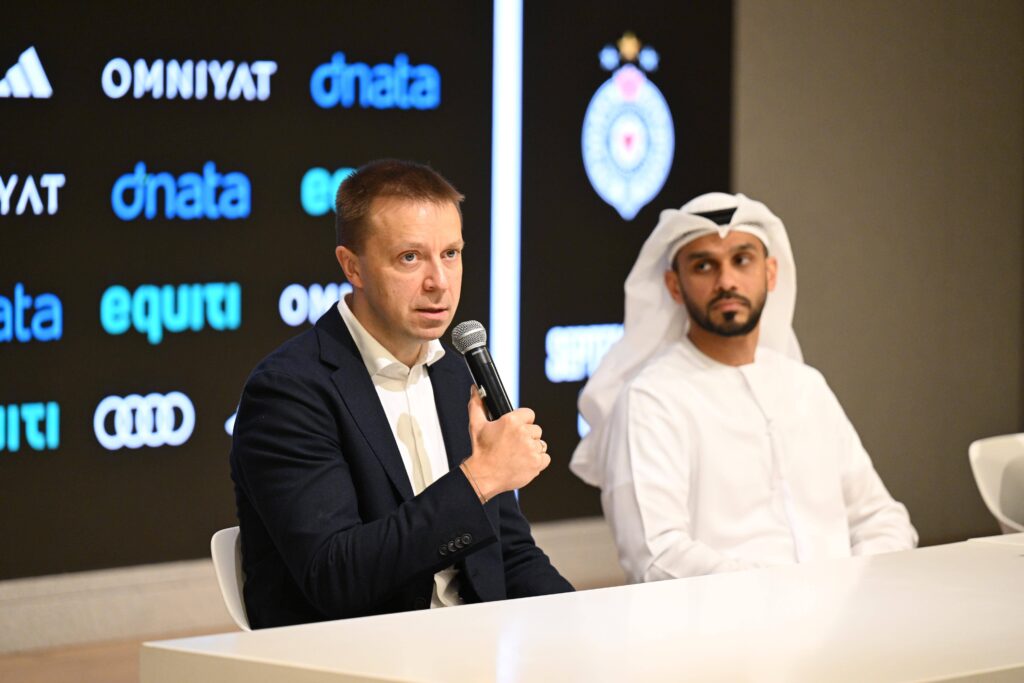
And then also, we tried to do the investment for the league. So that was an interesting project, to talk to different investment funds and create a pitch.
Then we changed the way sponsorship was being done. We moved away from Turkish Airlines, who were a great partner for us. It was difficult to let go, but we completely changed the way things were done.
There were really many issues, and even the NBA came up. So it was a big storm to handle, but it’s good. It’s what I like.
Chus Bueno and the next EuroLeague era
How do you assess the direction EuroLeague has taken under Chus Bueno so far? Do you see continuity with the work you started?
He’s been there for seven months. The people around him are more or less the same in the office.
So I wish him all the best. It’s not an easy job and it’s not an easy time, but everything is good.
When you were CEO, your position on NBA Europe became quite firm. You repeatedly argued that cooperation was possible, but Europe should not simply allow an outside organisation to dictate its future. Now that you’re speaking as a club shareholder rather than EuroLeague CEO, has your position changed at all?
I repeat the same thing. We are strong as EuroLeague. There’s always room to partner together, and I tried to put this partnership forward. I tried to do it and I failed.
But this partnership is about both sides winning because it’s two sides: EuroLeague and the NBA.
So if you do a partnership, if you marry, you think it would be better for both. So if there’s a good pair for both, I was always a fan of this. If it’s only good for one side, then why do it?
Being from the club, I repeat to you what I said at the beginning: if we stay united, we have a really strong product here and we need to protect that product and, if possible, we need to grow that product.
If it’s with the NBA or without the NBA, this is the question. But we all work in sports, we all work in basketball, so we need to protect basketball and we all need to grow it.
Could you expand on the “I failed” part? Which part didn’t work out as you had initially hoped?
I wanted to have a deal, but we don’t have a deal. So let’s see how it goes.
Was there something specific that prevented it?
No, no, no. It’s not this. I think it takes more time and Chus hopefully is the right guy. He’s been on both sides and let’s see what tomorrow brings.
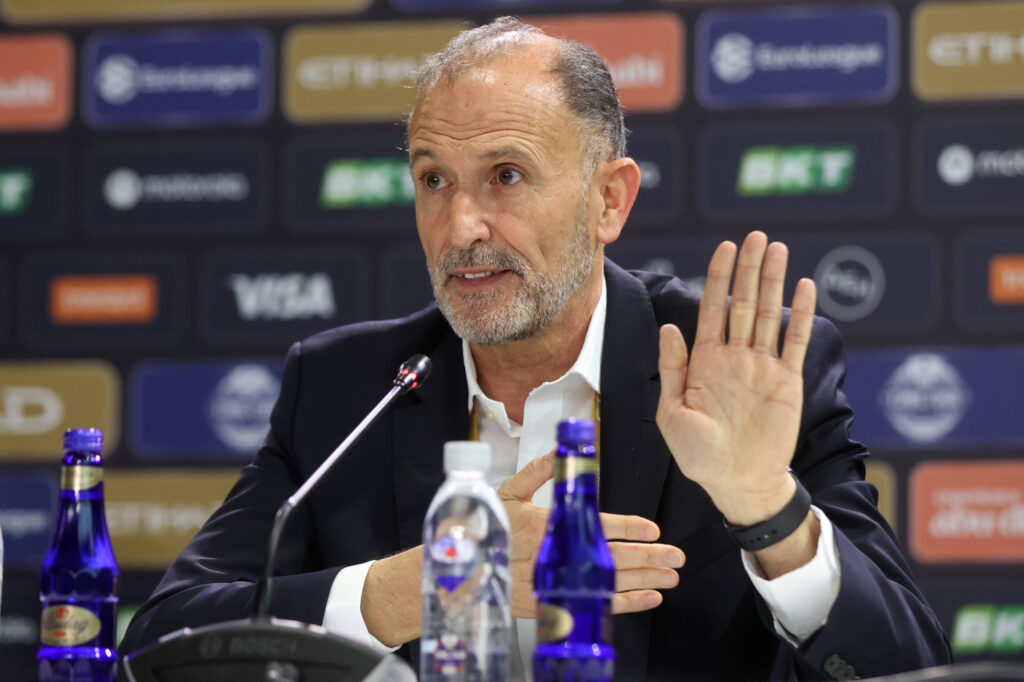
Now that NBA Europe is no longer just an abstract idea, if it launches and significant investment enters European basketball, what happens next? Can Europe realistically sustain two competing elite competitions?
It’s not good to have two competitions. This rivalry will not help anyone.
So we need to be careful with what we do, both sides. And like I said, unity is the key for us and partnership is the only way forward. I will say these political slogans. I will not go into the details because I wish I had a crystal ball and I could say what the future is.
But for sure, I’m still hoping and positive that we will find a way forward together.
A 24-team EuroLeague
Do you still believe 24 is the right number for EuroLeague?
Yes, for sure. We are ready for this. I’m sure there would be 24 same-level, competing teams to play.
If you were redesigning the competition today, would a conference system be the best way to accommodate 24 clubs without adding even more games?
Yes, this is the best way forward.
We did all the math and the calculations. That’s the only way forward to grow the league and go into conferences if we want to grow the number of teams.
I think there are four more teams, for sure, that would play EuroLeague and be competitive.
PAOK, Aris and new investment
We’re seeing new investment and renewed ambition in traditional basketball markets. In Greece, for example, PAOK and Aris are trying to rebuild themselves into much bigger projects. Should EuroLeague create a clearer route for clubs like these to eventually reach the top competition?
I think the EuroCup is a good way forward because it’s not as big of a risk step, and I think it works well.
So if there’s new investment, if there’s new ownership, why not? It’s a great example with PAOK and Aris. Big names, big history and, with good management, why not?
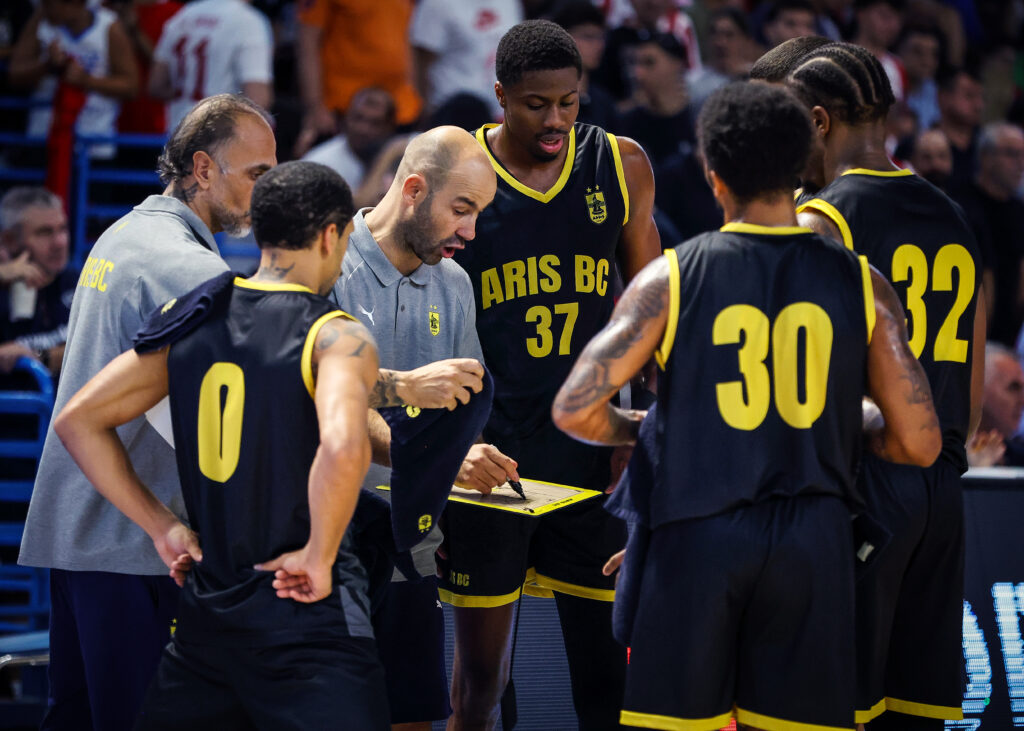
Have you looked at the details of their projects and how they present themselves in the European market?
Only on the EuroCup level, the information that was sent.
But what’s on paper… paper can take anything. Let’s see how they handle the season. They have great coaches, they spend a lot of money and they hope to have good results.
But basketball is a funny thing. It doesn’t always work as we planned. And let’s hope… it’s all about sustainability and patience.
How many years did it take Olympiacos to repeat the winning of EuroLeague? But they were patient, they were persistent, they were always fighting. The same with Panathinaikos. It’s up and down. Same with Fenerbahce.
I just hope that these owners come in understanding that there will be wins and losses, but you have to stay behind the club and continuously try to grow.
The owners, unity and the meeting in Como
How important is the EuroLeague owners’ meeting in Como on October 5?
Let’s see. It’s the first time after many, many years that we have the owners coming in, so we’re really looking forward to that.
Of course, there are big things on the table to discuss. I don’t think one meeting will be enough, but it is a good start to sit down and see how we move forward.
What do you hope comes out of that meeting?
Open discussion. We sit down and have an open discussion.
Always, and even to this day, the strength of EuroLeague is the unity. The unity of the founding clubs, the unity of the clubs who participate in the league.
For sure, time shows that there will be differences and there will be changes. We need to manage it with huge responsibility because, like with Ζalgiris, I told you I need to protect more than 80 years of history. With EuroLeague, we need to protect 26 years of history, and not only the fan bases of Ζalgiris, but the fan bases of Olympiacos, Panathinaikos, Maccabi, Fenerbahce etc.
So we have to analyse, we have to not hurry to make quick decisions. But I really hope that the core of this meeting will be: how do we make basketball even more attractive to the fans? How do we grow the business? And how do we protect the passion that we have?
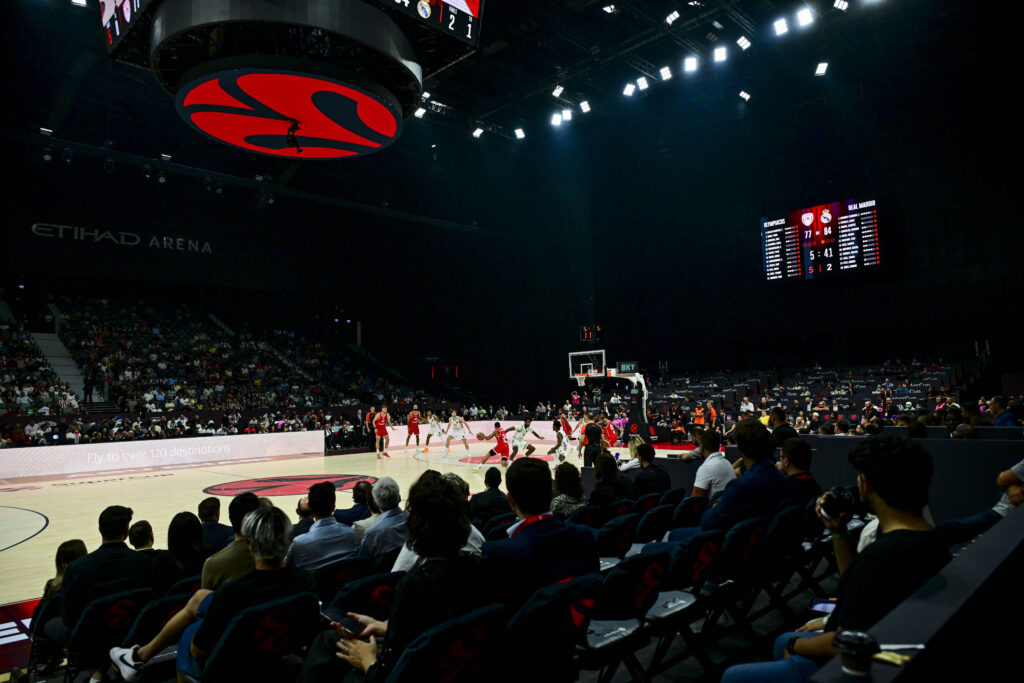
Has that unity ever genuinely been in doubt?
We extended the licences for 10 years. So I think there’s less doubt than there was half a year ago.
So things are getting better?
Yes, definitely.
What European basketball is missing
Having experienced basketball as a fan, club executive, shareholder and EuroLeague CEO, what is the biggest thing European basketball is missing today?
I would say governance and infrastructure. We need to increase, as I said before, the clubs’ involvement in arena management.
I wish the NBA model, where the club owns the arena and the city helps them build the arena, would be everywhere in Europe because that means that the clubs would be more sustainable.
And then with that comes better management because then you’re not only worried about the sporting results. You care more about filling the arena, ticket sales, merchandise etc. So that’s how the whole business of basketball kicks in in a stronger way.
So I would say: first get infrastructure, then the management, and then we’re good to go.
Lithuania’s place in the future
What needs to change for Lithuania to remain influential rather than simply historic in European basketball? Who should lead that change: the federation, Zalgiris, the domestic league or private investors?
Zalgiris was always the biggest flagman, the biggest influencer.
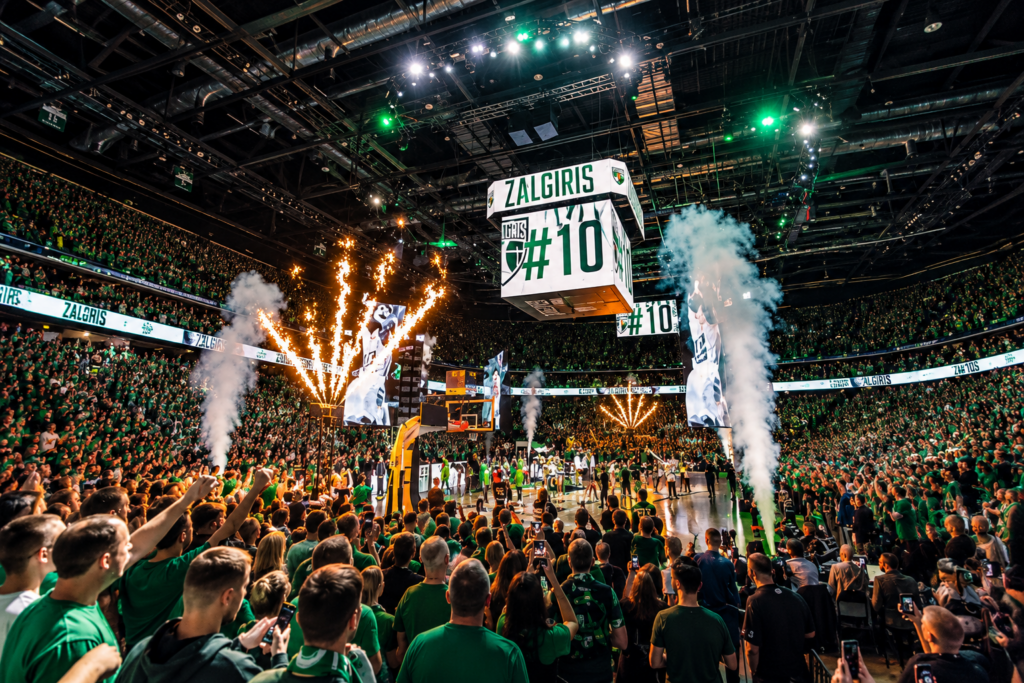
Mostly because it plays in EuroLeague, so that’s the top, top competition in Europe that you can have. So the fans see 10 months of top competition in the arena, with 42 sellouts.
So to continue, we need to show the same positive example. The federation has to join and the league has to join. So it’s everybody working together.
I know it sounds like a cliché, but if everybody starts to put their egos a little bit to the side and focus on basketball and have the same vision to grow basketball — whether it’s the NBA, whether it’s clubs in EuroLeague with each other, whether it’s in Lithuania, the federation and the league — basketball will grow.
It’s easier said than done. But this is the only thing.
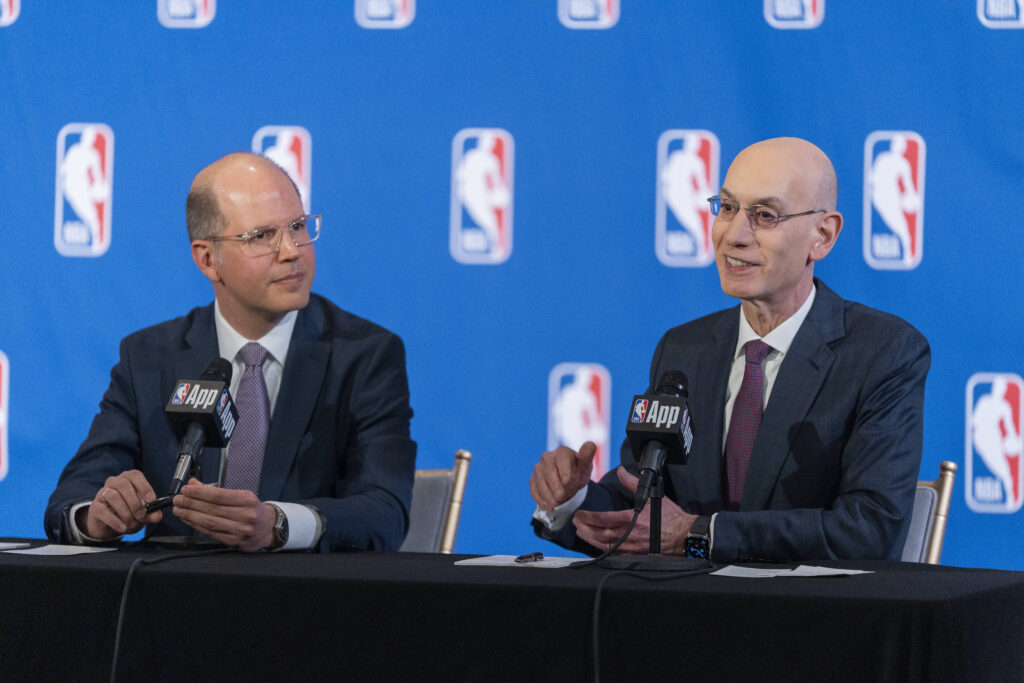
If the NBA ultimately enters the European market, what position should it hold? Could it be a shareholder, a partner or become part of the league?
I cannot answer you this. It’s a great brand. They have the best basketball league. There are many things we can learn from them. I think there are things they can learn from us as well.
We just need to sit down and have the same goal.
Finally, what makes you most optimistic about the future of European basketball?
I’m always optimistic. The game is growing, the fans are there, the numbers are good.
Let’s just hope and enjoy it.