




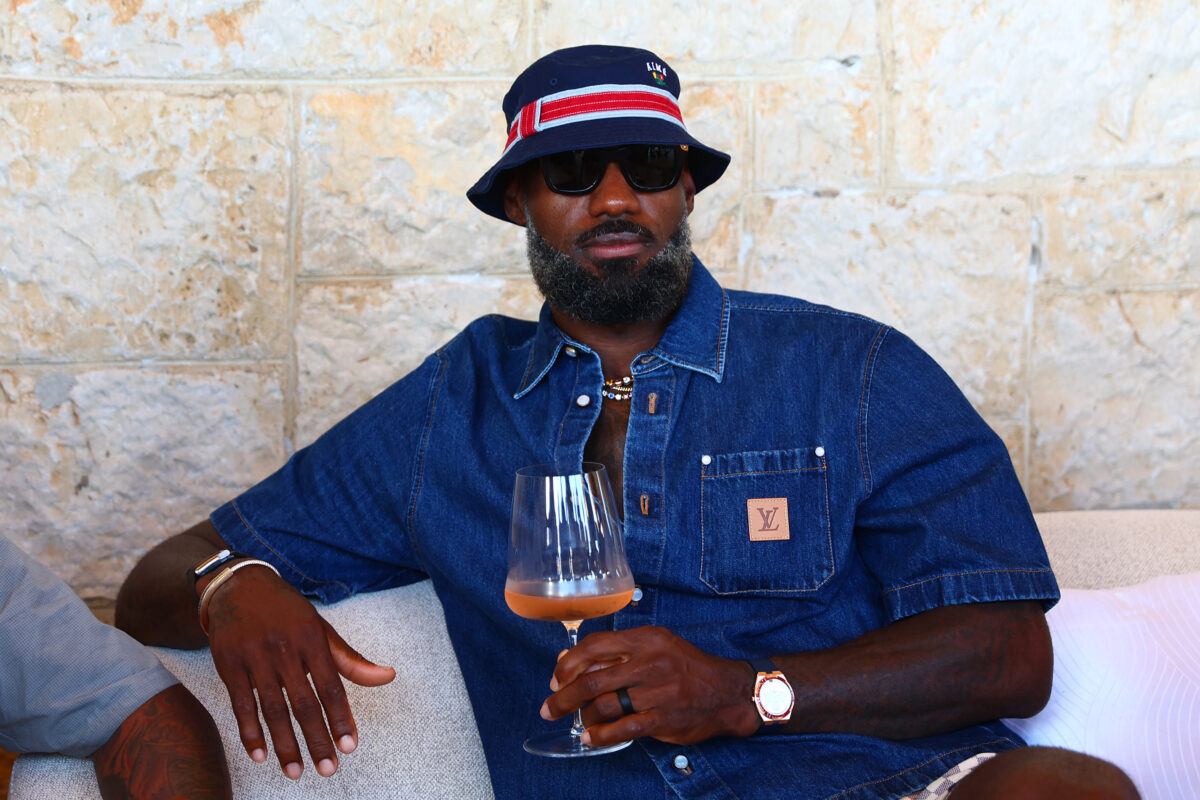

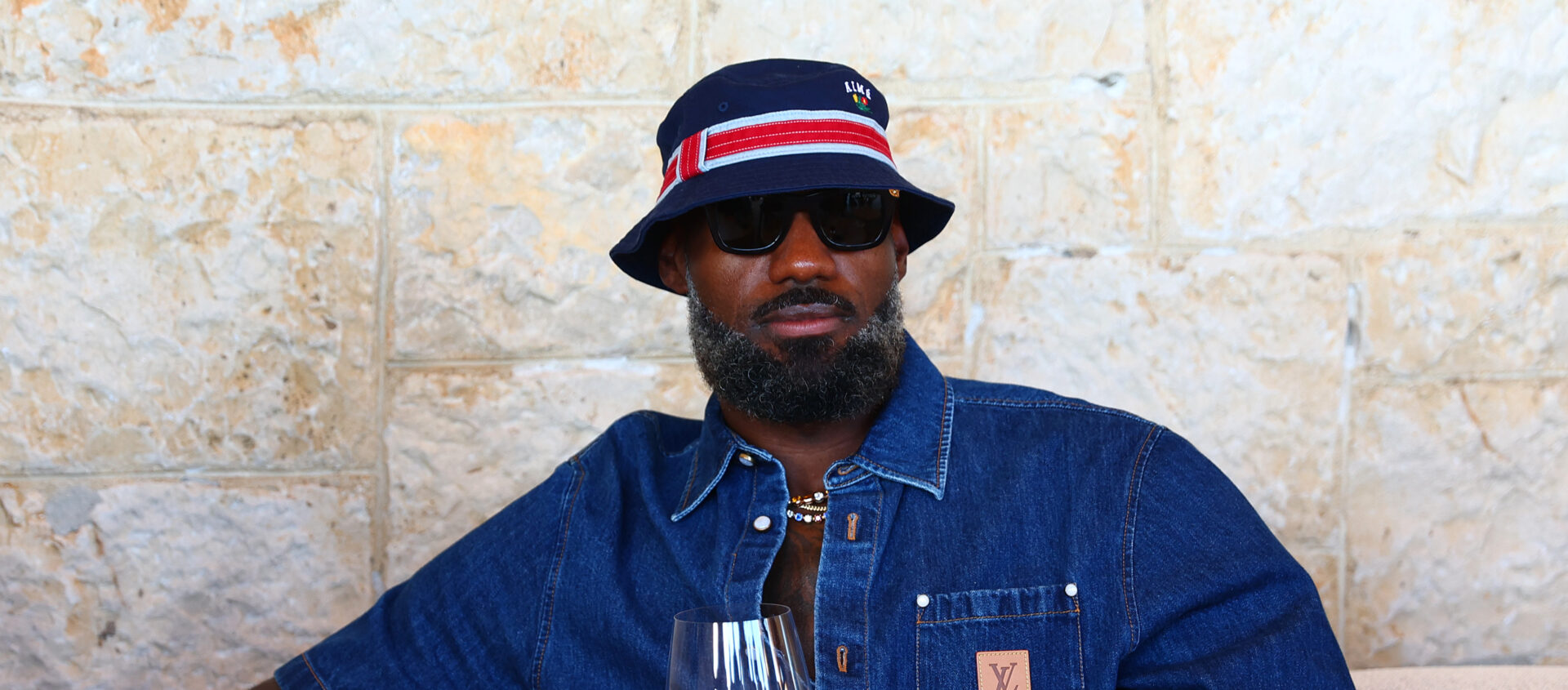

LeBron James has spent more than two decades watching almost every move he makes become a story. Now, as the conversation about how much longer he has left in the NBA grows louder, he has started creating a space where he gets to decide what the audience sees and hears. His first move might seem a little unexpected: launching his own YouTube channel devoted to golf.


For the first video, he brought together Kevin Love, J.R. Smith, Richard Jefferson, Tristan Thompson and Channing Frye, members of Cleveland’s 2016 championship team, took them to Scotland and played a round of golf in front of the cameras.
What came out of it was more than 90 minutes of old locker room stories, wine, memories of their time together and enough friendly trash talk that you do not need to care much about golf to enjoy it. The first episode topped two million views within days, while the channel, which technically has existed since 2010, quickly climbed from roughly 121,000 subscribers before the relaunch to more than half a million.
More Than Another Offseason Hobby
LeBron only started taking golf seriously last year and clearly got into it quickly, so it would be easy to see all of this as simply a new hobby for one of the most famous athletes in the world. The timing makes it more interesting. A few months earlier, his longtime friend and business partner Maverick Carter had already been talking publicly about what LeBron’s life after basketball might look like.
New episodes are expected once a month, built around well-known courses, guests, travel, food and whatever happens over several hours on a golf course. Nobody is expected to spend 90 minutes studying LeBron’s swing. Golf gives him a setting where he can bring together people he knows, talk without the restrictions of a studio interview and show parts of his life that NBA coverage rarely had much reason to reach.
Golf Gives Him the Right Kind of Format
He had already seen that there was an audience for it. In April, LeBron appeared on the popular Bob Does Sports channel, and their video drew several million views. A few months later, he took a similar idea to his own channel, where he is no longer stepping into somebody else’s format and can decide himself what that format becomes.
Golf works particularly well for that. A round lasts for hours. People walk, wait between shots and conversations wander naturally. A former teammate can be there one week, a professional golfer, actor, musician or businessman another. None of it depends on whether LeBron scored 30 points the night before, and the format does not lose its purpose once he stops playing basketball.
Making Golf More Accessible Matters to Him Too
There is a personal reason he has been drawn to the sport as well. James has talked about wanting to make golf more accessible to kids from communities similar to the one where he grew up. He has mentioned access to courses, equipment and coaching, even opportunities to work as caddies. He does not want golf to remain something that many kids see from a distance, as part of a world they were never supposed to enter.
That gives J.R. Smith’s place in the first episode some added meaning. After his NBA career, Smith enrolled at North Carolina A&T and played for the school’s golf team. Basketball had defined how the public saw him for years, and then he found something completely different he could take seriously. LeBron’s situation is much bigger, of course, but eventually he will run into a version of the same question: what fills the day when there is no next game?
LeBron Does Not Need a Television Network
Carter is already thinking about it. Back in April, he spoke openly about what LeBron could do once basketball is over. For an athlete of this stature, the traditional move once would have been obvious: join a major television network and take a seat in the studio. LeBron no longer needs to follow that route.
He and the people around him already have the production infrastructure, the staff to make high-level content and, most importantly, direct access to an enormous audience. James can choose the subject, the guests and the way he wants a story presented without having to fit everything into a television network’s programming decisions.
The Media Infrastructure Is Already There
The Shop and Mind the Game have been moving in that direction for years, just in different ways. One gave him a place for conversations with people from sports and culture. The other leaned much deeper into basketball. The golf channel feels related to both, except that it leaves much more room for LeBron the person rather than LeBron the basketball player, an identity he has carried in public since he was a teenager.
That distinction will probably matter more with every season that passes. He can already decide which parts of his life he wants people to see, who he wants sitting beside him and which stories he wants to tell himself. There is no need to wait for somebody else to turn those stories into a documentary or package them for a television interview years from now.
Jordan Found Golf Too, but in a Different Era
The Michael Jordan comparison is difficult to avoid. Golf became one of the major parts of Jordan’s life away from basketball, eventually to the point that he built his own exclusive course. Nearly a quarter of a century later, LeBron is using the same sport in a very different media environment. He can play because he enjoys it and, at the same time, turn a round with friends into something a few million people watch with him.
Preparing for the Next Chapter Before It Arrives
He still has not said when his NBA career will actually end, so the YouTube channel should not be read as some announcement that retirement is close. It says more about the fact that he does not want to reach that day and only then start wondering what comes next.
It is no secret, either, that he has ties to Florida, where golf courses are hardly in short supply. Maybe the next stage of his life eventually takes him there.