






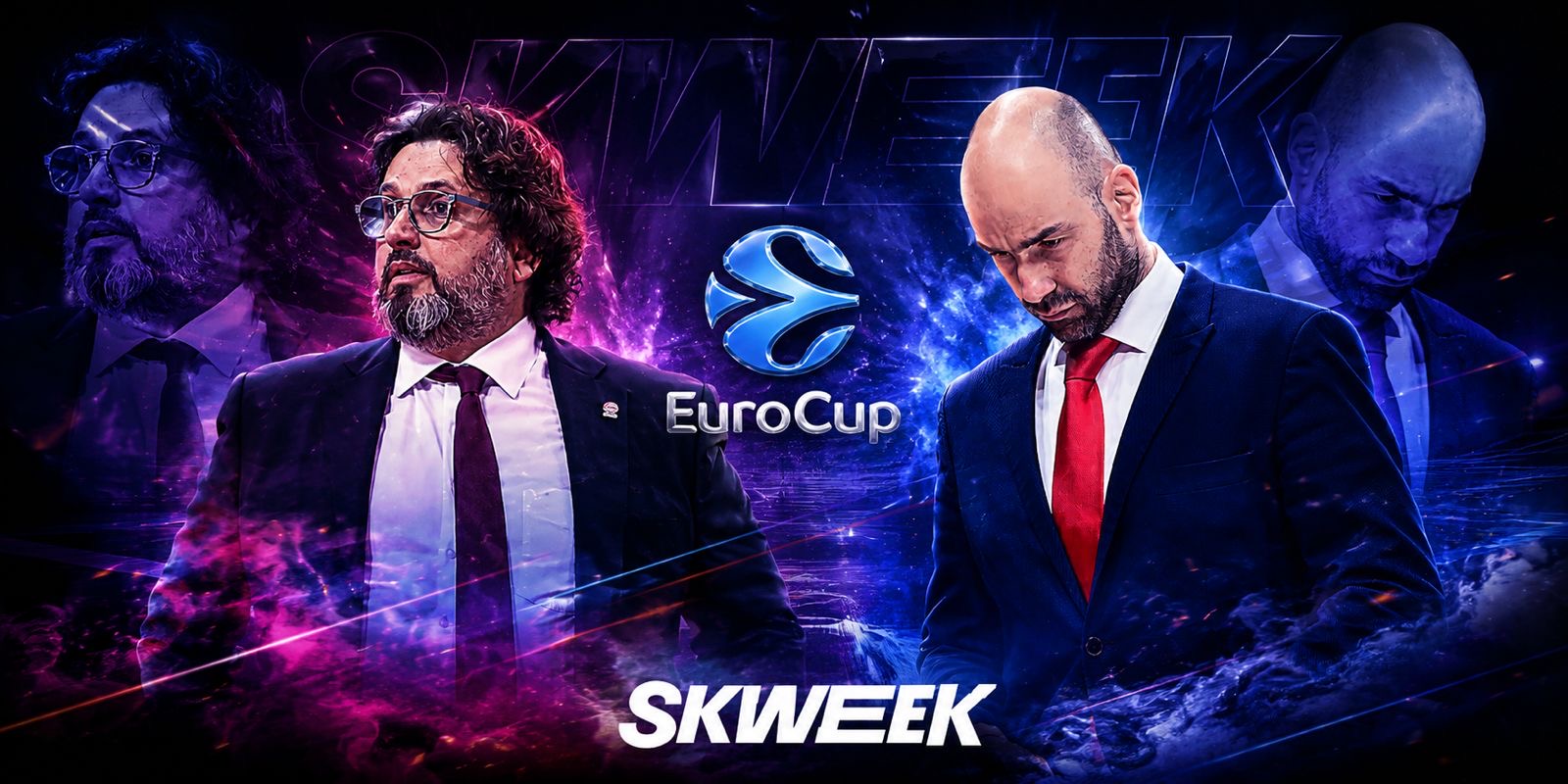

We are in the heart of summer and Thessaloniki is “sizzling” – this time, not from the heat, but from excitement. Aris and PAOK (or PAOK and Aris, whichever you prefer) have managed to captivate the entire European basketball community with their moves and the ambitious projects they are developing.


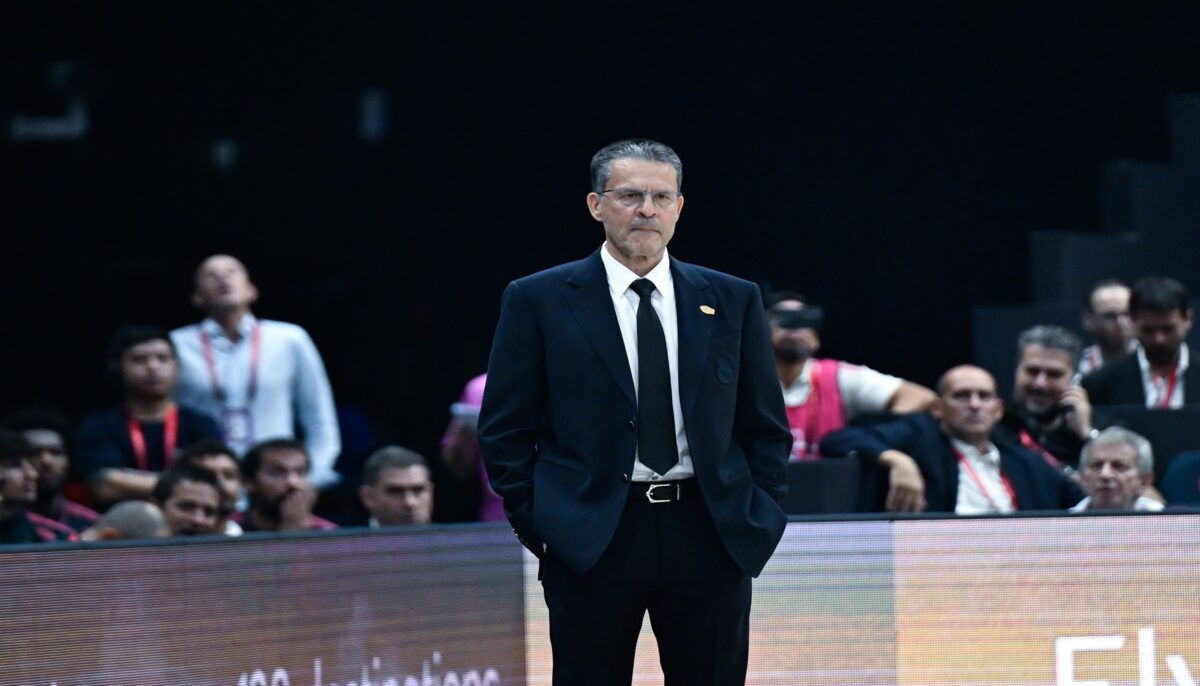
Where do we even begin? The hiring of two coaches with Euroleague-level experience? Or the eye-catching transfers that confirm a radical shift in the sporting atmosphere of Thessaloniki? The investment is clear and totally justifies the smiles.
In Greece, however, the distance between absolute enthusiasm and devastating disappointment is, historically, imperceptible. Therefore, to ensure no one is caught by surprise come winter, it would be wise to look at things a bit more calmly. Yes, the two Thessaloniki teams are strengthening impressively and building rosters that rightfully aim for the top four. But before we rush to crown them as the absolute and primary title contenders, let’s lay out the facts.
The “Unknown Variable” of the new format
This is exactly where a massive factor comes into play, one that many tend to overlook amidst the transfer frenzy: the change in the competition’s format. The EuroCup is entering uncharted waters, and the new competition system is a completely unknown variable for everyone. A new format means a different management of energy, different “must-win” games, and, above all, unpredictable matchups. The talent gathered over the summer is not enough; immense adaptability to the tournament’s new reality is required, where a stumble can cost much more than it did in the past.
The Old Continent knows basketball
A second, fundamental reason to keep our expectations grounded is that… the others play basketball, too. In fact, most European teams haven’t even made their big “splash” in the market yet. If we exclude Turk Telekom, which has moved with lightning speed and extreme aggression (McKissic, Jalen Smith, Bako, Lamb), the rest of the teams are waiting patiently.
Let’s not forget Bahçeşehir, who kept hold of Malachi Flynn, showing they have both the wallet and the desire to be a major protagonist. At the same time, Monaco might not resemble its glamorous Euroleague version, but it remains a brand you simply cannot write off. A major threat also comes from the South, as the competition features six Italian teams with high ambitions, while the “Spanish Armada” is always lurking. The three teams (Manresa, Tenerife, Burgos) come from the ACB, the best and toughest league in Europe, and everyone knows that the Spaniards always figure out how to go all the way. Finally, we must not underestimate the ever-dangerous Bourg, which operates as a talent “factory,” consistently presenting youthful, athletic, and highly competitive squads.
The Bottom Line
Nobody ever handed out a trophy in July. Everything mentioned above isn’t written to diminish the excellent work being done in Thessaloniki this year. On the contrary, it highlights the magnitude of the challenge. Aris and PAOK have a massive opportunity ahead of them. The atmosphere has changed, the talent is there, and the fans are thirsty.
The upside of it all? The fate of the Greek teams lies entirely in their own hands. If they manage to quickly “decode” the new format, steer clear of the trap of easy enthusiasm, and prove their potential on the court, then yes: Thessaloniki can once again experience the great European nights it has missed so dearly.