




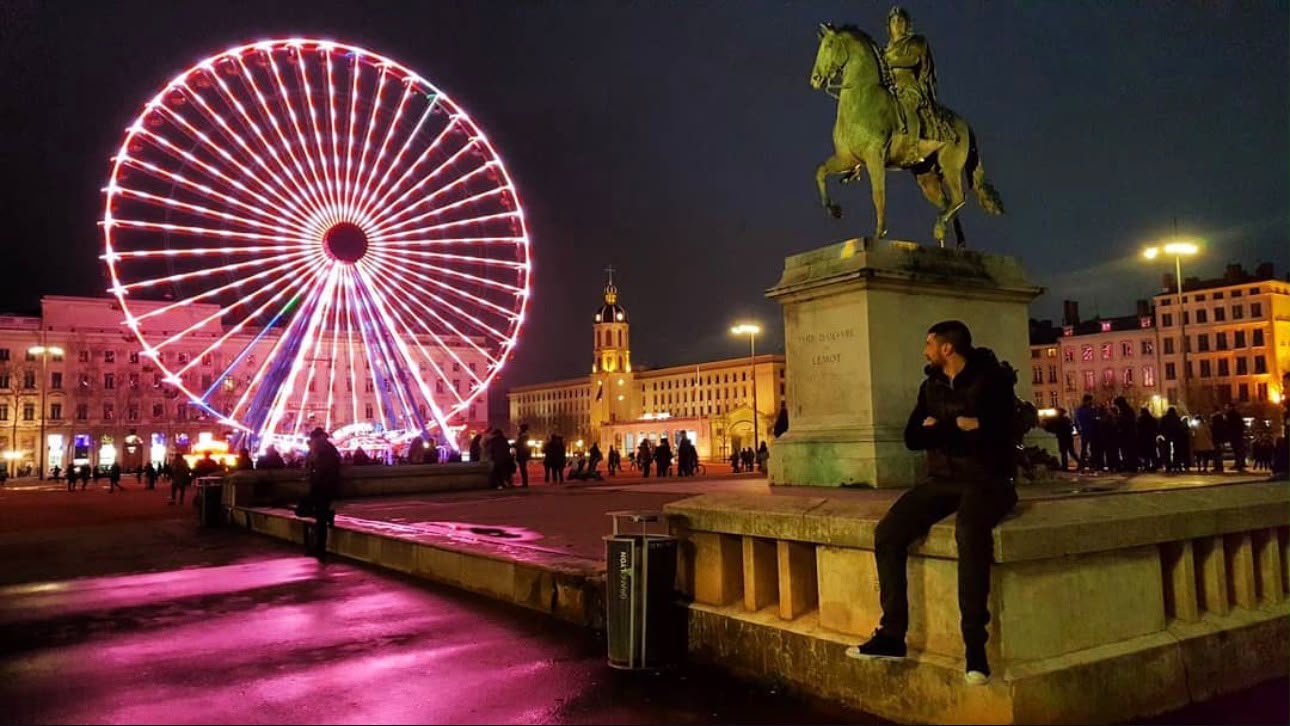

From the Baltic Sea to the deserts of Jordan. From Argentine barbecues to endless flights across the Russian Far East.


Nikola Jeftić never became a EuroLeague star, but basketball gave him something many famous players never experience – a chance to see the world from the inside.
Over a career that took him through Serbia, France, Poland, Slovakia, Argentina, Uruguay, Russia, Jordan and Iran, Jeftić collected far more than points and rebounds.
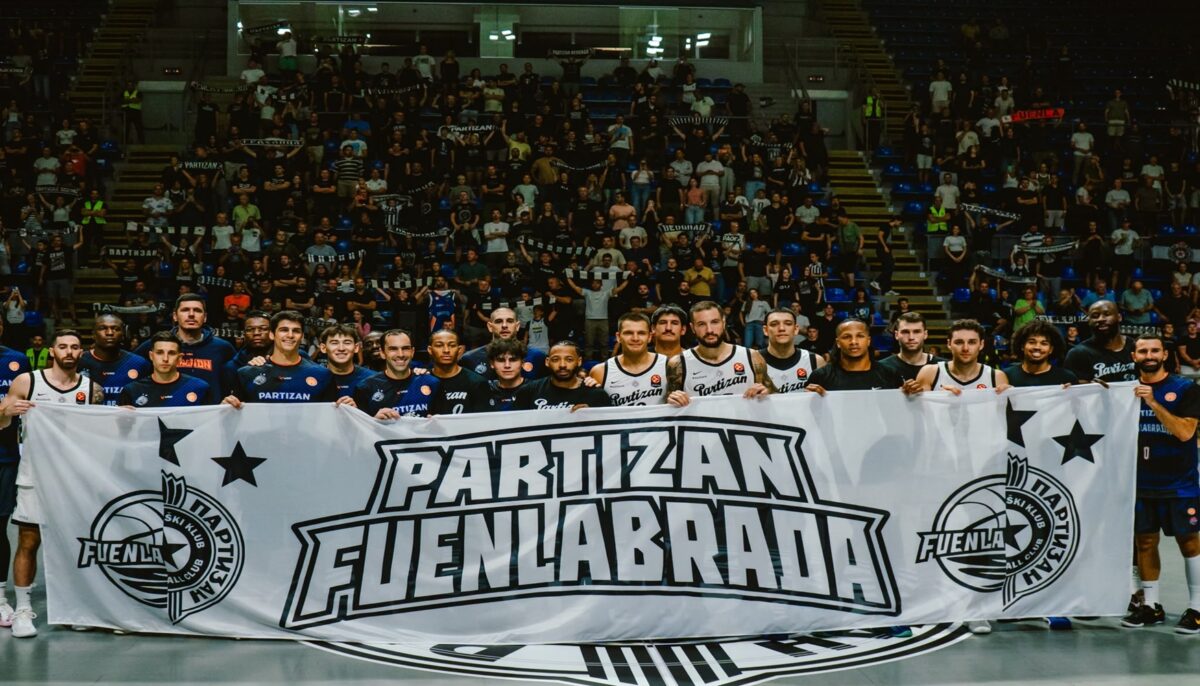
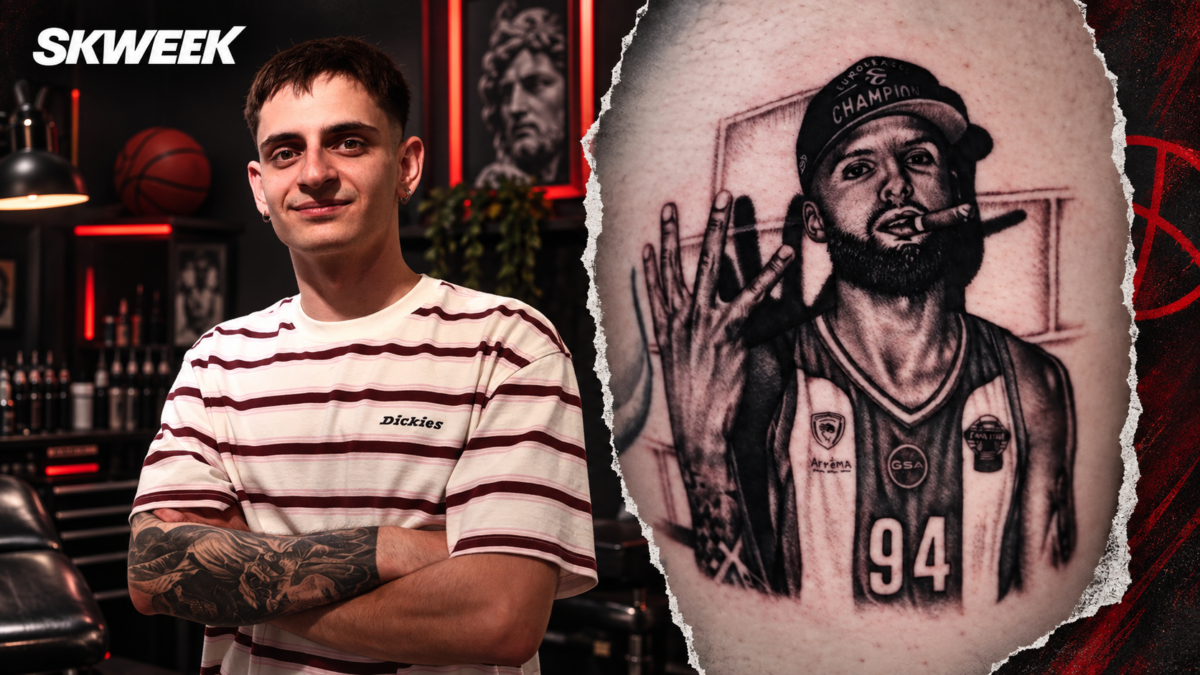
He collected stories.
Now retired at 39, the former power forward spoke with SKWeek about the most memorable chapters of a basketball journey that spanned several continents.
Poland: Active People, Growing Basketball
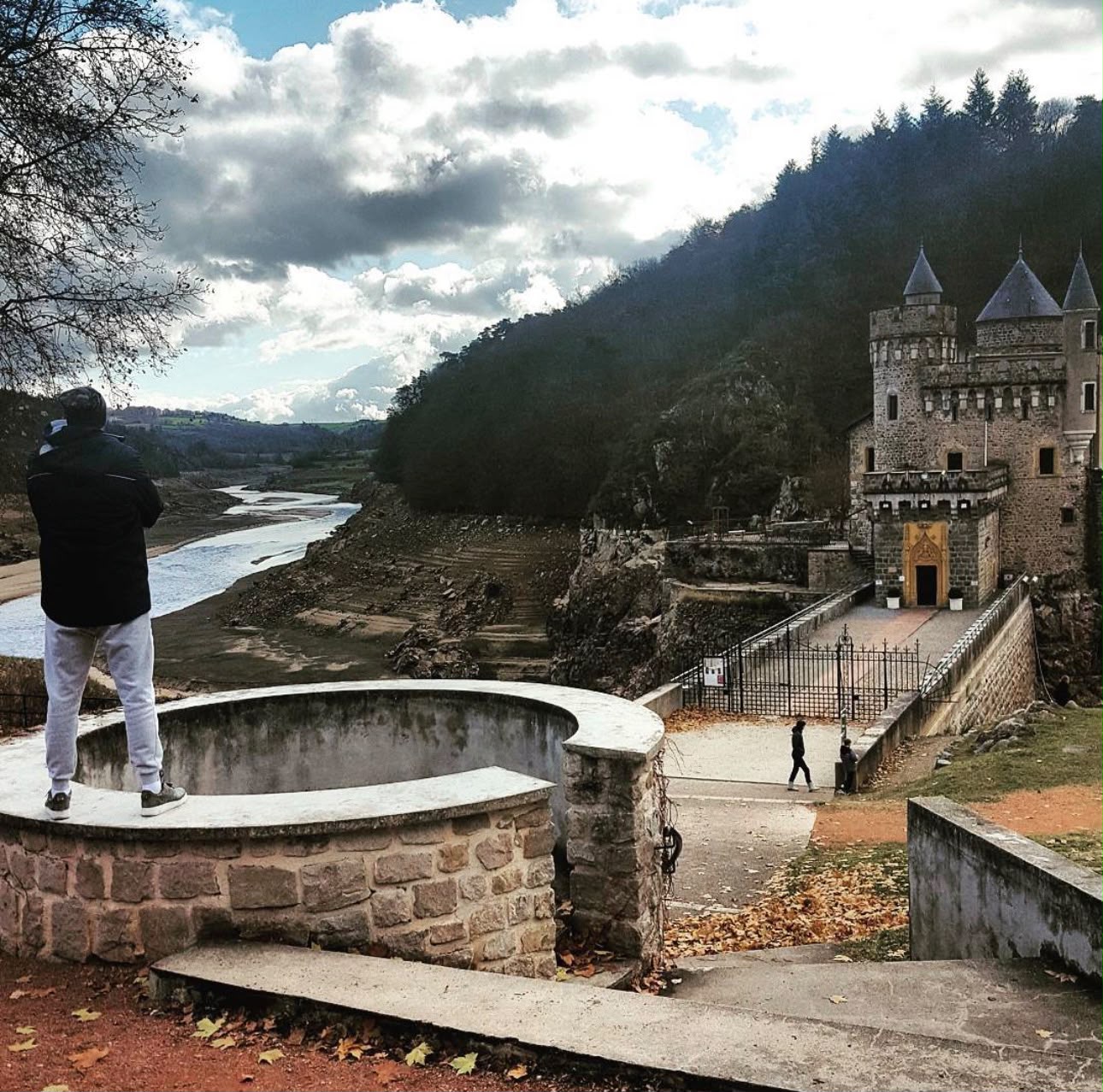
I only played in two cities in Poland, although I represented several clubs and traveled a lot. It’s a strong economy and a beautiful country.
In the north, for example, you have three connected cities – Sopot, Gdańsk and Gdynia. Beautiful places on the Baltic coast, full of students, restaurants, cinemas and nightlife. I played in Lublin, which is a huge city.
Polish people are very active. They enjoy going out for coffee or lunch, and every major city has an aquapark that stays open all year. Since you travel so much during the season, it is a great way to relax on a day off.
Wrocław and Toruń are also beautiful, especially their old towns and pedestrian zones. Wrocław is particularly charming because of the river.
Polish basketball has improved tremendously over the last seven or eight years. The league used to have only 12 teams and many Serbian players were competing there. Back then, clubs did not sign many Americans.
Today, many basketball markets are shrinking, while Poland remains financially stable. A lot of good players are heading there. Training conditions are excellent, arenas are modern and attendance is strong.
Argentina and Uruguay: Passion, Barbecues and Full Arenas
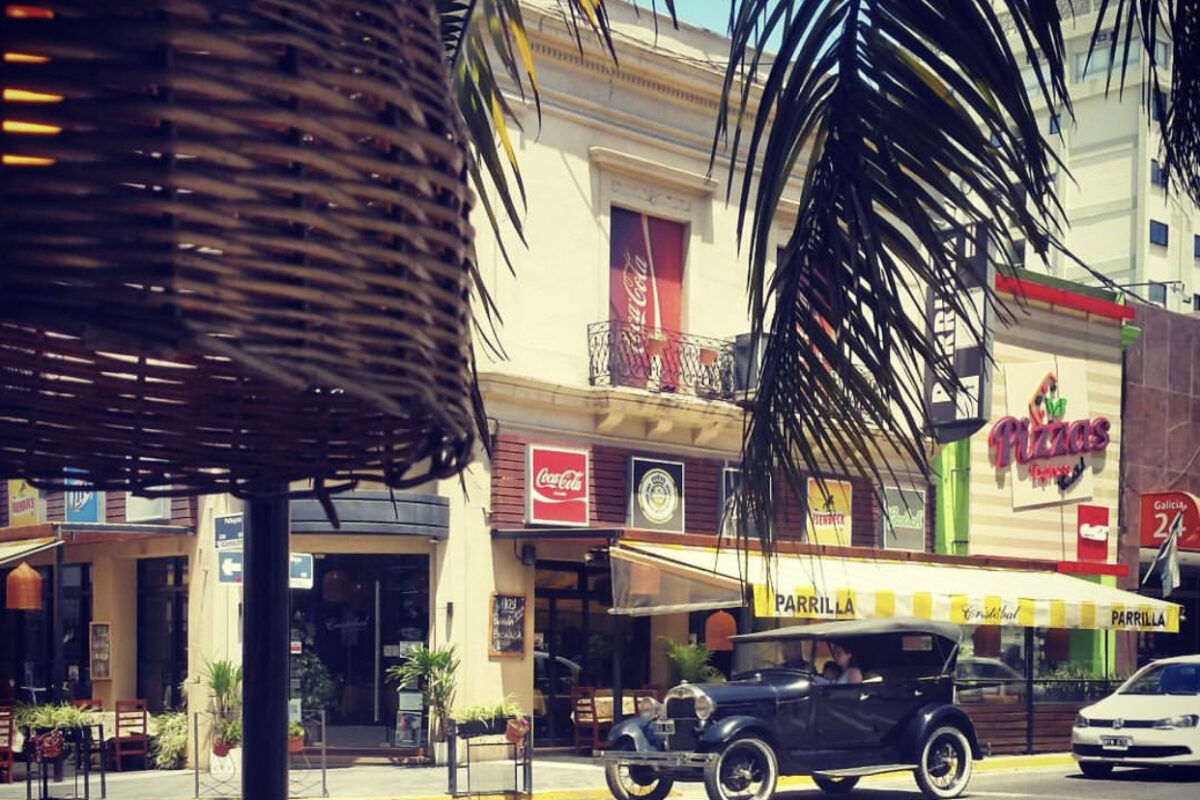
Argentina left a huge impression on me.
The culture is different from what we are used to, but at the same time Argentinians remind me a lot of Serbs. The country is a mix of Italian, Spanish and German influences. People want to spend every free moment with friends, organizing barbecues, going out and enjoying life.
They really know how to live.
Basketball fans are not quite like football fans – when football is on, everything else stops – but Argentinians are passionate about sports in general, and you can feel that passion in basketball arenas too.
My club had fantastic supporters and it was a pleasure to play there. Even the club owners insisted on spending time together, organizing dinners and social gatherings.
Uruguay was my first destination in South America.
It took me some time to understand the people there. They are a bit different from Argentinians – more fiery, sometimes provocative.
I lived in Montevideo, where almost every club is based. It is a beautiful city located on an enormous river.
When they first drove me around town, I saw water stretching to the horizon and thought: “Great, the sea!”
It wasn’t the sea. The river was simply that wide.
Uruguayans are just as passionate about sports, especially football. Fights between supporters are not uncommon. Basketball is a little wilder than in Argentina, although there is plenty of quality and many good foreign players.
The arenas are packed and the atmosphere is excellent.
One thing I regret is never managing to attend a football match while I was there. I get goosebumps watching South American football on television. I can only imagine what it feels like inside the stadium.
Jordan and Iran: More Than Stereotypes
I spent one month in Jordan and have nothing but positive memories.
I played in Irbid, the country’s second-largest city.
Traffic throughout the Arab world can be absolute chaos. Nobody seems to know who has the right of way. Sometimes it takes five minutes just to cross the street because nobody stops.
Touristically, Jordan is fantastic. Aqaba, Petra… there is so much to see.
Jordanians are friendly, open and incredibly hospitable.
Just don’t touch their religion and don’t mess with their women. Everything else they have, they will gladly share with you.
They welcomed me warmly. English was sometimes a challenge, so there was plenty of pantomime involved, but when people have good intentions, communication always finds a way.
Amman stands out from the rest of the country. It feels modern and organized. Outside the capital, the infrastructure is much older.
I arrived in Iran without any preconceived notions.
I did not want to base my opinion on what I had seen in the media. Some players had negative experiences there, but I wanted to see things for myself.
I expected something similar to Jordan.
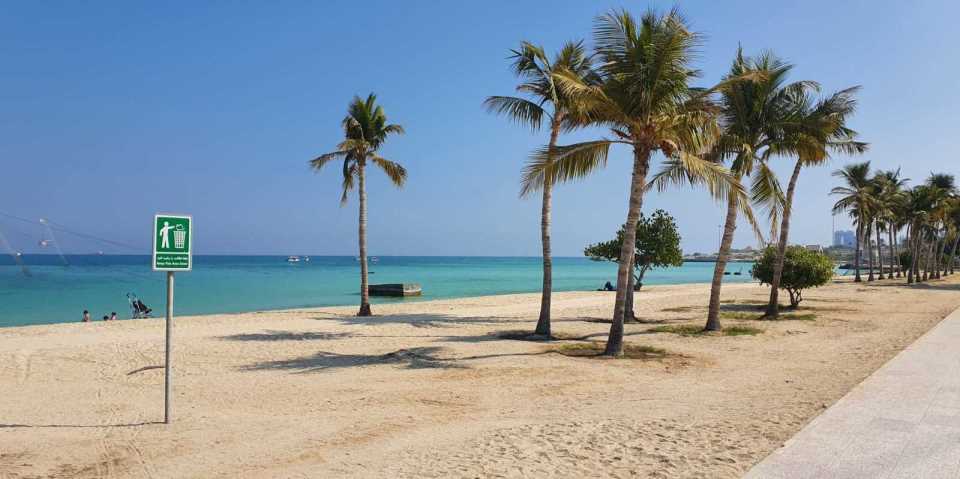
Instead, I found Tehran, one of the most beautiful cities I have ever visited.
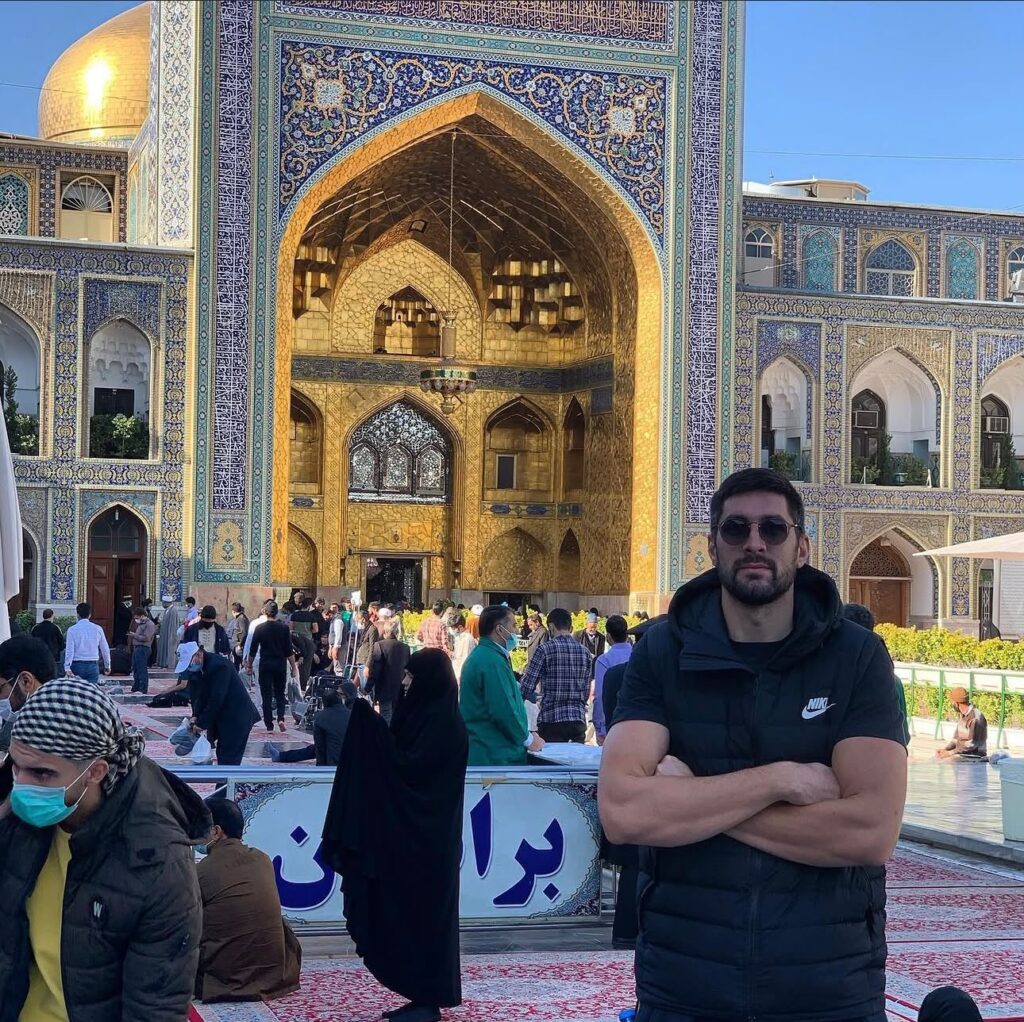
Mashhad was equally impressive. Huge city, huge crowds, and once again extremely hospitable people willing to help with anything.
Iranians love nature.
The domestic players are also stronger than in many neighboring countries and the level of coaching is higher.
My coach there was Srđan Jovanović and my teammate was Aleksandar Ponjavić. Having fellow Serbs around always makes life easier.
At the time, the dollar exchange rate was fluctuating wildly. Everything seemed cheap to us, but expensive to locals, which created frustration.
We see what is happening there today.
I sincerely hope things improve because Iran is a country blessed with enormous natural resources.
I loved my time there.
And the food was outstanding.
Snails, Asado and Unexpected Discoveries
Que sigan comiendo frutitas los demás, acá los viernes son viernes de ASADO. pic.twitter.com/Eh6Ypoqp4u
— Marian Herrera (@marianherrrera) June 20, 2026
The strangest food I ever ate?
Snails in France.
And probably something in China while traveling with OKK Beograd, although to this day I am not entirely sure what it was.
The best food, however, was in Argentina.
They are the world’s largest exporter of beef and I have never tasted meat of that quality anywhere else.
I think I eventually became annoying because I constantly wanted us to go for barbecues.
Their barbecue culture is different from ours. Every house seems to have a grill.
Actually, they build the grill first and the house second, haha.
At least that’s how it felt.
They call it asado. Large cuts of meat are cooked slowly over an open fire. It takes hours. People gather, talk, drink and enjoy themselves.
That’s what made it special.
Not just the food.
The company.
When Igor Rakočević Called
View this post on Instagram
When I was playing in Argentina, one of my teammates was Ariel Eslava.
He had previously played for Real Madrid and Baskonia alongside Igor Rakočević.
One day he asked me whether I knew who Rakočević was.
Of course I did.
At the time, Igor was playing for the Serbian national team and was one of the best players in the EuroLeague.
Later that day Ariel drove me back to my apartment.
As I was getting out of the car, he handed me his phone.
“Say hello.”
I picked up.
“Hi, it’s Igor.”
We chatted for a bit before he told me:
“Ariel is a great guy. He’s just a little uncoordinated. Be careful around him – once he injured me during warmups.”
Later Ariel told me stories about Igor.
For example, if he accidentally injured a teammate in practice, he would show up the next day with a laptop as an apology.
Ten Time Zones and a Fight in Russia
View this post on Instagram
I played on Sakhalin Island, north of Japan, in the far eastern edge of Russia.
Middle of nowhere.
Every road trip felt like a different universe.
The time difference with Moscow was ten hours.
You lived in a permanent state of jet lag.
I remember flying to Moscow on the night of December 21 and arriving there on the morning of December 21.
After a while, you no longer know what time it is or even what day it is.
You take sleeping pills, try to trick your body, do whatever you can.
Eventually, though, the jet lag always wins.
The Russians were a bit crazy too.
In a good way.
A lot like us.
They like Serbs and the languages are similar enough that communication comes naturally.
One final story.
I won’t mention the club or the people involved because it happened inside a locker room and I never liked spreading those kinds of stories.
Still, enough time has passed.
We had an American player on the team. Things weren’t working out. The club wanted to terminate his contract, but it was fully guaranteed and he refused to leave.
He kept showing up every day.
Our coach was a fiery former player.
One day the coach pulled him aside for a conversation in the weight room.
The rest of us were sitting in the locker room.
Then we heard banging.
Loud banging.
We rushed out.
The coach was slapping the player.
A full fight broke out before we managed to separate them.
Life After Basketball
View this post on Instagram
Throughout my playing career, I was preparing for what would come after it.
The biggest challenge I faced was learning how to overcome myself.
Negative emotions often defeated me before I learned how to deal with them.
Loneliness.
Sadness.
Homesickness.
Self-doubt.
Helplessness.
Like everyone else, I had to find ways to navigate those feelings.
For years, I searched for knowledge and tools that could help me understand myself better and deal with whatever surfaced emotionally.
Today, that is my profession.
I work with people and help them reconnect with their bodies, become more aware of their own potential and use physical activity as a tool for personal growth.
I openly share my experiences and the lessons I have learned throughout my journey.
My goal is simple:
To help people find ways to help themselves and make the most of the energy they have.