






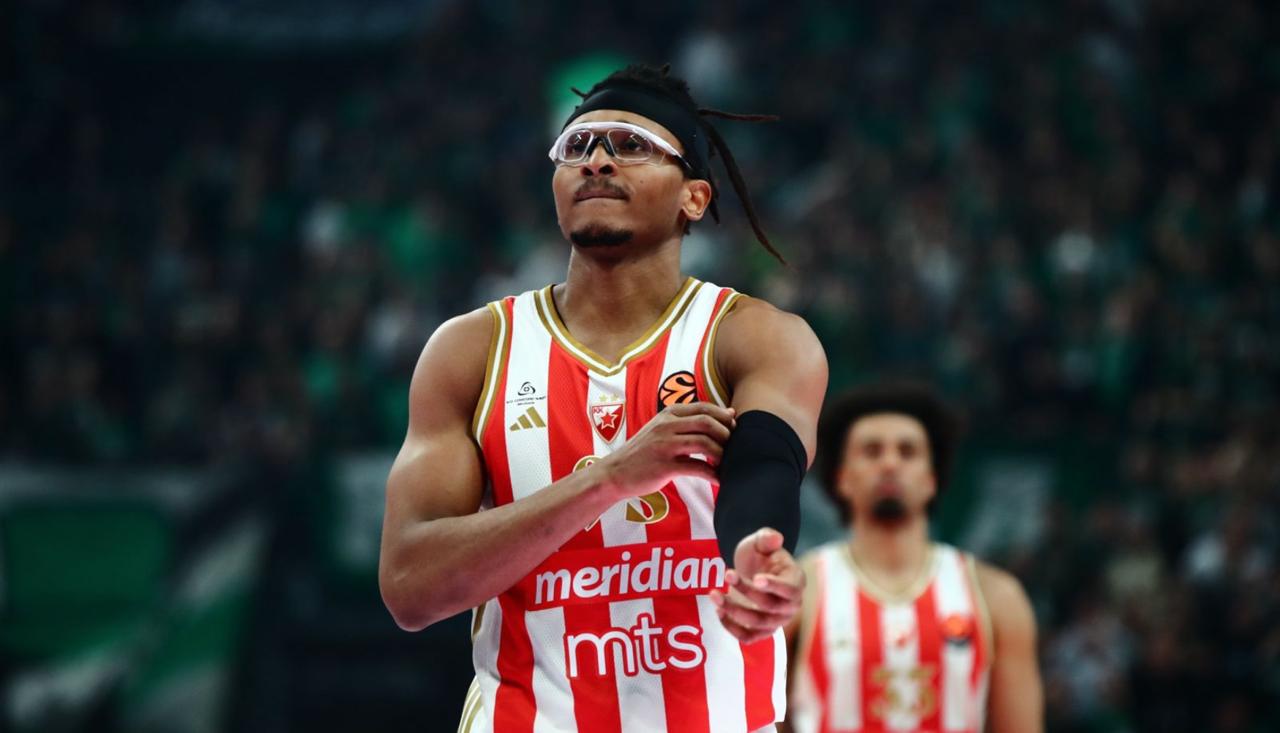

Chima Moneke recently placed himself as the second-best power forward in the EuroLeague behind Sasha Vezenkov. The reaction was predictable. Yet the broader question may be more interesting: has the European basketball fanbase been unfair to Moneke simply because he dares to say out loud what others won’t?


Can a story about the Red Star forward be connected to LeBron James?
Surprisingly, yes.
But first, a quick trip back in time.
In February 2018, Fox News host Laura Ingraham responded to LeBron James’ criticism of Donald Trump with the now-infamous phrase: “Shut up and dribble.” The remark sparked a national debate in the United States. Many saw it as an attempt to silence an athlete for expressing his views on issues beyond basketball. James never backed down. Instead, he continued speaking openly about social and political matters, turning the phrase into a symbol of a much larger discussion about the role of athletes in public life. Before long, “Shut Up and Dribble” became the title of a documentary and evolved into a cultural reference point. The slogan appeared on T-shirts, graffiti walls and social media feeds, becoming a form of resistance rather than an insult.
Moneke is obviously not discussing politics or social issues on his “Triple Threat Show” podcast on the Amerikanos24 channel. What he does discuss is basketball—and he does so with remarkable honesty.
Does a player fit a particular roster? What is a coach getting wrong? Is a team benefiting from officiating decisions? Who is most likely to win a trophy? Questions that players at this level are rarely asked—and even more rarely answer candidly—often receive direct, unfiltered responses from Moneke.
Whether someone agrees with those opinions is largely irrelevant. The point isn’t whether his analysis is objective or subjective. The point is the bigger picture.
Who genuinely cares about hearing a player say, “We need to play hard, secure rebounds, stay focused and win the game”? Nobody.
Who gets excited listening to, “If we execute the game plan and shoot well, we’ll have a chance to win”? Nobody.
Now here’s the real question: Who wants to hear the honest opinion of a top-level EuroLeague player on transfers, roster construction, coaching decisions, officiating controversies and the biggest storylines in the sport? The answer is obvious: all of us.
And yet, the conversation often circles back to a modern—and admittedly much lighter—version of “shut up and dribble.”
When Moneke says something favorable about our team, he’s celebrated. Fans affectionately call him “Chimdog” and praise his authenticity. The moment he says something that challenges the narrative we’ve built around our club, the backlash begins.
Let’s put a few things into perspective.
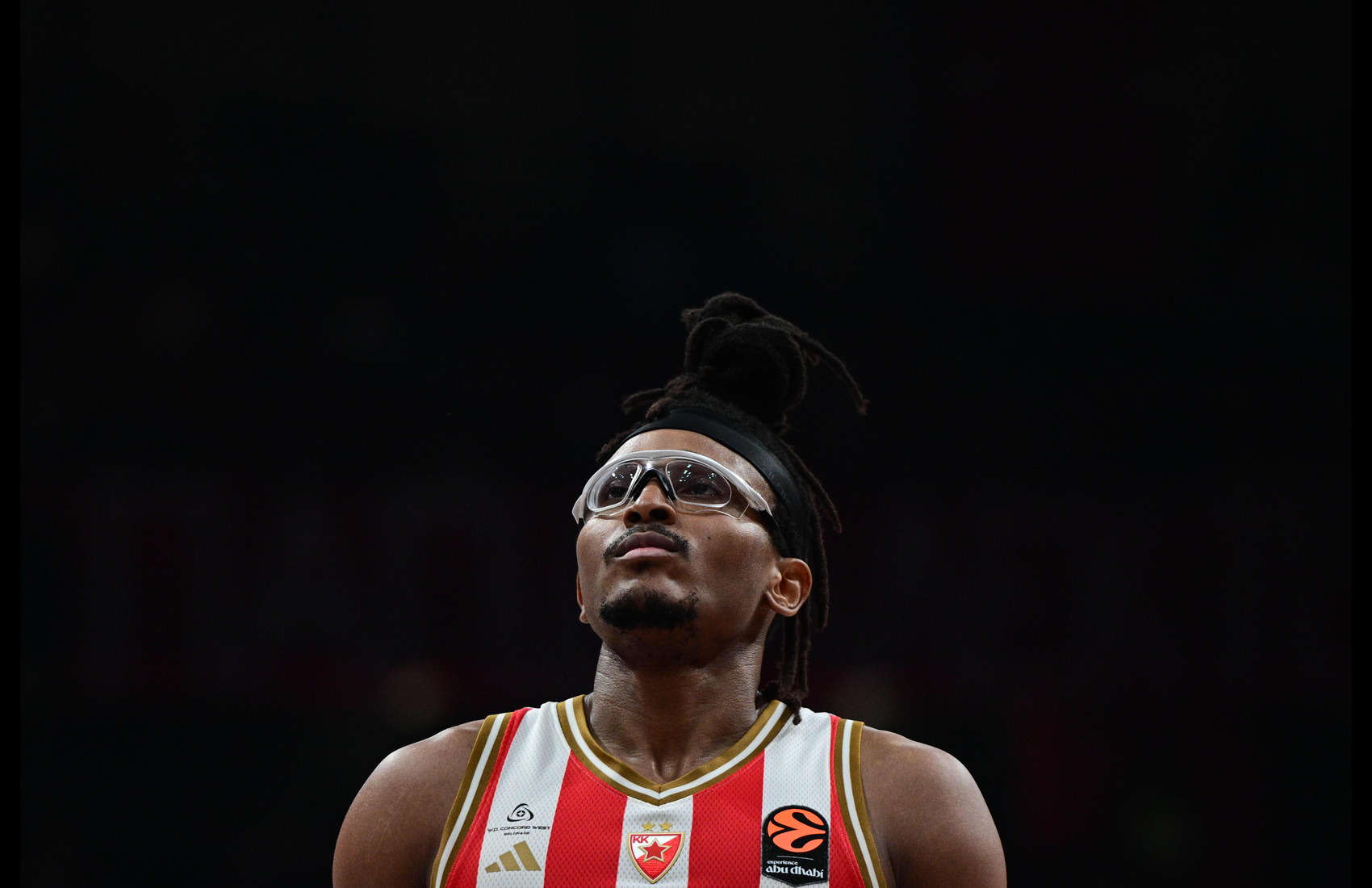
The 30-year-old Red Star forward averaged 13.9 points, 6.5 rebounds, 2 assists and 1 steal per game in this year’s EuroLeague season. By any reasonable standard, he belongs among the elite players in Europe.
But what makes him stand out isn’t just his production.
It’s the willingness to publicly defend his opinions without resorting to diplomacy or public relations language. In an era when athletes are often encouraged to stay safe, stay neutral and avoid controversy, Moneke consistently chooses openness. And that matters.
Six years ago, American critics told LeBron James to “shut up and dribble” because they didn’t like what he had to say about politics. How ironic would it be if European basketball created its own version of that mentality while discussing nothing more than basketball?
How much richer would the sport be if fans treated honest opinions as insight rather than ammunition? How much more valuable would access to the thoughts of elite players become if every comment wasn’t filtered through the lens of tribal loyalty and team allegiance?
European basketball’s passionate fan culture often judges Moneke harshly because he speaks his mind. But those who truly love the game—and want to understand it beyond the final score—should hope that more players follow his example in the years ahead.
First on basketball matters. And perhaps one day on broader issues that athletes currently avoid altogether.
If that happens, EuroLeague stars will have contributed something bigger than wins, losses or championships. They will have elevated the conversation itself.