




When the New York Knicks ended a 53-year championship drought in June, the Eastern Conference briefly seemed to have found its order. New York had survived four playoff rounds, beaten San Antonio in five games and watched Jalen Brunson score 45 points in the title-clinching victory. The Knicks were on top of the basketball world, and for a moment it looked as if they might remain untouchable for some time. Then came a summer that changed everything.


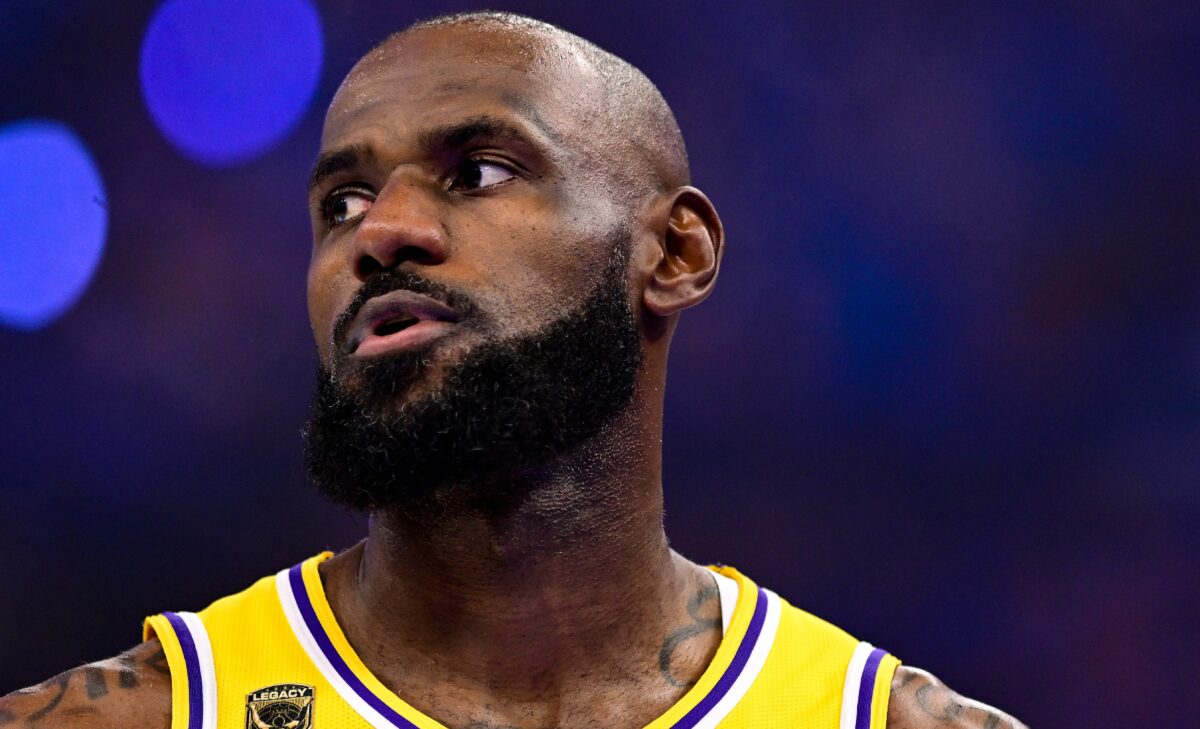
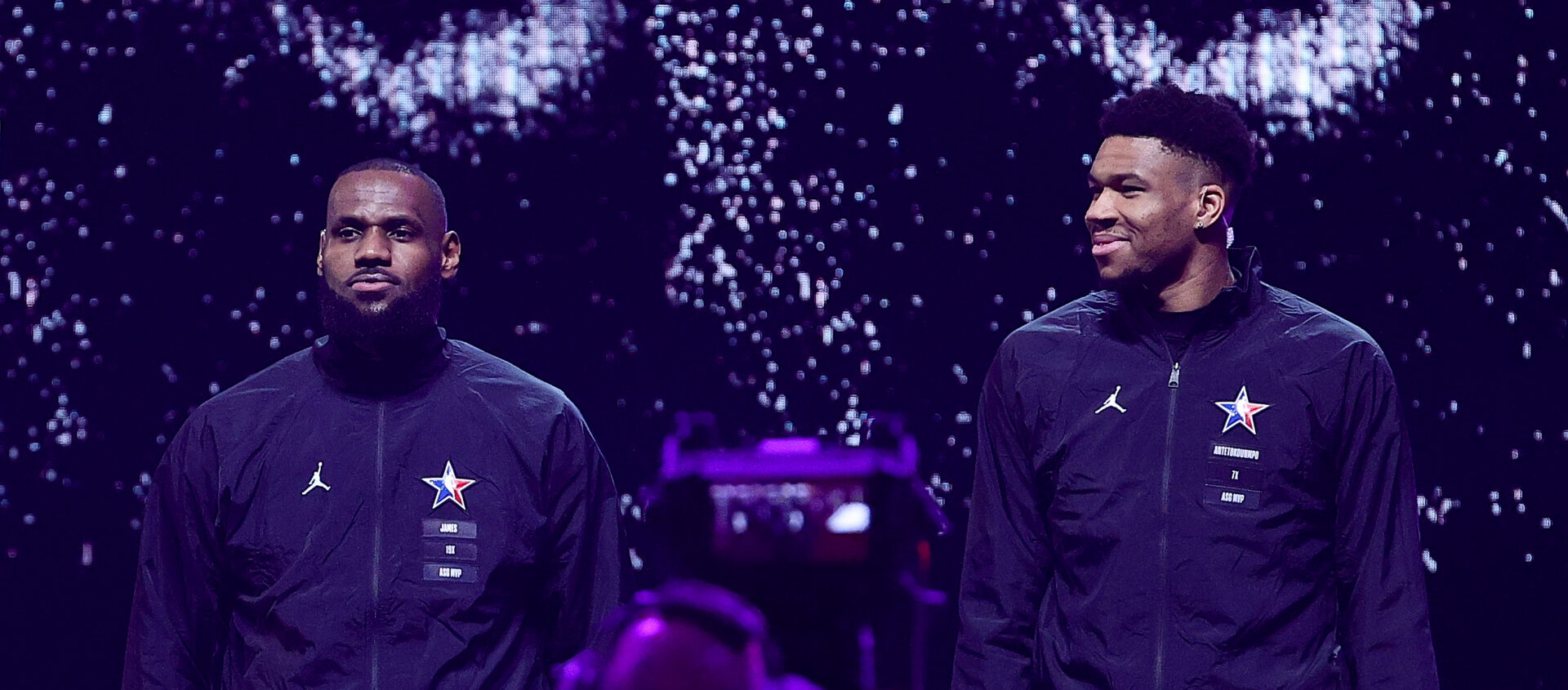
Giannis Antetokounmpo moved to Miami. Boston sent Jaylen Brown to Philadelphia, where LeBron James soon followed on a two-year, $8 million contract. Toronto agreed on a deal to bring Kawhi Leonard back from the Clippers, although the trade remains on hold while the NBA completes its investigation into Leonard’s contract situation. In a matter of weeks, the East added former MVPs, Finals MVPs and several players accustomed to deciding playoff series.
The Champion No Longer Stands Alone
The Knicks’ rivals have now made their title defense even more difficult. Brunson, Karl-Anthony Towns, OG Anunoby, Mikal Bridges and Josh Hart have already shown that their roles hold up when postseason basketball becomes slower and more physical. But repeating last year’s success will be harder. The roster is expensive, Towns is approaching another major contract decision and a long playoff run always leaves a physical bill. More importantly, New York ended last season as the only team in the East with a complete championship argument. By the end of July, several rivals had found credible ways to challenge it.
Philadelphia Has the Highest Offensive Ceiling
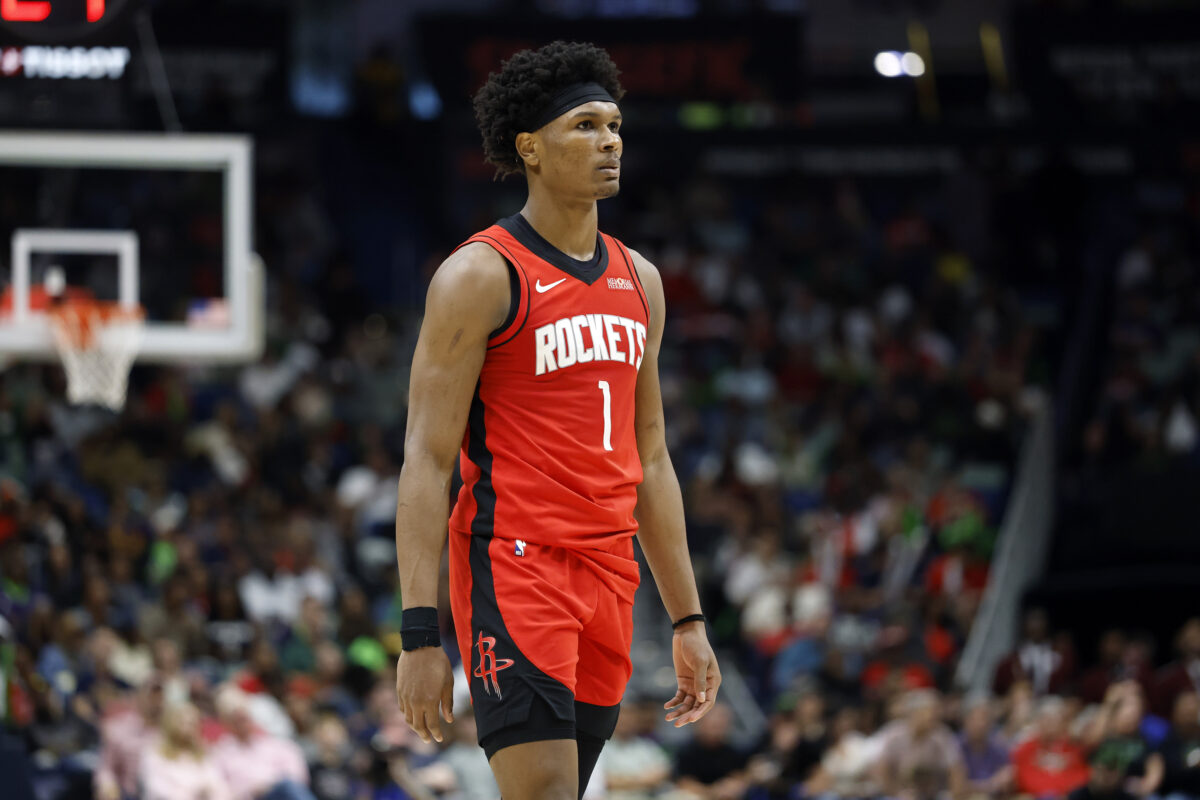
Philadelphia made the loudest move because it made two connected ones. The Sixers turned Paul George and four draft picks into Brown, then added LeBron without losing another core player or using a significant portion of their remaining assets. A team already built around Joel Embiid and Tyrese Maxey now has another proven two-way star, one of the greatest playmakers in league history and V.J. Edgecombe, whose rookie season gave Philadelphia a young player worth protecting.
LeBron’s contract makes the construction unusual. The Sixers added a player who averaged more than 20 points per game last season for the veteran minimum. They did not have to strip away the depth or draft capital that made the roster attractive to him, and no other contender can find equivalent value on the market.
The concern remains where it has been for years. Embiid’s body still determines how far the Sixers can go. LeBron will turn 42 during the season, while Maxey, Brown and Edgecombe all need meaningful responsibility. Nick Nurse has enough creators to avoid the offensive droughts that repeatedly hurt Philadelphia in the playoffs, but he also has to keep the team from becoming a collection of scorers waiting for their turn. The Sixers may have the highest offensive ceiling in the conference, but reaching it will require health and a workable hierarchy. The question of how the team will function defensively and whether team chemistry can be established remains open.
Miami Has Changed the Physical Terms of the East
Miami has mortgaged much of its future for the chance to win now. By pairing Giannis with Bam Adebayo, the Heat have changed the physical terms of almost every matchup they will face. Both can protect the rim, cover space outside the paint and turn a defensive possession into transition offense before the opponent is set. Erik Spoelstra now has the foundation for a defense that can survive different lineups and playoff styles.
The harder work will come at the other end. Miami gave up several offensive pieces to complete the trade, and neither Giannis nor Bam naturally stretches a defense far beyond the 3-point line. The Heat are now pursuing Klay Thompson in an attempt to add shooting and create more room around their two star big men. Even at this stage of his career, Thompson would force opponents to respect him away from the ball and make it more difficult to crowd the paint. The final version of the roster will decide whether the Heat have built a team for four playoff rounds or one capable of overwhelming opponents only while the game remains open.
Boston Traded Certainty for Flexibility
Boston helped create one of those challengers. Trading Brown ended one of the league’s most established star partnerships and sent a younger, proven postseason performer directly to Philadelphia. The Celtics received Paul George and draft capital, a return that could give them more flexibility in the years ahead. For the coming season, however, they are asking a 36-year-old with a long injury history to replace a player who had become central to their identity. And the big question is what it will look like in practice.
Jayson Tatum remains, along with a system built through years of deep playoff runs. Boston should not disappear from the conversation, but it has exchanged certainty for options while one of its main rivals used the same transaction to become more attractive to LeBron.
Detroit and Cleveland Still Belong in the Race
Detroit and Cleveland are reminders that the conference did not begin changing only when the biggest names moved. The Pistons won 60 games and secured the top seed through the development of Cade Cunningham and a young core that learned how to win over a full regular season. Their next step is turning that control into the adaptability required when an opponent can attack the same weakness for six or seven games.
Cleveland has already gone further. The Cavaliers finished 52-30 and reached their first conference finals since 2018 before New York swept them. That series exposed the difference between being consistently good and having enough answers at the highest level. Their summer has been quieter, but their place in the race cannot be measured only by the size of their latest move.
Toronto Is Waiting on Its Own Gamble
Toronto is still waiting to learn whether its own major deal will become real. The Raptors finished fifth at 46-36 and pushed Cleveland to seven games in the first round before agreeing to send Brandon Ingram, Gradey Dick and two unprotected first-round picks to the Clippers for Leonard. The trade remains on hold until the league resolves its investigation.
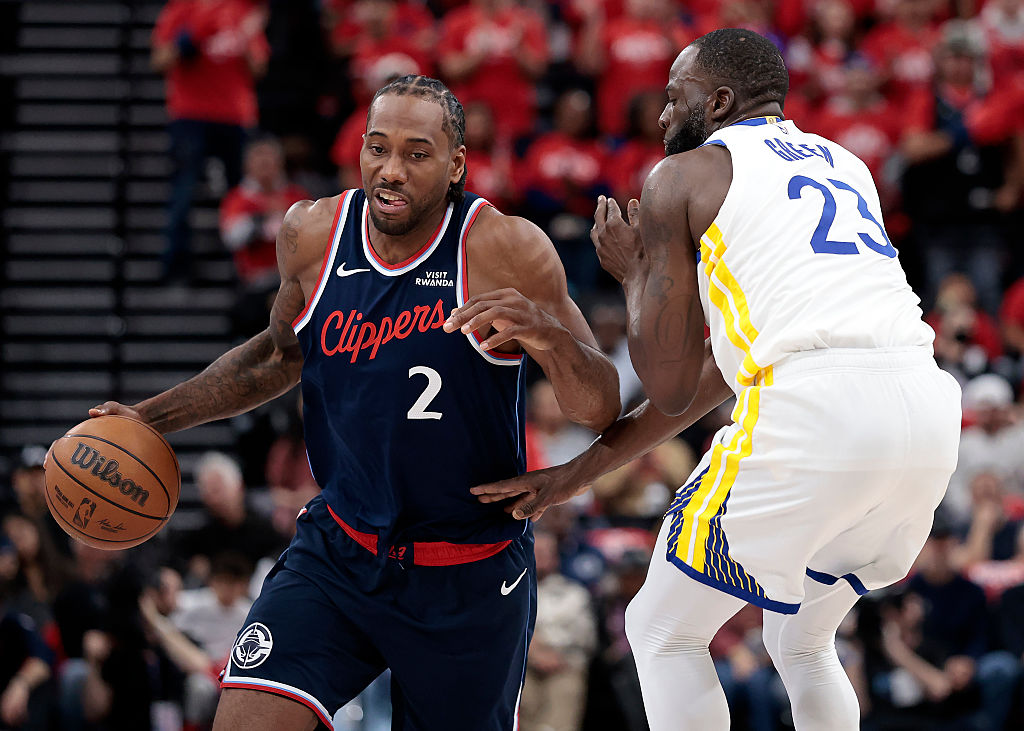
If completed, Toronto will add the type of player it lacked against Cleveland. Leonard can create a reliable shot late in the clock, defend bigger wings and slow the game to his preferred pace. His 2019 championship also explains why the franchise is willing to consider another expensive, short-term bet.
The Raptors would not be acquiring the same certainty they received in 2018. Leonard is 35, and his availability has shaped almost every recent season. Toronto would be paying for the possibility that he can still control enough playoff games to lift a solid team into the top group. Until the investigation is finished, that remains only a possibility.
The East No Longer Has a Clean Hierarchy
There is no clean hierarchy anymore. New York has the title and the strongest recent evidence. Philadelphia has accumulated the most offensive talent. Miami can impose a physical style few teams are equipped to match. Detroit owned the regular season, Cleveland reached the conference finals and Boston still has Tatum and years of established playoff habits. Toronto could soon bring back the player responsible for the greatest season in franchise history.
LeBron did not cause every change, and his arrival does not automatically make Philadelphia the favorite, although it’s logical to look at it that way. It did remove much of the distance between the champion and the teams chasing it. The Knicks will open the season with the trophy, but several opponents now have a legitimate reason to believe it can be taken away.