



A shared European trophy with Panathinaikos, Saras’ two spells in green and Fenerbahce’s two EuroLeague titles. SKWEEK turns back the clock before Zeljko Obradovic and Sarunas Jasikevicius meet again in Athens.


There are games whose story begins long before tip-off. Thursday’s Panathinaikos vs Fenerbahce clash (October 8, 21:15), for Round 4 of the EuroLeague, belongs firmly in that category. On the two benches will sit two men who have shared locker rooms, practices, demanding European nights and the experience of winning a continental title while wearing green.
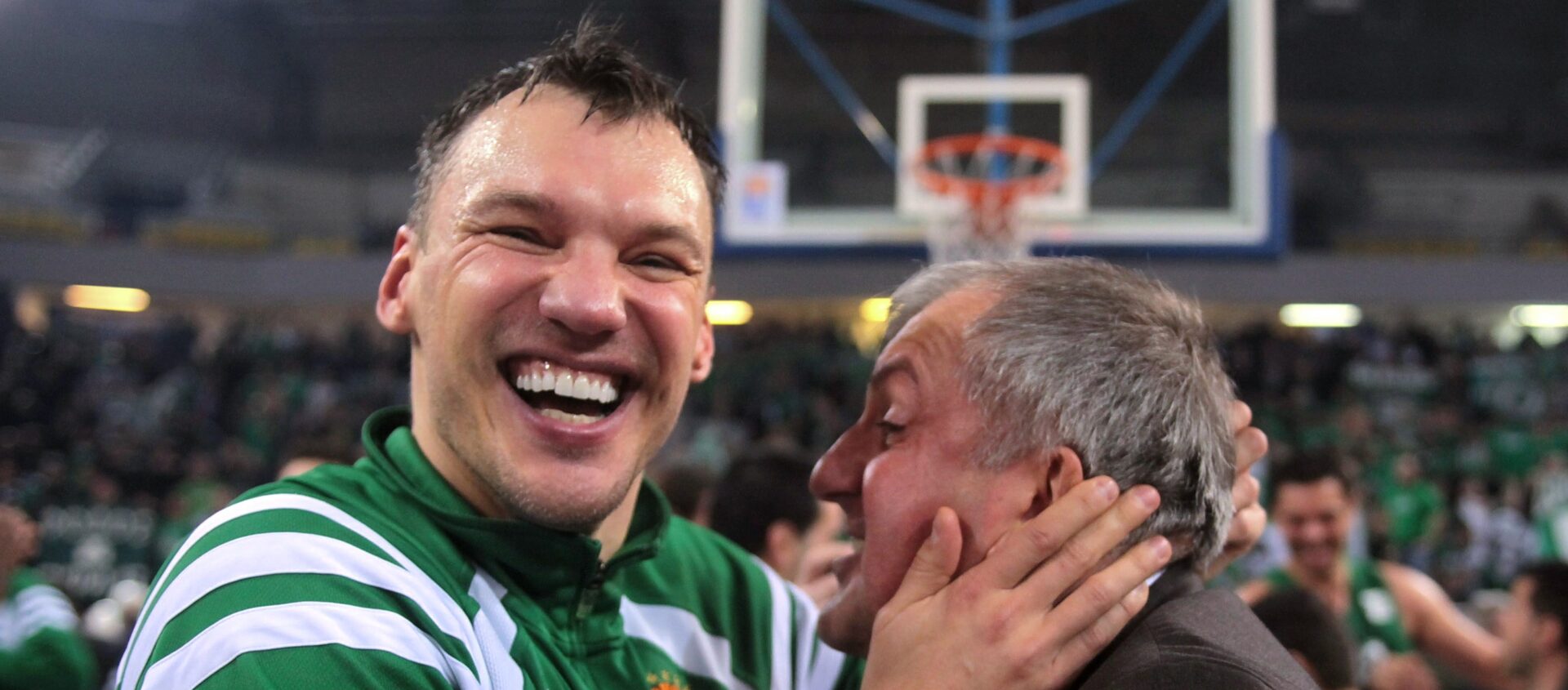
Zeljko Obradovic and Sarunas Jasikevicius were once coach and player at Panathinaikos. Together, they reached the top of Europe in 2009. Later, each of them, from the Fenerbahce bench, added a European trophy to the Turkish club’s history. The first came in 2017 under Zoc, the second in 2025 under Saras.
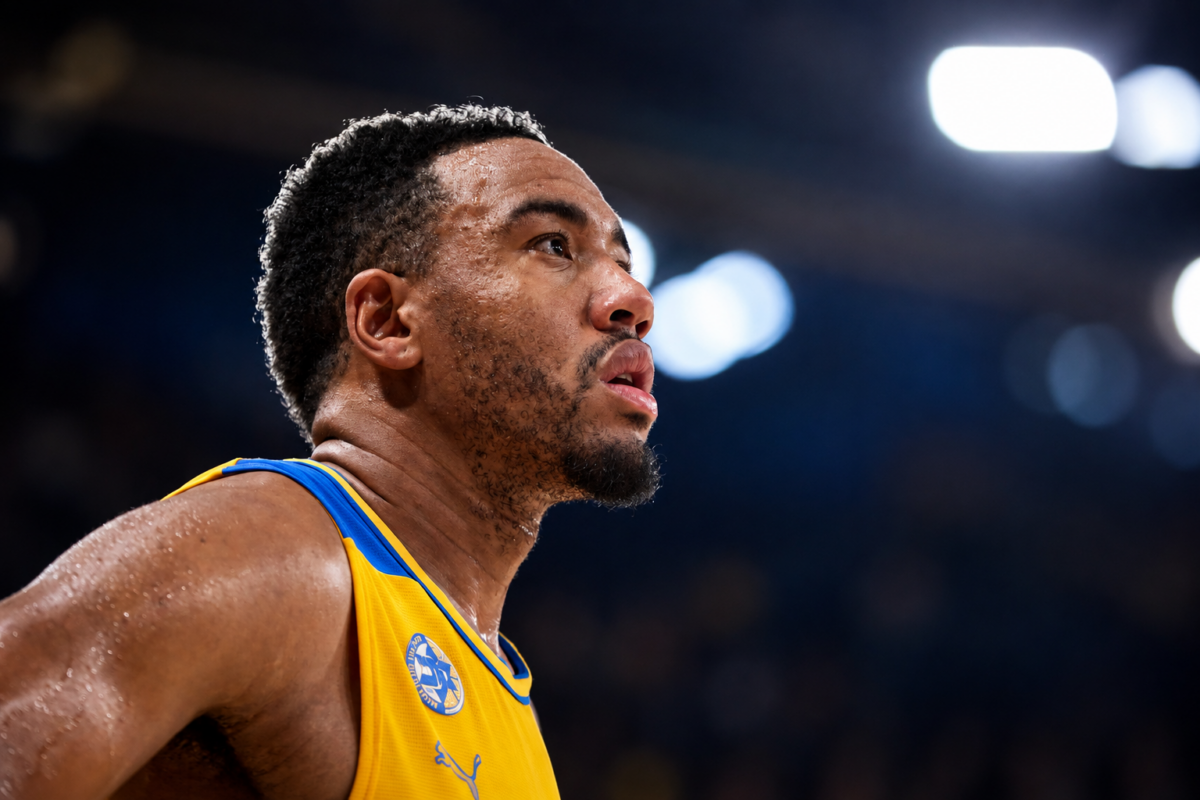
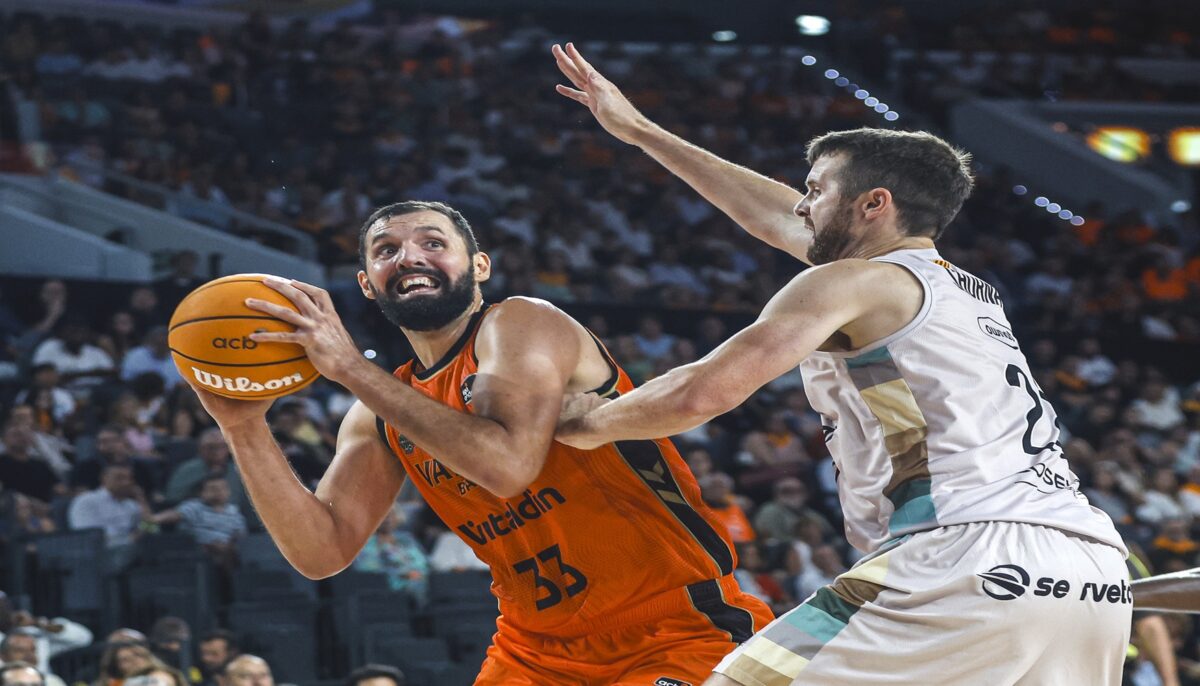
Obradovic’s green chapter began in the summer of 1999. Pavlos and Thanasis Giannakopoulos entrusted him with the team, beginning a partnership that would last thirteen years. By the summer of 2012, the Serbian coach had won five EuroLeague titles, in 2000, 2002, 2007, 2009 and 2011, along with eleven Greek championships and seven Greek Cups. Twenty-three trophies in total.
That longevity allowed Panathinaikos to move through different generations of players while maintaining the same coaching foundation. From the years of Dejan Bodiroga to those of Dimitris Diamantidis and Mike Batiste, Obradovic built teams that learned how to operate under the pressure of competing for titles. Jasikevicius found his place in one of those teams.
The Lithuanian arrived in Athens in 2007, returning to Europe after his NBA spells with Indiana and Golden State. He had already won the EuroLeague with Barcelona in 2003 and Maccabi in 2004 and 2005. Panathinaikos were signing a player who knew first-hand what it took to win at the highest level.
Alongside Diamantidis and Vassilis Spanoulis, Saras added another layer of organisation and creativity in the backcourt. His partnership with Obradovic was particularly fascinating: a coach who demanded precision on every possession had at his disposal a guard who treated passing, tempo and offensive decision-making as choices capable of shaping an entire game.
The peak came in Berlin in 2009. Panathinaikos won the fifth European title in club history by defeating CSKA Moscow 73-71 in the final. For Obradovic, it was his fourth EuroLeague title with the Greens. For Jasikevicius, it was his fourth as a player and his first with Panathinaikos, which became the third different club he had led to the top of Europe. That same season, they also won the Greek championship and Greek Cup, completing the triple crown.
Saras’ first spell at Panathinaikos lasted from 2007 to 2010 and included three consecutive Greek championships, two Cups and that EuroLeague title. After leaving Athens, he played for Lietuvos Rytas and, during the 2010-11 season, for Fenerbahce. Istanbul therefore became part of his own journey several years before he would return as the club’s head coach.
In 2011, he returned to Panathinaikos for one more season under Obradovic. He won the Greek Cup in 2012, was named MVP of the final and competed in the Final Four in Istanbul. His Panathinaikos career ended with seven trophies: one EuroLeague, three Greek championships and three Greek Cups.

Both men left in the summer of 2012. Saras continued his career at Barcelona, while Zoc brought his first Panathinaikos spell to an end. They had worked together across four seasons, leaving behind a shared experience that would give added meaning to every future meeting between them.
Obradovic’s next major chapter began in 2013 at Fenerbahce. He remained until 2020 and led the team to five consecutive Final Four appearances, from 2015 to 2019, as well as three straight finals, from 2016 to 2018. Under him, Fener gained the consistency and experience required to challenge seriously for the European crown.
In 2017, in Istanbul, the journey was completed. Fenerbahce had swept Panathinaikos 3-0 in the playoffs before defeating Olympiacos 80-64 in the final. They won the first EuroLeague title in club history, while Obradovic reached nine overall with five different teams. The coach who had been linked with five European titles at Panathinaikos had now also delivered Fenerbahce’s first.
Meanwhile, Jasikevicius was building his own coaching career. He led Zalgiris to the 2018 Final Four and later guided Barcelona to three consecutive Final Fours, from 2021 to 2023, including an appearance in the 2021 final. In December 2023, he took over Fenerbahce, this time returning as a coach to a club he had also represented as a player.
In 2024, he took them to the Final Four in Berlin, where they were eliminated by Panathinaikos 73-57 in the semi-final. A year later, in Abu Dhabi, the story was reversed. Fenerbahce beat the Greens 82-76 in the semi-final and Monaco 81-70 in the final. Saras won his first EuroLeague as a head coach and added the second European title to Fenerbahce’s trophy cabinet.
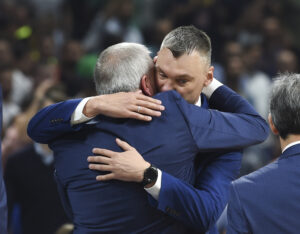
The comparison between the two also extends to the way they experience the game. The intensity with which they follow every possession, the demand for correct execution, the emphasis on spacing, combinations and each player’s responsibilities. Saras has developed his own coaching identity, while also having lived inside Obradovic’s Panathinaikos locker room. Their previous partnership makes those similarities even more intriguing.
Zoc’s return to Panathinaikos in June 2026, on a three-year deal, added another chapter. Fourteen years after the end of his first spell, he is once again sitting on the green bench. And opposite him will be his former player, now leading the team with which Obradovic himself lived the next great era of his career.
In Athens, then, two journeys that have passed through the same locker rooms and led to the same destinations will cross paths once again. Panathinaikos connects them through the shared trophy of 2009. Fenerbahce connects them through the club’s two EuroLeague titles. And Thursday’s game brings them face to face once more, with all that history standing between the two benches.