



Every summer, the conversation around the EuroLeague tends to revolve around the same topics.


Who will play in it? Who has an A licence and who does not? How much does it cost to join? Will the league expand? When will it expand?
Those debates last for weeks. Much less often do people ask how to improve the game itself and make it better for players, coaches, referees and fans.
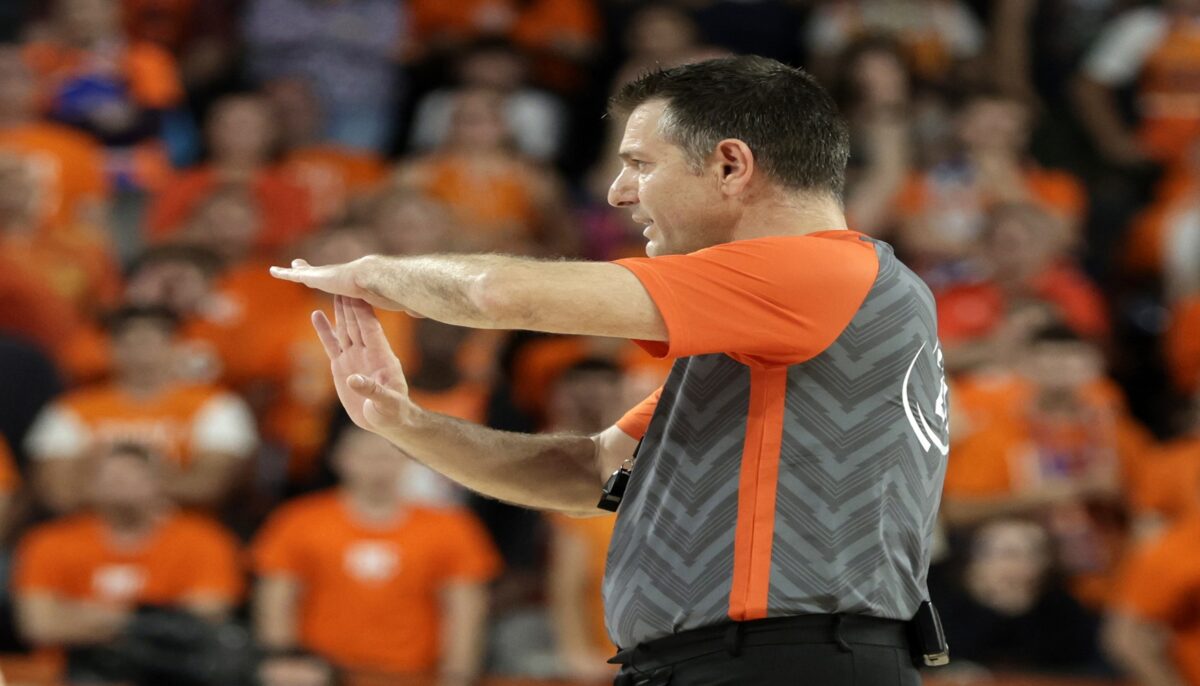
In that context, rule changes are not merely desirable – some are necessary.
The most important one concerns fouls on three-point attempts. Few things frustrate basketball fans more than watching a player launch a shot that was never really intended to be a shot, only to earn three free throws. A player rises from three-quarters court, fully aware he has virtually no chance of making it, but also aware he might draw contact and get rewarded for it.
FIBA has taken an important step here. Starting in October, except in situations when the quarter or the game is about to expire, fouls on three-point attempts from a player’s own half will no longer result in three free throws. It is a sensible change.
Perhaps the game should go even further and leave more room for referees’ judgment in certain situations. Anyone who has watched basketball long enough can recognize the difference between a legitimate shooting attempt and a player exploiting a loophole in the rules.
A similar discussion can be had about modern interpretations of traveling. The extended step-through has become a common part of the game and often gives offensive players a massive advantage. A shot fake, a pivot, the lifting of the pivot foot, another step and a finish at the rim. Athletically dominant players can gain several meters of separation this way and effectively neutralize good defense. Simply put, offensive players are being given too much of an edge.
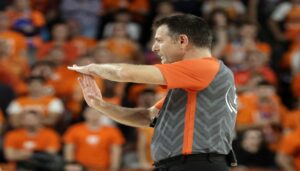
Another issue worth examining is the way elite scorers draw fouls by initiating contact themselves. The offensive player barrels into a defender, throws his body backward and gets rewarded with free throws. In those situations, referees perhaps should be given greater freedom to let play continue. Basketball is a contact sport, and not every collision should automatically be considered a foul.
There are also smaller adjustments that could improve the flow of games. In Spain’s ACB, for example, referees do not always need to hand the ball directly to the player taking an inbound pass in the backcourt. Whenever there is an opportunity to speed up the restart of play and preserve the natural rhythm of the game, it is difficult to argue against it.
Finally, there is one far more radical idea: introducing a defensive three-second rule similar to the NBA’s. Such a change would create more space for one-on-one play and further reward individual talent. On the other hand, it would reduce the importance of team concepts on both ends of the floor.
Team basketball has traditionally been one of the defining characteristics of the European game. That foundation has already been eroding to some extent, which raises an important question: would a defensive three-second rule do more good than harm?
The point is not to reinvent basketball every summer. Quite the opposite. But if we are already spending months debating licences, formats and the number of participants, perhaps a little more attention should be paid to improving the game itself.
After all, fans do not watch licences.
They watch basketball.