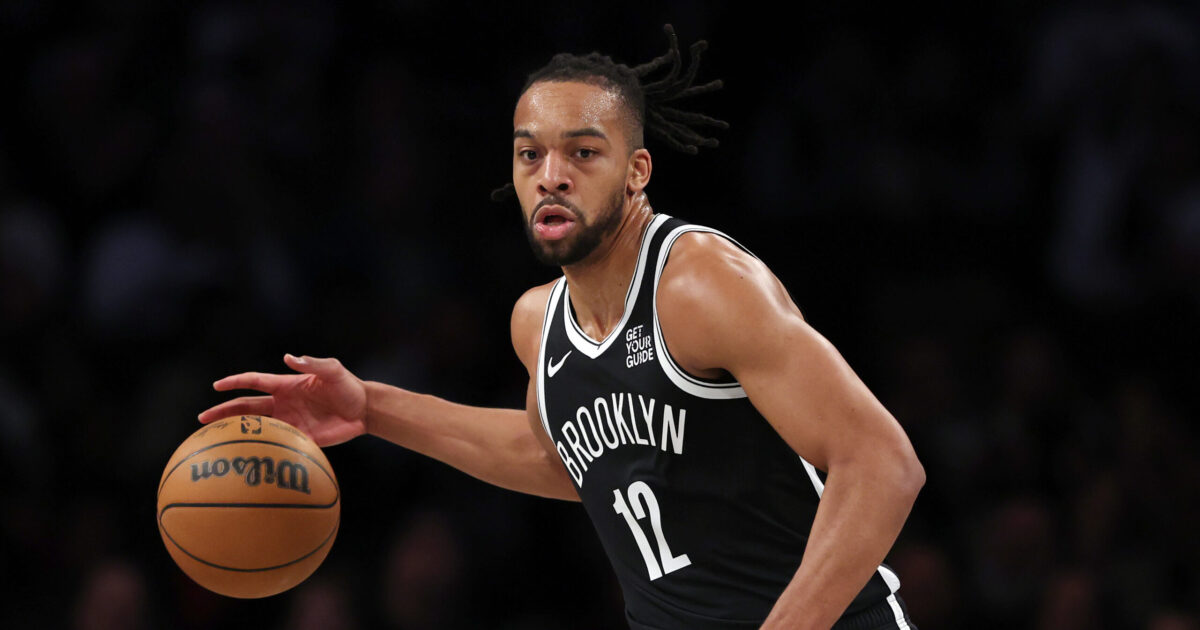




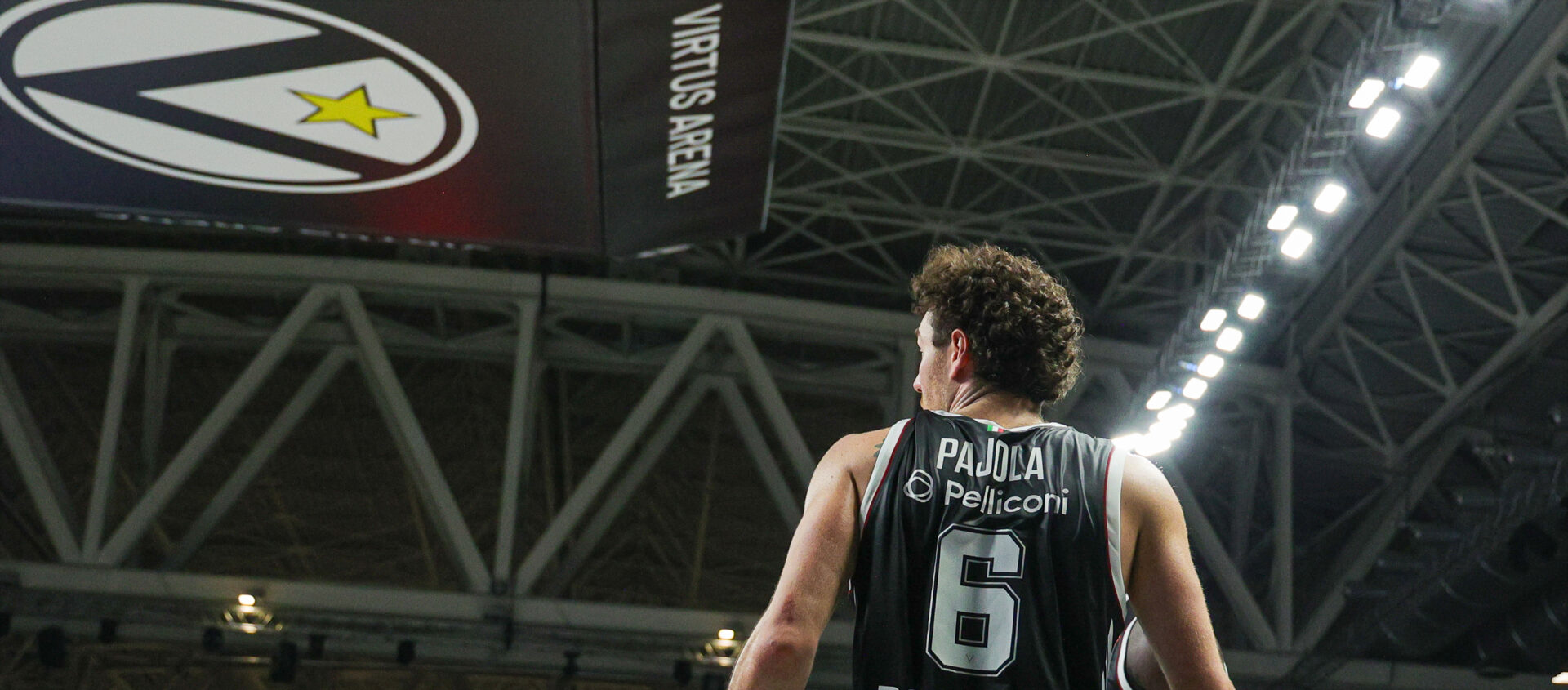

Partizan’s summer roster is beginning to take shape, the club has officially announced four signings, with Alessandro Pajola joining Kevarrius Hayes, Lamar Stevens and Nikola Tanasković.


The Italian point guard is expected to be Carlik Jones’ primary backup, but his role will not be limited to the minutes when Partizan’s lead guard is on the bench. His defense should allow Jones to spend less energy chasing opposing playmakers and more of it running the team.
Pajola signed a two-year contract with Partizan, he turns 27 in November and leaves Bologna after a decade with Virtus, where he went from the youth system to wearing the captain’s armband. He won the EuroCup, the Basketball Champions League and two Italian championships, and was twice named the Italian league’s best defender.
The Game That Introduced Him to Belgrade
One of the performances that made European basketball take him seriously came in Belgrade. Italy defeated Serbia 102-95 in the Olympic qualifying final in July 2021, keeping the host nation out of the Tokyo Games. Pajola, then 21, finished with 10 points, four rebounds and six assists, though his work against his friend Miloš Teodosić was far more important than the box score.
He spent much of the game attached to Teodosić, denying clean catches and trying to take Serbia’s main organizer out of the offense. It was an unusual matchup because Pajola was guarding the player he had spent the previous two seasons learning from at Virtus.
The Italian media called him the “minister of defense” after that game. Five years later, he is returning to the same city for a role built largely around defense, though Partizan will also need him to help organize the offense.
Pajola Can Lighten Jones’ Defensive Load
Jones will remain the team’s primary creator. He will be asked to get into the paint, operate out of the pick and roll and carry the largest share of the offensive responsibility. Last season, he often had to do that while also pressuring the opponent’s best ball handler. Pajola gives Joan Peñarroya a chance to separate those jobs.
That should leave Jones fresher late in games, particularly against teams that run most of their offense through one dominant guard. Pajola is also a capable enough playmaker to share the floor with him rather than serving only as a direct replacement.
Defense Built on Reading the Possession Early
His defense goes beyond effort and quick feet. He watches how a ball handler carries the ball, sets his feet and prepares to change pace and, by reading those details early, he can step into a passing lane or force a guard away from the option the play was designed to create.
Partizan does not need every possession to end with a steal. Moving an opposing point guard farther from his preferred catch, delaying the first screen or forcing an offense to reset can be enough. At the Euroleague level, a few seconds and a few feet can change the entire possession.
Pajola is strong for his position and difficult to remove with the first screen. Even when he falls behind the play, he usually works his way back into it, because he uses his hands without constantly gambling and abandoning the team’s defensive structure.
Peñarroya Is Building a Defensive Chain
His best matchups will come against point guards and smaller backcourt players. Lamar Stevens should handle more of the stronger perimeter scorers and wings. Along with Hayes, those two signings suggest that Peñarroya wants Partizan to become more physical and disruptive without relying on one defender to solve every matchup.
Pajola can bother the point of attack, Stevens can absorb more physical assignments and Hayes has the mobility to cover space behind them. Whether those pieces produce a good defense will depend on how well they communicate, rotate and finish possessions. The individual profiles make sense. Peñarroya still has to connect them.
A Reliable Organizer, Not a Primary Creator
Pajola can run the team while Jones rests, although there is little reason to expect Partizan to give him a much larger offensive role than he had in Bologna. He averaged 4.2 assists in just over 19 minutes per game last Euroleague season. He can control the pace, recognize the first available option and get the team into its sets, but he is not a guard who will repeatedly break down a set defense off the dribble.
The Shooting Question Will Shape His Lineups
His shooting is the clear concern. Pajola averaged four points last season and made 27.1 percent of his 3-point attempts. Across four Euroleague seasons, he has shot 32.8 percent from beyond the arc. Defenses will leave him open until he proves they cannot, especially when he shares the floor with a center who plays close to the basket.
That will affect Peñarroya’s lineup choices. If Pajola cannot make open shots, his defender will be able to help earlier on Jones and sit deeper in the lane to discourage drives. Partizan does not need him to become a high-volume shooter, but it will need enough accuracy to keep the floor from shrinking.
He keeps the rest of his offensive game fairly simple. Pajola moves the ball quickly, relocates after passing and can connect the primary creator with the other three players on the floor. He will not create many advantages on his own, but he rarely stops the offense by searching for a play that is outside his game.
Đorđević Gave Him His Place in the Rotation
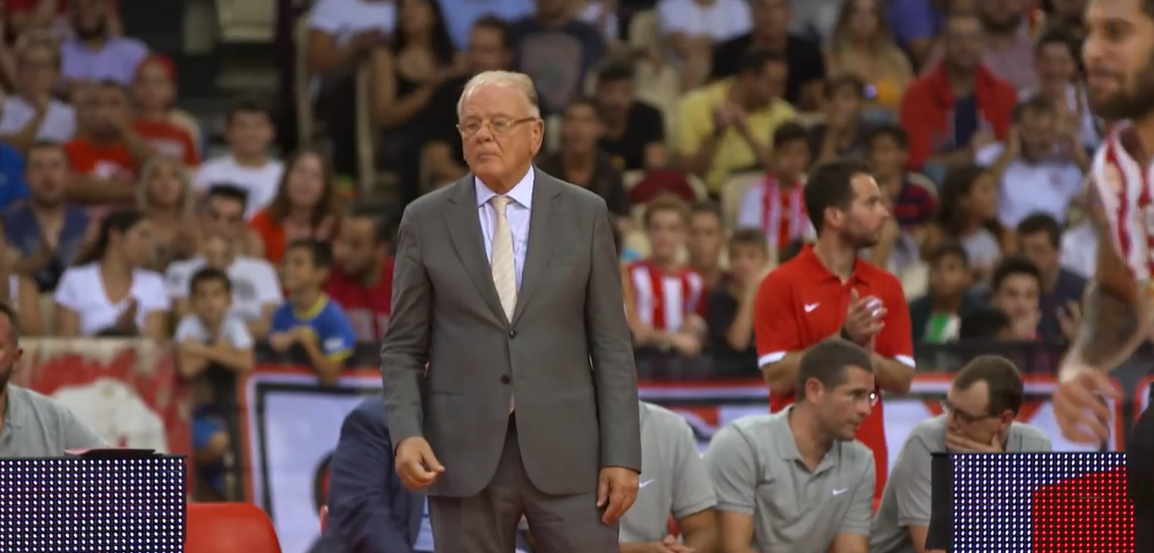
Many of those habits were developed under Saša Đorđević. Pajola joined Virtus at 16, made his senior debut during the season in which the club was relegated from Italy’s top division and stayed through the entire climb back.
A loan move was discussed at one point as a way to find him more playing time. Once Đorđević arrived, it became clear that Pajola had a place in the rotation.
Early in 2020, the Serbian coach described him as “a player for Virtus’ future.” He spoke about Pajola’s physical and mental progress, as well as the maturity he showed when given more responsibility. The minutes were not handed to him because of his age. He earned them through defense, discipline and an understanding of how to play alongside older, more accomplished teammates.
Learning From Teodosić and Marković
Miloš Teodosić and Stefan Marković arrived in Bologna during the same period. Pajola later said he watched the two Serbian point guards even during breaks in practice, studying Teodosić’s creativity and feel for passing, along with Marković’s toughness and command of a team.
“Having two players like that around is a constant lesson for a young basketball player”, Pajola said.
He often shared the floor with Teodosić in a setup that may offer a useful model for his partnership with Jones. Teodosić controlled the offense, while Pajola guarded the more dangerous backcourt player, occasionally brought the ball up and accepted that his impact did not have to be measured by his shot total.
Virtus won the 2021 Italian championship without losing a playoff game, with Đorđević on the bench. During that season, Pajola went from a promising academy guard to a trusted member of a championship rotation.
Once it became clear that Pajola was leaving Virtus, many expected him to reunite with Teodosić at Crvena Zvezda. The reports grew louder after Teodosić became the club’s sporting director, and at one stage the Italian guard was widely presented as one of Zvezda’s likely targets. Despite their friendship and years together in Bologna, the move never materialized. Crvena Zvezda eventually went in a different direction, while Pajola crossed Belgrade to join Partizan.
Two Knee Procedures Add Another Question
He arrives in Belgrade after a season interrupted by health problems. Pajola underwent surgery on the lateral meniscus in his left knee in February, followed by a procedure on his right knee in late May. His timetable after the second operation was estimated at eight to 10 weeks.
That matters for a guard whose game depends on ball pressure, lateral movement and fighting through contact. Pajola has spent his entire professional career in one organization, and his first season outside Virtus will begin with the additional task of regaining his rhythm after two operations and adjusting to a team that has signed him for a very specific job.