




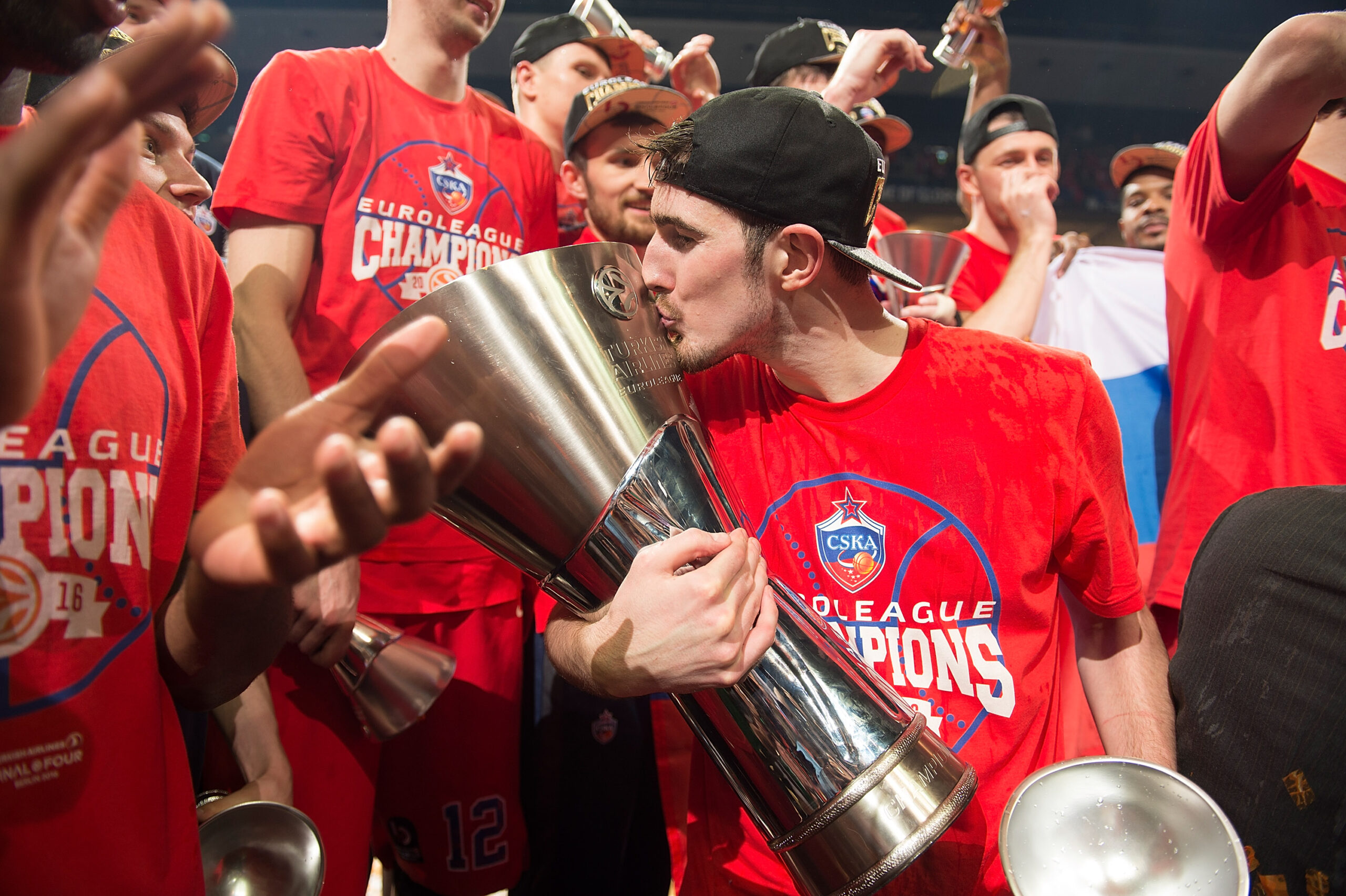

“One of the most important players in European basketball.”


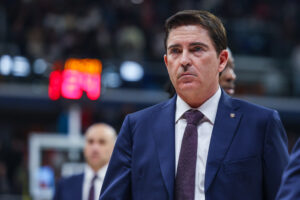
Šarūnas Jasikevičius was a master with the ball and no stranger to the right words. That was how he summed up the career of Nando De Colo, who played the final game of his professional career on June 19, 2026.
Exactly twenty years after making his debut for Cholet.
Over those two decades, De Colo traveled a remarkable path – from a talented young guard expected to have a solid career, but nothing extraordinary, to a player who consistently delivered in the biggest moments and made everyone around him better.
He combined flair with discipline, instinct with decision-making, talent with relentless work. That is what allowed him to remain at the highest level for so long.
That, and his competitiveness.
His willingness to fight.
That often underrated quality shared by the greatest athletes in every sport.
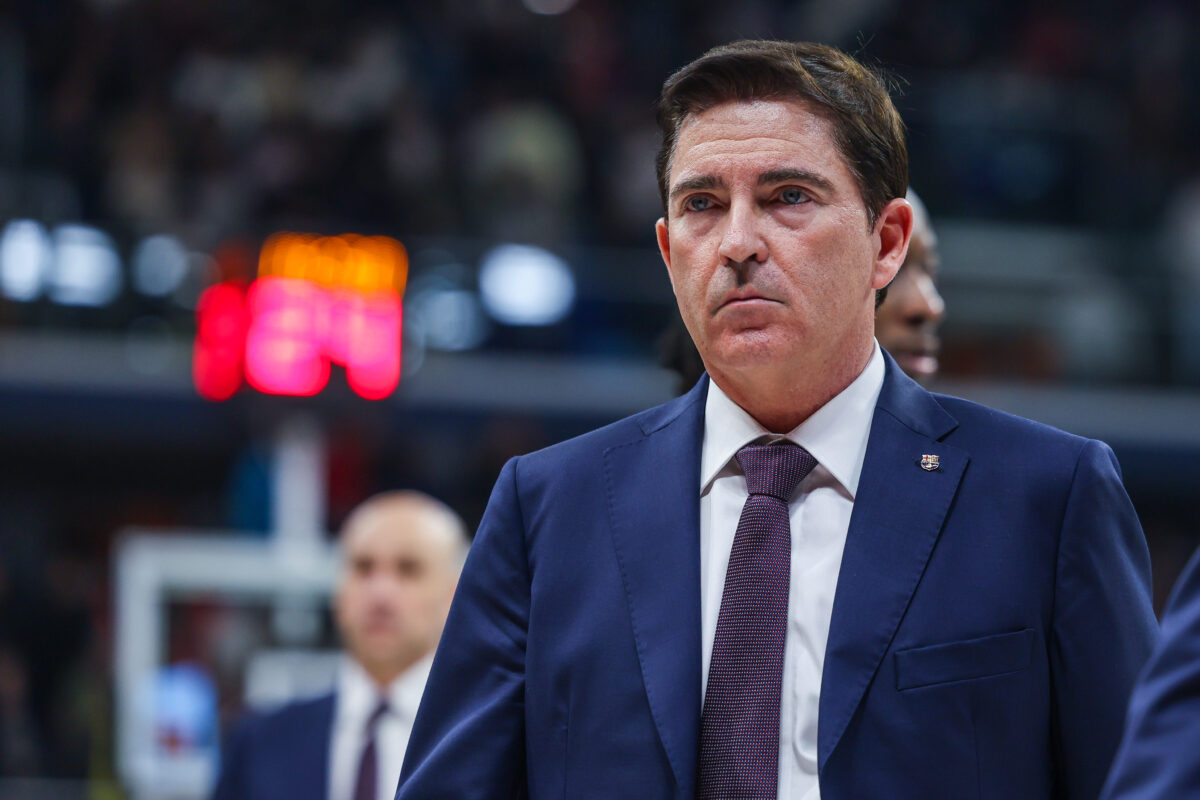
“What else can you say about Nando De Colo? He sees everything, he understands everything. He’s like a coach on the floor. You tell him something and he does it. They don’t make players like that anymore,” Jasikevičius said earlier this season.
One Word: Composure
And if that was true at 38, imagine what he was like at his peak.
Like in 2016, when he and Miloš Teodosić finally lifted the curse and brought CSKA its long-awaited EuroLeague title. De Colo scored 30 points against Lokomotiv Kuban in the semifinal and followed it with 22 against Fenerbahçe in the championship game.
Or three years later, when he scored 23 against Real Madrid in the semifinal and added 15 more in the final against Anadolu Efes to win a second EuroLeague crown.
Twenty-one trophies.
Six medals with France at major international tournaments.
Two EuroLeague titles.
We could keep listing numbers.
But that is not what defined him.
What truly defined De Colo was something less tangible: the ability to make the right decision under the greatest pressure.
In one word – composure.
Unlike Vassilis Spanoulis or Sergio Llull, De Colo may never have had a single iconic shot that defined his legacy.
Instead, he built his legacy one possession at a time. Year after year, game after game, he delivered exactly what his teams needed when they needed it most.
A Quiet Leader Who Knew When to Speak Up
How?
A love for basketball.
A hunger for trophies.
The ability to adapt to different roles.
And perhaps most importantly, the willingness to put the team before himself.
For all his qualities as a quiet leader, De Colo was always a team player. That is why coaches and teammates, even when they did not necessarily love him, always respected him.
“I might not have done it in front of the cameras, but I’ve always been someone who liked communicating with teammates. I enjoyed discussing situations from the game, first with teammates, and then, as the years go by, you realize that being able to communicate with the coaching staff can help improve your game. That’s something I learned a lot when I arrived in Moscow,” De Colo said in an interview with Basket USA.
He continued:
“When things are going well, you should speak up. When they’re not, you should be there to voice your frustration. I’m not saying you should always be speaking, because after a while nobody listens anymore. You have to know when to talk.”
Au Revoir, But Not Goodbye
One of the most popular sports documentaries of recent months has been the one about Rafael Nadal.
It serves as a reminder of how difficult it is for elite athletes to walk away from the thing they love most – the thing to which they devoted their lives.
De Colo knows it will not be easy. But, as he has said more than once, everything has its time.
“Basketball is everything to me. More than a job. Of course it’s also work because you have to be professional, but above all, it’s my passion.”
The good news for future generations and basketball fans is that he will not be staying away from the game for long.
In all likelihood, we will soon see him back on the sidelines as a coach.
Au revoir, Nando Bruno Alfred André De Colo.
See you soon.
Because people like you don’t retire from basketball. They simply find a different way to live it.