















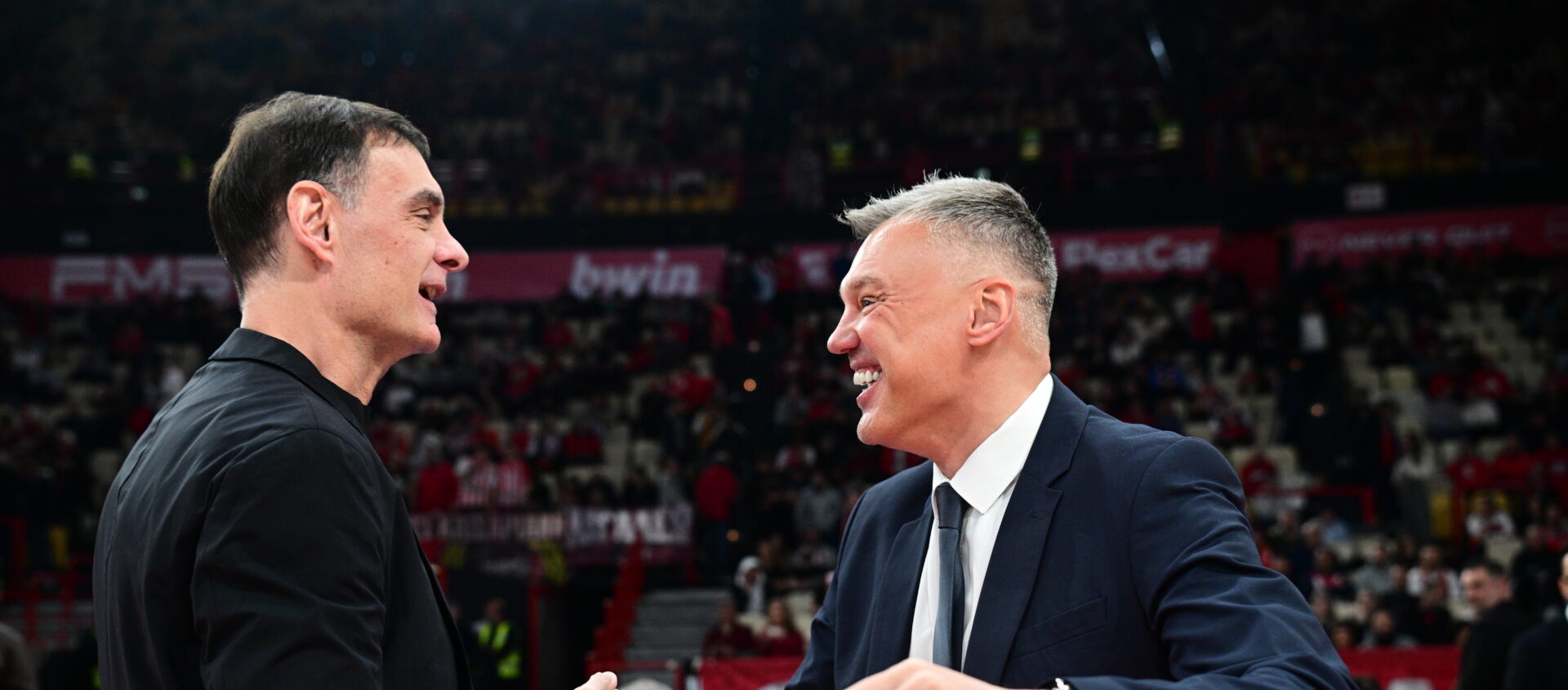

EuroLeague teams are about to begin their preparations for the new season, and SKWEEK revisits one of basketball’s unwritten rules: preseason games are not really meant for the public.


The time basketball fans have been waiting for is almost here. Most rosters are close to being finalized, players are gradually returning to their clubs and, within a matter of days, the first practices will eventually give way to preseason games. That is when supporters will get their first look at the new version of their team, see the summer signings in uniform and start searching for the first signs of the coach’s philosophy.
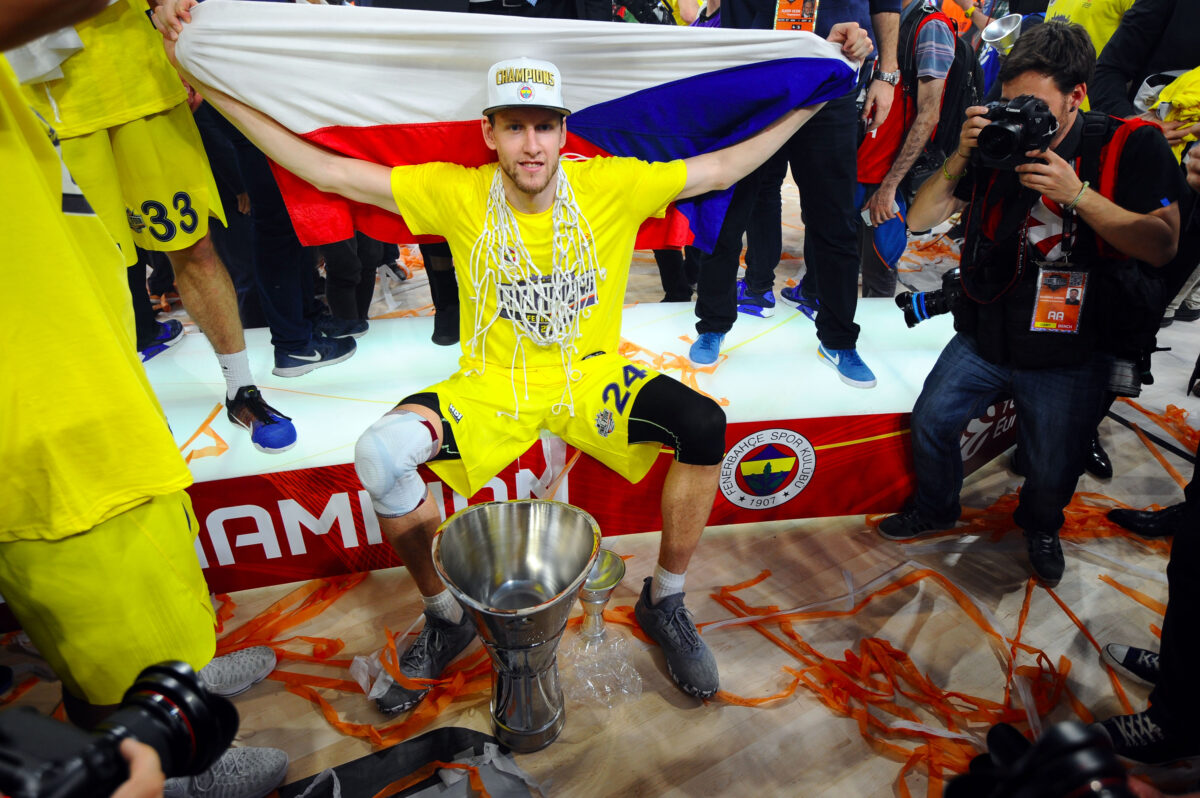
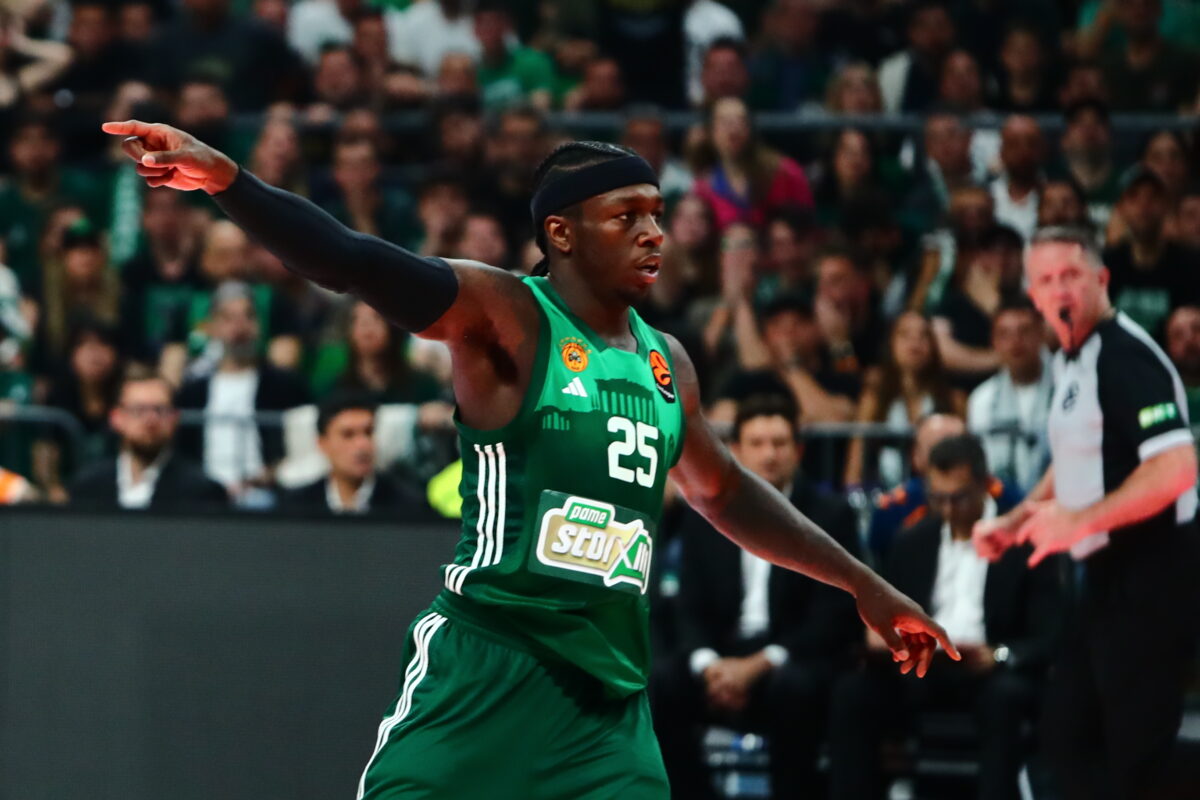
In Greece, for example, everyone is waiting for an early glimpse of Zeljko Obradovic’s Panathinaikos, as well as Georgios Bartzokas’ reigning European champions. In Turkey, there is major hype surrounding Mike James’ arrival at Anadolu Efes, while the “scary” guard rotation at Sarunas Jasikevicius’ disposal is enough on its own to raise expectations. In Spain, Real Madrid, Barcelona, Valencia and Baskonia have all made significant changes, and their fans are eager to see what those new-look teams actually look like on the floor.
More or less, though, this is the case every year and everywhere. The examples above are simply that — examples. You could replace them with virtually every team in Europe’s top competition and the point would remain the same.
The first preseason games almost instantly become an invitation for… premature conclusions. Who looks sharp, who has settled in immediately, which signing appears ready to make an impact, how the roles are being distributed and whether a team is already showing in August or September what its supporters expect to see once the official games begin.
There is, however, one important detail: preseason games are not for the fans. In fact, if most coaches had their way, plenty of them probably would not even be televised. Not because there is anything to… hide, but because the moment a game is broadcast, analysis and conclusions inevitably follow — even though coaches are looking for something entirely different.
Preseason games are exactly what the name suggests: preparation. They are the coaches’ laboratory, a chance to experiment with different lineups, sets, rotations and combinations without the pressure of a result. A coaching staff may spend several minutes with a lineup that will barely feature during the regular season, test a player in an unfamiliar role or repeatedly run the same action even if it is not working particularly well on that night.
The scoreboard, after all, sits very low on the list of priorities in these games. A preseason loss can provide far more useful information than a comfortable win. What matters to the coaching staff is whether a set was executed properly, whether the spacing was right, how a defensive coverage worked, how the team reacted to a particular situation and how quickly new teammates are beginning to read and understand one another.
At the same time, these games are also a necessary bridge for the players themselves. After the summer break and the first weeks of training camp, they need live game reps to shake off the rust, find their rhythm and adjust again to the demands of actual competition. All of that happens at a point in the calendar when legs are often… heavy from training and conditioning is still some distance away from where it will be later in the season.
The fans’ interest is completely understandable, and media analysis is just as inevitable. The early games can genuinely offer a few clues, particularly when it comes to a coach’s philosophy, intended roles and tactical ideas. The key is to keep them as clues — and not turn them into definitive judgments.
Because nothing is decided in September. Preseason games are, above all, for the coaches. They are not studying the final score, who led the team in points or who grabbed the most rebounds nearly as much as they are studying the actions that came before those numbers, the mistakes, the reactions and everything that still needs work. They draw their own conclusions because they are the ones best placed to do so, make adjustments, test again and, step by step, build the teams that will eventually be judged when the games stop being friendly.