











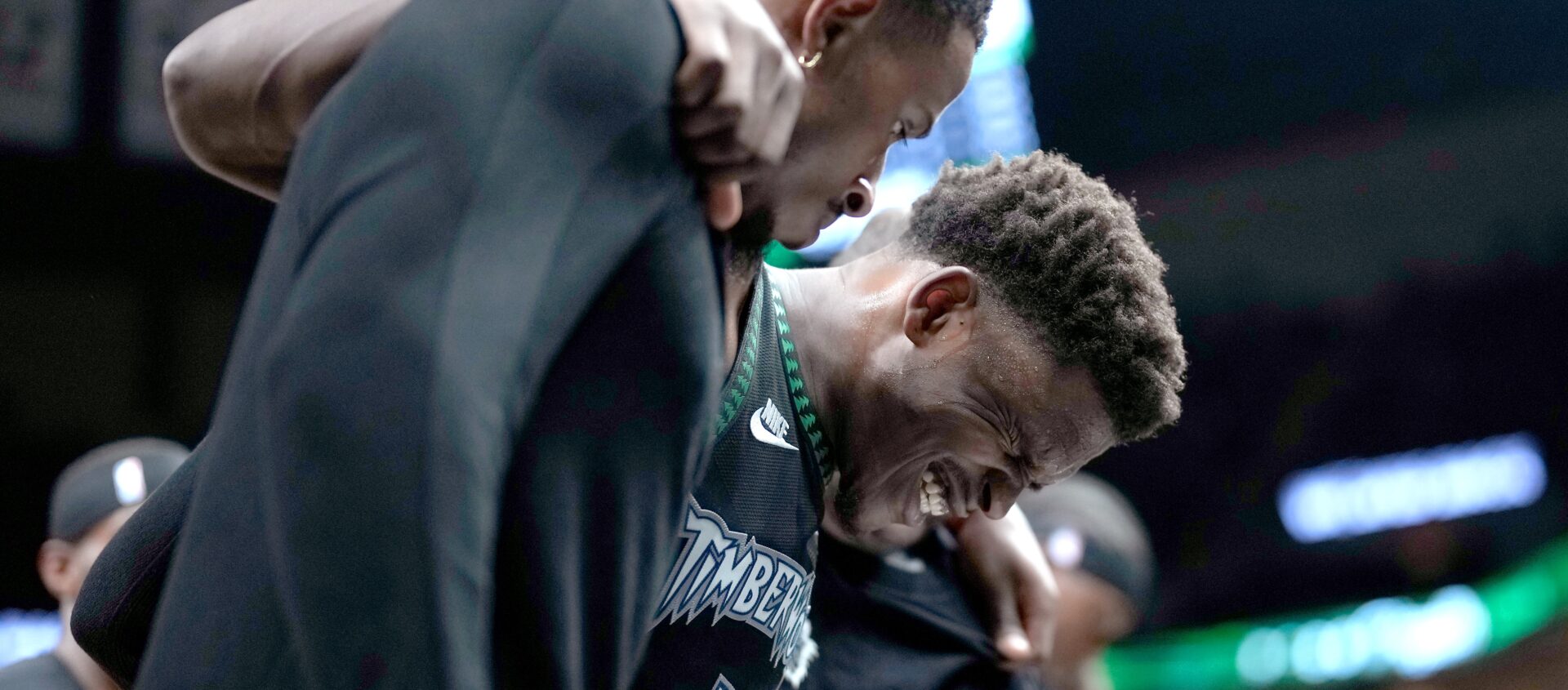

Just as the season is getting started in the best basketball league in the world, some of the NBA’s biggest stars are already dealing with injuries amid concerns over the league’s demanding schedule. Has the time come for the NBA to reconsider its priorities?


The NBA is the biggest basketball league on the planet. It has the best athletes, the most advanced facilities, world-class medical staffs, and financial resources that are almost impossible to match in any other competition. Yet there is one problem that neither millions of dollars nor cutting-edge technology seems capable of eliminating: injuries.
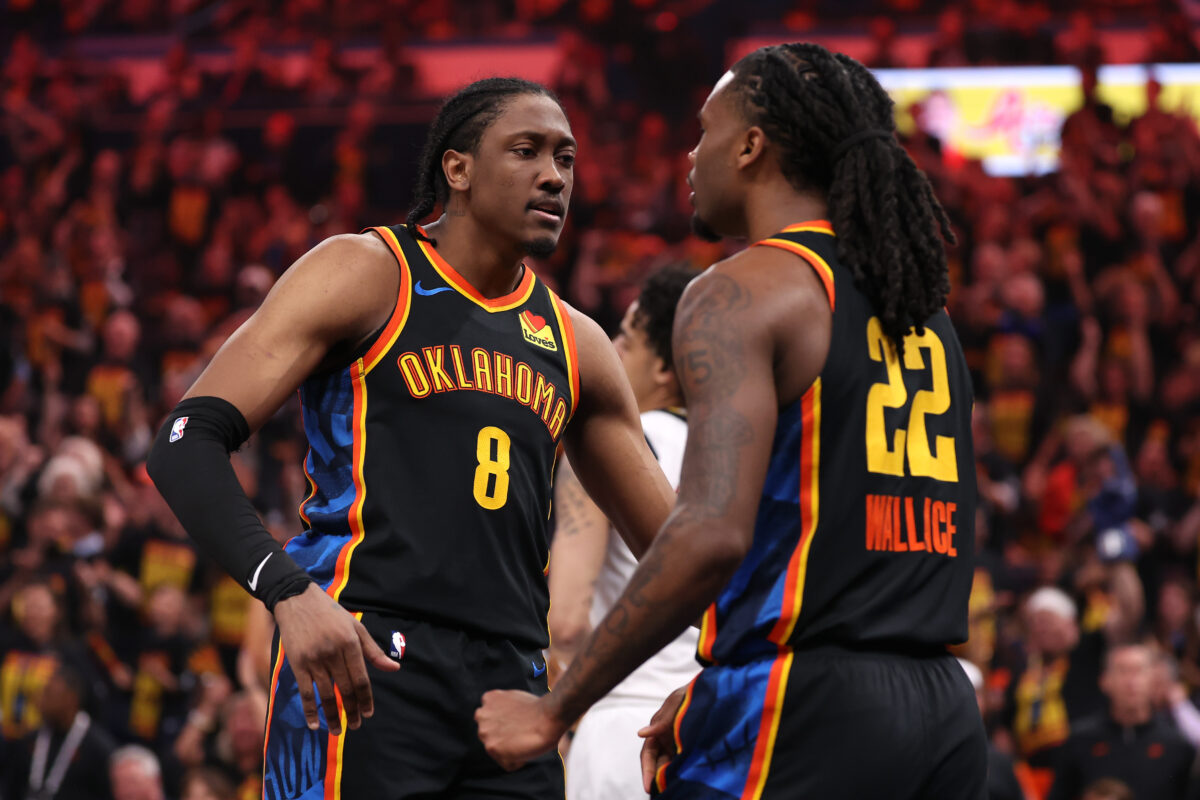
Anthony Edwards, Kawhi Leonard, Jalen Williams, Tyrese Haliburton, Paolo Banchero, and several other NBA stars are facing time on the sidelines as they deal with injury issues.
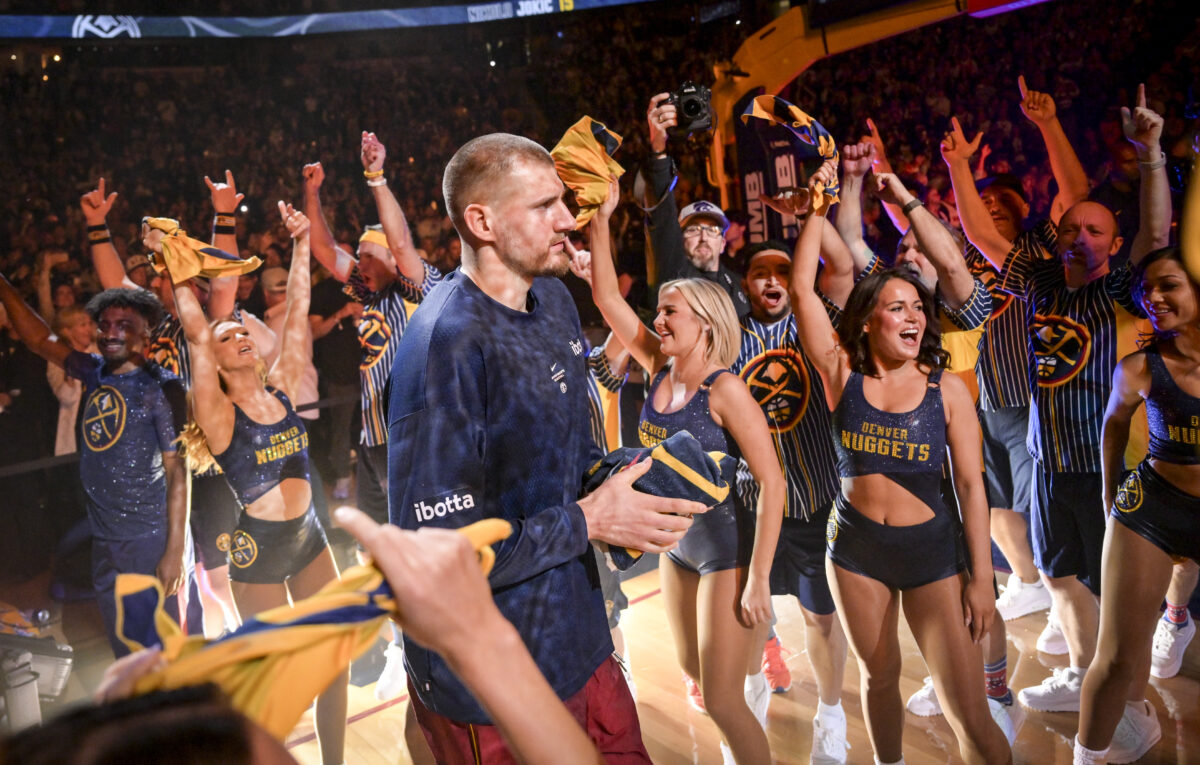
And this raises a question the NBA cannot keep avoiding forever: Are we asking too much of the very players who make this league worth watching?
82 Games. And Then the Real Challenge Begins…
An NBA team is required to play 82 regular-season games in approximately six months. That means back-to-back matchups, traveling thousands of miles, changing time zones, limited recovery time, and a demanding routine that requires players to perform at the highest possible level night after night.
And, of course, for teams competing for a championship, the season doesn’t end there. The playoffs follow, bringing even greater intensity, pressure, and physical demands.
Fewer Games? Sure, But Who’s Going to Pay the Price?
The idea of reducing the number of regular-season games is nothing new. A 72-game or even a 70-game season could theoretically provide more time for rest, recovery, and better player workload management. But would it solve the problem? Not necessarily.
Injuries are caused by multiple factors, and nobody can guarantee that reducing the number of games would eliminate the issue entirely. However, it could be a step in the right direction, especially if combined with smarter scheduling and a genuine commitment to protecting players’ recovery time.
There is, of course, one important detail: money.
Fewer games mean fewer ticket sales, fewer commercial opportunities, and potential consequences for both team and league revenues. In a league built on massive broadcasting deals and an ever-growing commercial value, such a change would be anything but simple.
And just like that, the conversation shifts from basketball to business. What is a player’s health worth, and how much is the NBA actually willing to sacrifice to protect it?
The NBA’s Greatest Asset Is Its Players
The NBA’s mentality is well known: Business is business.
But the league needs to understand that its most valuable asset, and the very foundation of its product, is its players. The irony is that the NBA invests billions of dollars in promoting its superstars, yet when those same players are unavailable, the product itself loses a significant part of its value.
Fans buy tickets to watch the best players in the world. Broadcasters invest heavily in marquee matchups because they expect the biggest names to take the court. People want entertainment, excitement, and unforgettable moments, and ultimately, it’s the players who deliver them. When the stars are missing, it’s not just their teams that suffer. The league itself loses, too.
Something Has to Change
Not every NBA injury can be blamed on the schedule. It would be an oversimplification to attribute every torn ligament, every muscle injury, and every absence to the 82-game regular season. But when the same conversation keeps coming back, perhaps it’s time to start taking it seriously.
Fewer back-to-back games, better travel management, longer recovery periods, and potentially a different regular-season structure are all options that deserve genuine consideration.
The NBA doesn’t simply need more games to remain the best basketball league in the world. It needs its best players healthy, competitive, and available when it matters most.
Because at the end of the day, what’s the point of having the greatest basketball product on the planet if its biggest stars are increasingly watching from the sidelines?
NBA, you’re doing something wrong. And maybe it’s time to ask yourself whether the price of entertainment is becoming too high.